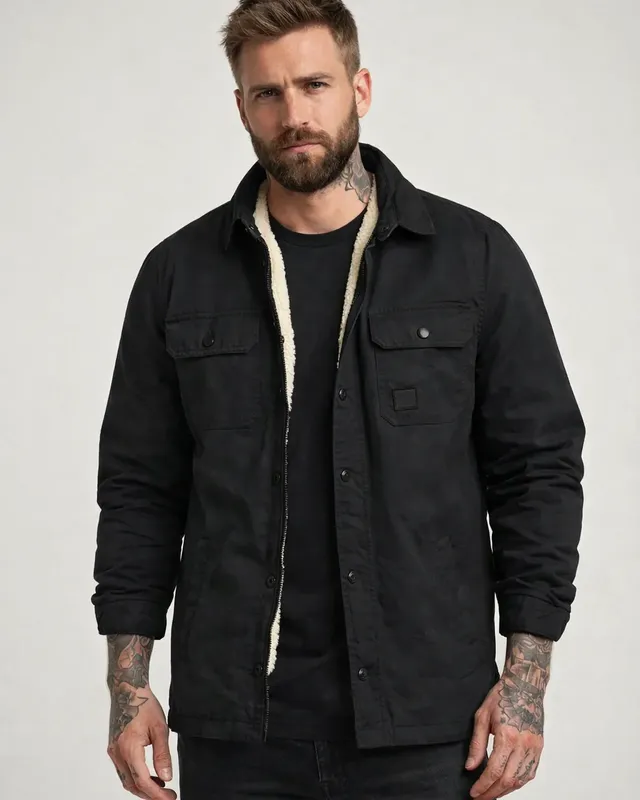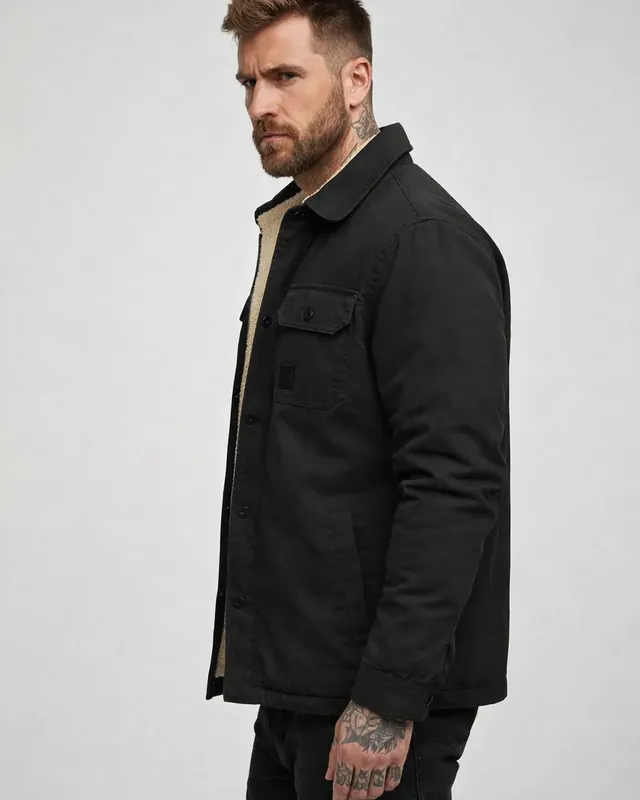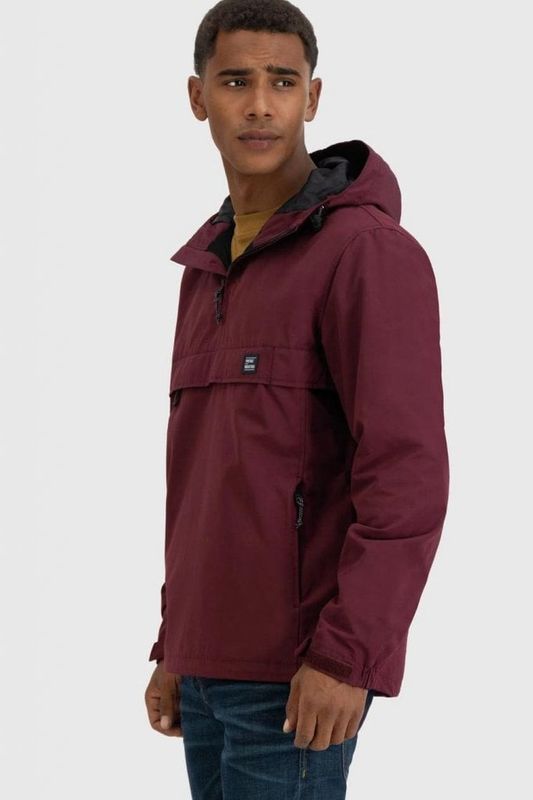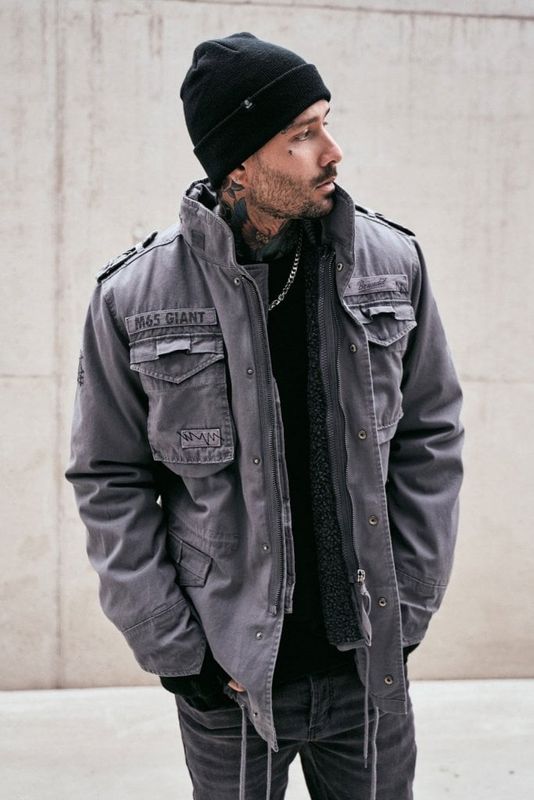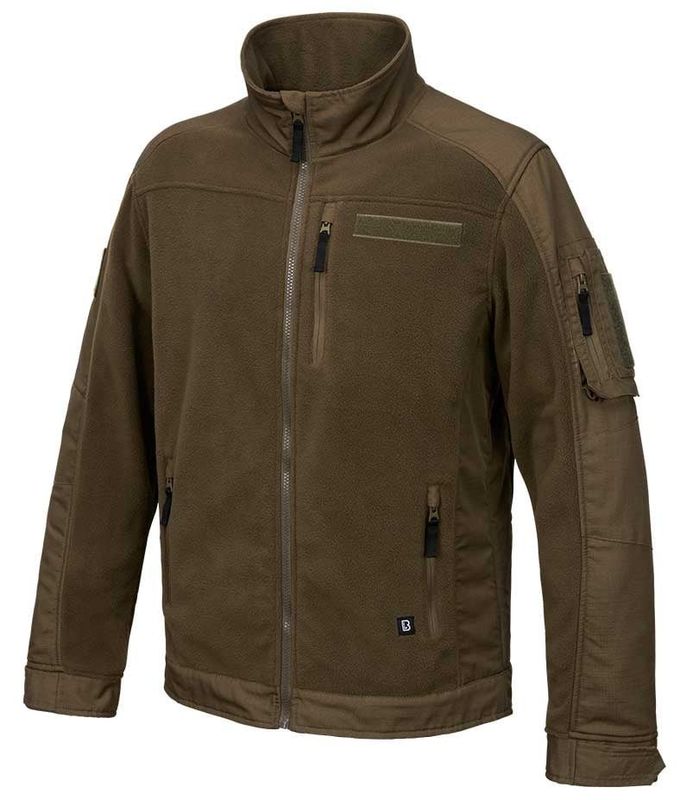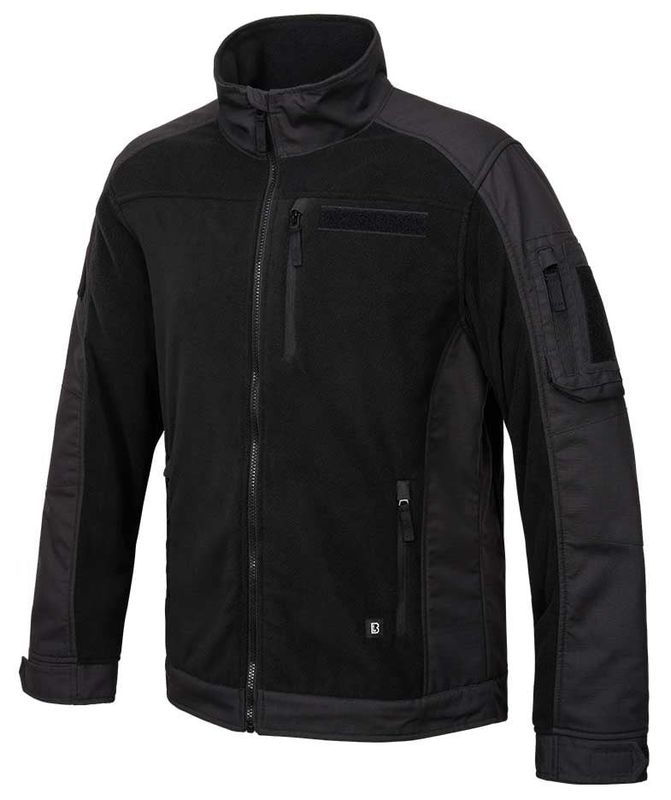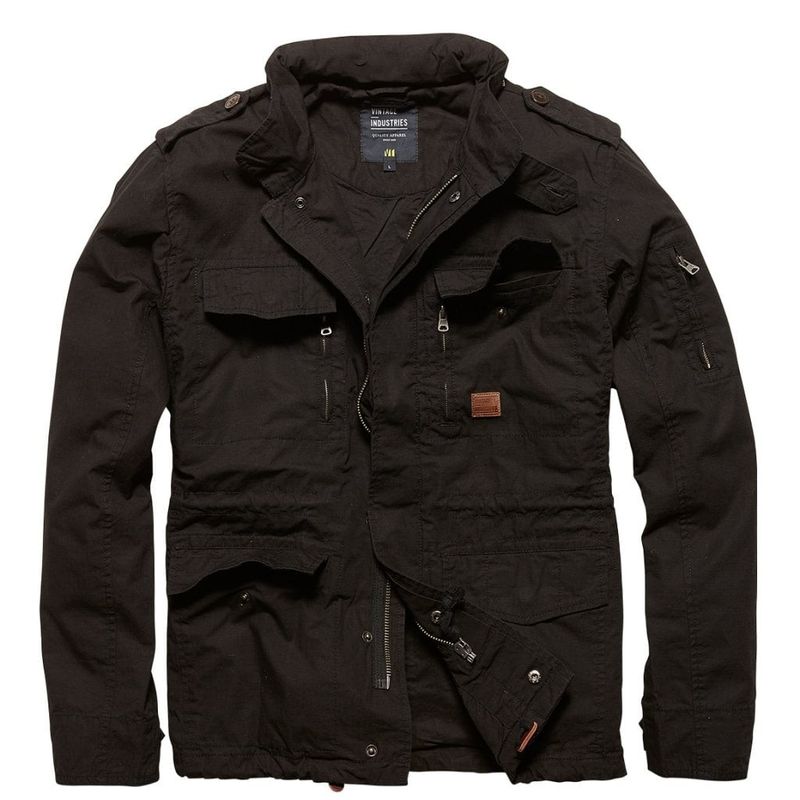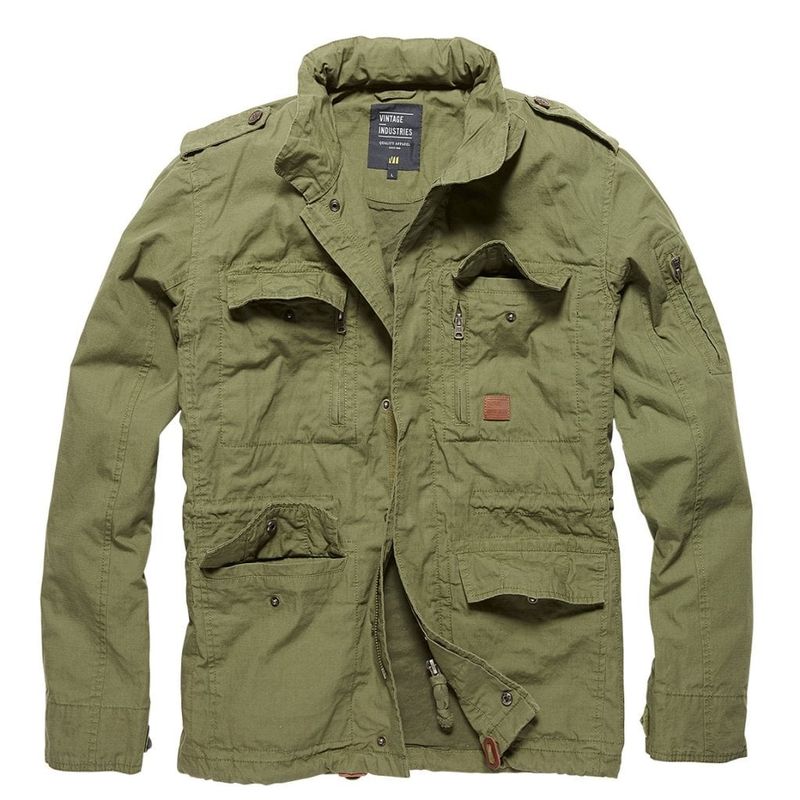
Men’s spring jackets
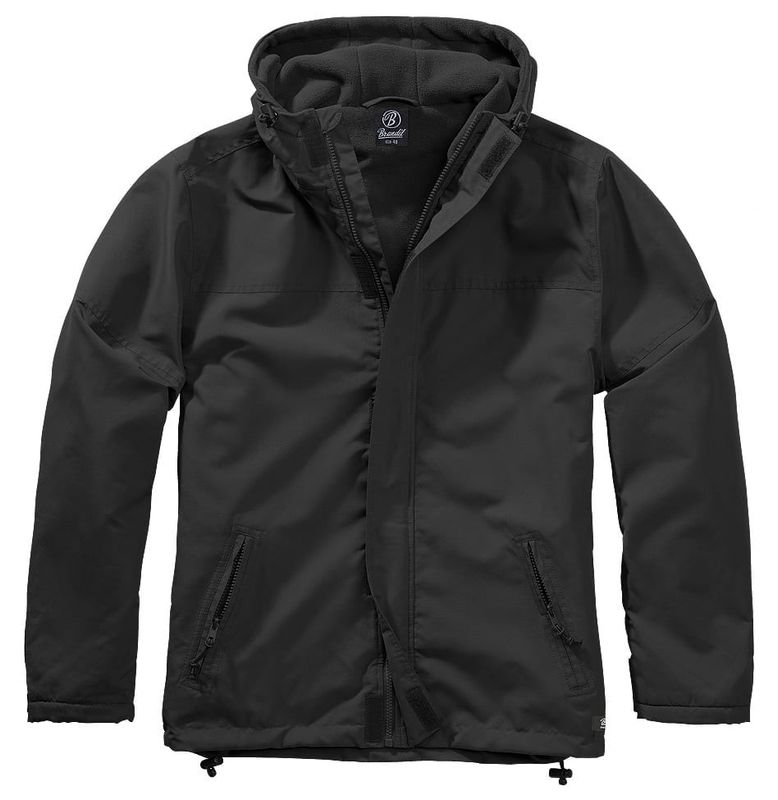
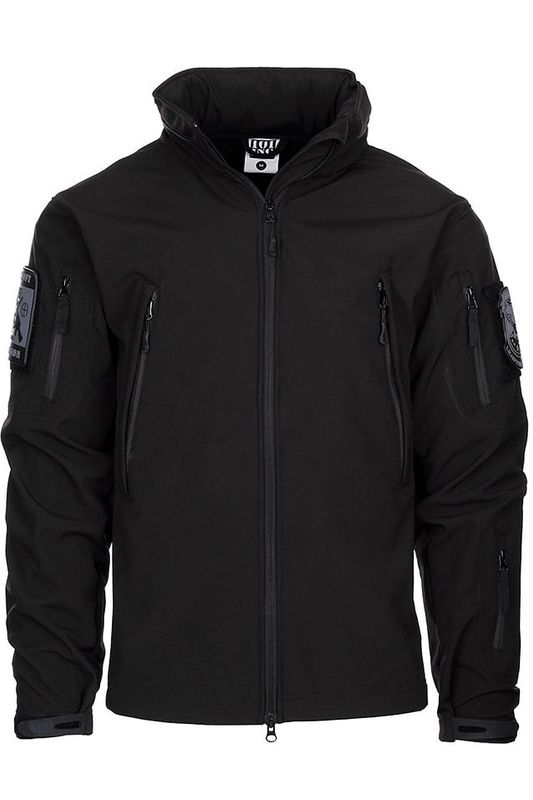
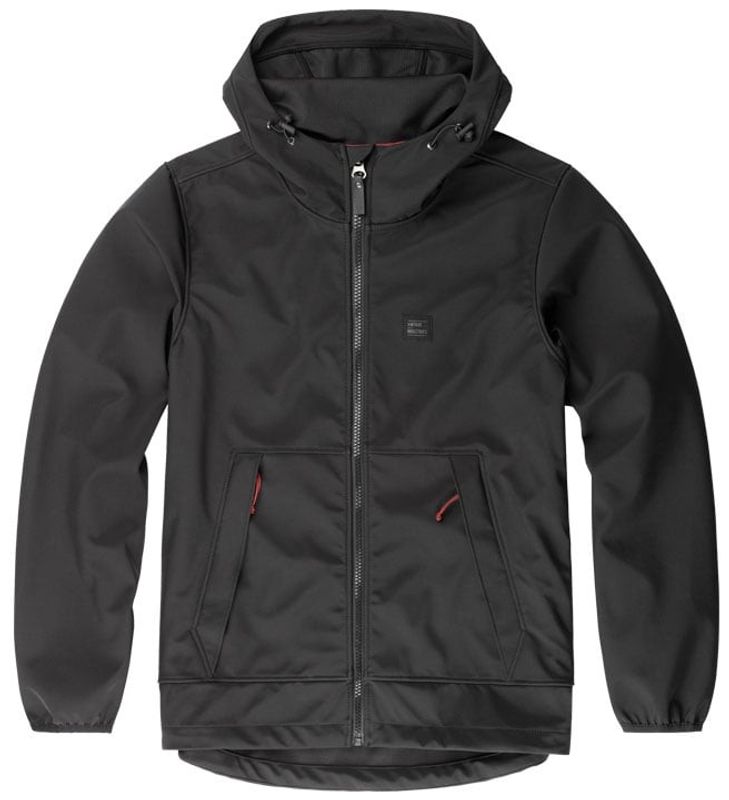
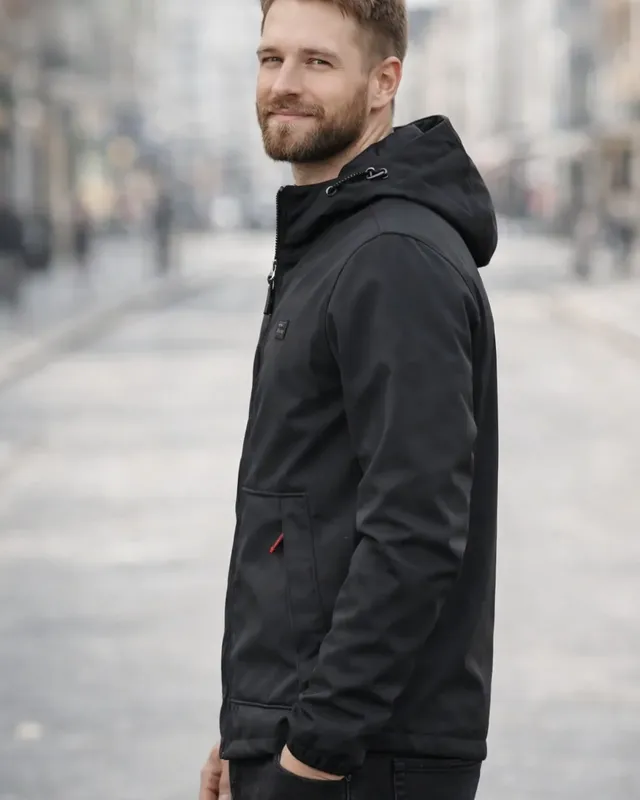
Men’s spring jackets for days when a winter coat feels too much and a top is not enough. Compare shorter cuts, softshell and field jackets by lining, movement and room for layers.
Men’s spring jackets for days when a winter coat feels too much and a top is not enough. Compare shorter cuts, softshell and field jackets by lining, movement and room for layers.
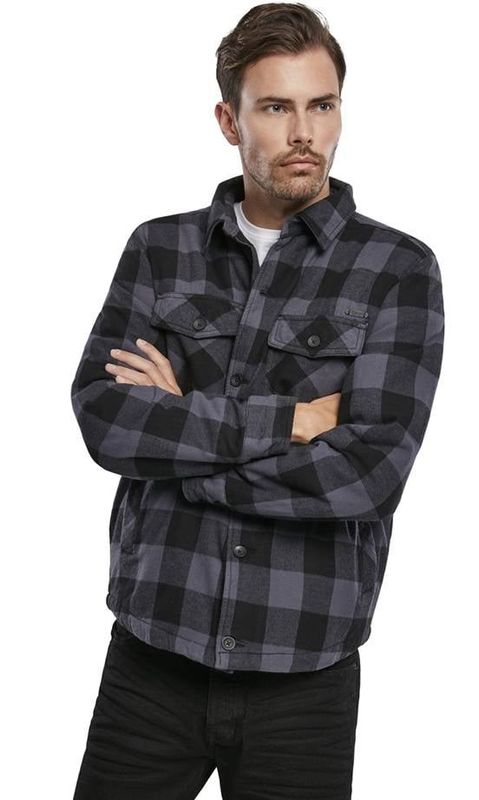
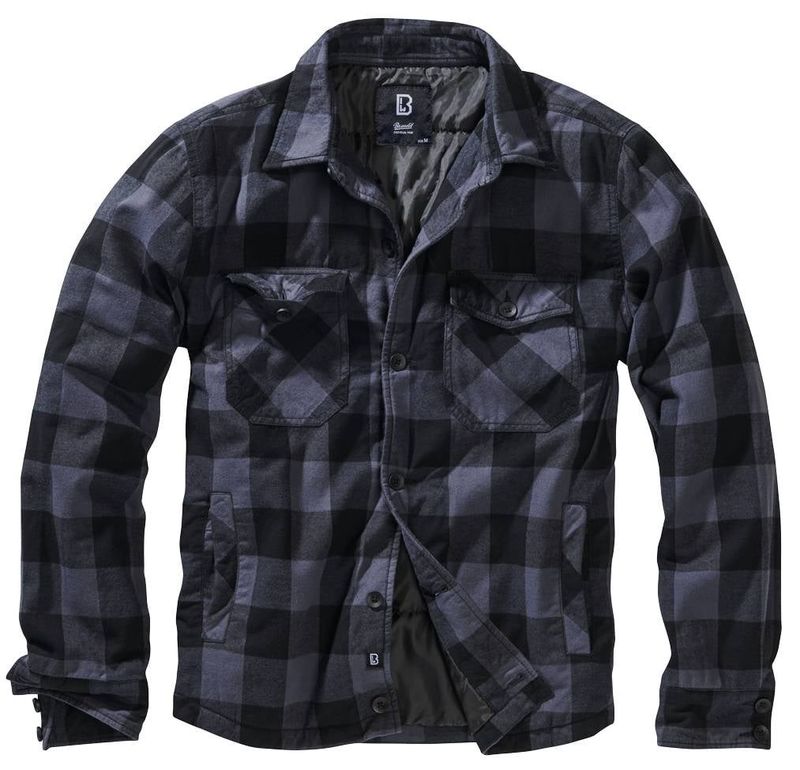
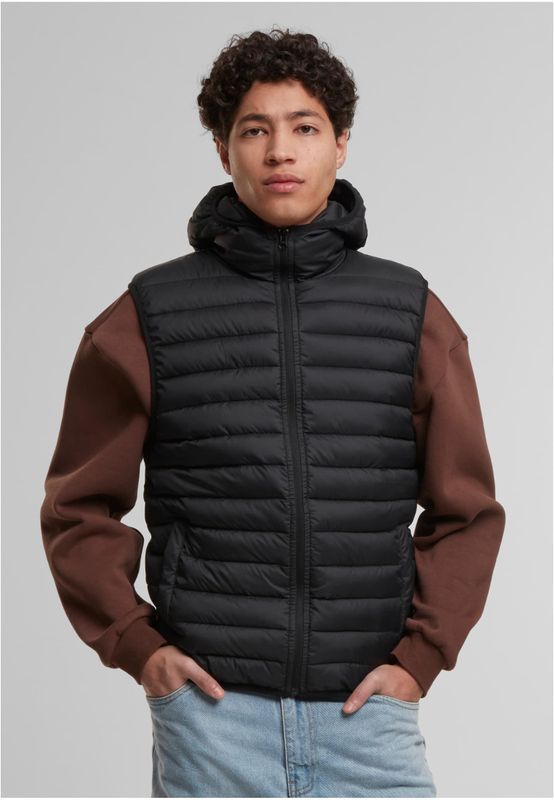
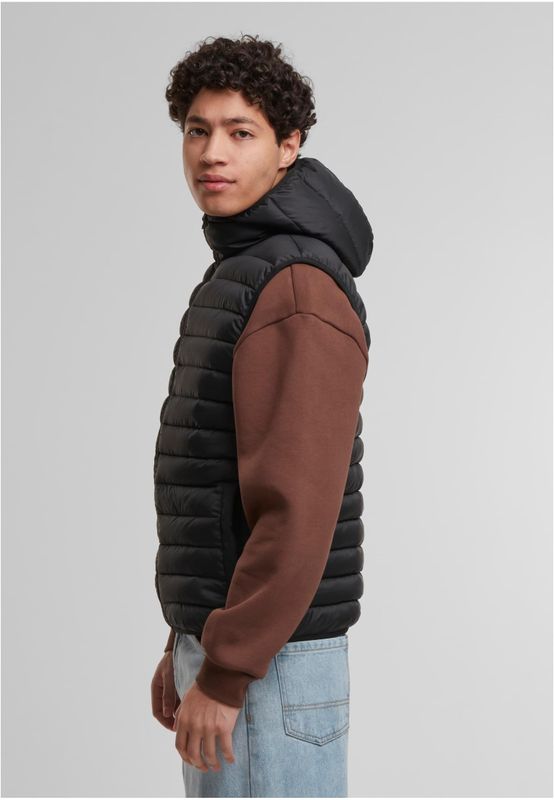
Choose a spring jacket that works over both a lighter top and a warmer midlayer. Cool mornings and milder afternoons need different layers; adjusting what you wear underneath is often easier than changing jackets during the day.
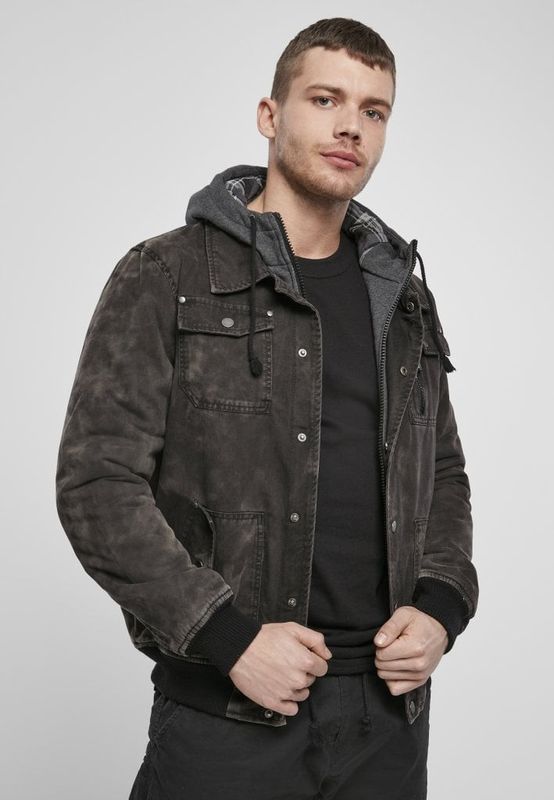
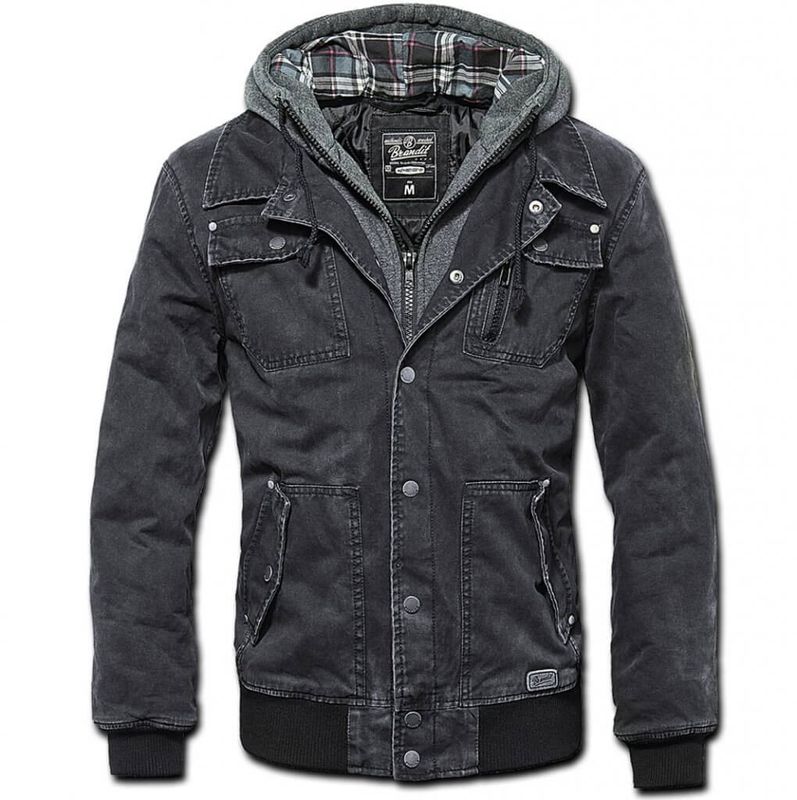
Start with your layers and the time you spend outside. A smooth lining is not the same as padding. Removable lining can offer more ways to wear a jacket, but check that it actually detaches and which parts are included.
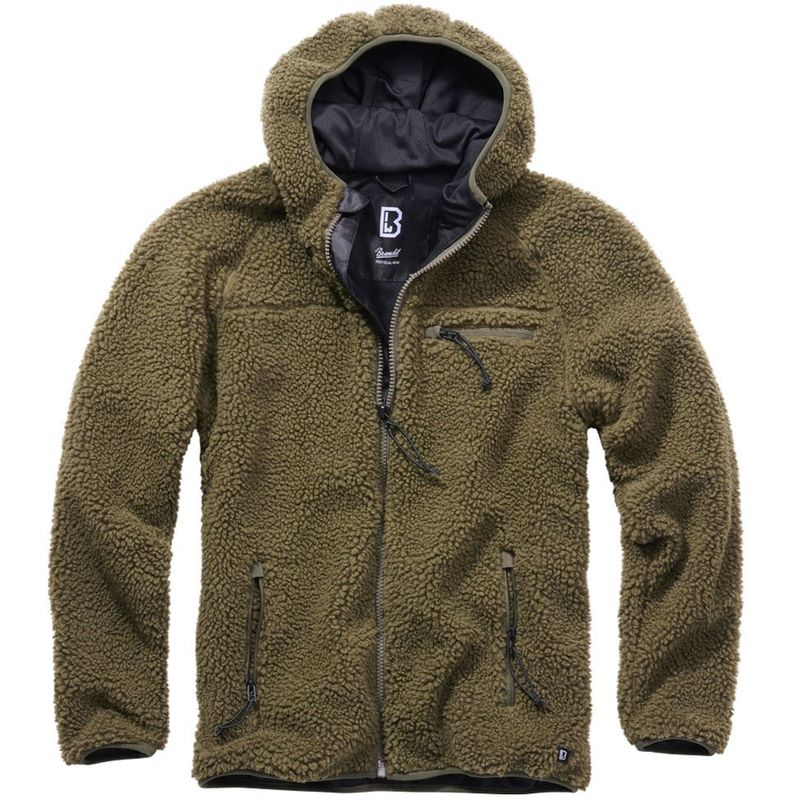
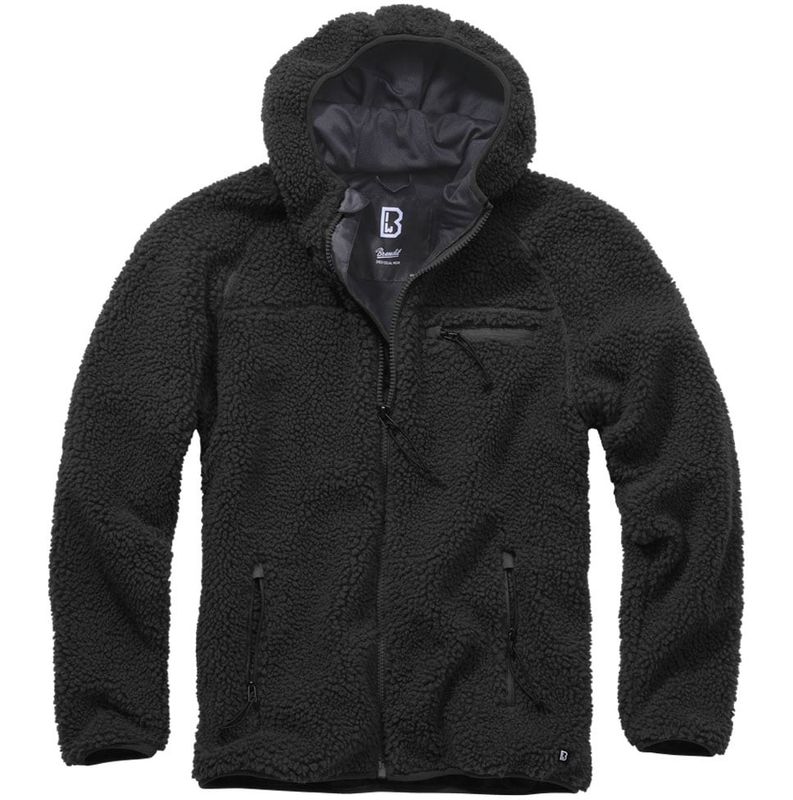
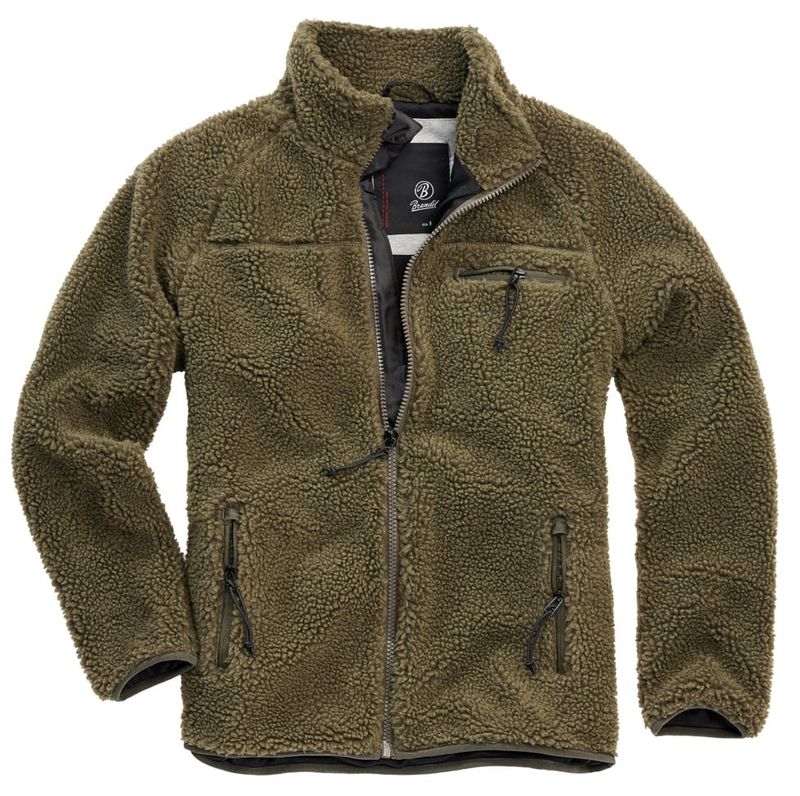
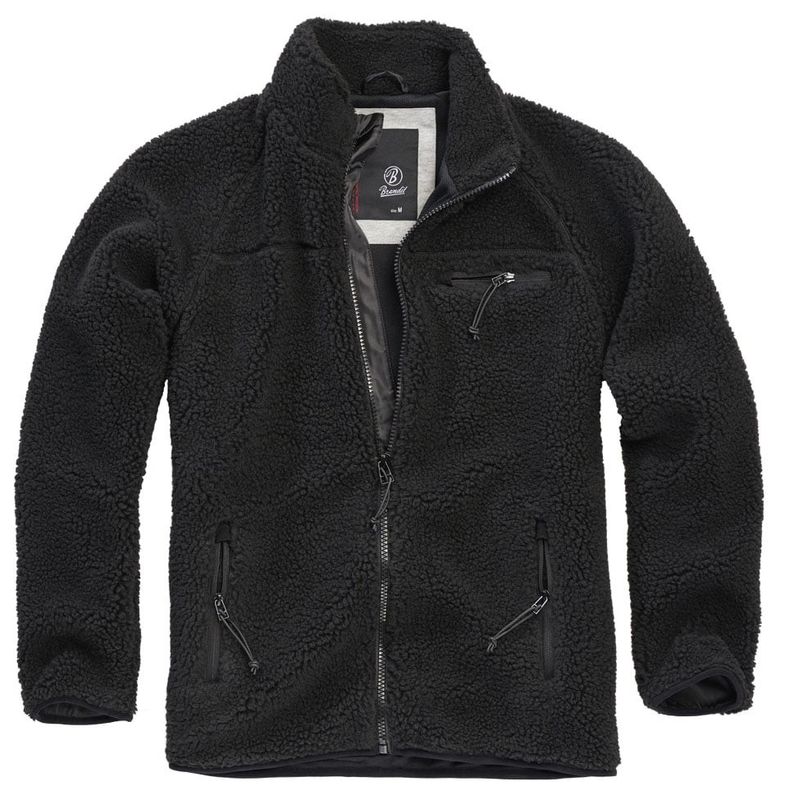
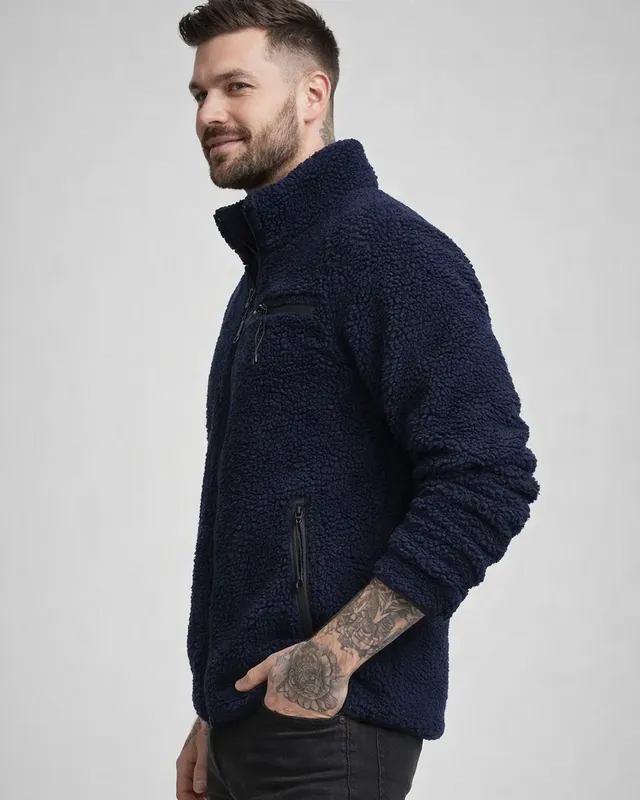
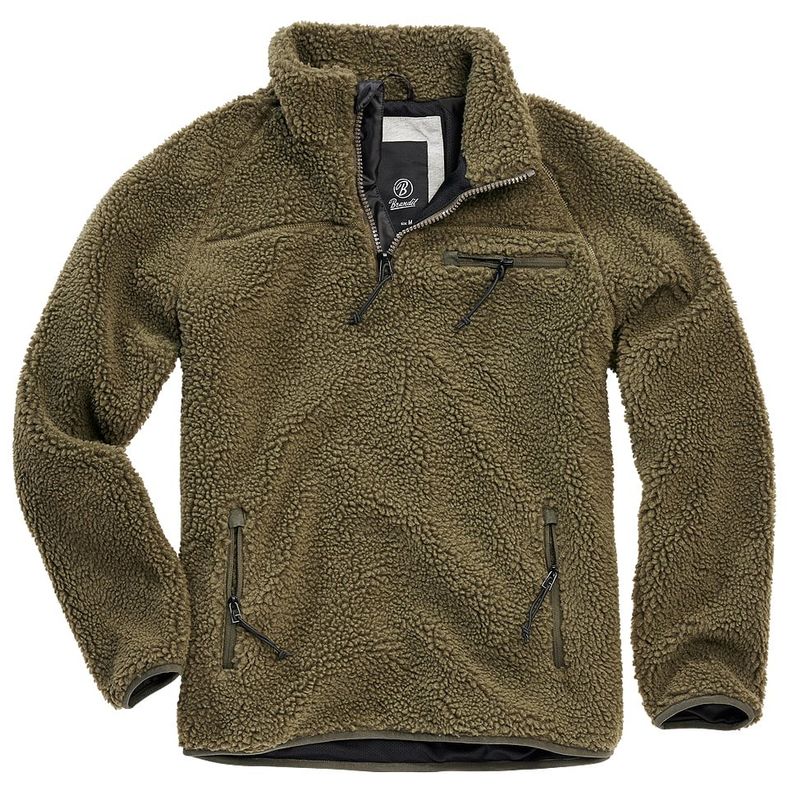
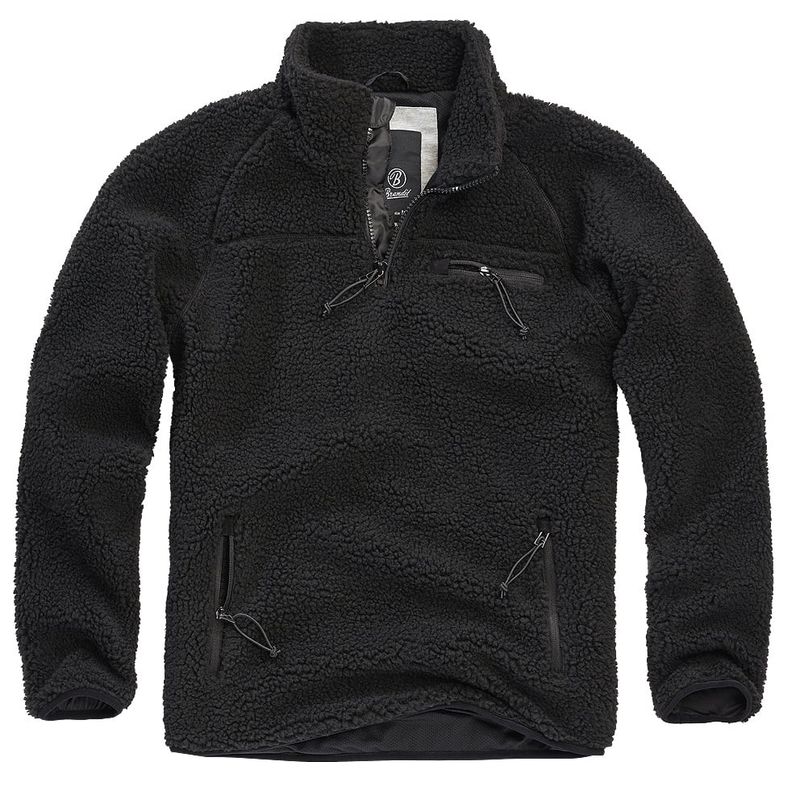
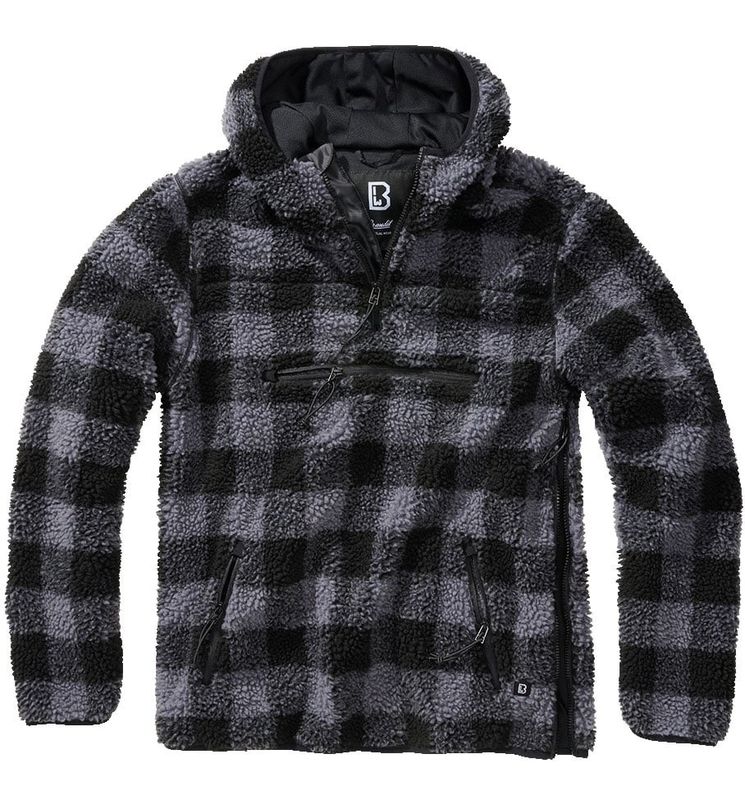
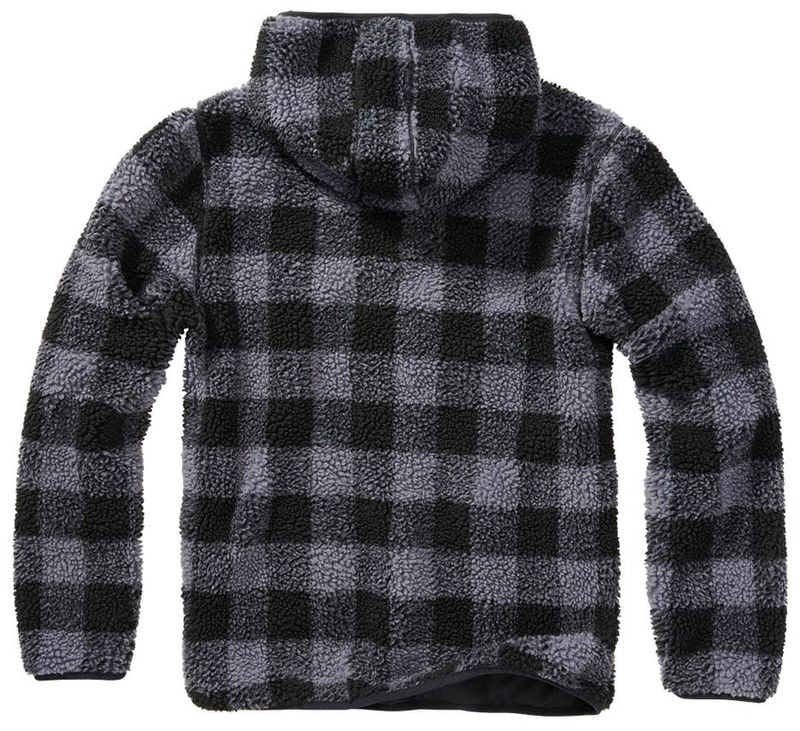
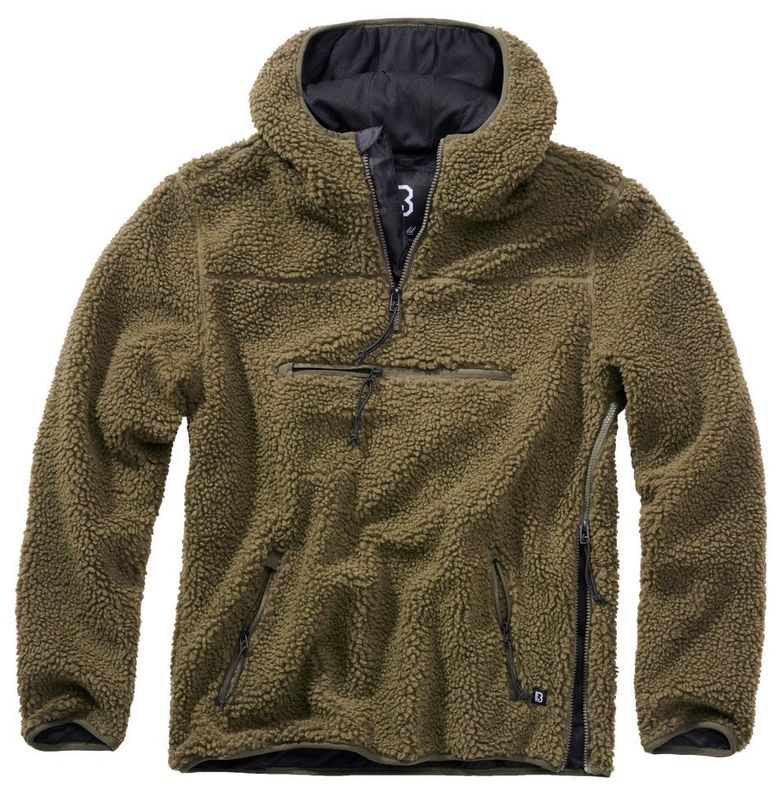
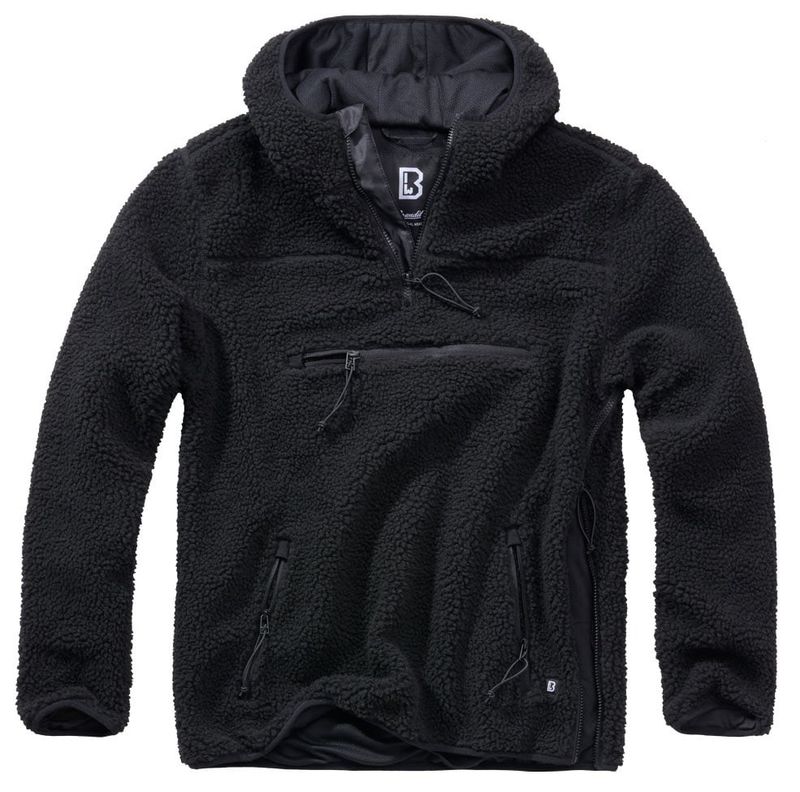
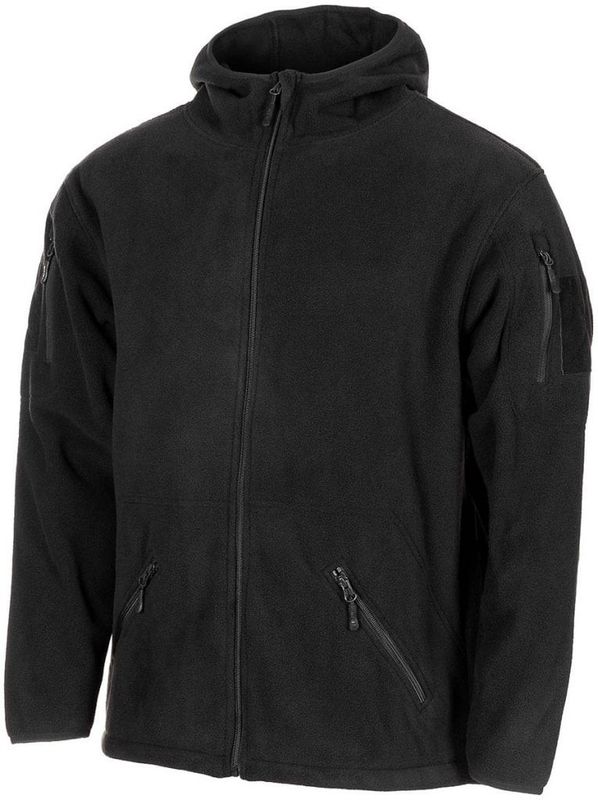
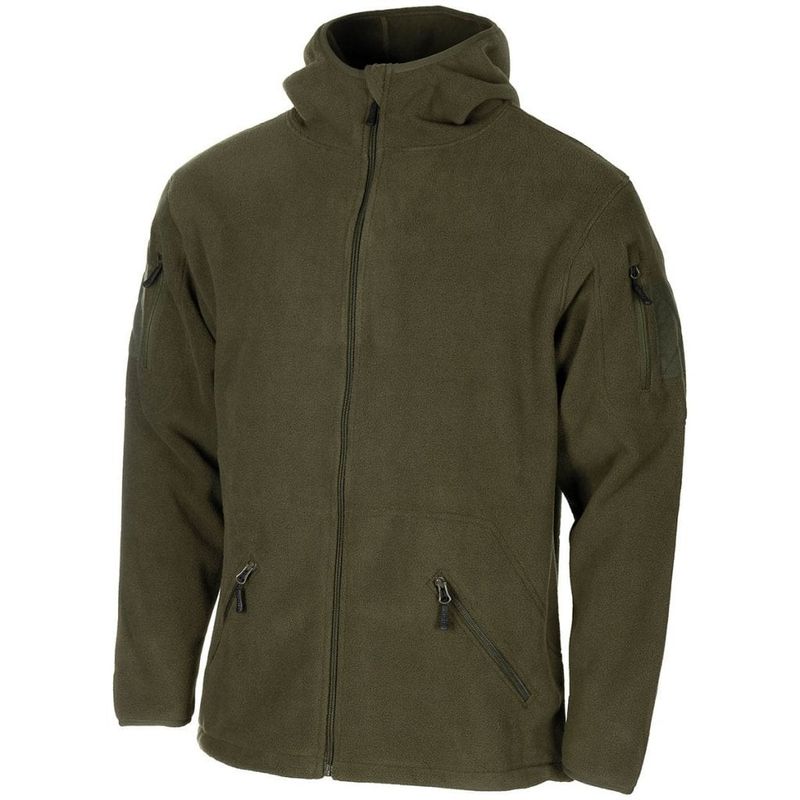
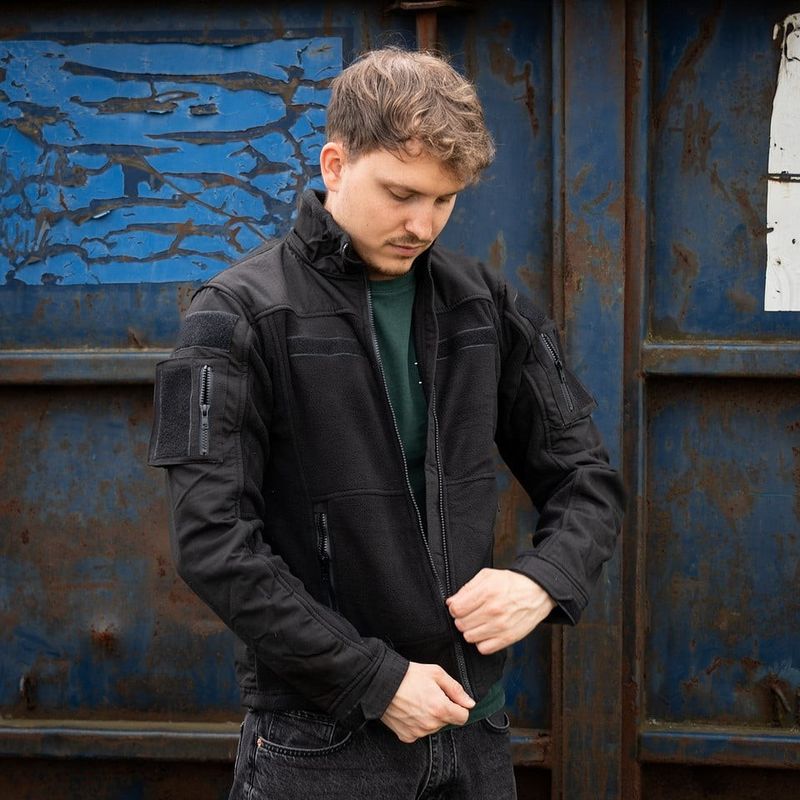
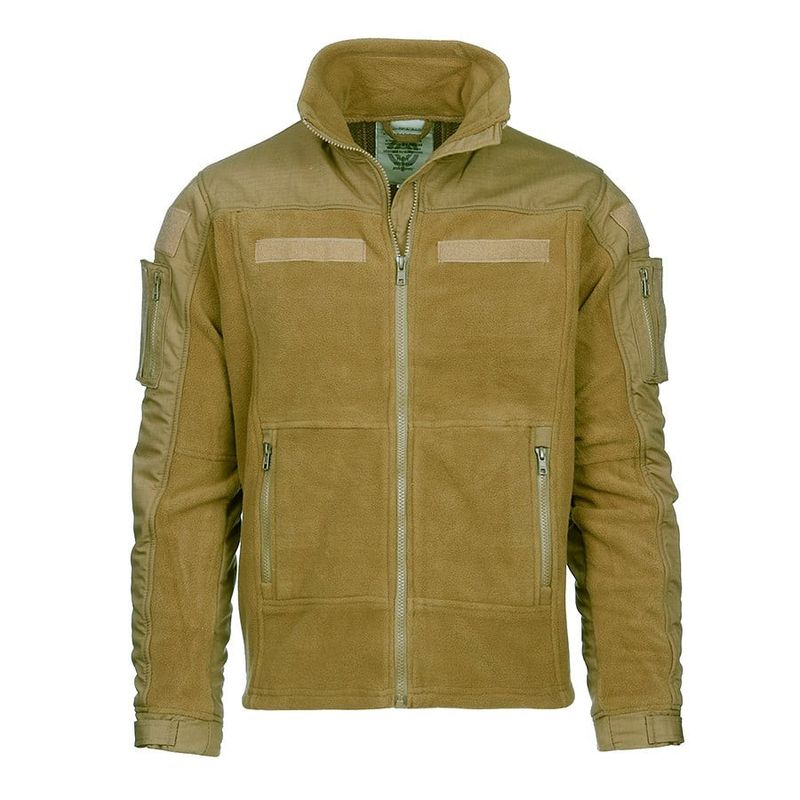
For a soft midlayer, compare fleece jackets and fleece-lined jackets. For milder days, explore men’s summer jackets.
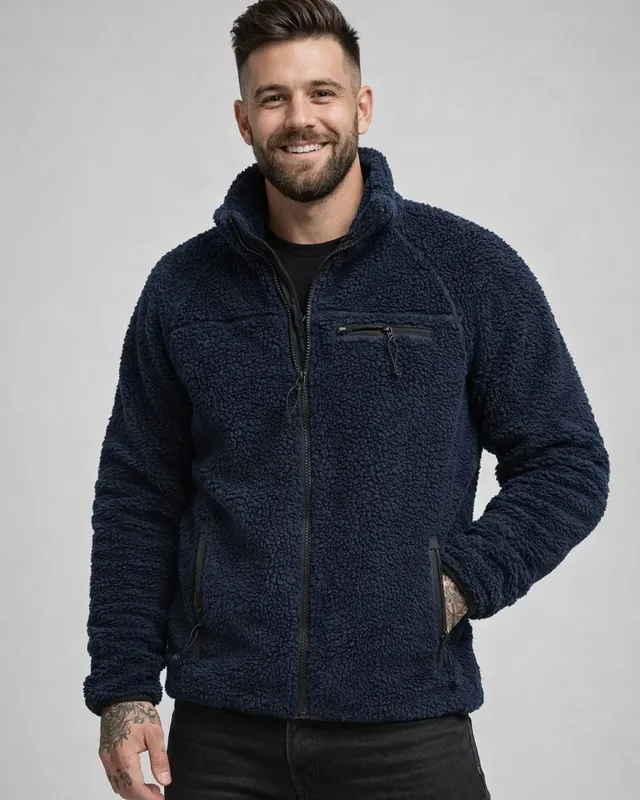
Fasten the jacket over your thickest intended layer, reach forwards and sit down. Your chest, upper arms and back need room without the hem pulling uncomfortably.
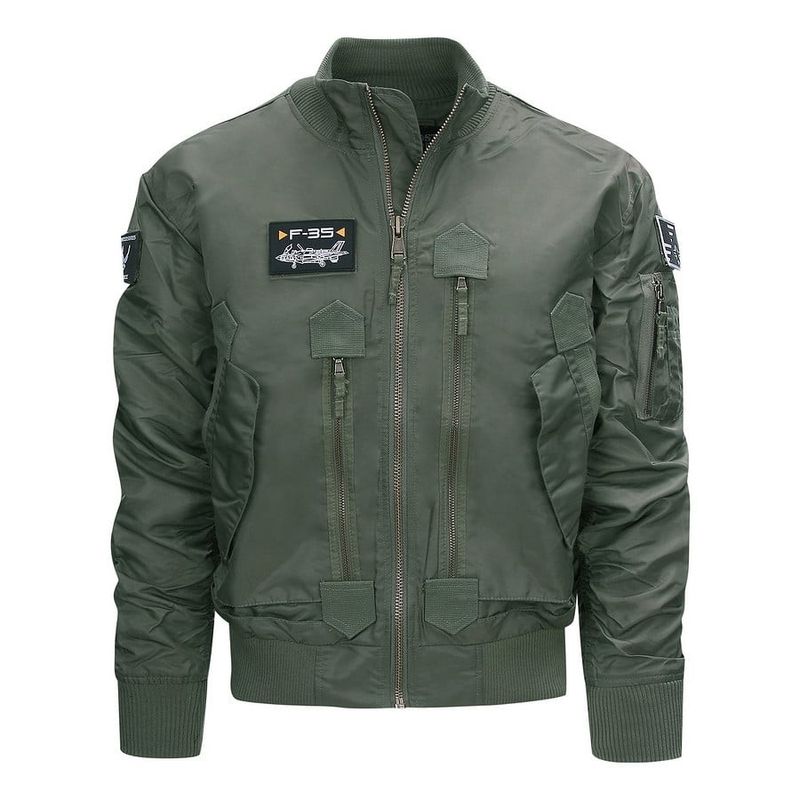
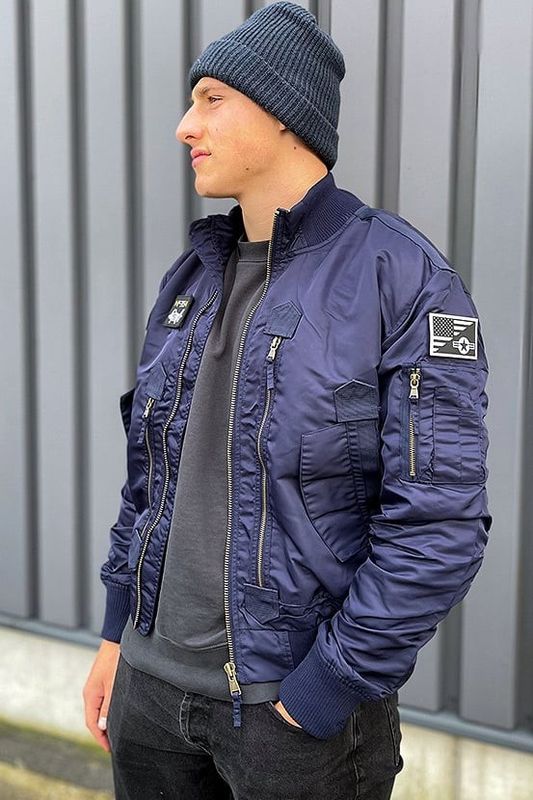
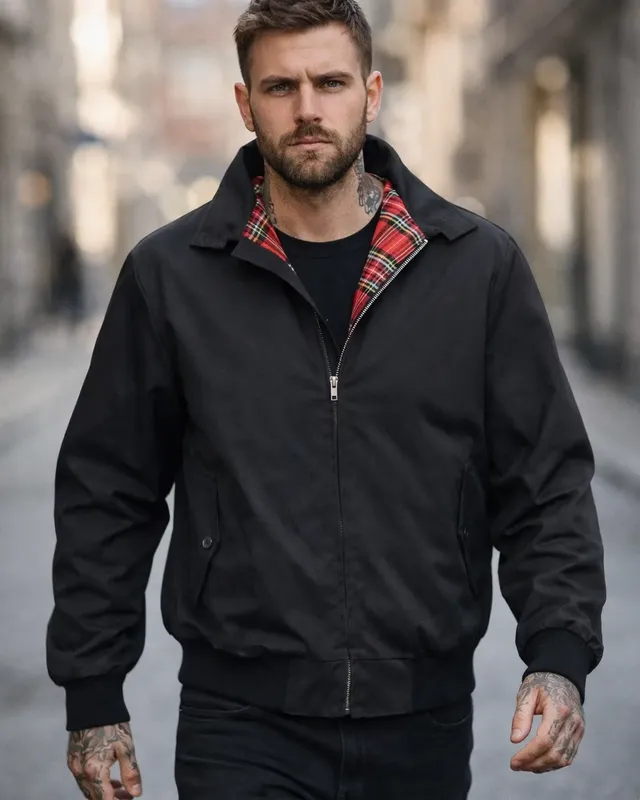
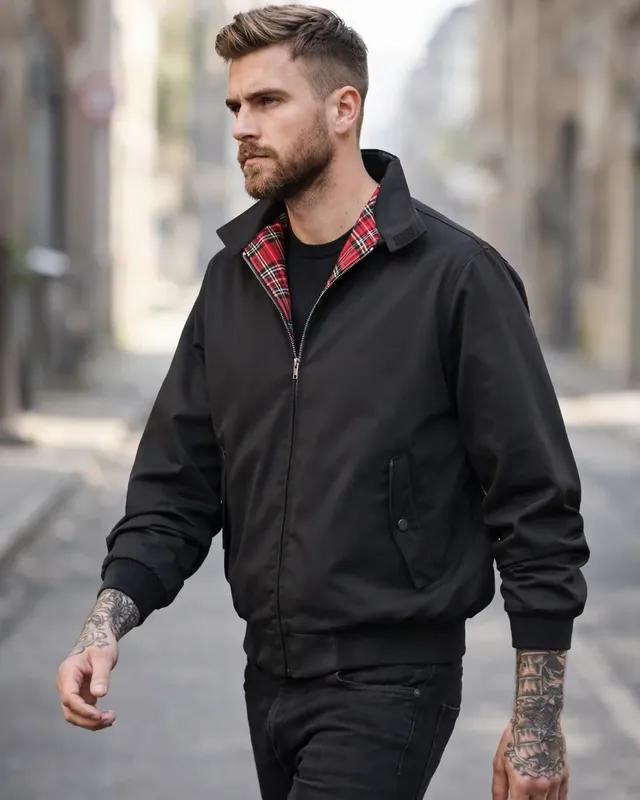
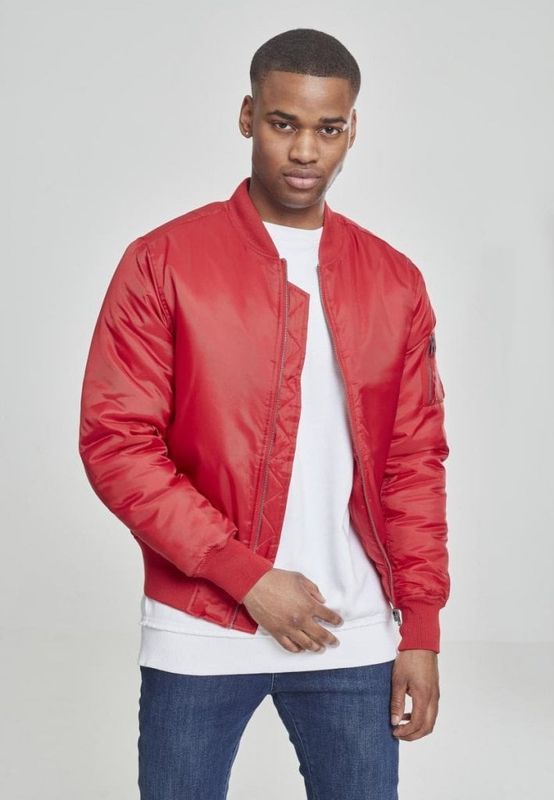
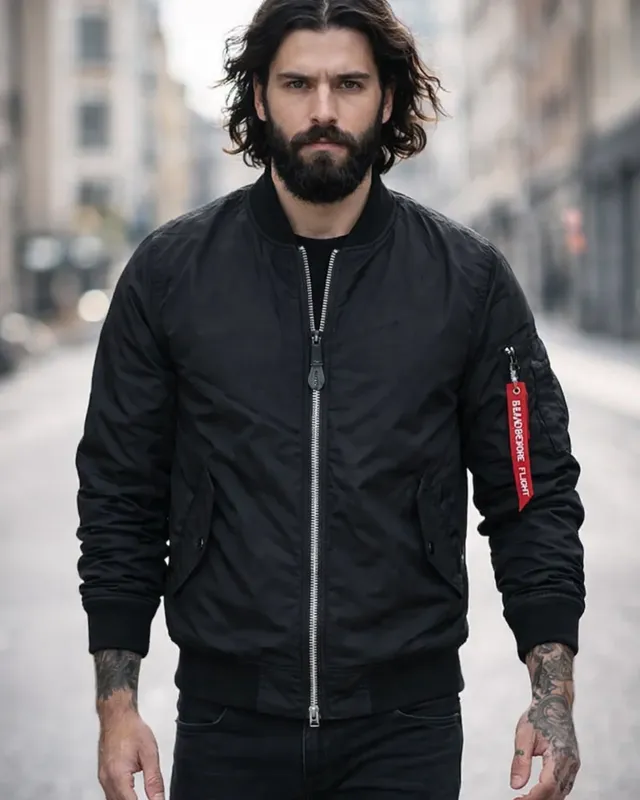
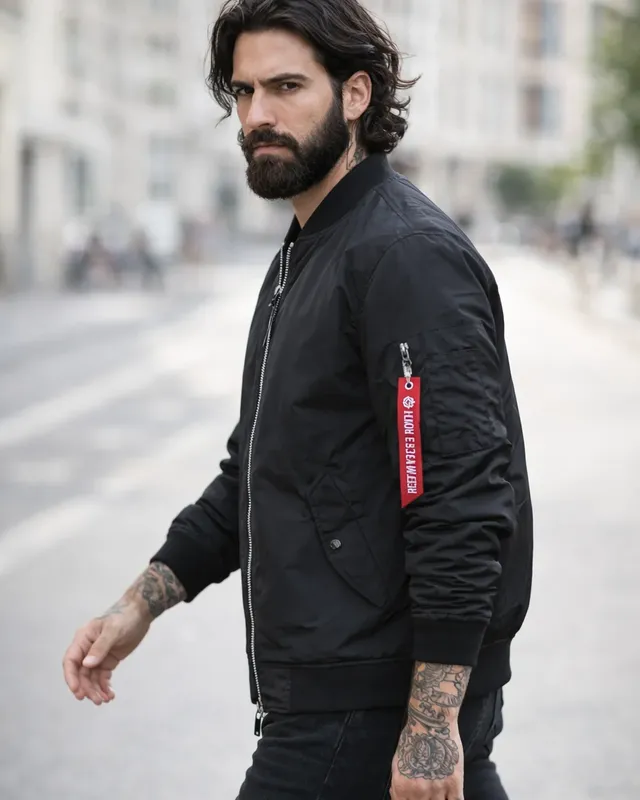
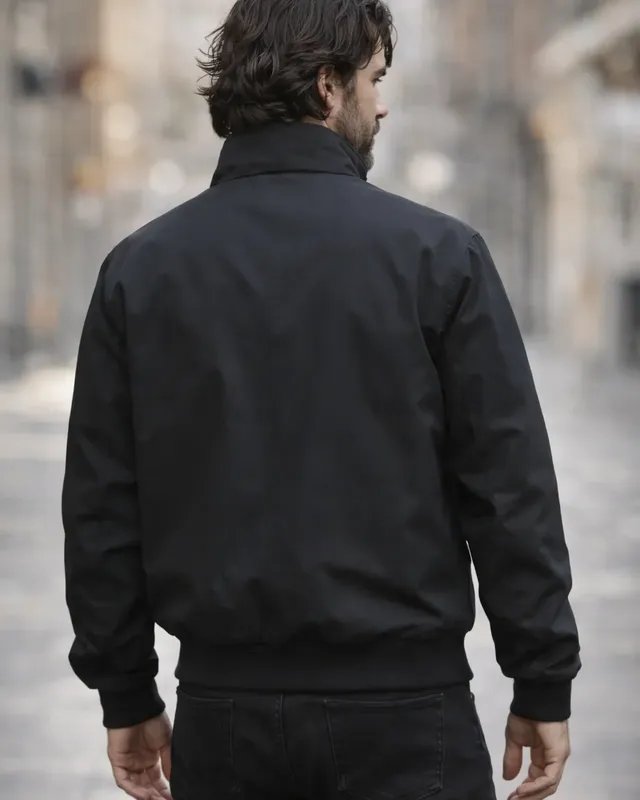
For garment measurements, compare chest width, back length and sleeves from the same points on a well-fitting jacket. Body measurements should be compared with your body. Explore men’s and unisex bomber jackets for more ribbed shapes.
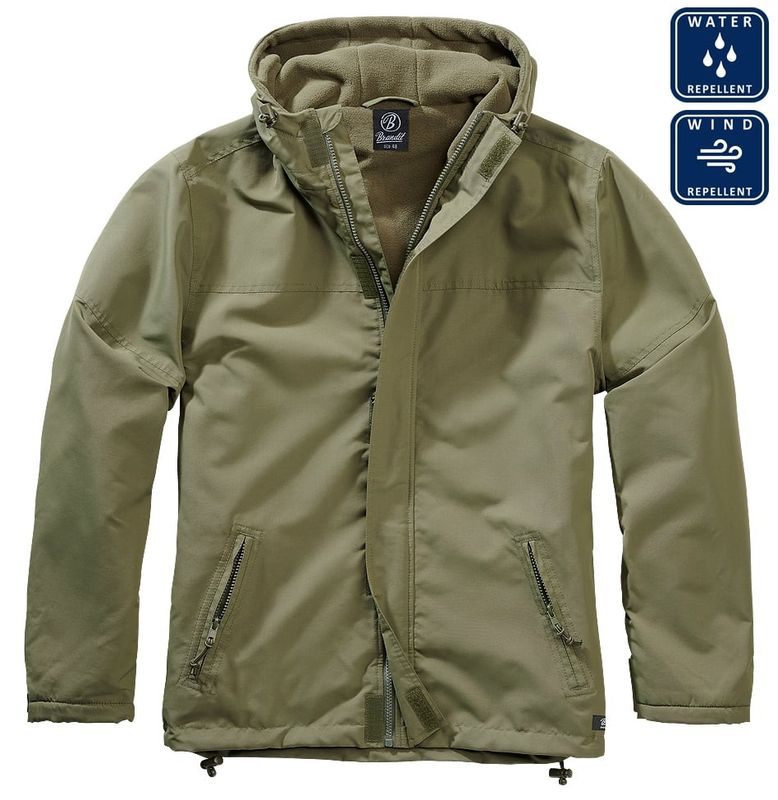
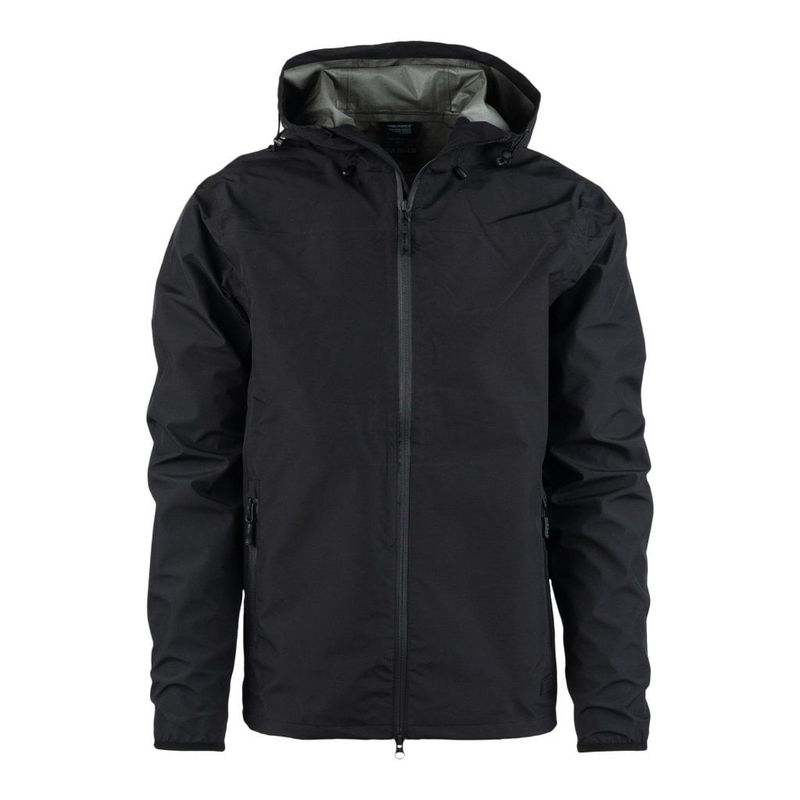
Use the individual design’s information about outer fabric, seams and fastenings. A fabric name or spring category does not establish rain protection. For longer periods in rain, compare rain jackets and rain ponchos and check the specific design.
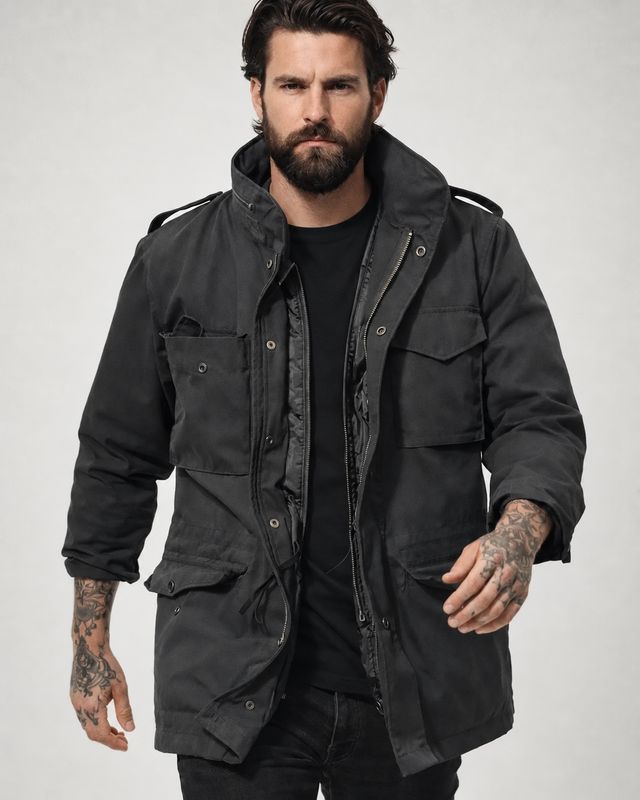
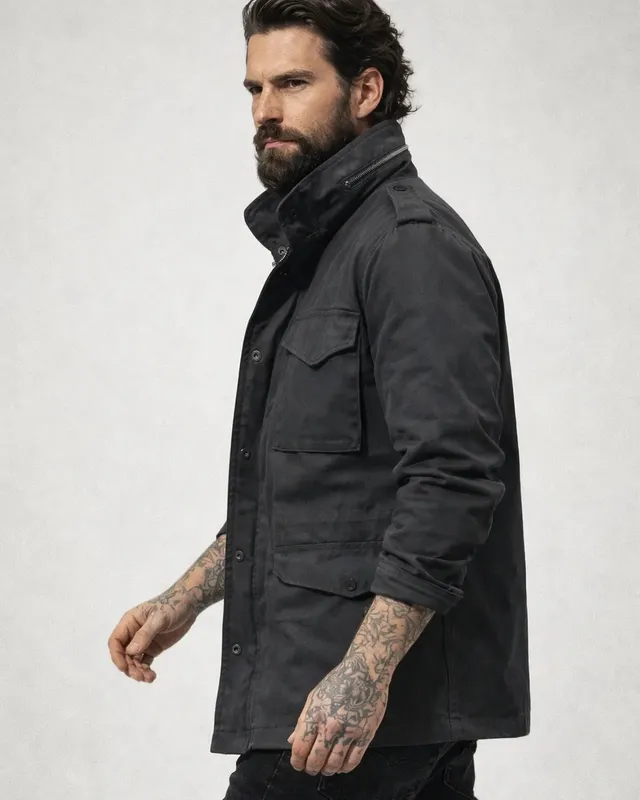
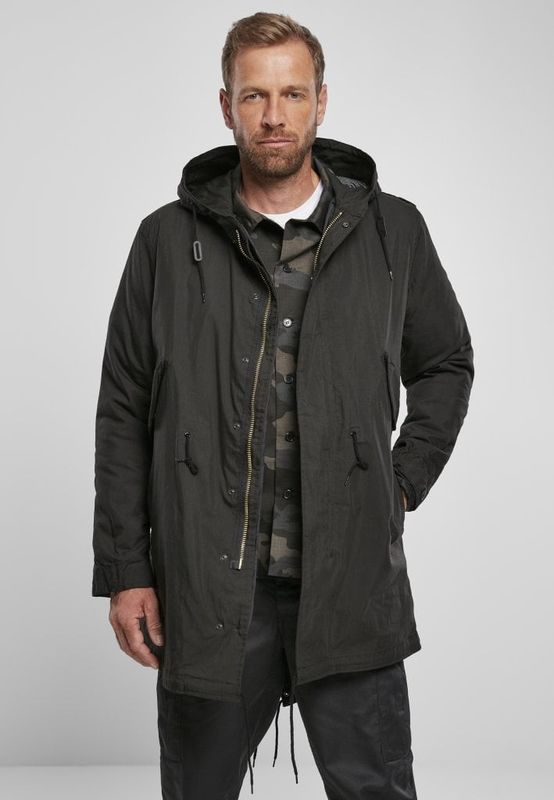
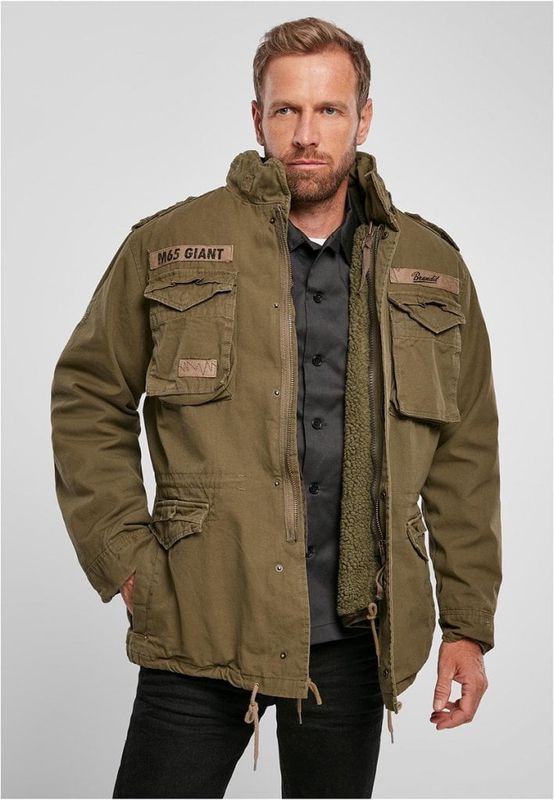
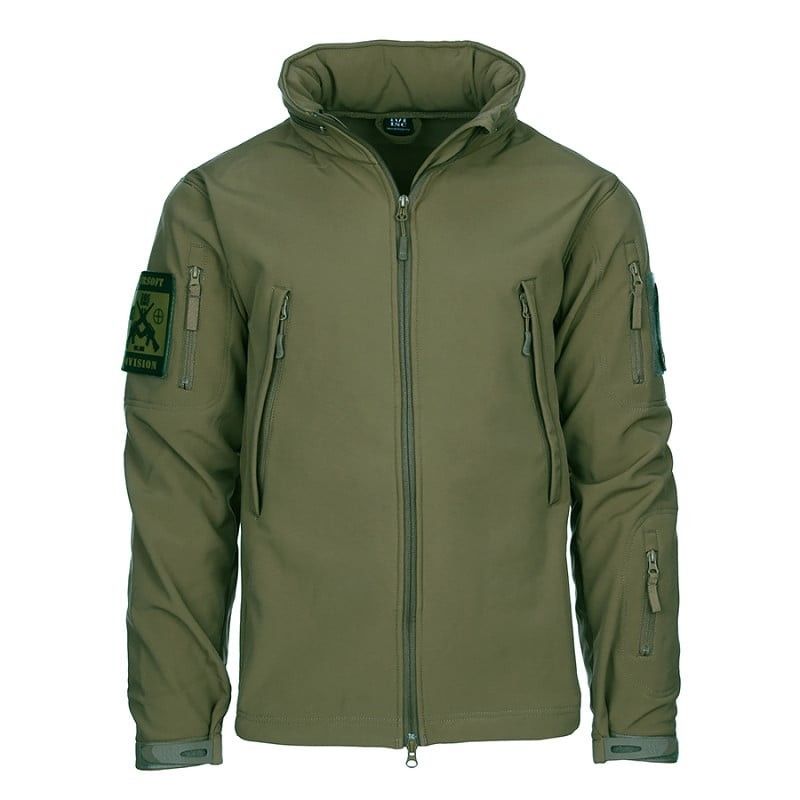
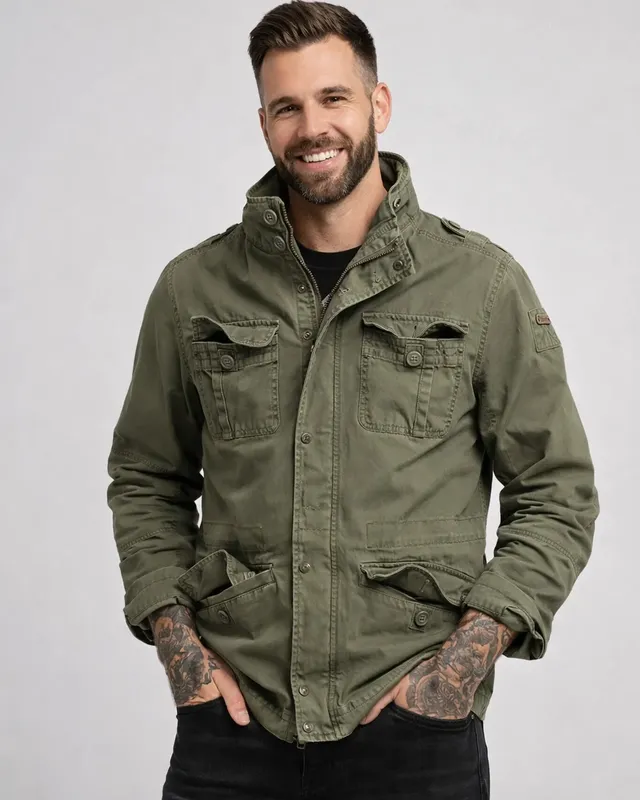
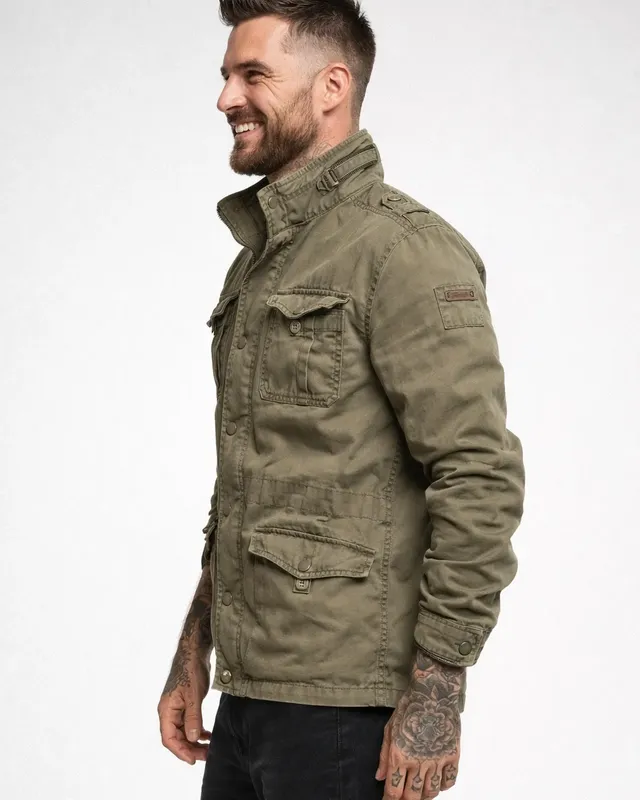
A short jacket lets a longer top show; a straight field jacket hangs differently. Let camouflage or details stand out against simpler clothing. Follow the jacket’s own care instructions, especially for linings and coated surfaces.