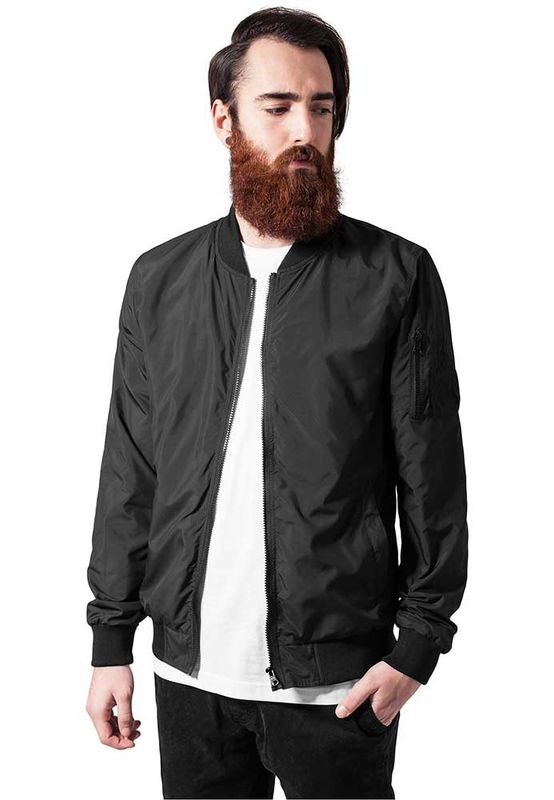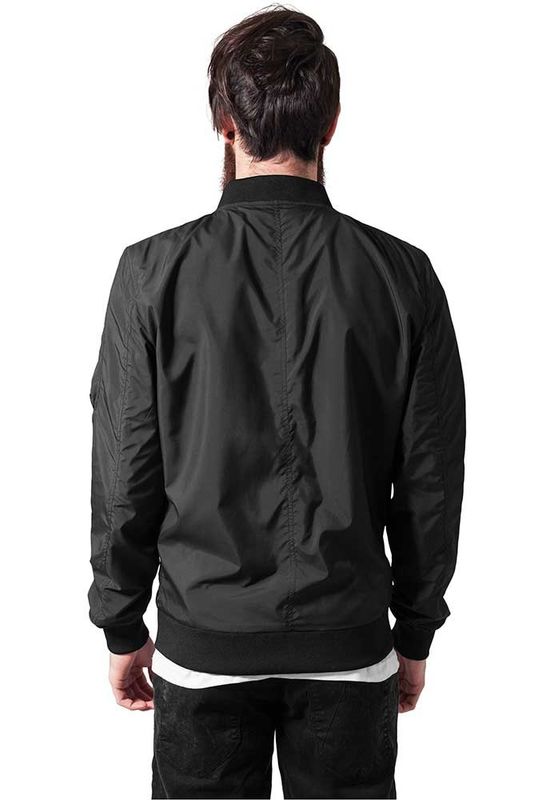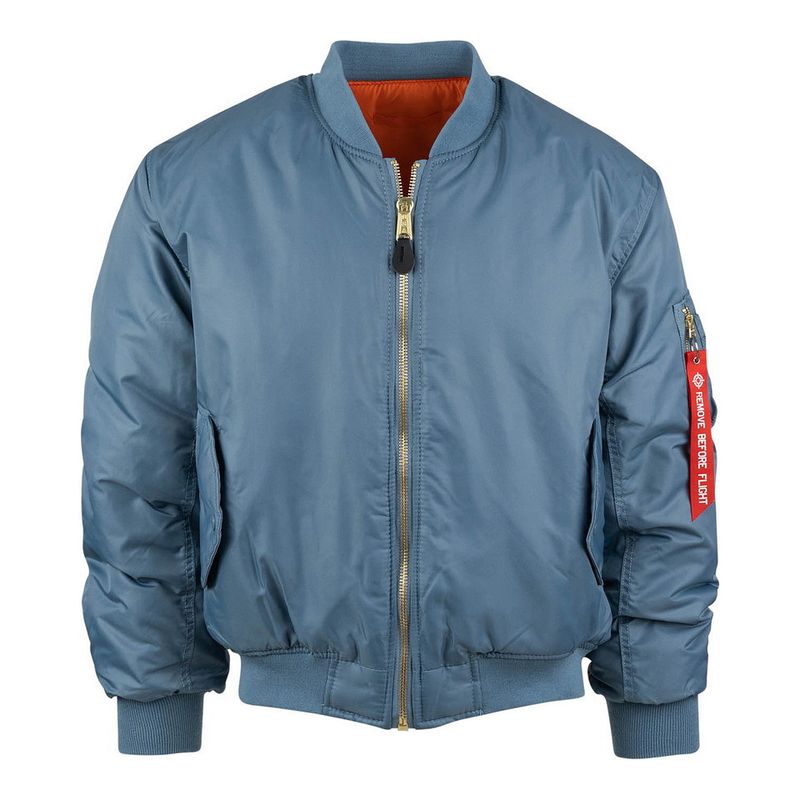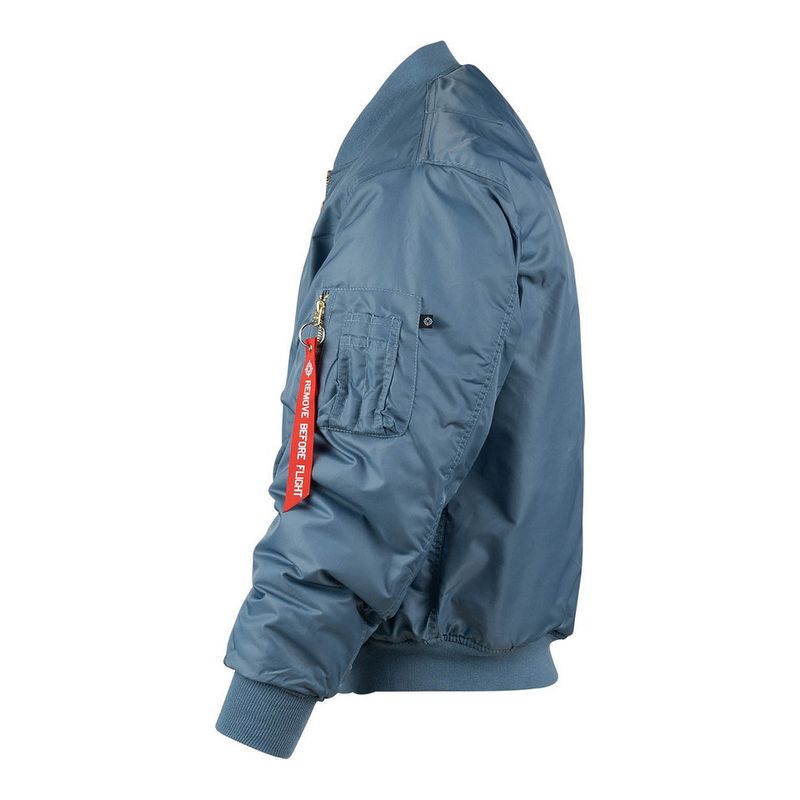
Men’s bomber jackets
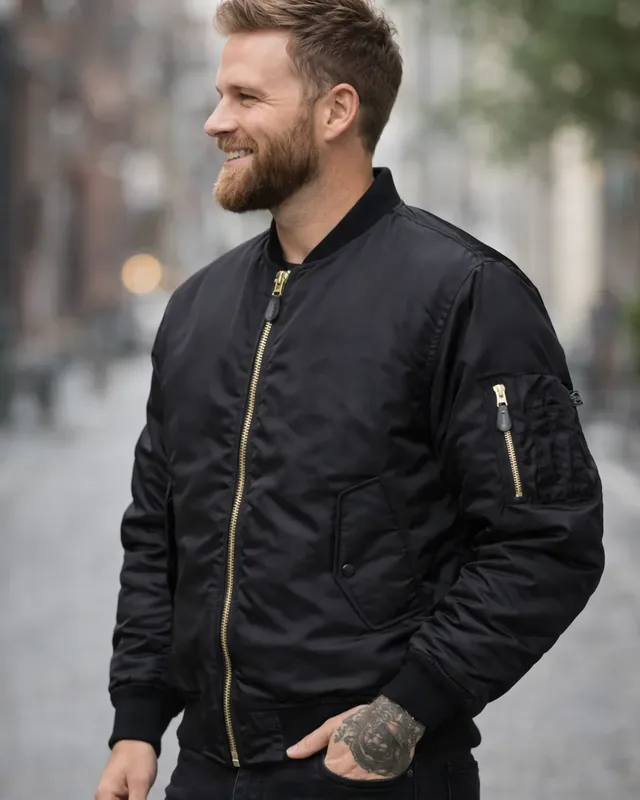
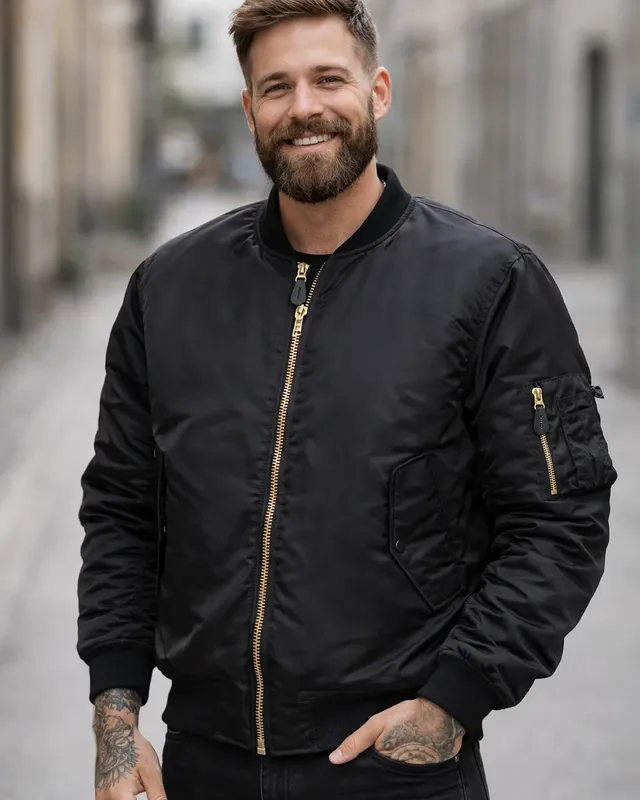
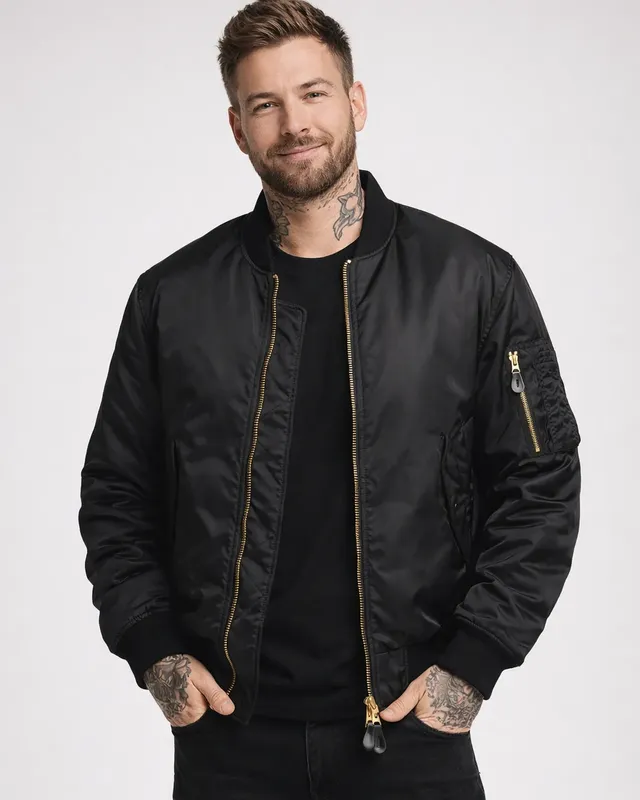
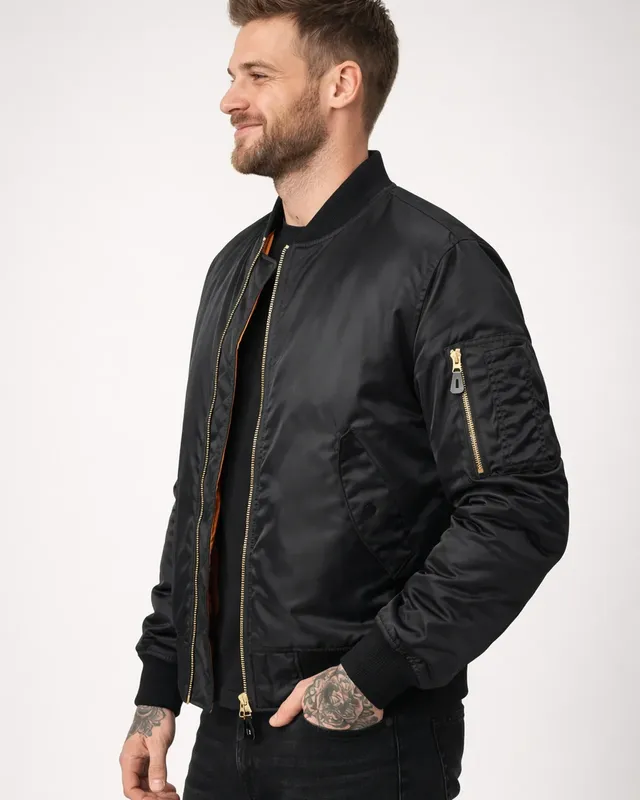
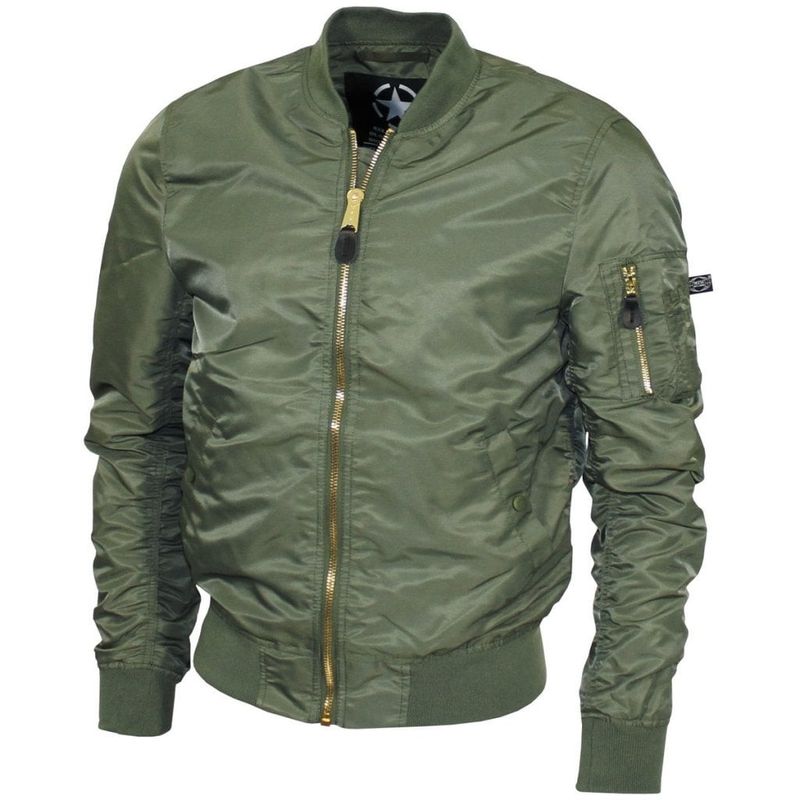
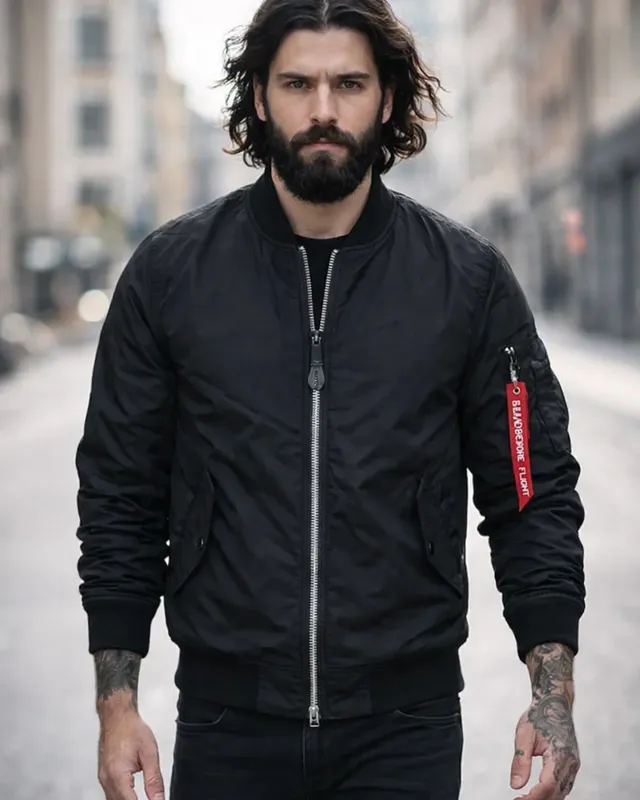
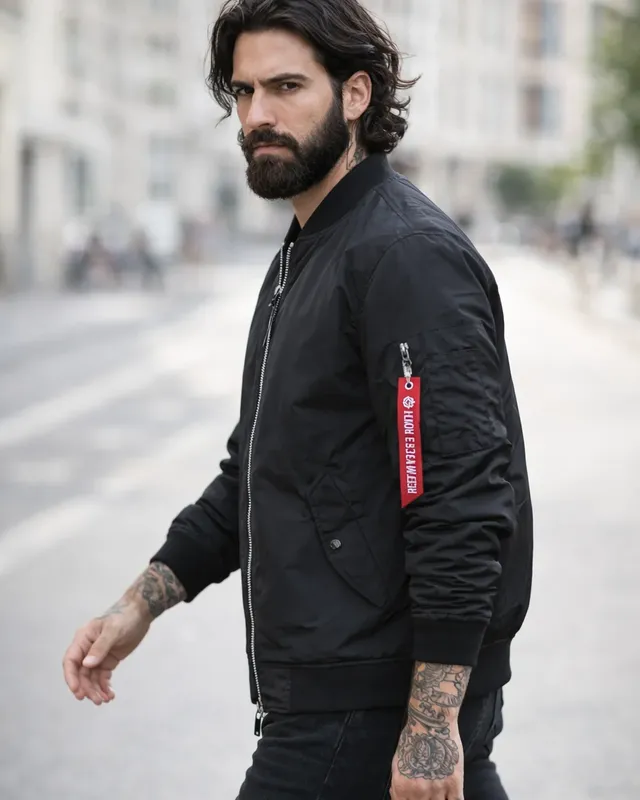
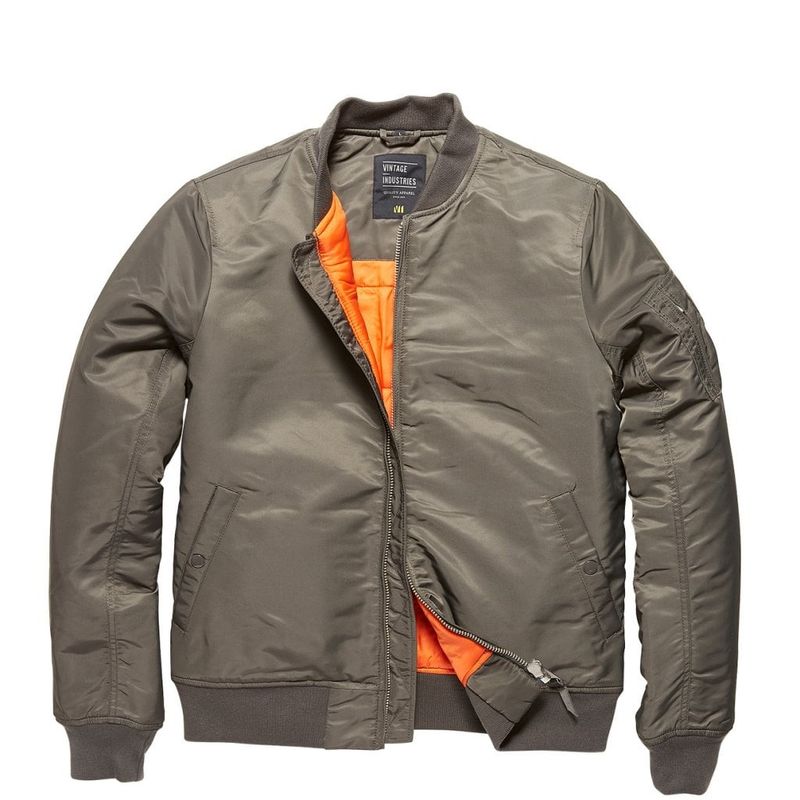
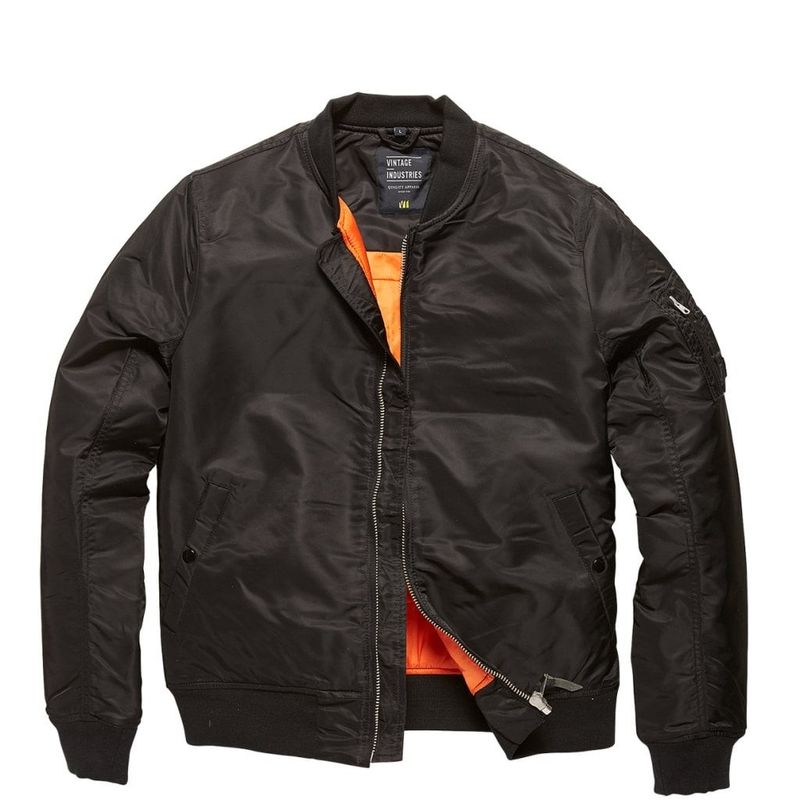
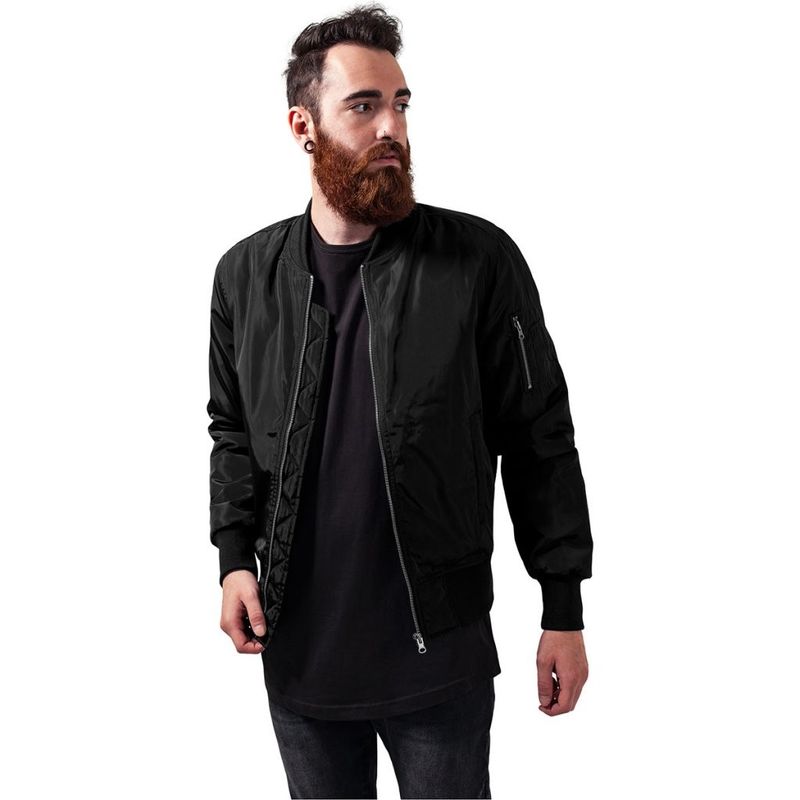
Men’s and unisex bomber jackets with MA-1 styling, ribbed finishes and their own attitude. Compare rounded and closer-fitting cuts, lining, hoods and collars to find the right bomber for your layers and style.
Men’s and unisex bomber jackets with MA-1 styling, ribbed finishes and their own attitude. Compare rounded and closer-fitting cuts, lining, hoods and collars to find the right bomber for your layers and style.
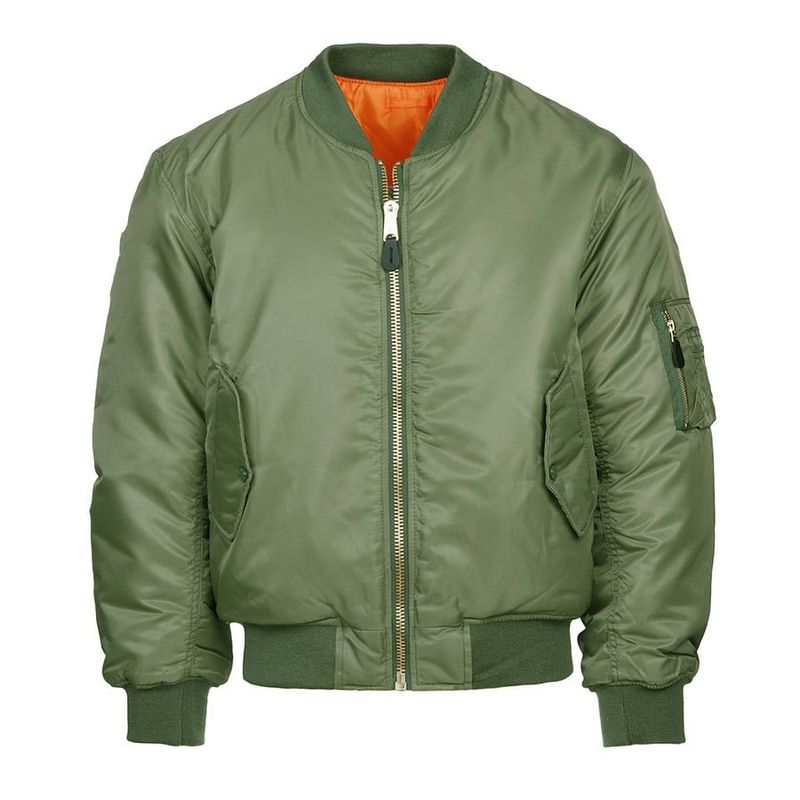
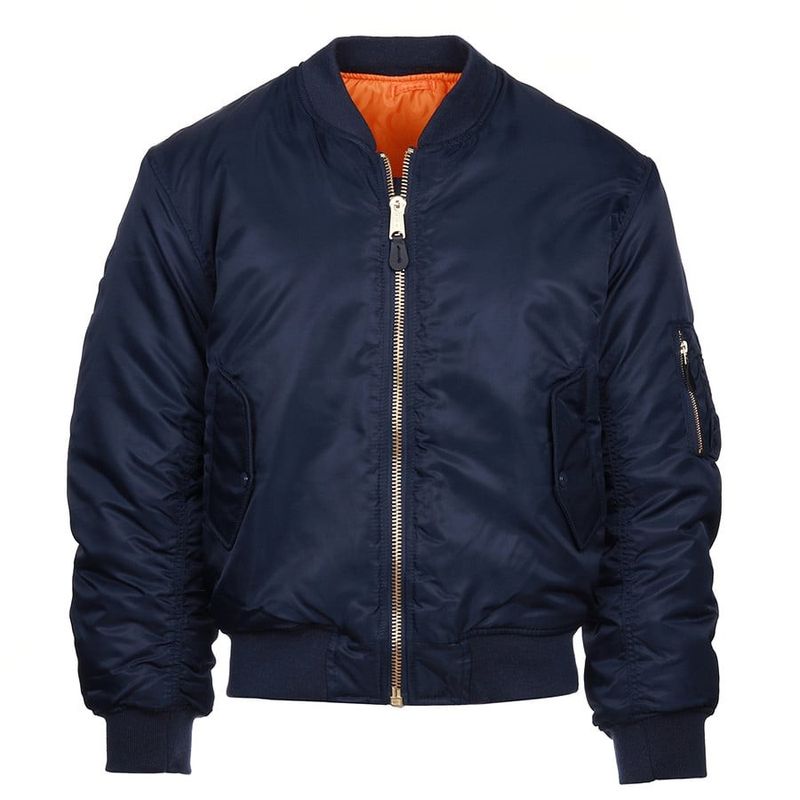
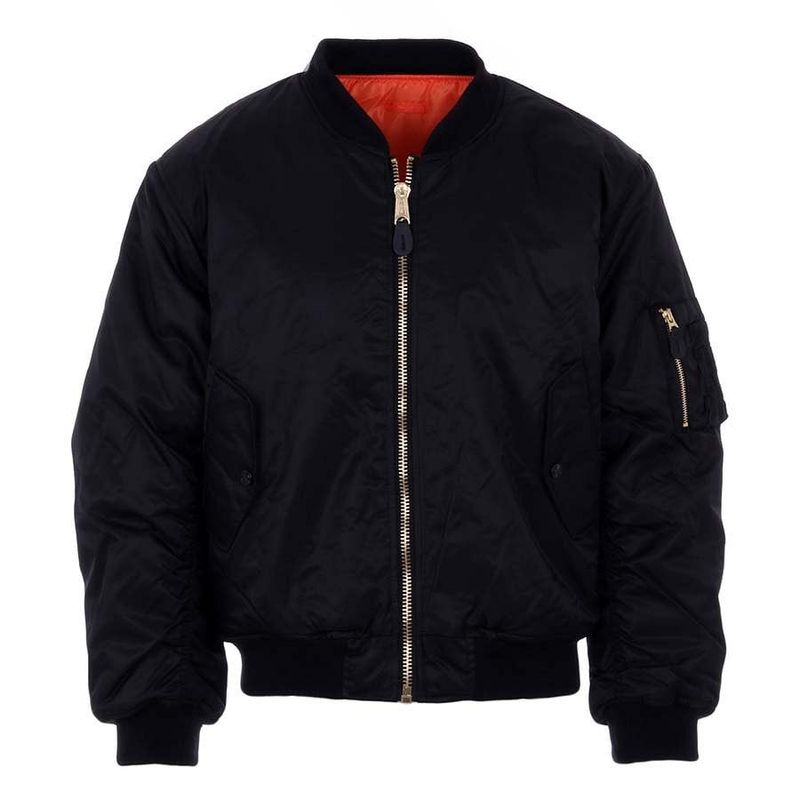
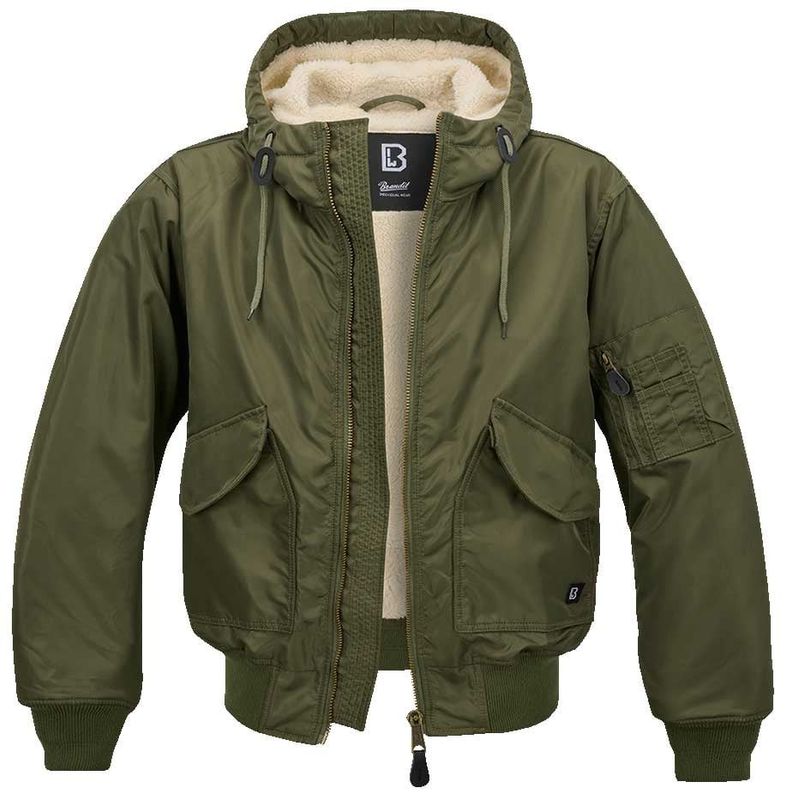
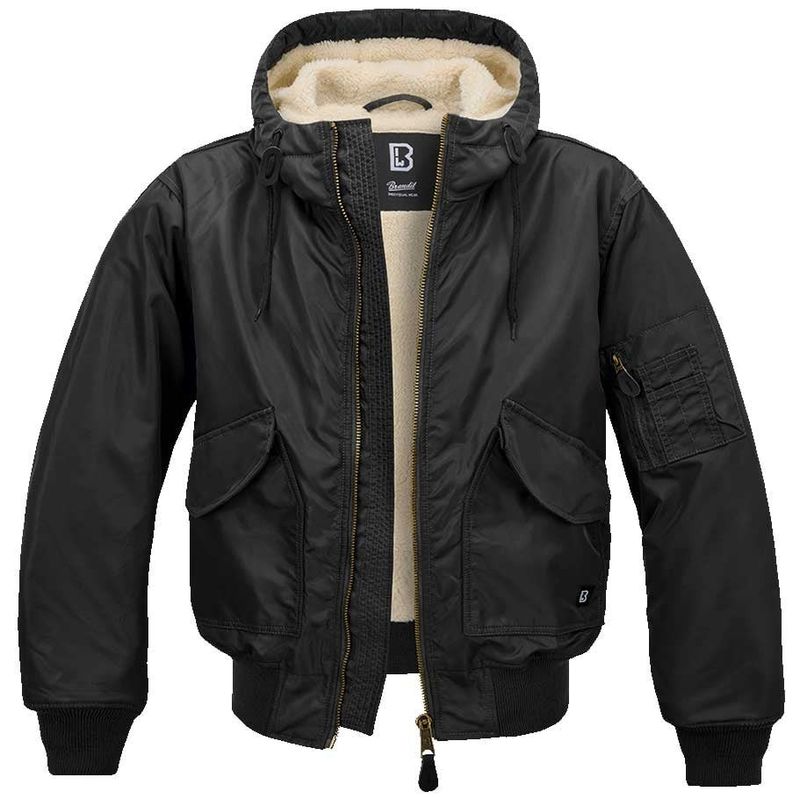
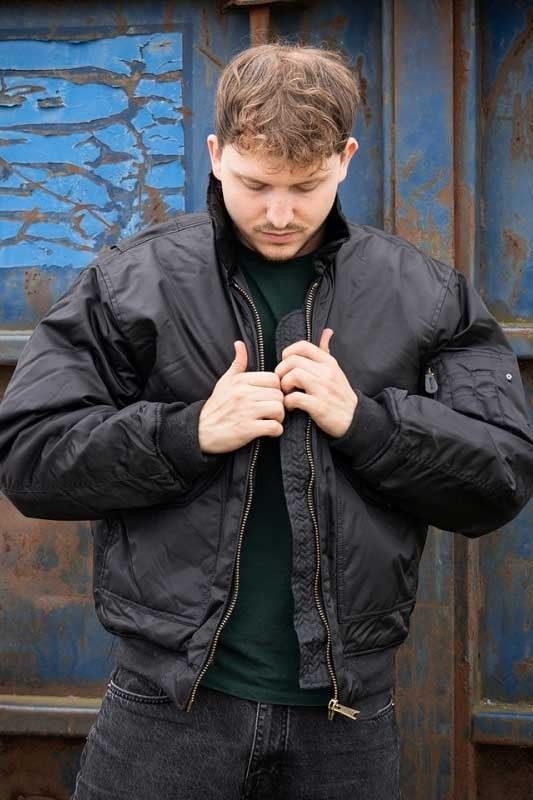
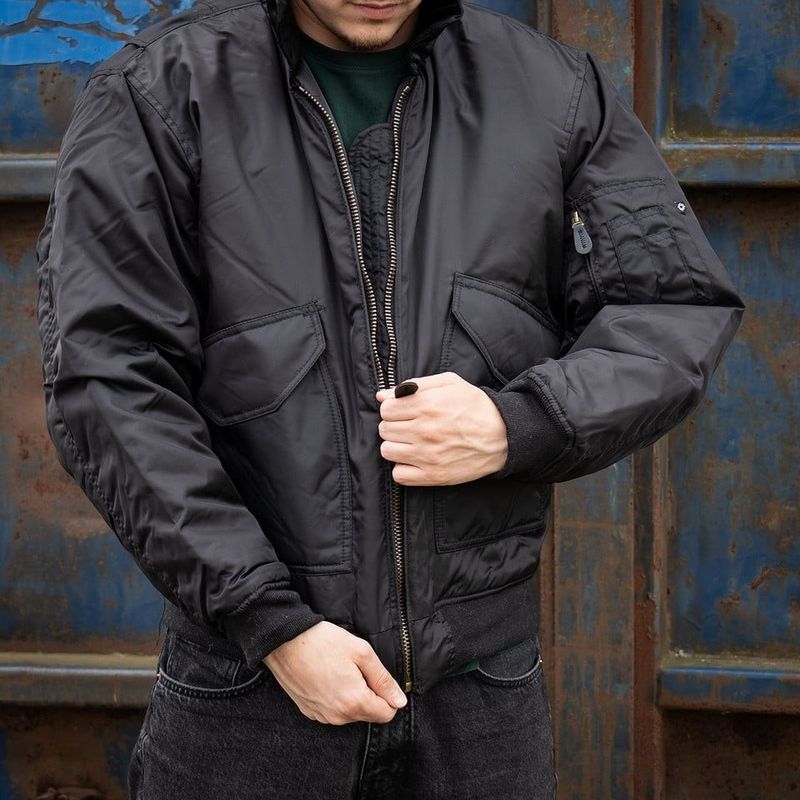
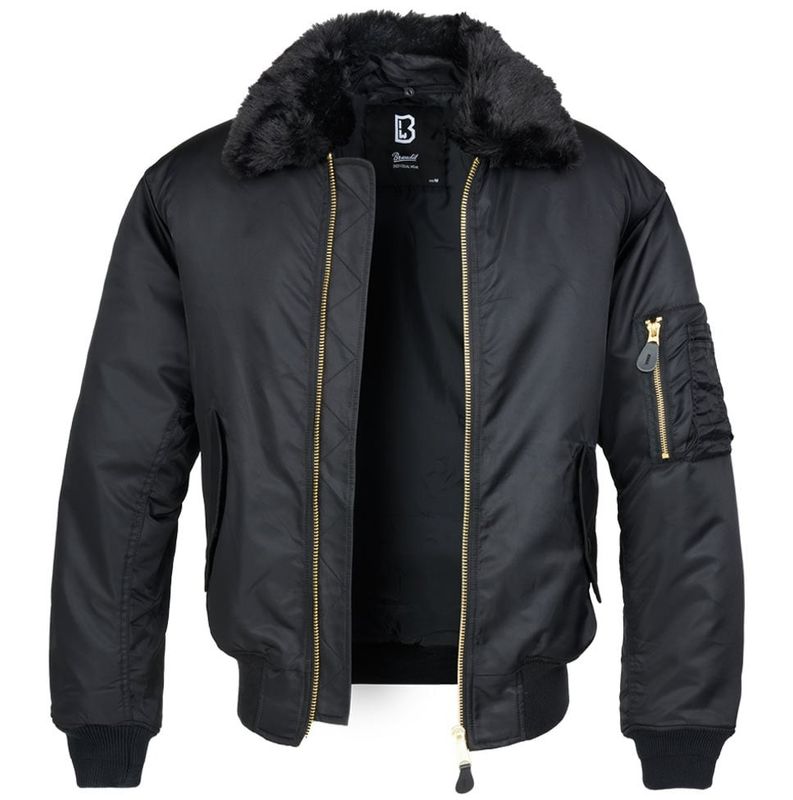
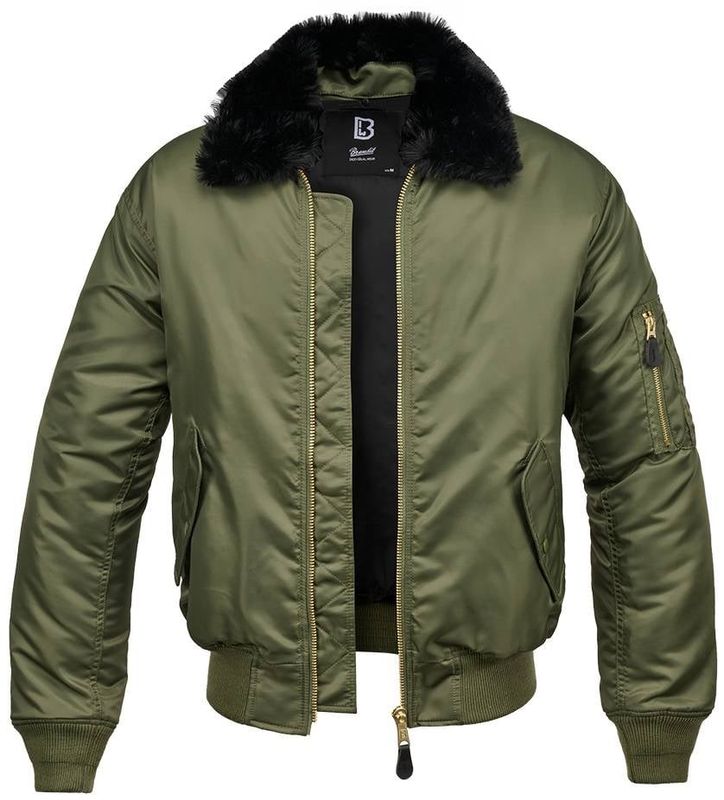
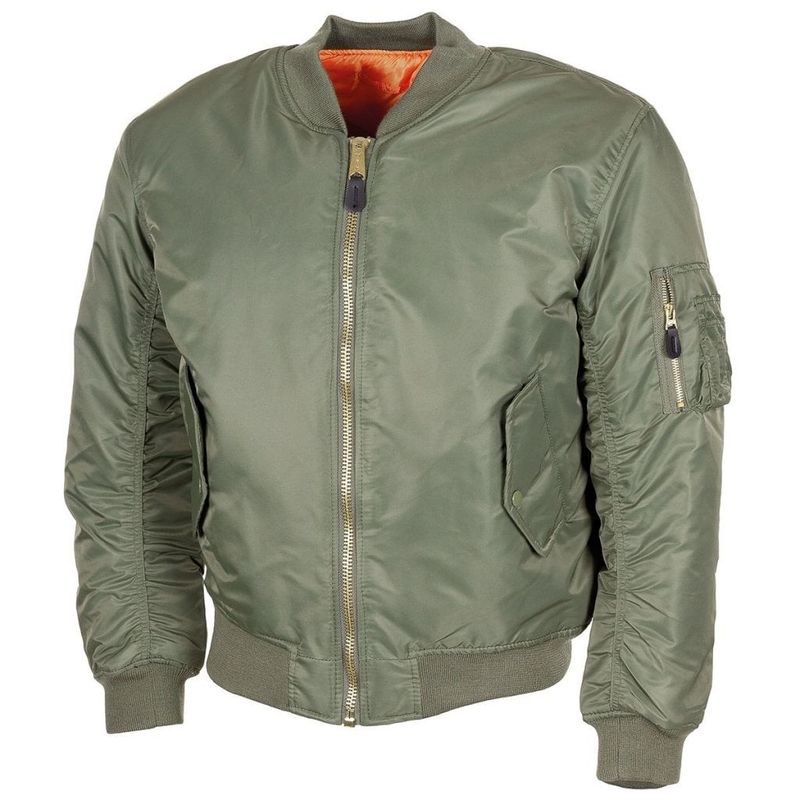
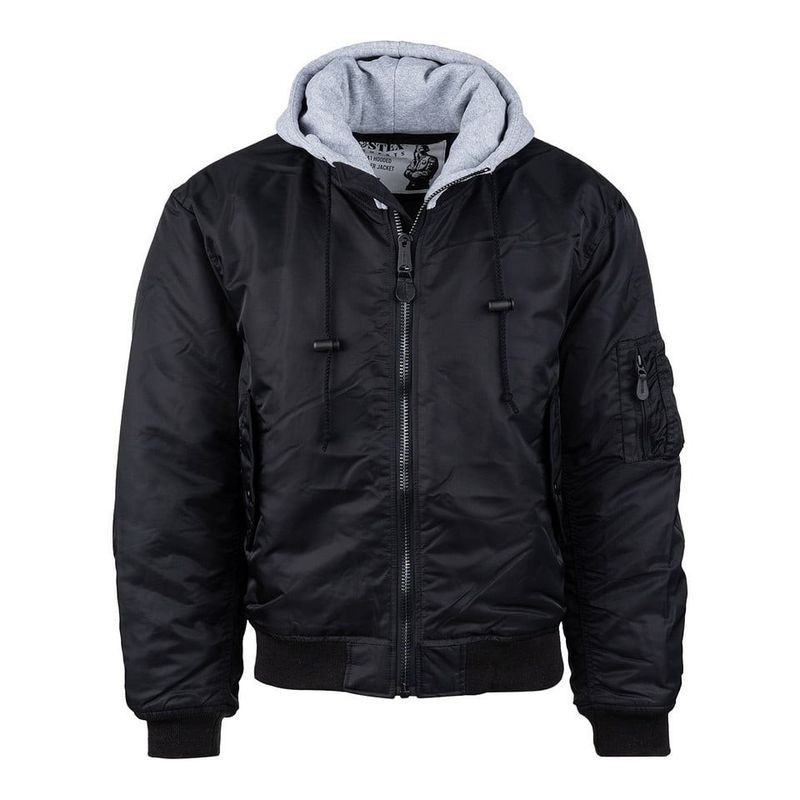
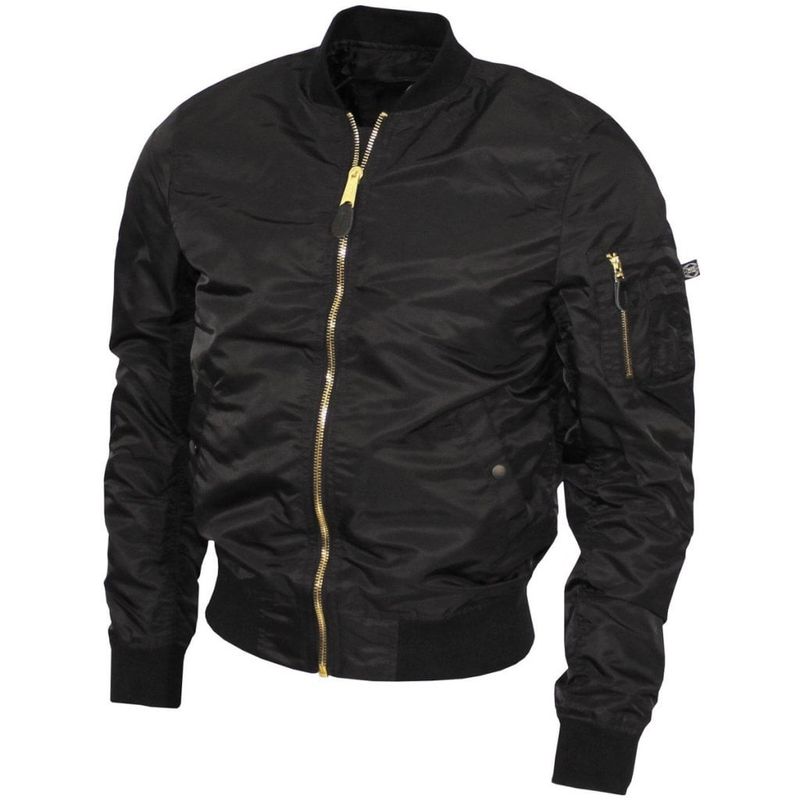
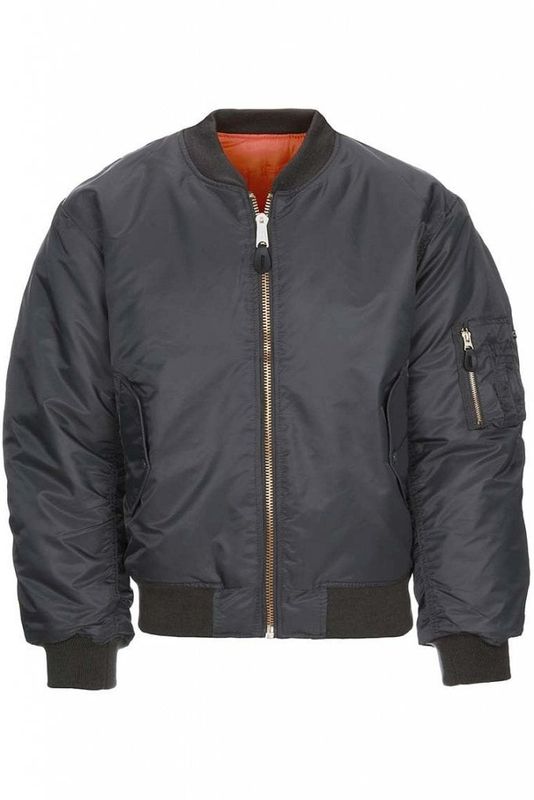
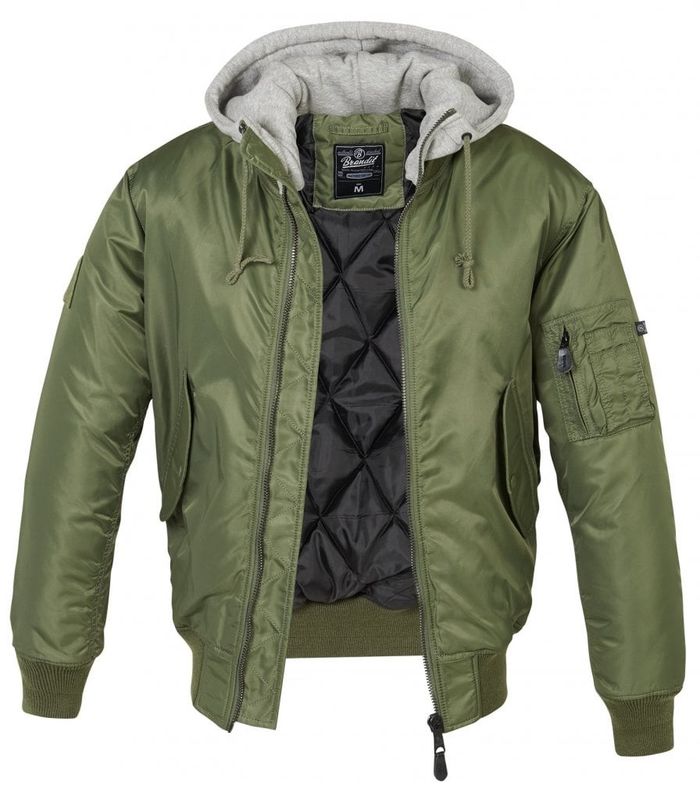
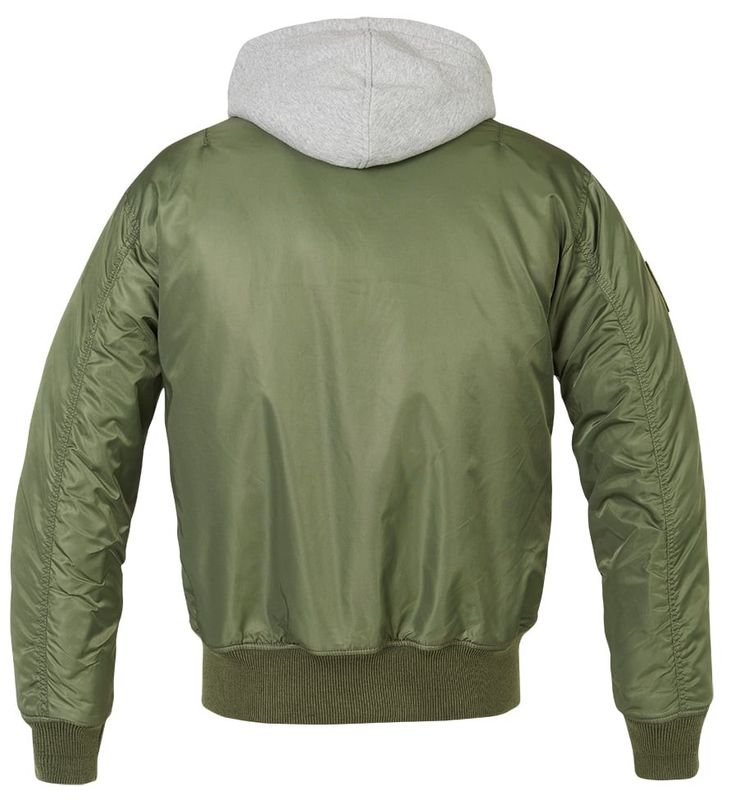
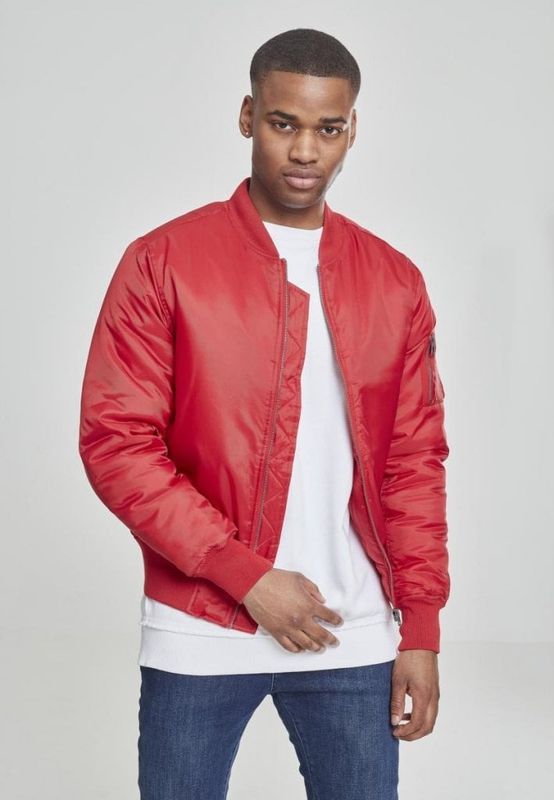
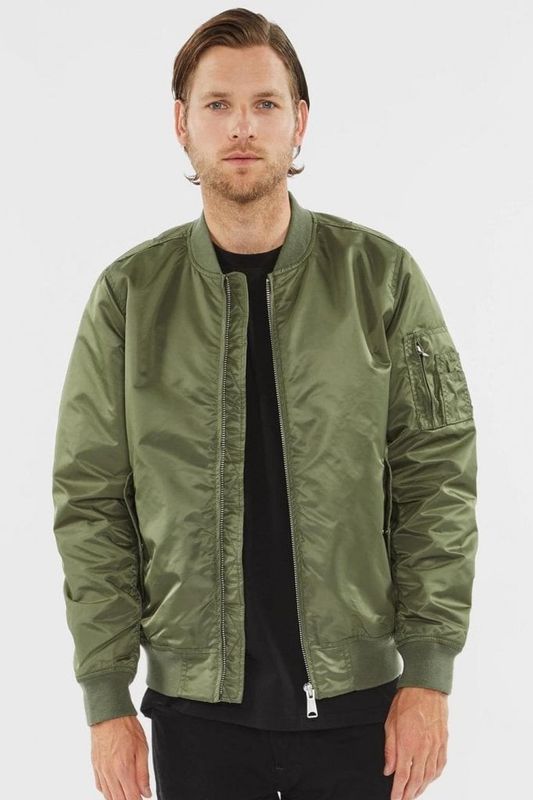
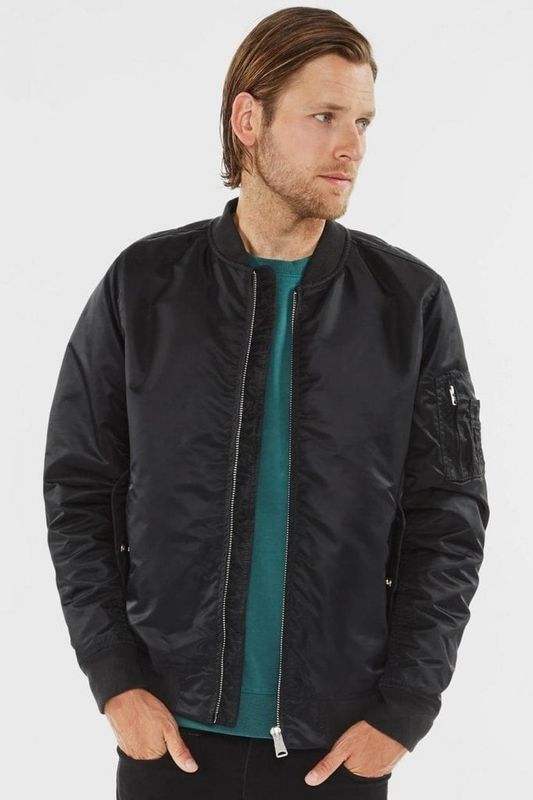
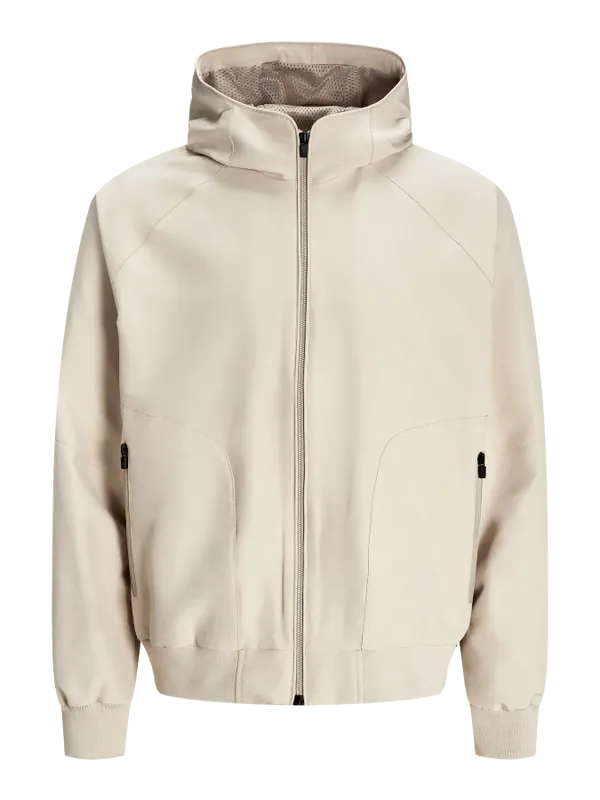
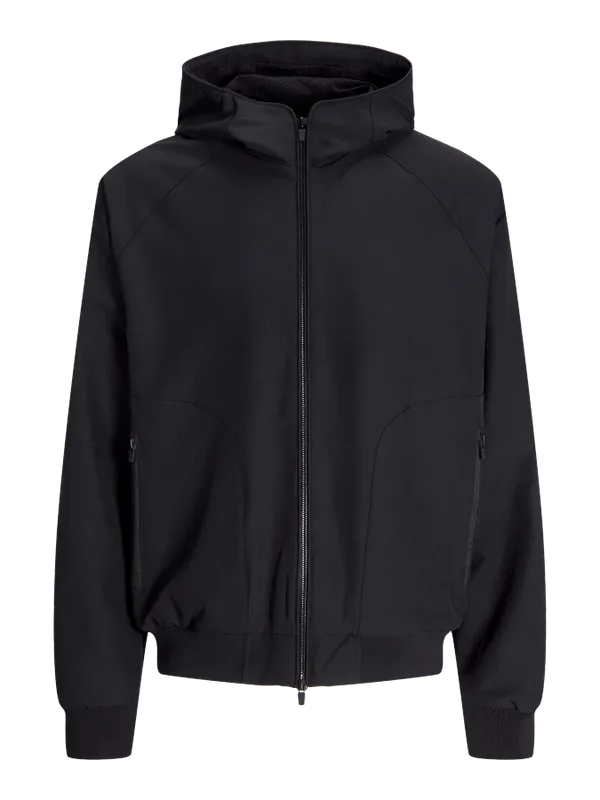
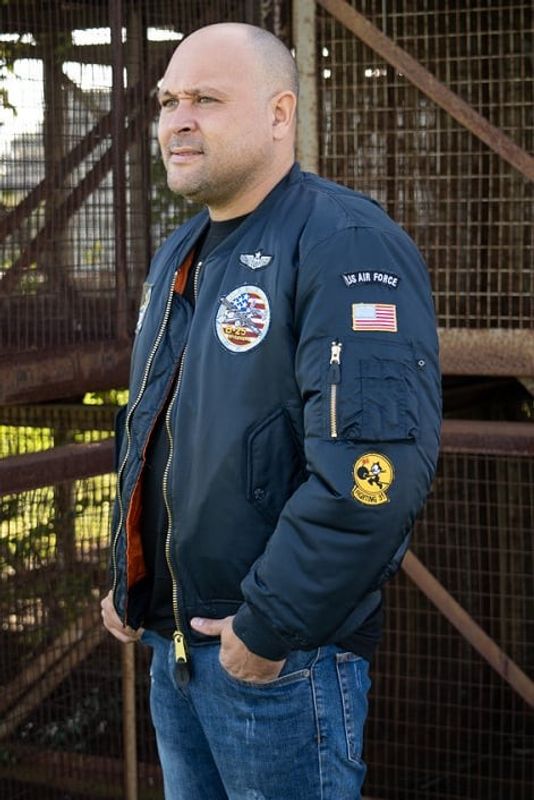
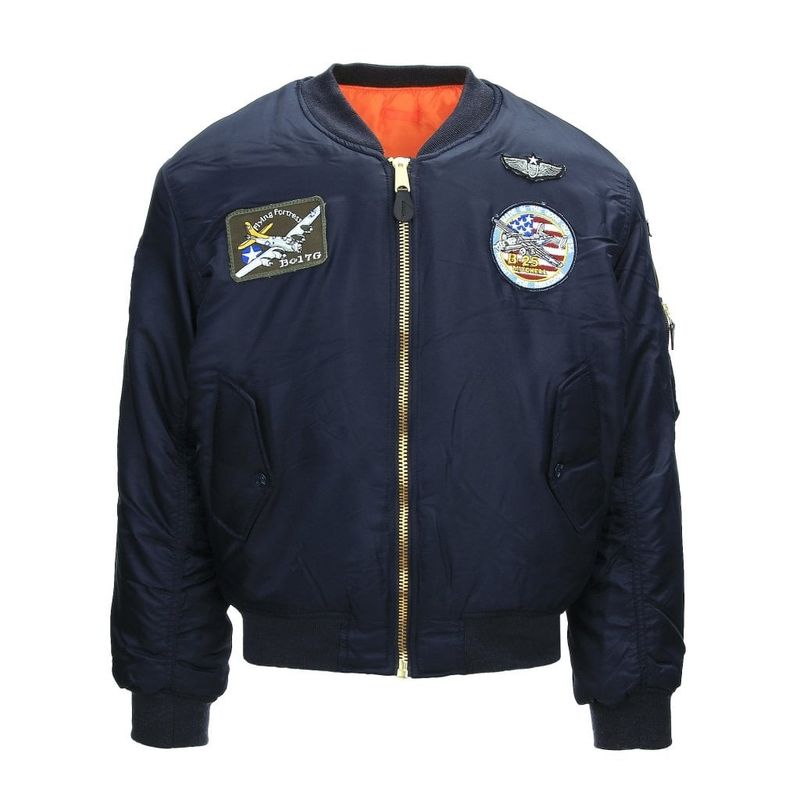
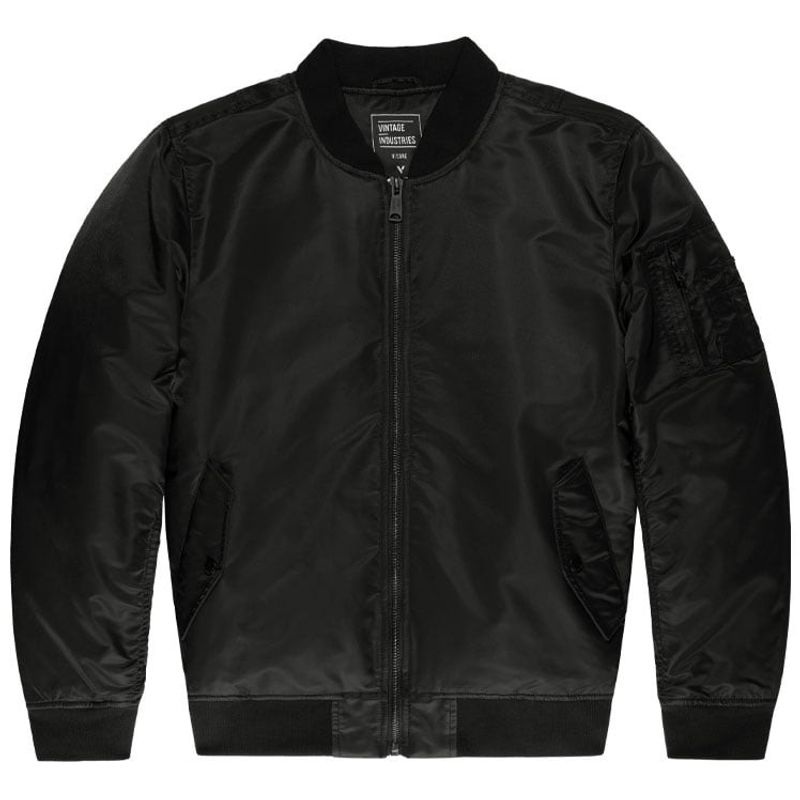
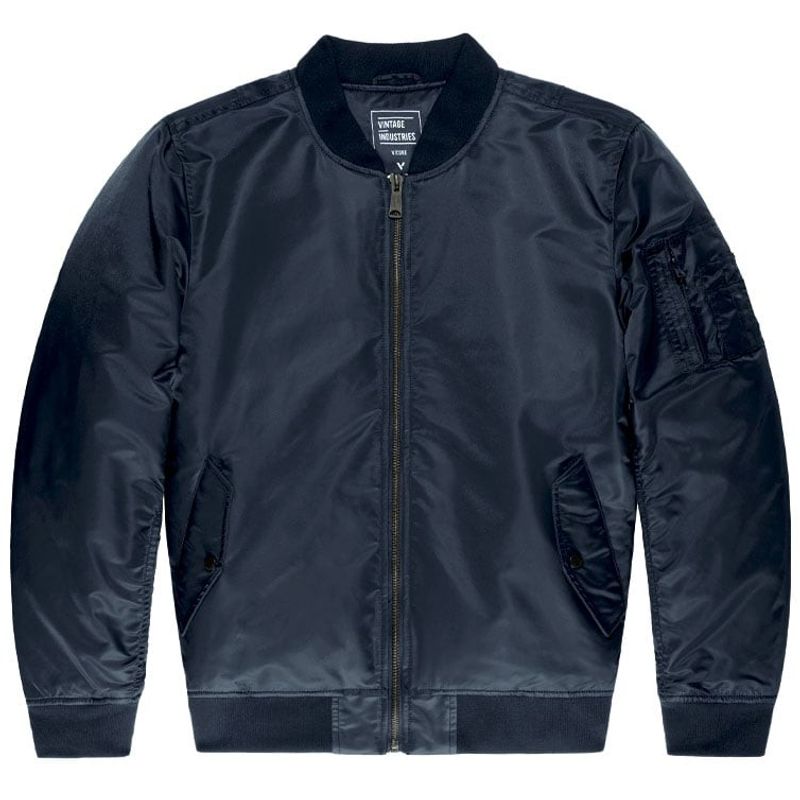
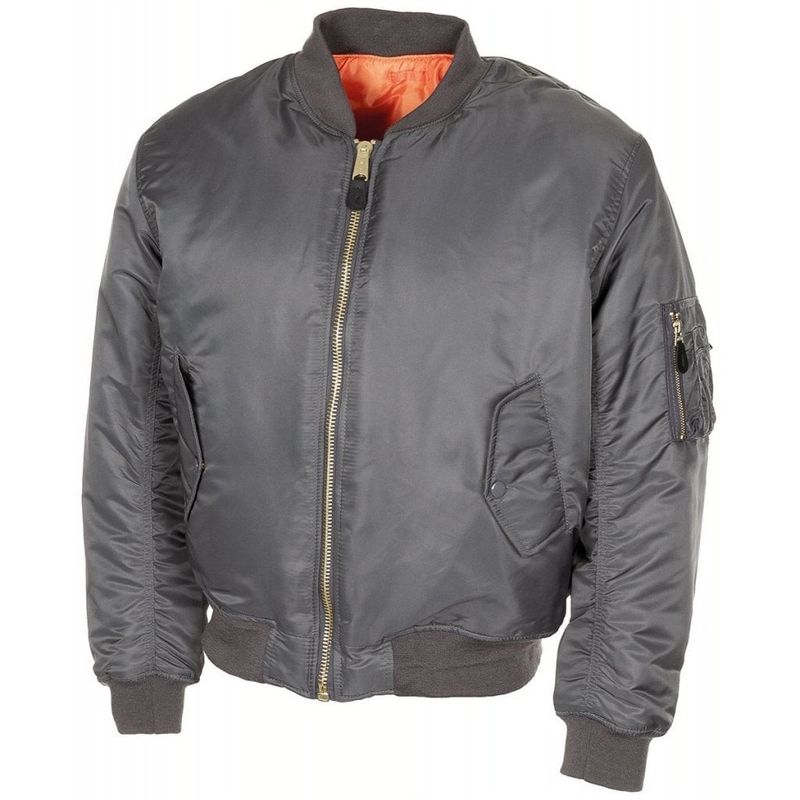
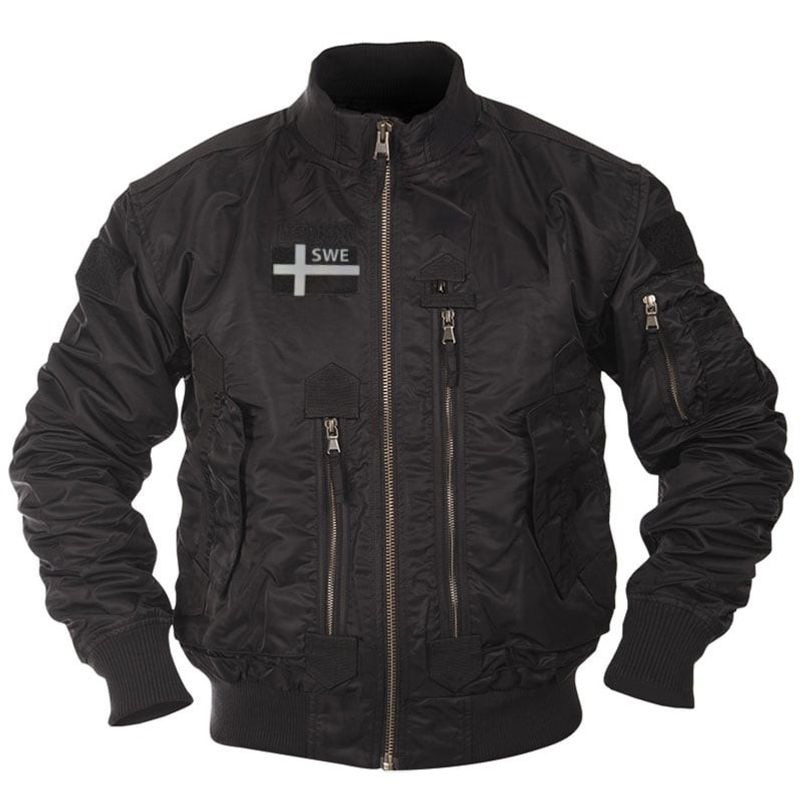
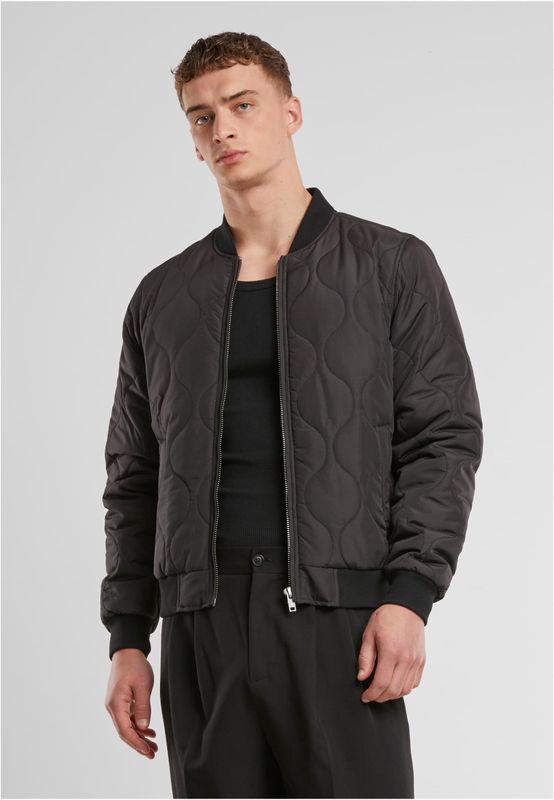
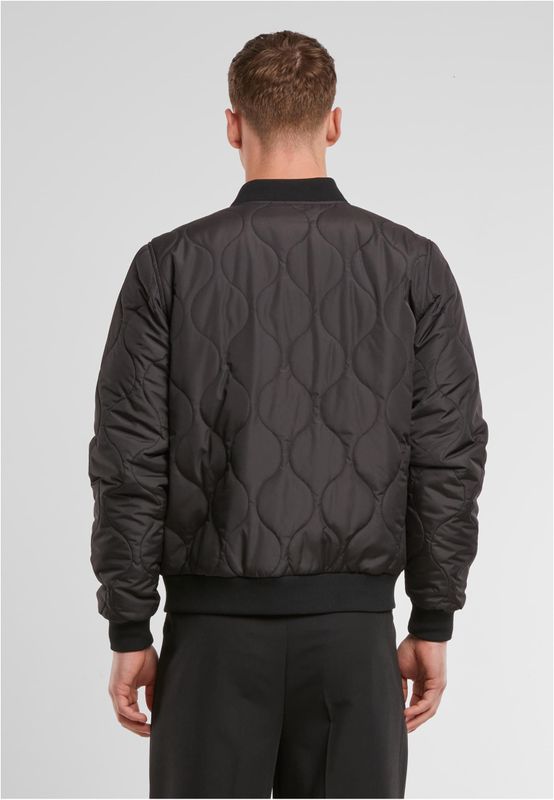
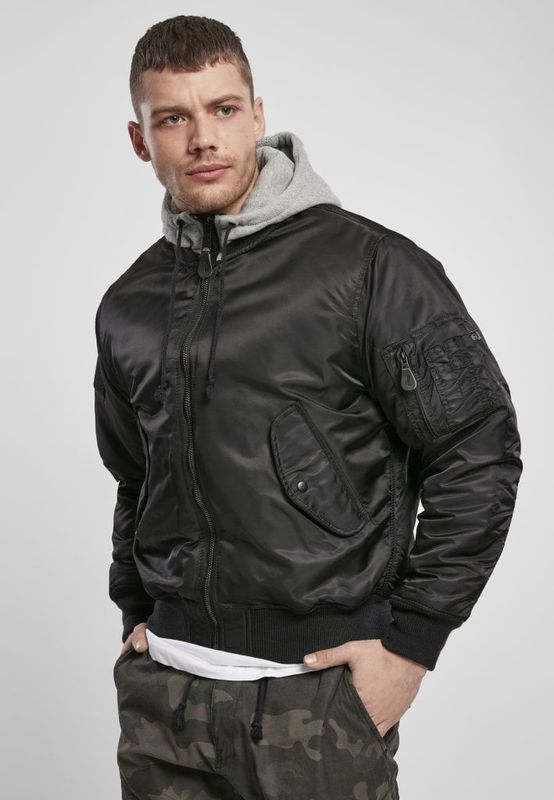
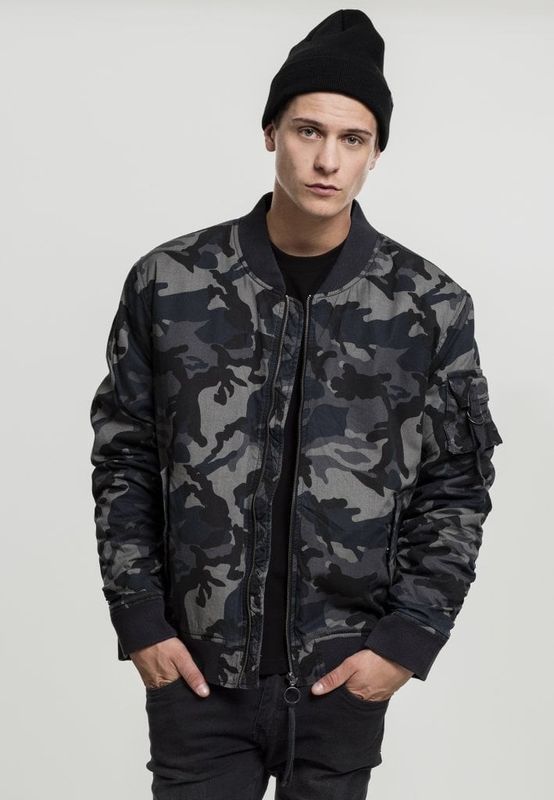
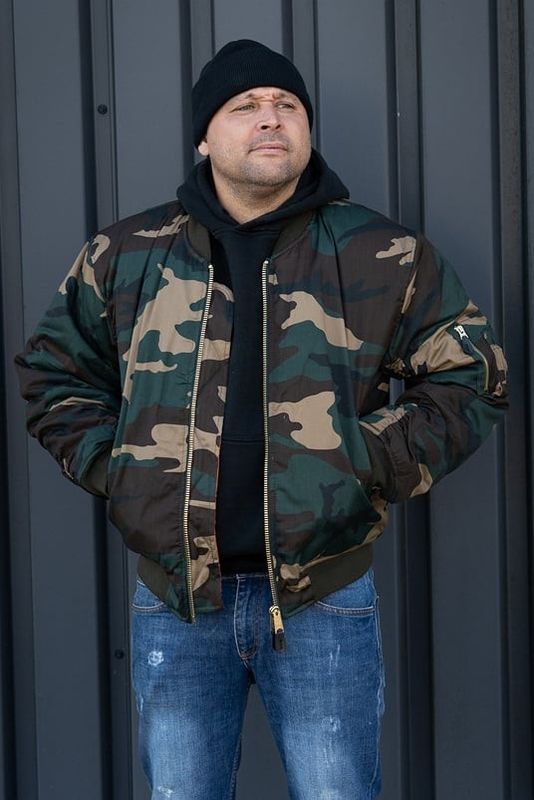
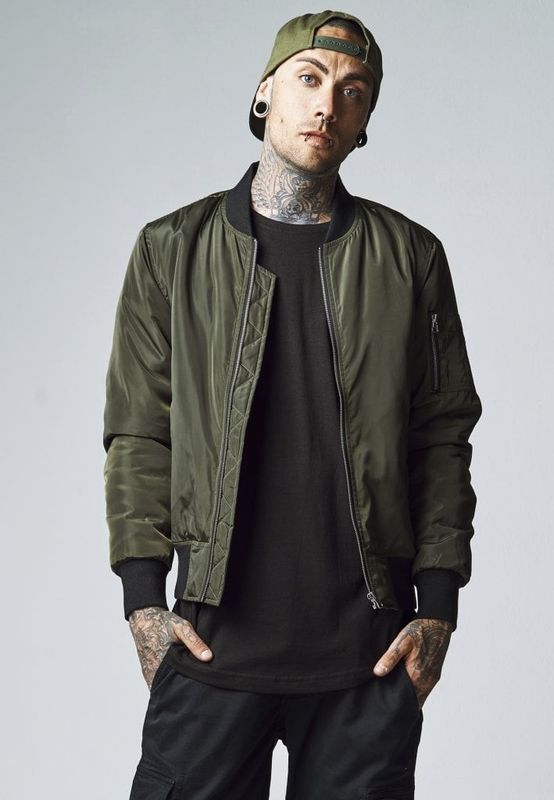
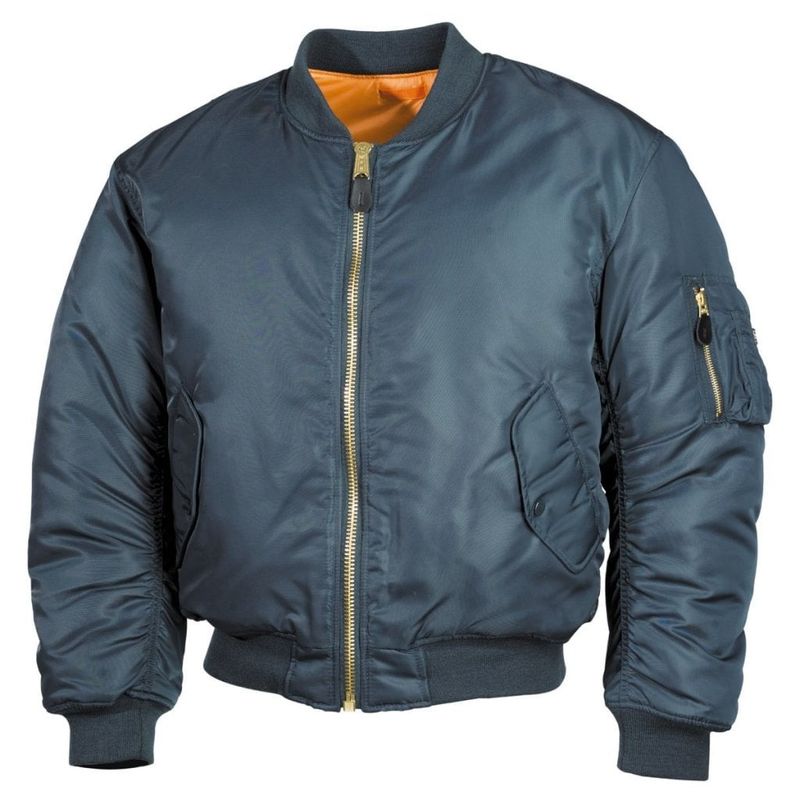
A bomber jacket is often recognised by its front zip and ribbed cuffs and hem. MA-1 is a familiar variation, but bomber jackets also come in closer-fitting cuts, with hoods or raised flight-style collars. Start with the shape you want, then compare the lining.
Compare lining and padding separately when choosing between a lighter bomber and a warmer design. A smooth inner lining is not the same as insulating fill. Teddy lining and padding also take up more space when layering.
Choose a lighter construction when you want to adjust the clothing underneath. For cooler days, check explicit padding and lining information. Bomber styling or a nylon shell does not itself guarantee winter warmth or waterproofing.
The jacket should fasten over your intended top without pulling across your chest or back. A rounded bomber should retain volume above the hem; a slimmer cut should still let you reach forwards. Use the design’s measurements rather than a fixed rule about sizing up or down.
If garment measurements are provided, lay a well-fitting jacket flat and compare chest width, back length and sleeve length from the same points. A chest width of 60 cm compared with 58 cm gives 2 cm extra across, roughly 4 cm around the garment. A body-measurement chart should instead be compared with your body.
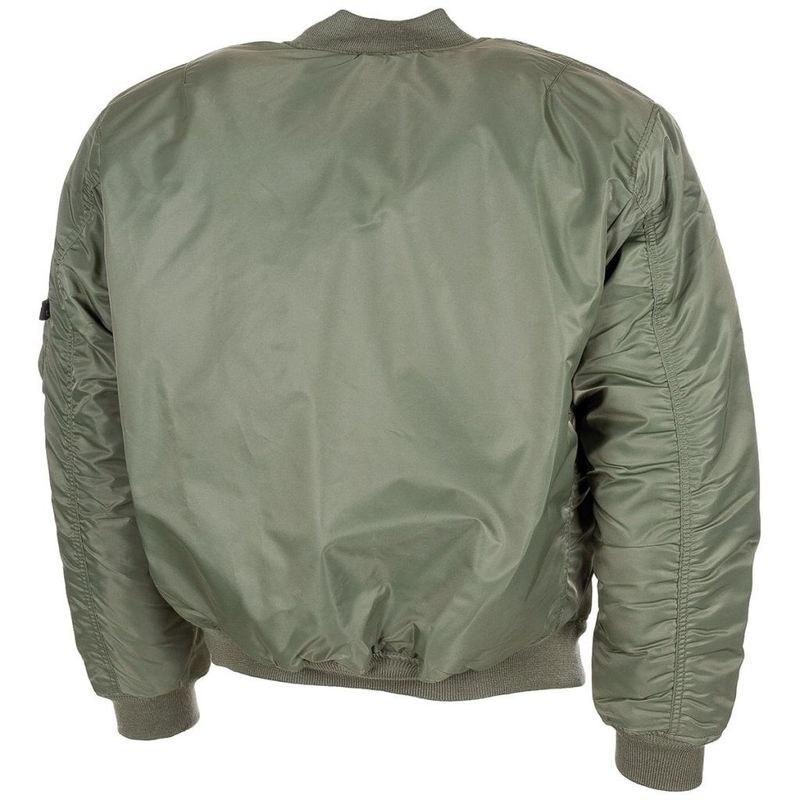
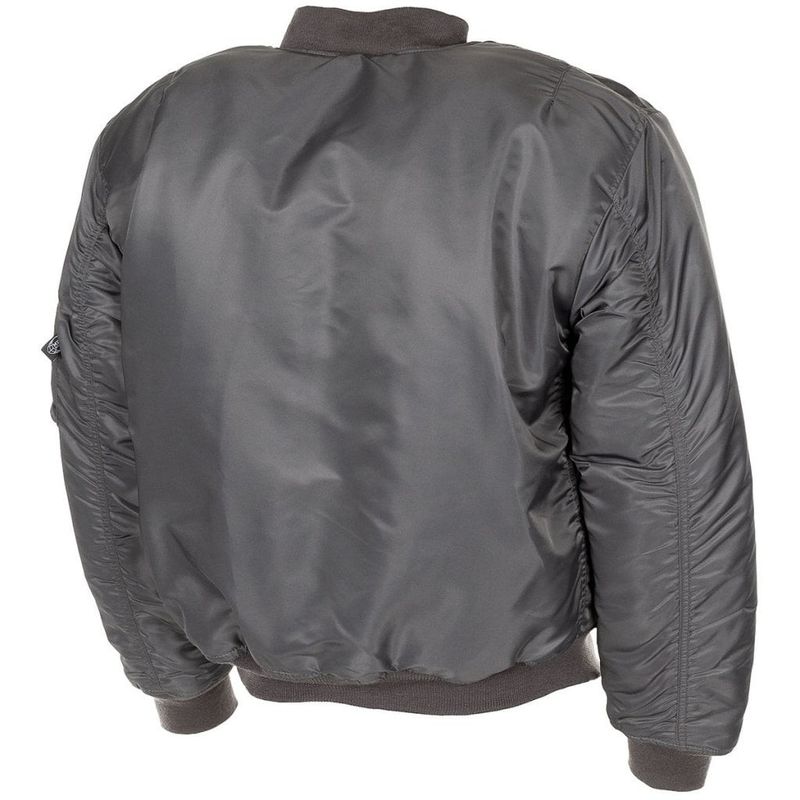
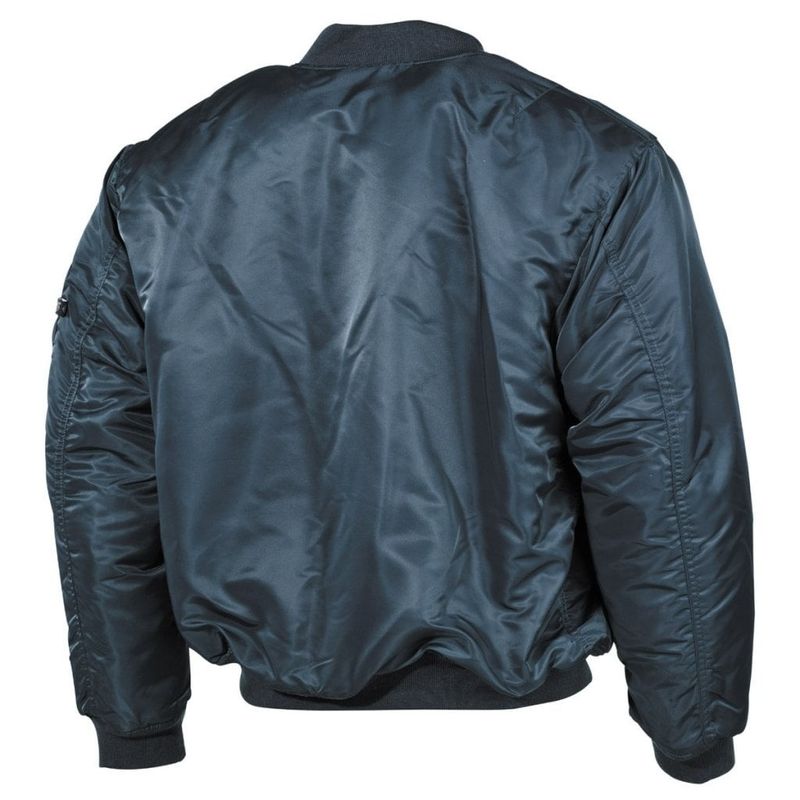
Use back length to judge where the hem falls against your waist and hips. Try it fastened, raise your arms and sit down; the hem should not catch so high that the jacket feels uncomfortable. A longer top can show below a short bomber. Compare actual garment lengths if you want to avoid that.
The composition tells you what the outer fabric contains; satin, imitation suede and colour names describe different things. This range includes nylon, polyester, cotton and blends. Read the lining and ribbing compositions too.
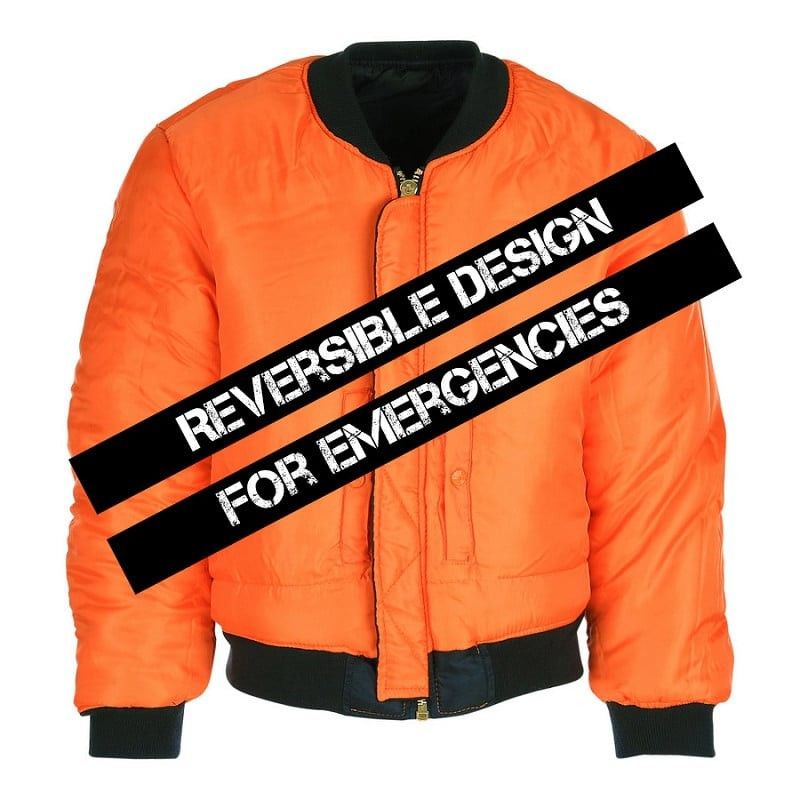
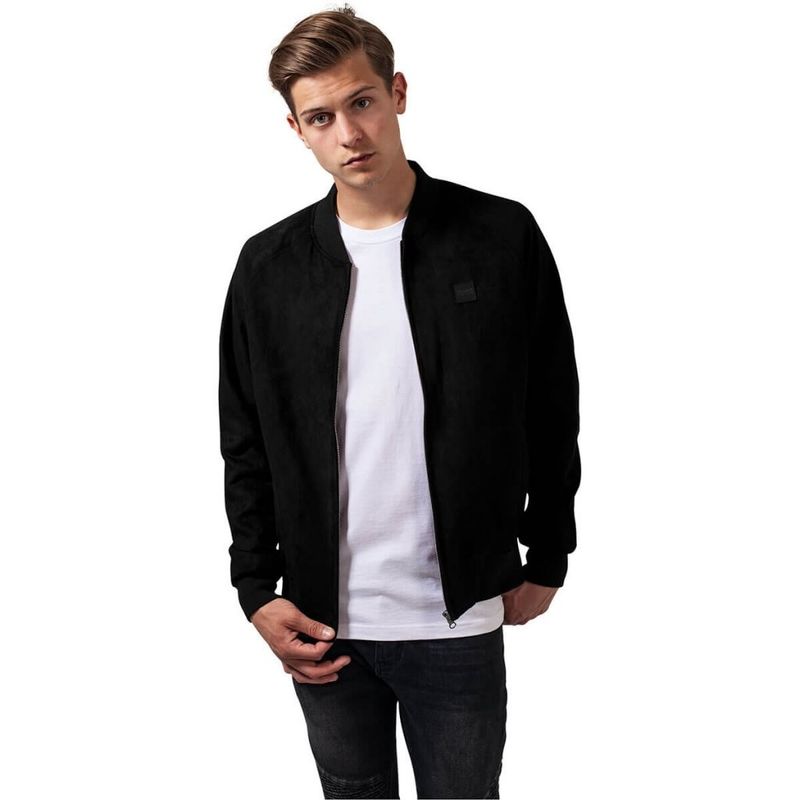
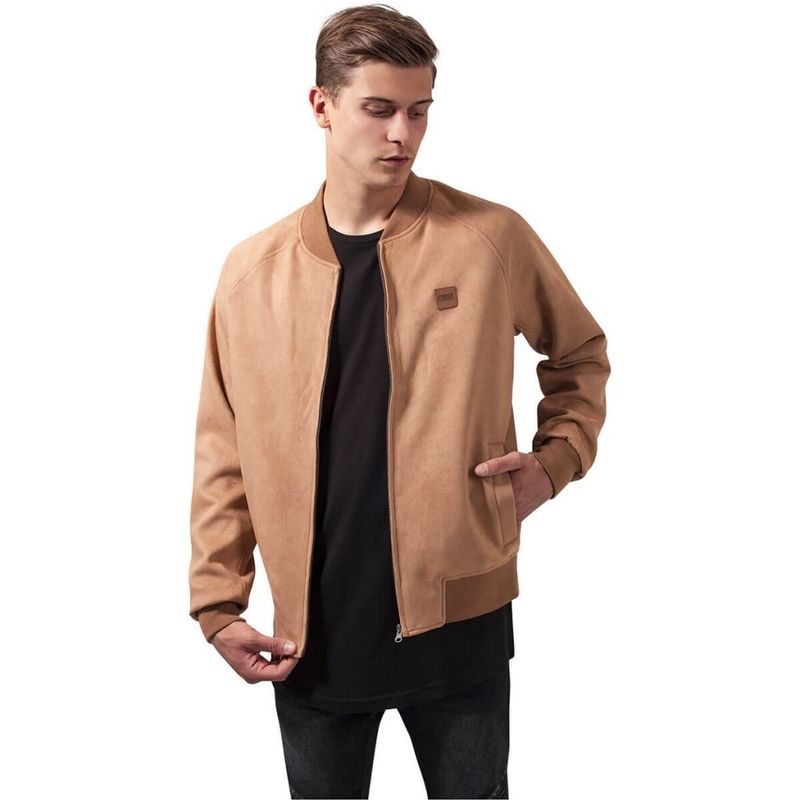
Satin describes a weave with a shinier surface rather than automatically meaning silk. Imitation suede is not genuine suede leather. Orange lining is a distinct MA-1 detail, but the colour does not prove a jacket is reversible or military-original clothing. Check those features separately.
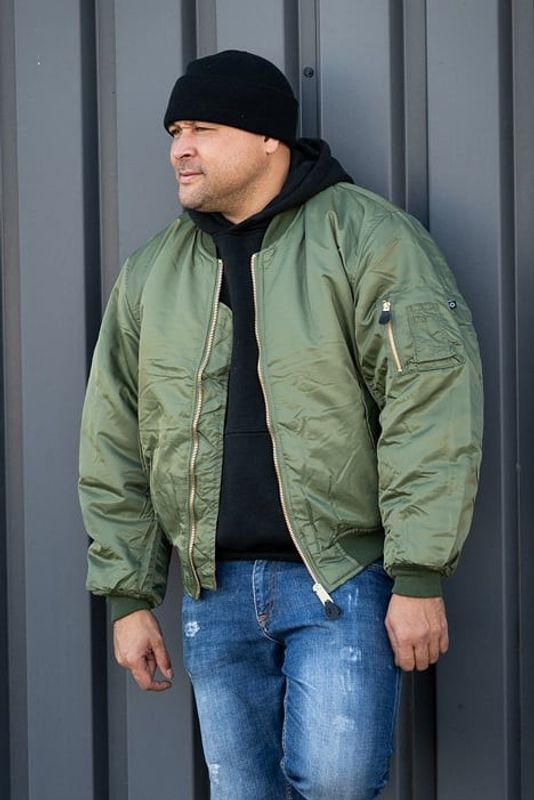
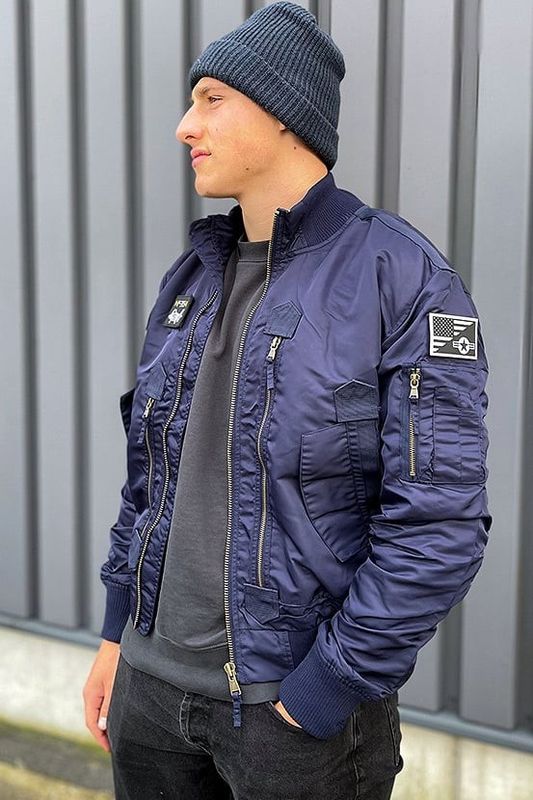
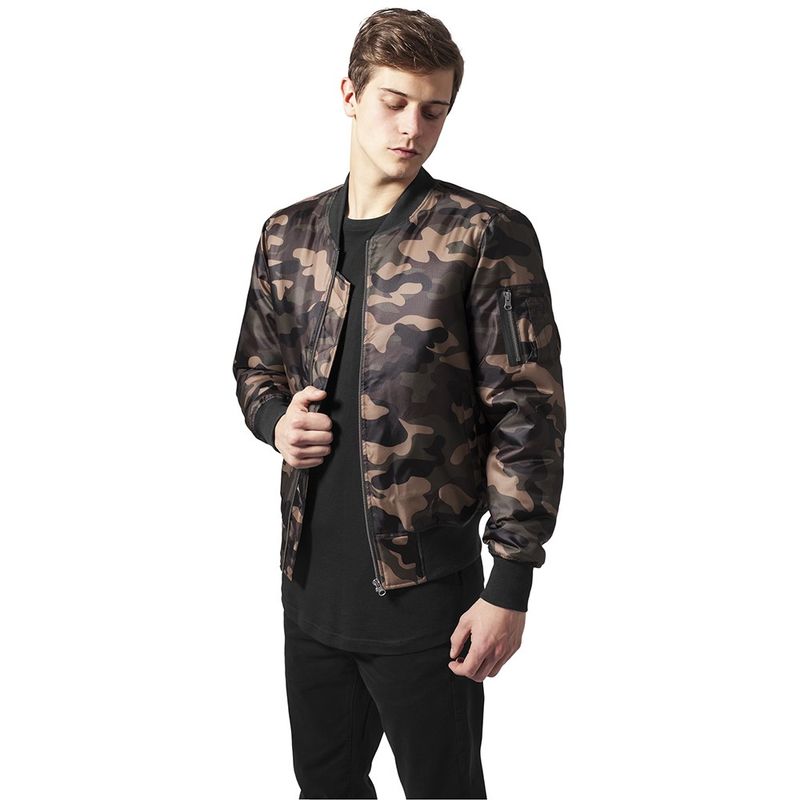
Let the jacket’s volume guide your layers. A closer-fitting bomber is easier to wear over a thinner top, while a roomier design may allow space for a men’s hoodie. Try the complete combination before choosing your size.
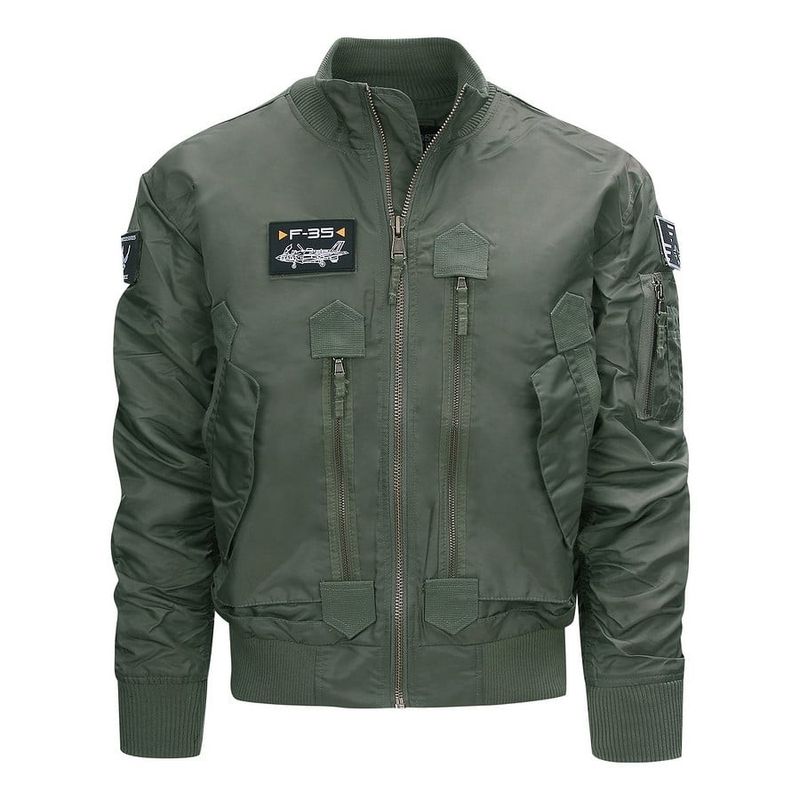
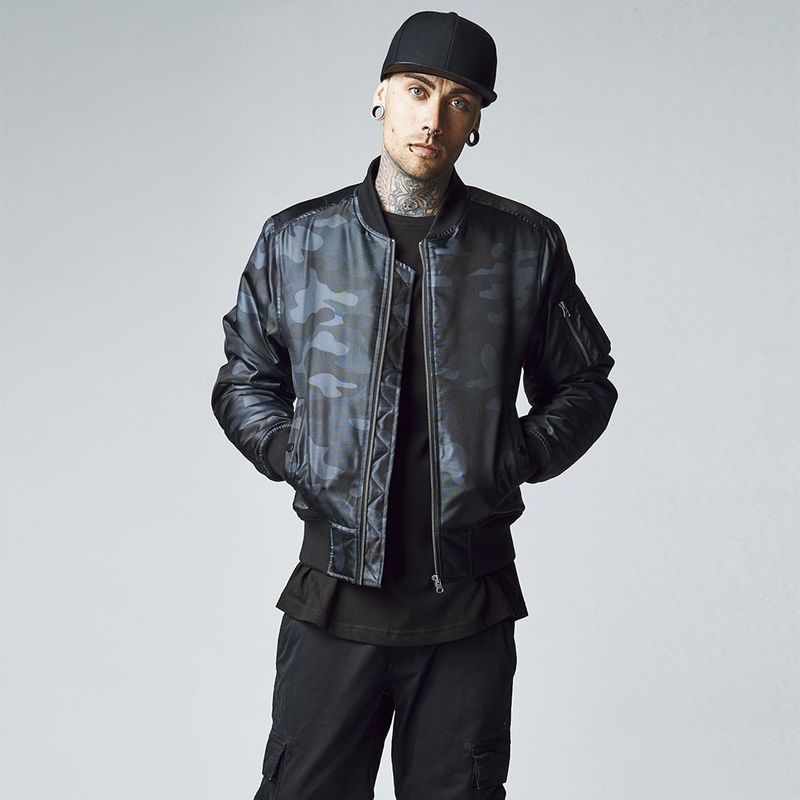
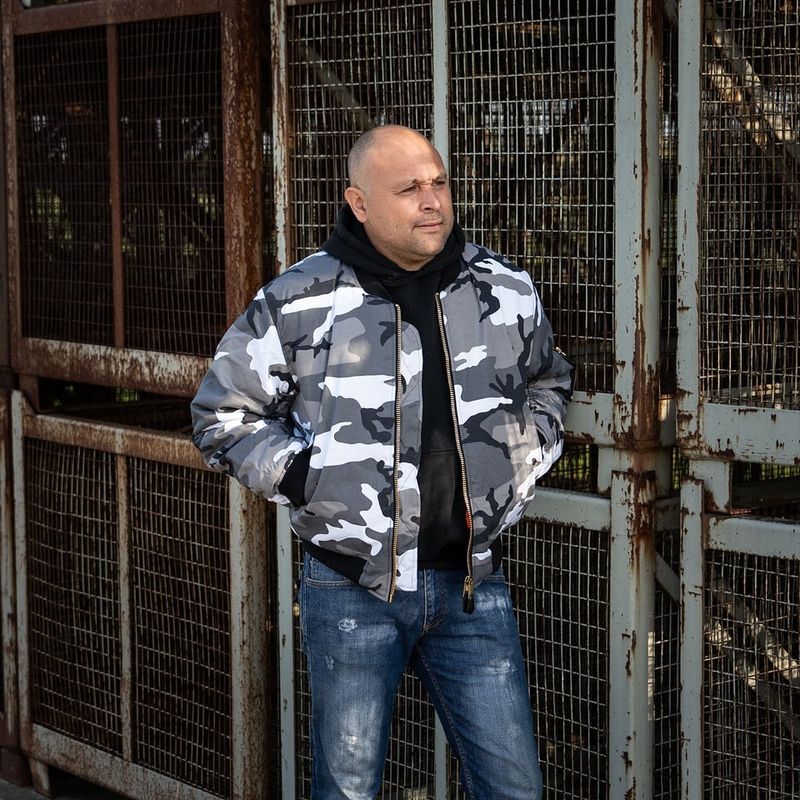
With camouflage or embroidered patches, a simpler top and trousers let the jacket stand out. A plain bomber can frame more expressive clothing underneath. For other surfaces and cuts, compare our leather and faux-leather jackets or men’s denim jackets.
Follow the bomber jacket’s own care instructions. Outer fabric, padding, lining, hood and ribbing can need different treatment even when two jackets look alike.
Check before washing, drying with heat or removing a collar. Treat suede-look or coated surfaces according to their material instructions. Patches, prints and detachable parts can have separate guidance.