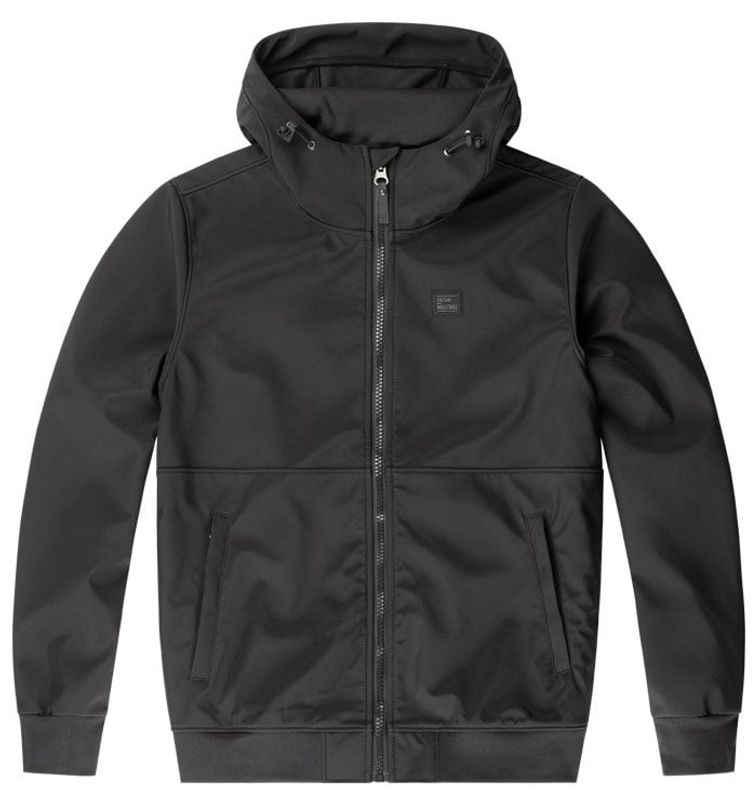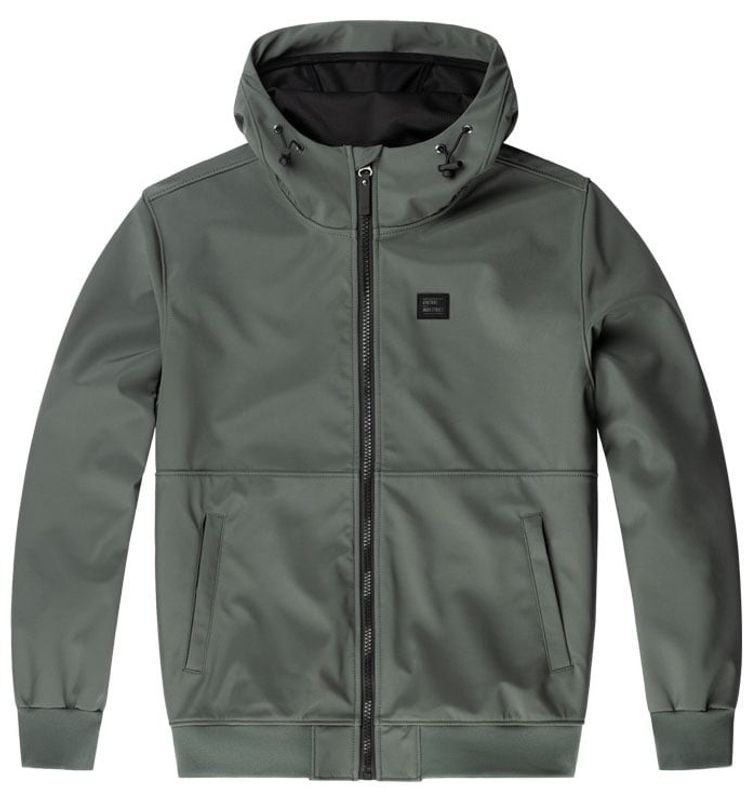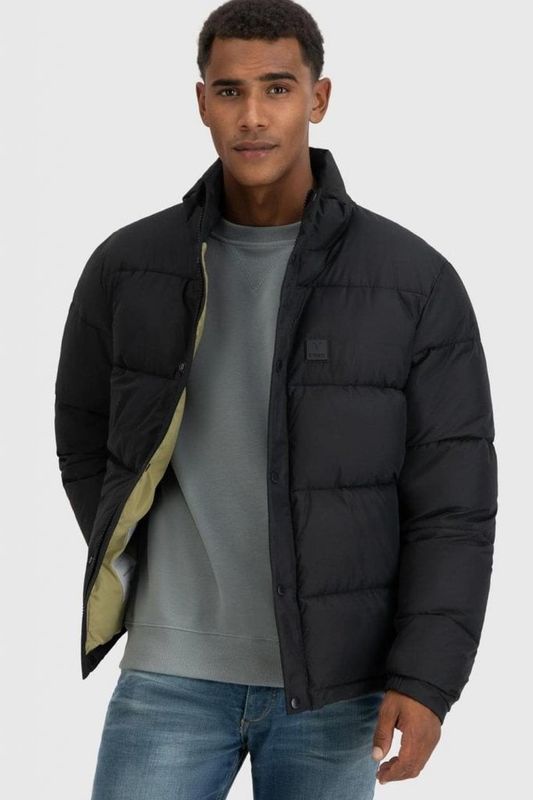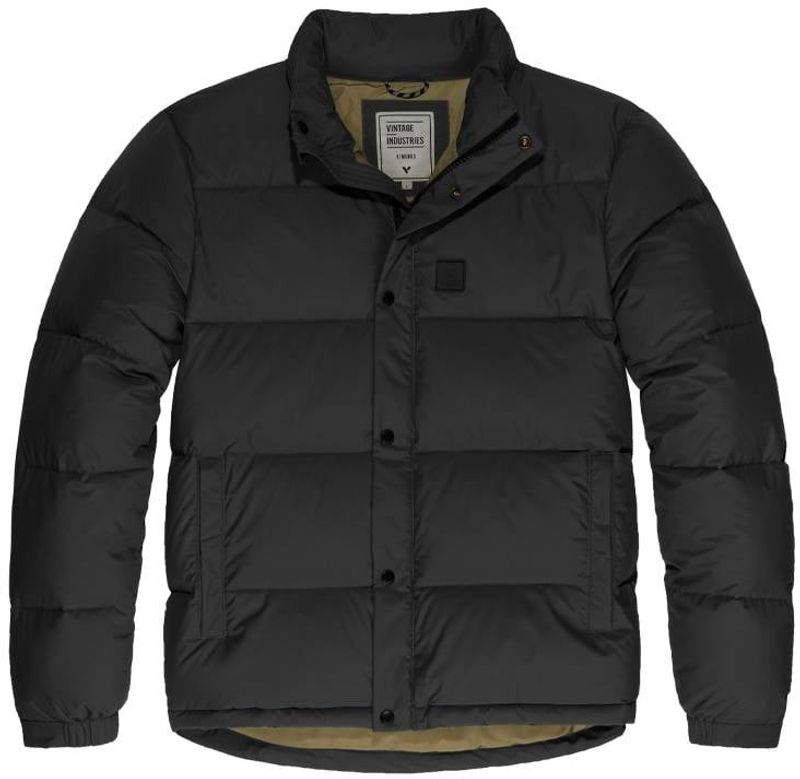
Men’s rain jackets and ponchos
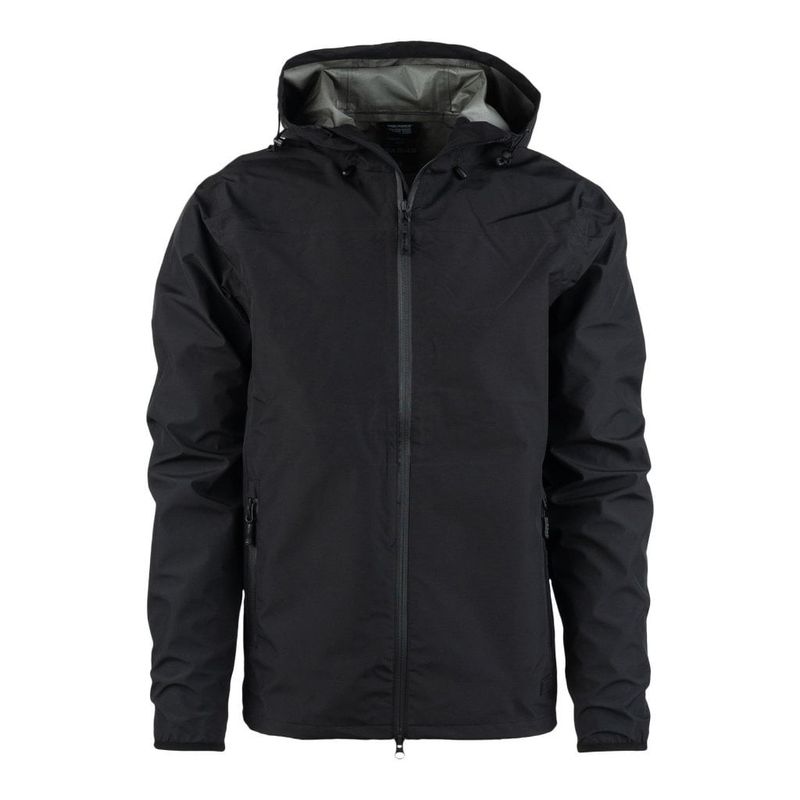
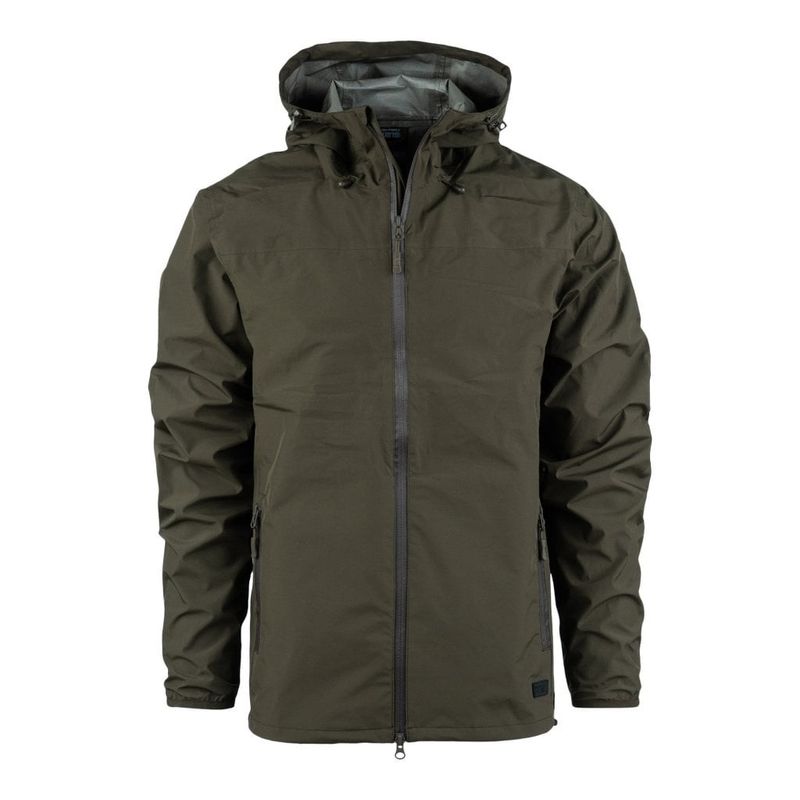
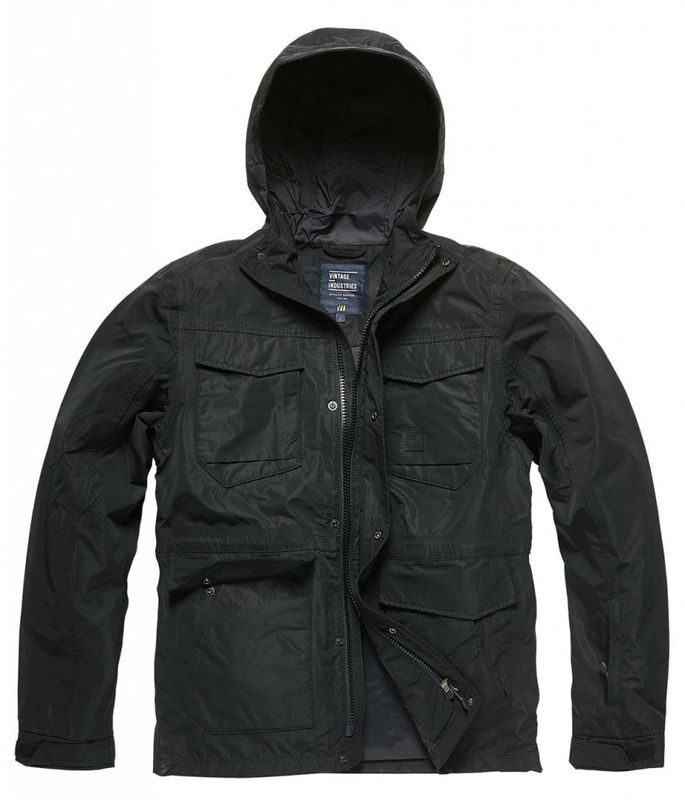
Explore men’s rain jackets, rain ponchos and rain suits, alongside jackets with water-resistant properties. Compare the design, stated rain protection and fit – the details matter as much as the name.
Explore men’s rain jackets, rain ponchos and rain suits, alongside jackets with water-resistant properties. Compare the design, stated rain protection and fit – the details matter as much as the name.
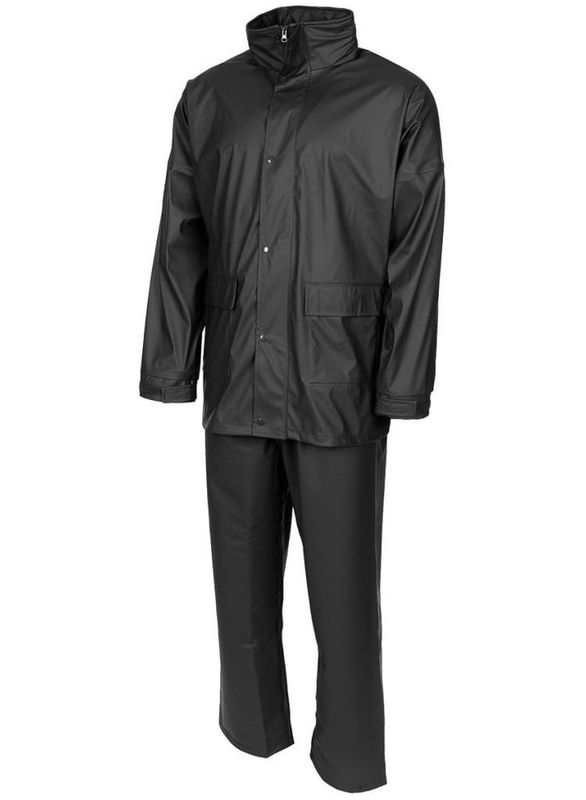
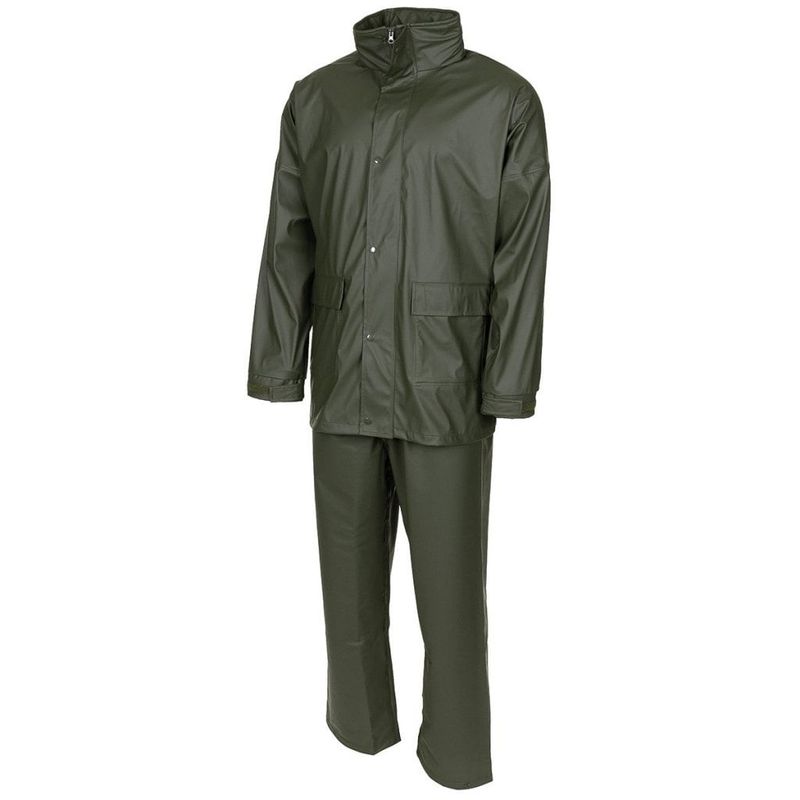
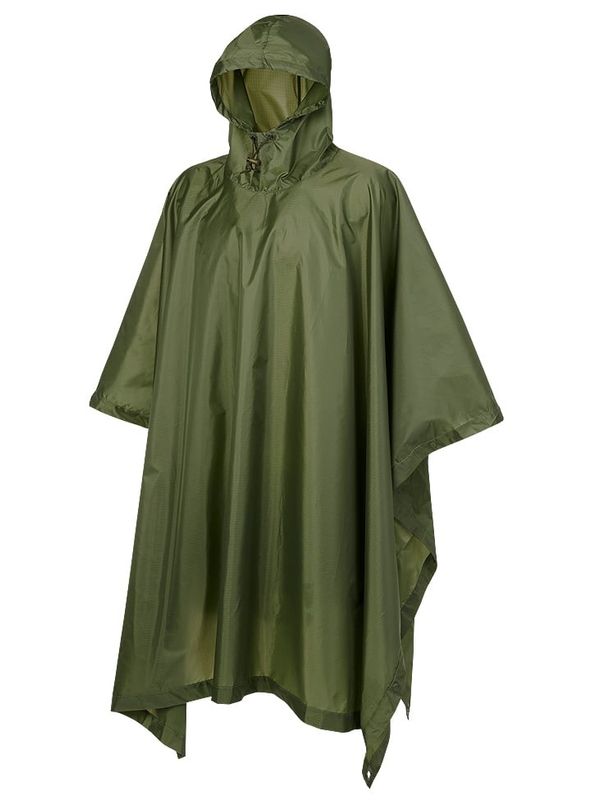
Choose a rain jacket for sleeves and a closer-fitting shape, a poncho for a roomy outer layer, and a rain suit when your legs need protection too. Construction and protection levels vary. Check each product’s specifications before choosing.
Water-resistant and waterproof are different claims. A water-resistant surface can resist moisture, but the word does not guarantee protection in persistent rain. Look for waterproof specifications and whole-garment construction when rain protection is the main requirement.
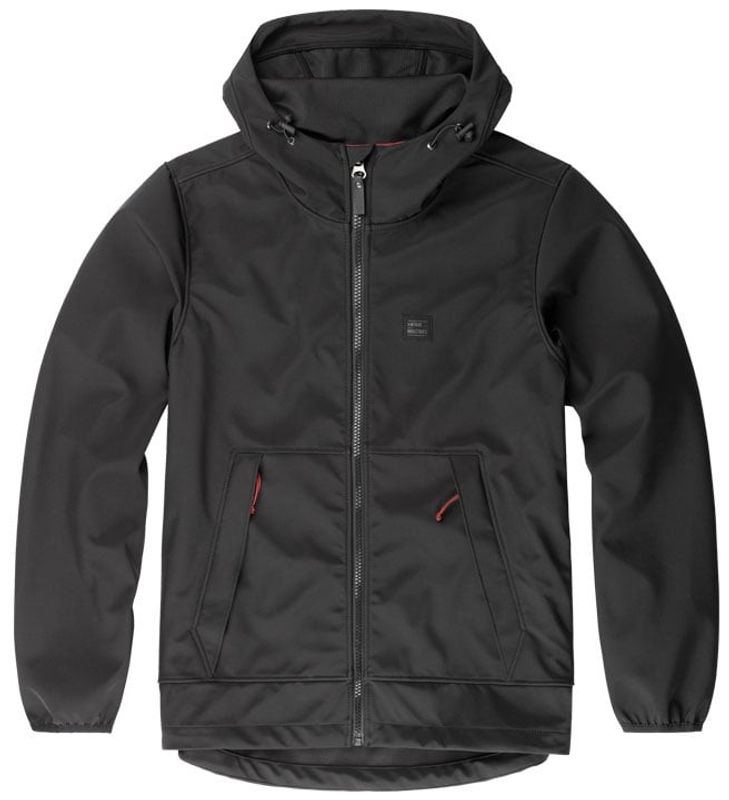
Check whether seams are taped or welded and how zips and pocket openings are protected. If that information is missing, fabric or product names cannot establish the protection of the whole jacket. If wind protection is your main need, compare our men’s windbreaker jackets and check each design’s rain protection too.
A hydrostatic-head rating in millimetres describes the material’s resistance to water pressure. A higher value indicates greater resistance when the tests are comparable. It does not tell you how many hours the entire jacket will keep you dry.
A rating of 10,000 mm indicates greater resistance to water pressure than 5,000 mm under comparable tests. Seams, openings and the condition of the garment also affect protection, so do not choose on the highest number alone. The rating does not describe lining warmth or how much moisture the fabric lets out.
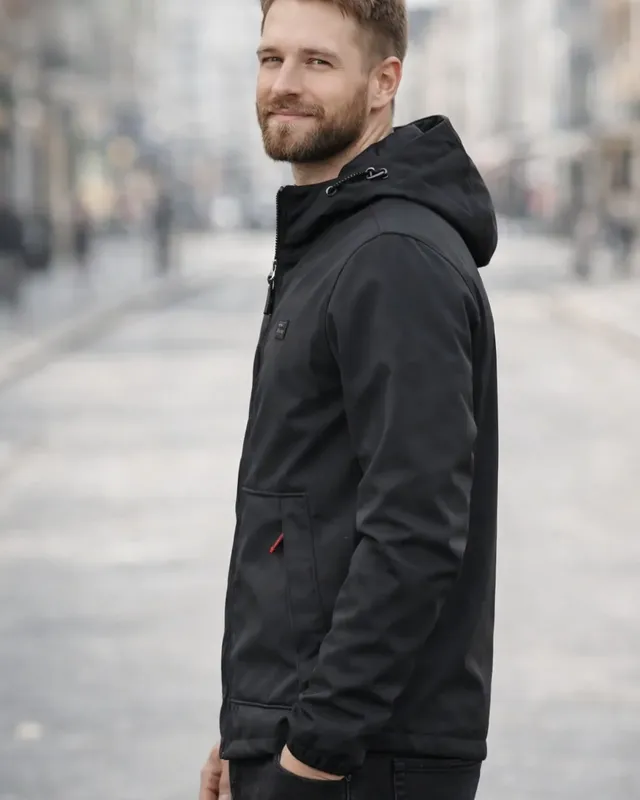
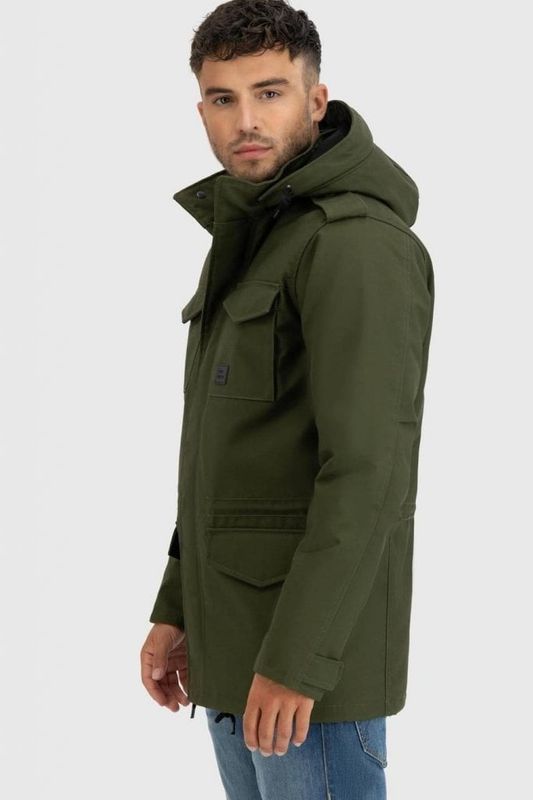
Choose a hood that stays in place without blocking your view, and check the neck and cuff closures. Turn your head both ways and lift your arms when trying it on. This helps reveal whether the hood pulls or the cuffs leave gaps.
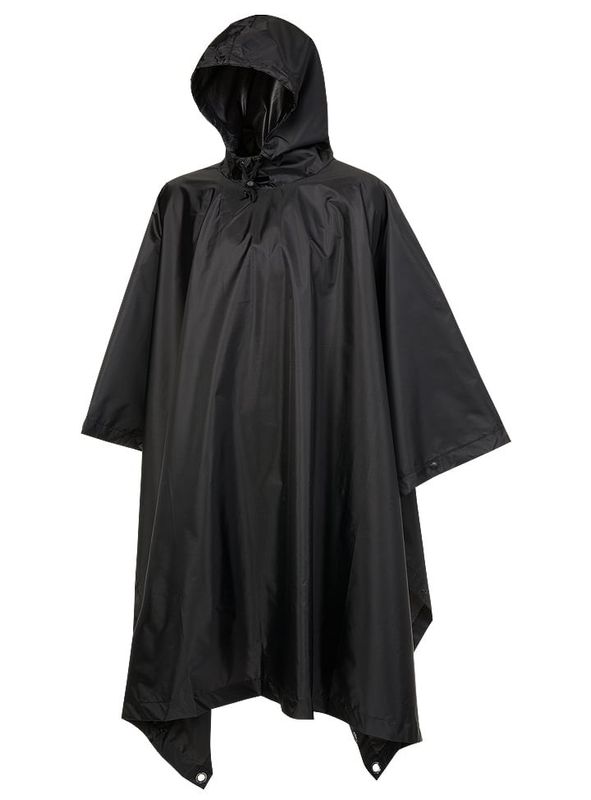
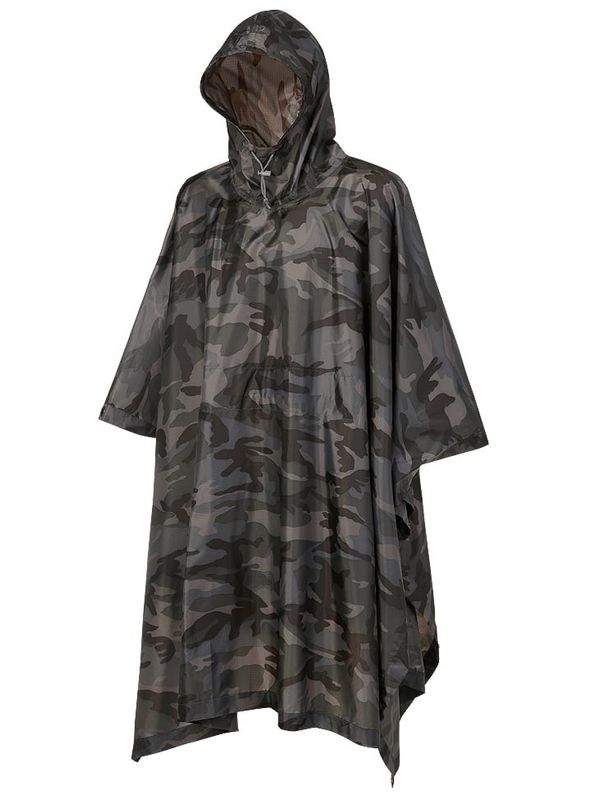
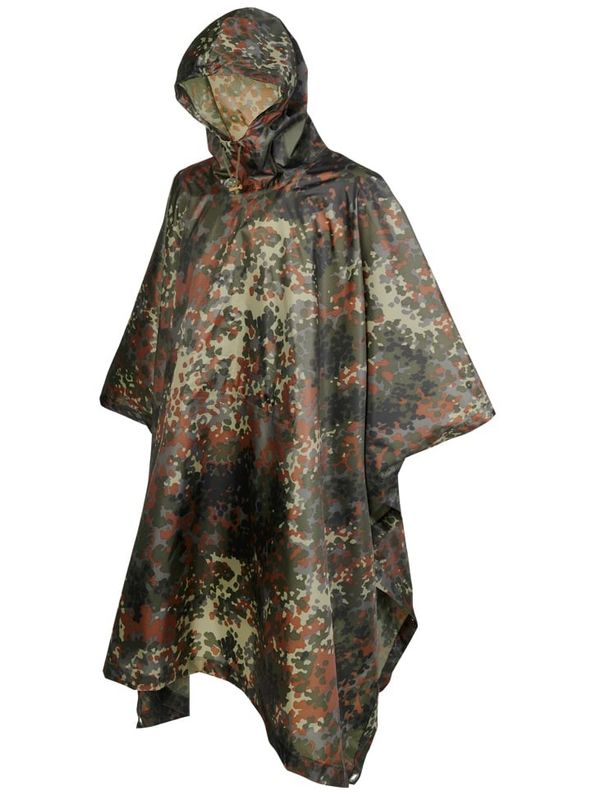
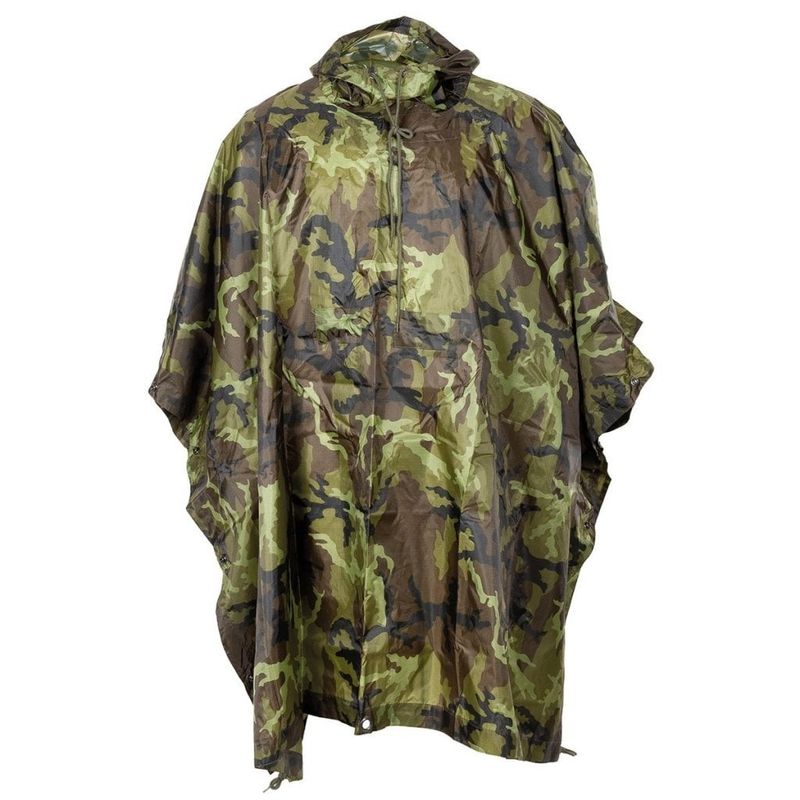
Pay particular attention to a poncho’s side closures: its wide shape gives room to move but is more open than a sleeved jacket. Ripstop describes a reinforced weave rather than waterproof protection. A storage bag or use as a tarp must be specified for the individual design.
Compare stated garment measurements with a jacket that fits well over similar clothing. Follow the product’s measuring method: flat chest width and your body’s chest circumference are different measurements. Use the relevant size guide if garment measurements are unavailable.
For example, 61 cm flat chest width compared with 59 cm on your jacket gives 2 cm extra across, roughly 4 cm around. This is a measurement comparison, not general advice to size up. Check back and sleeve lengths too. For more options, compare our men’s jackets in larger sizes.
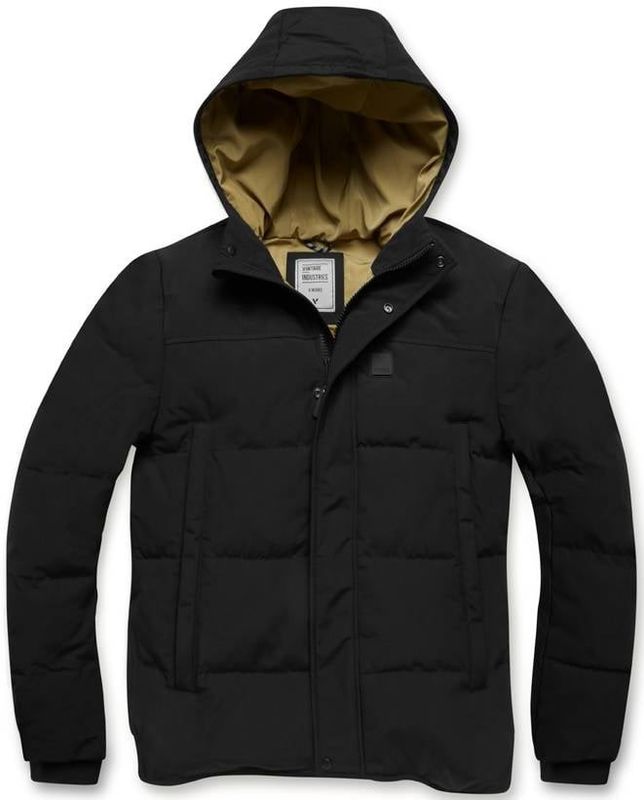
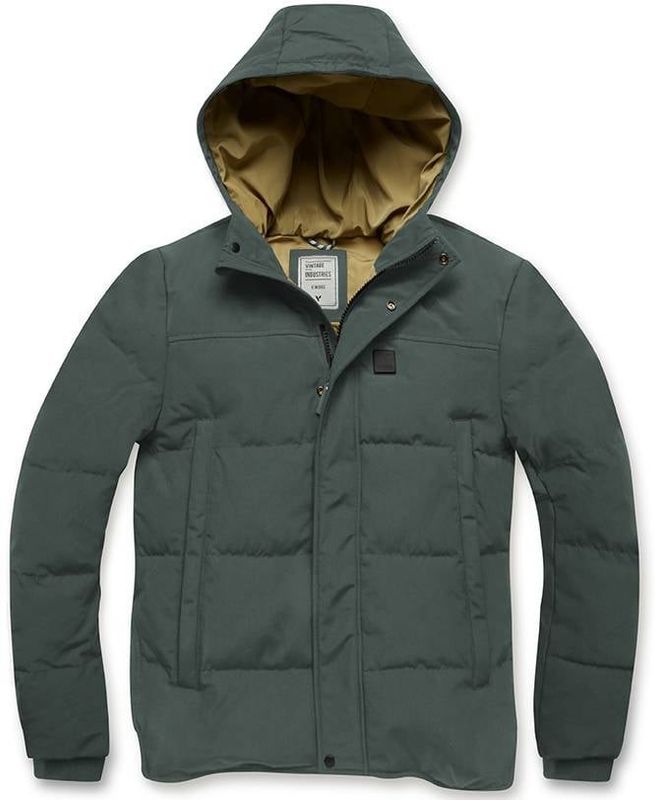
Adjust your layers to the temperature and activity. An unlined shell lets you change mid-layers; a lined jacket has warmth built in. A men’s fleece jacket can work under a shell if there is enough room.
Try the combination with your arms reaching forwards and while sitting down. If the back pulls tight or the hem rides up, review the measurements or layers. If you get warm, use the ventilation features specified for that design; the waterproof rating does not measure ventilation.
Follow the garment’s instructions for washing, drying and any re-treatment. Membranes, coatings and linings can need different care. A water-repellent treatment does not replace damaged seams or a damaged waterproof barrier. Let your rainwear dry before packing it away.