Men’s jackets
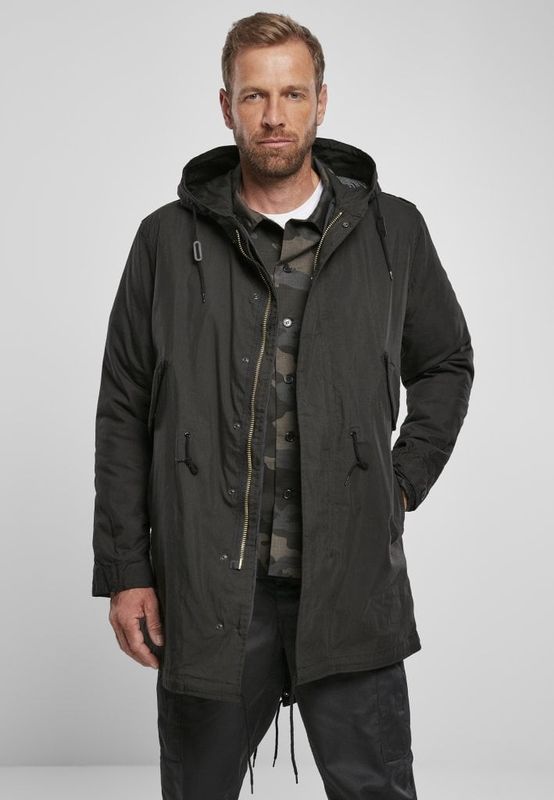
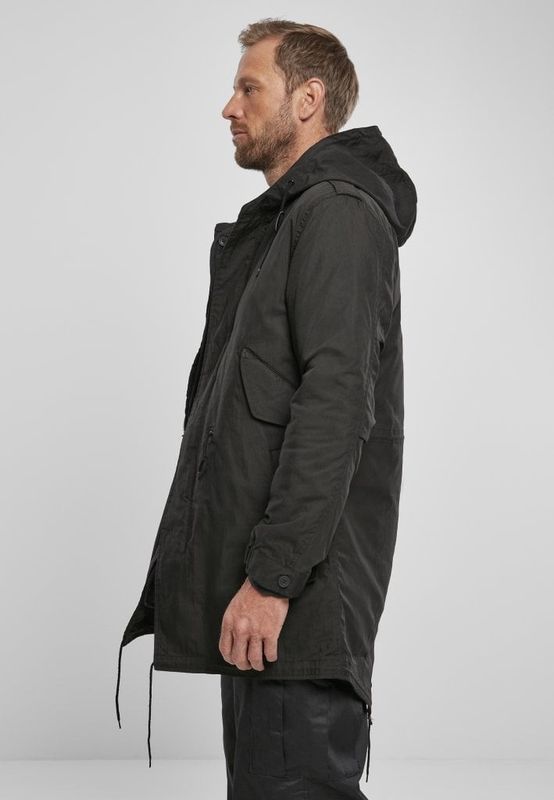
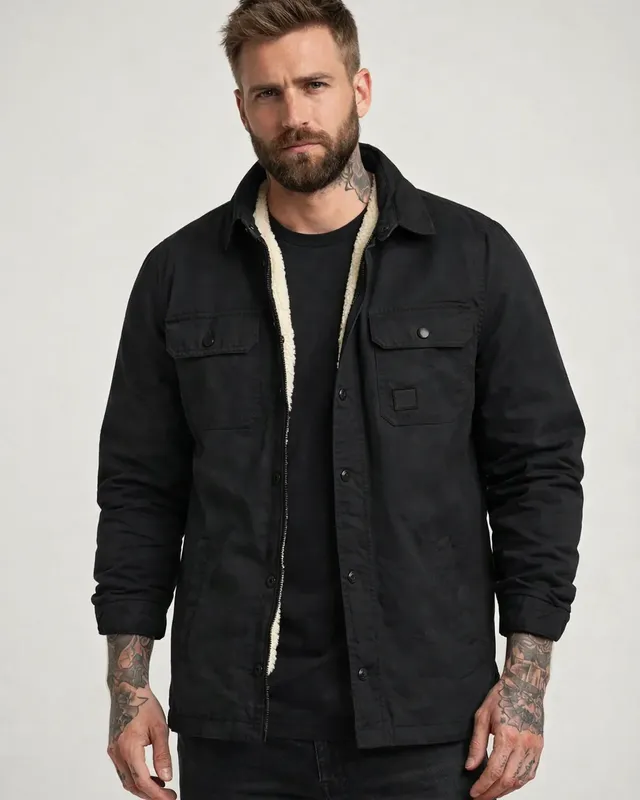
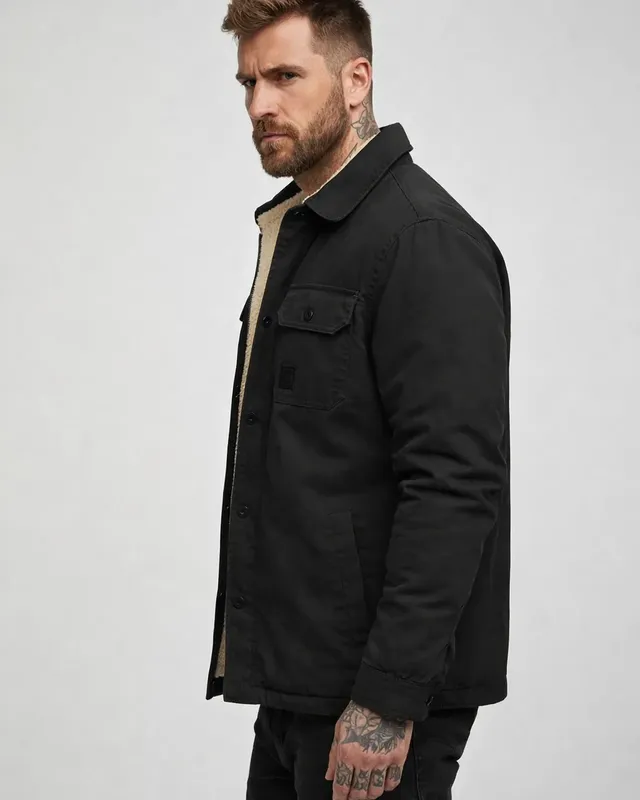
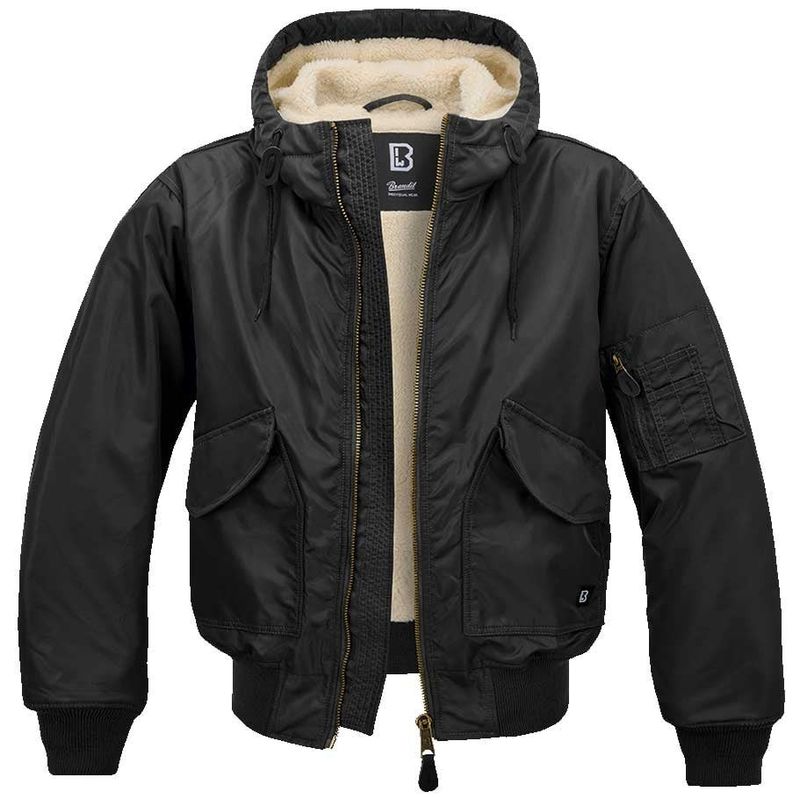
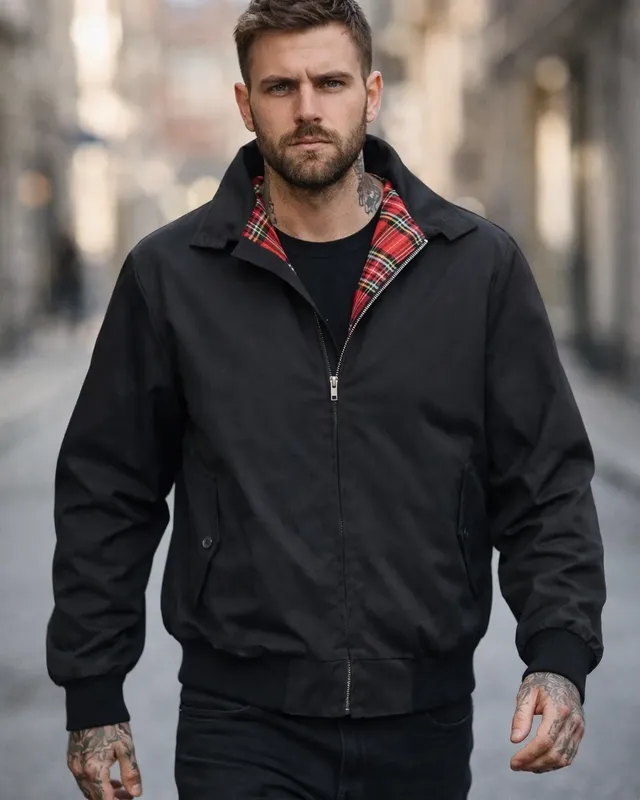
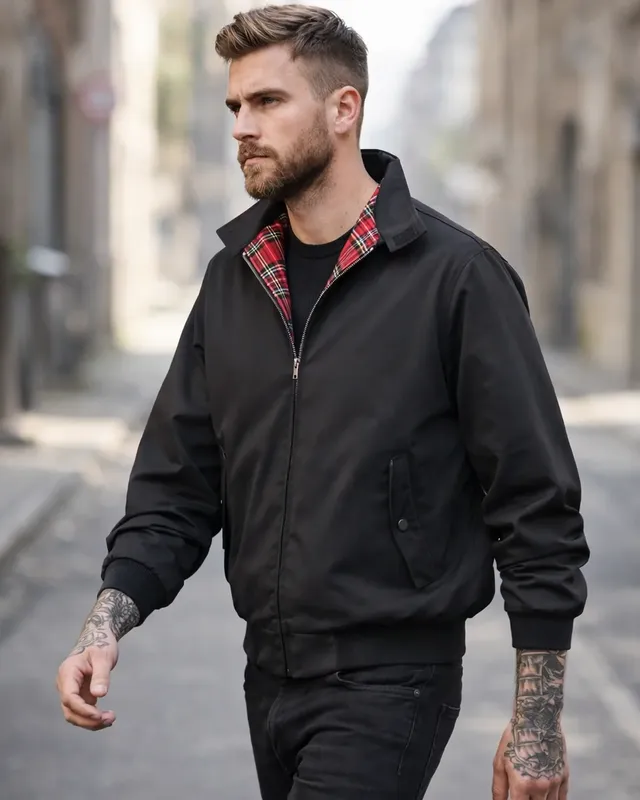
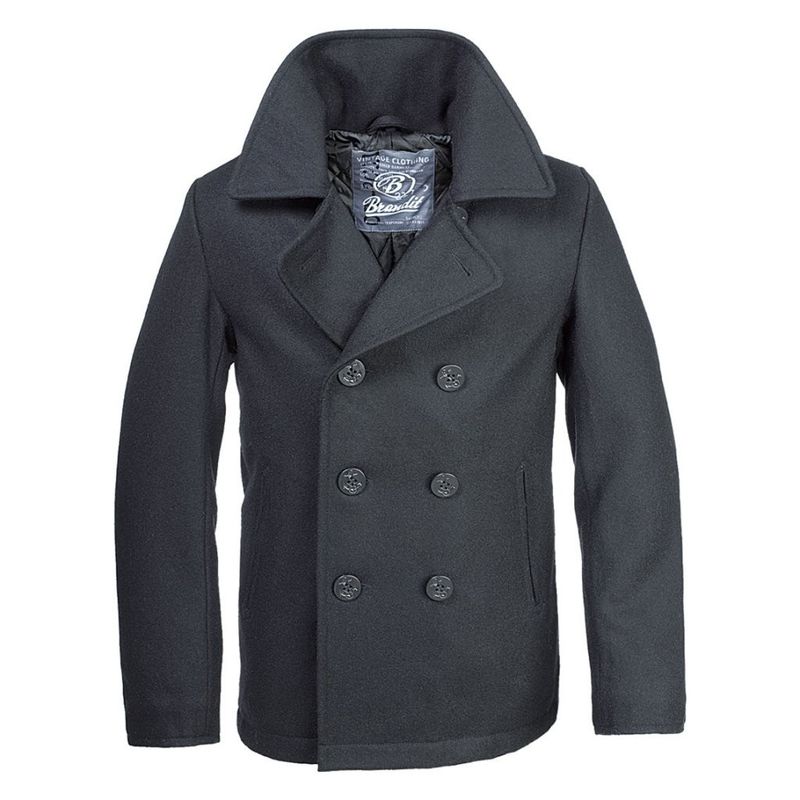
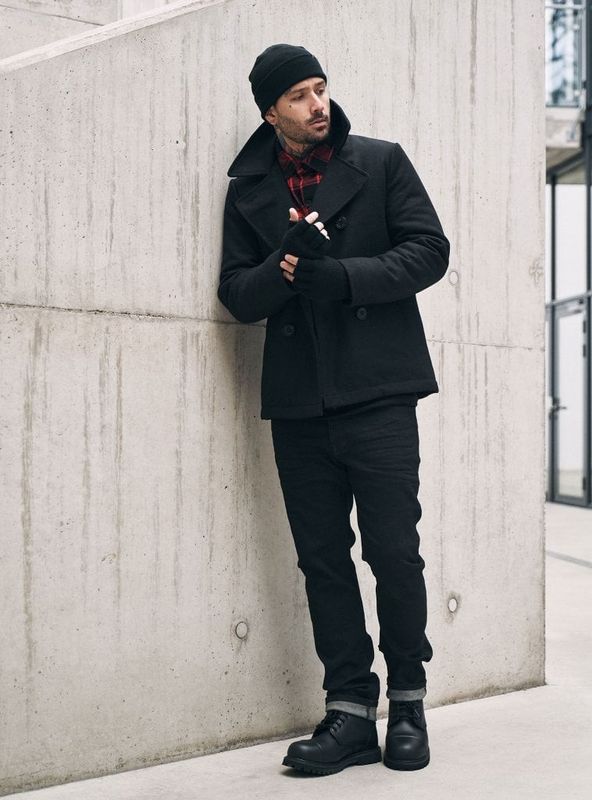
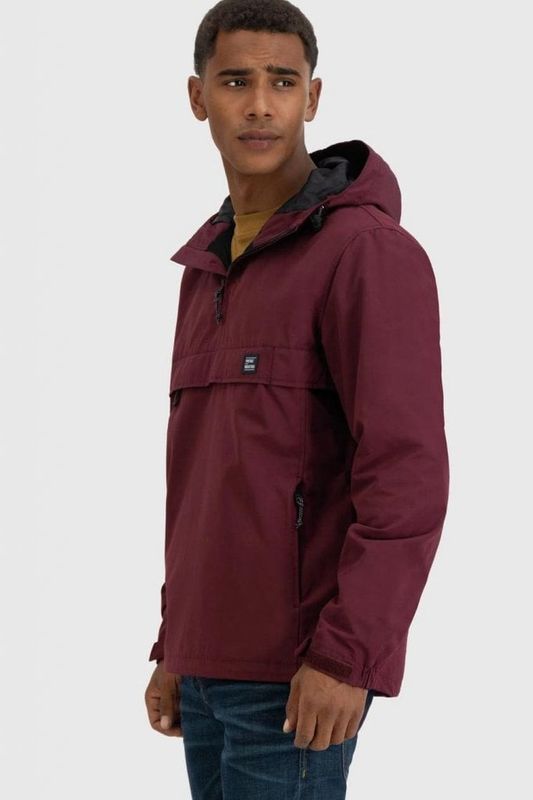
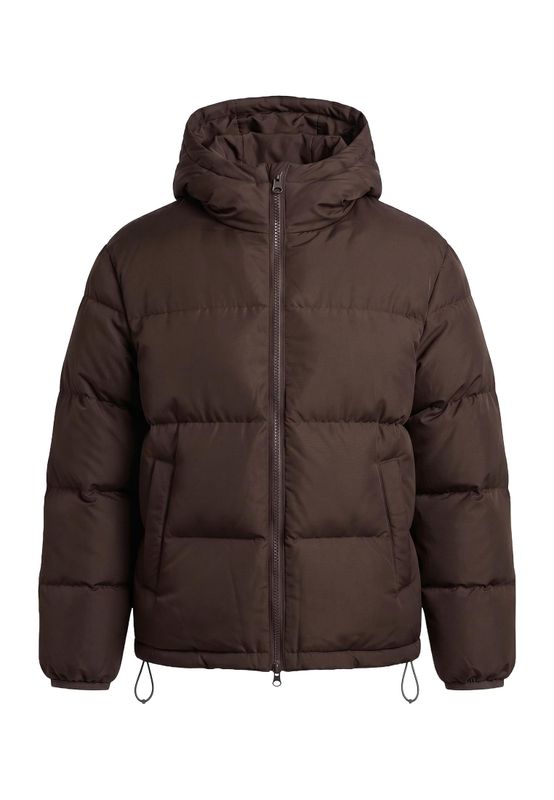
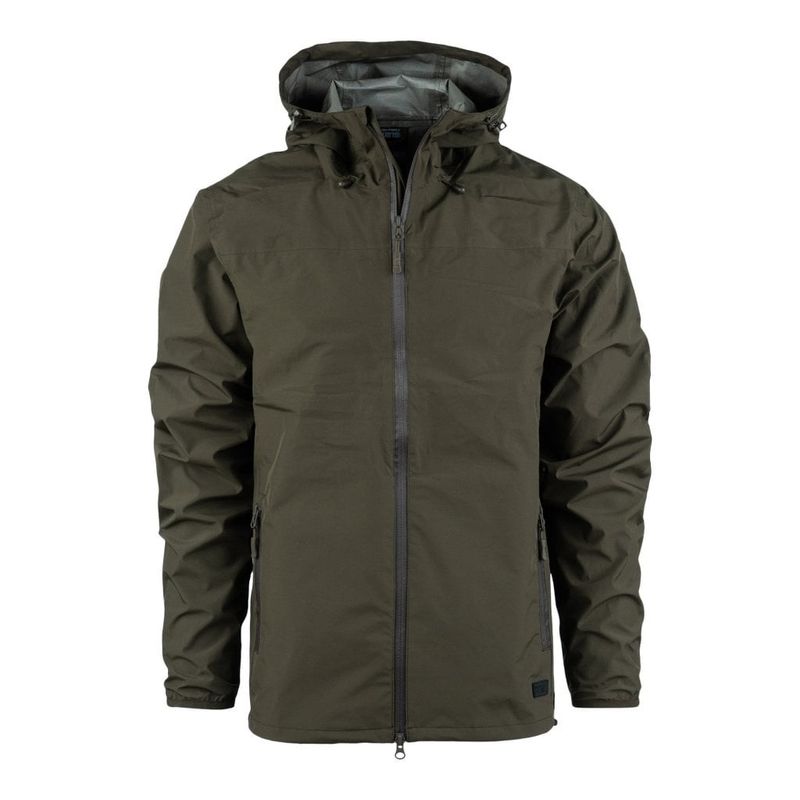
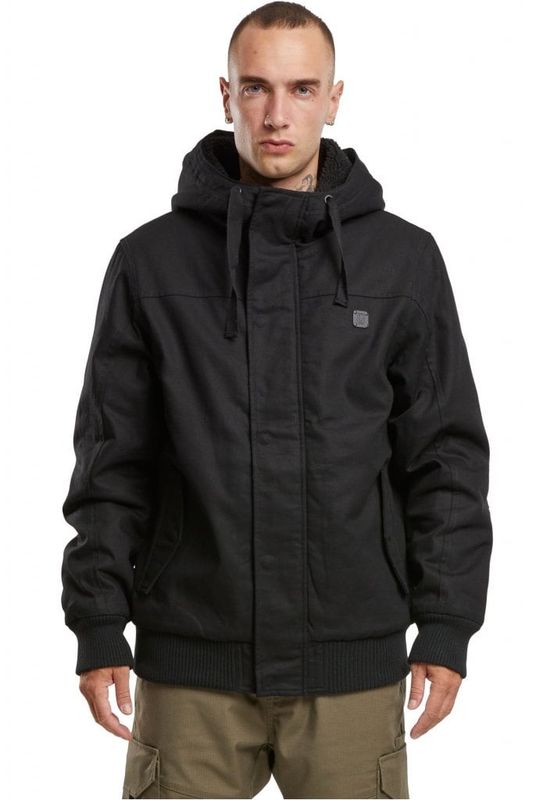
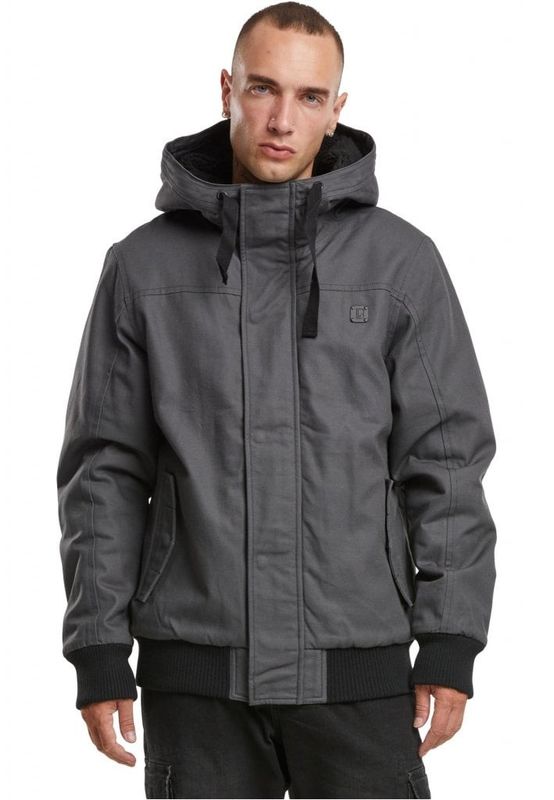
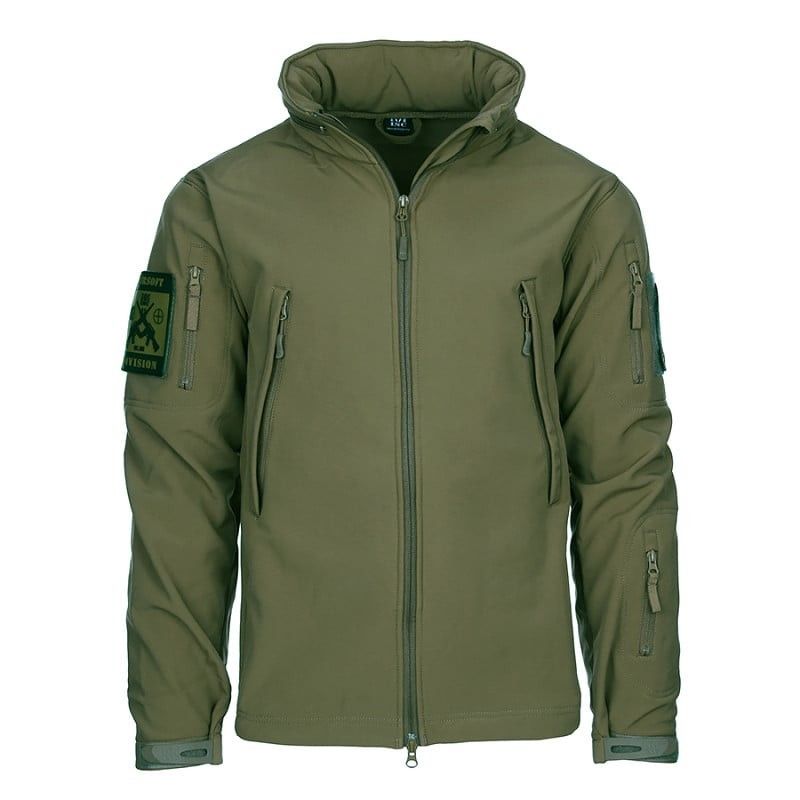
Men’s jackets with streetwear, rock and army-inspired style – from short bombers to field jackets and longer lined designs. Choose the cut, lining and fabric to suit how you wear your jacket.
Men’s jackets with streetwear, rock and army-inspired style – from short bombers to field jackets and longer lined designs. Choose the cut, lining and fabric to suit how you wear your jacket.
Start with how the jacket should fit over your other clothes. Short, straight and longer designs leave different amounts of room at the waist and hips, even with the same size label.
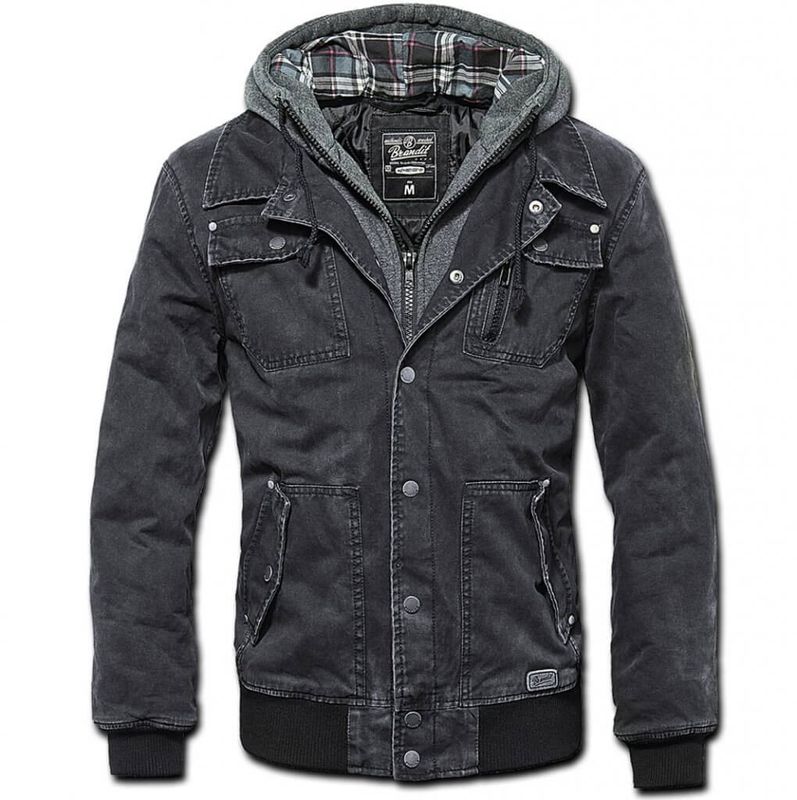
Choose lining by temperature and activity, rather than the season in a category name alone. A jacket for a brisk walk may differ from one for standing still outdoors. Compare men’s spring jackets and men’s summer jackets for lighter outer layers, or men’s autumn jackets and men’s winter jackets for different lined options. A removable liner can offer more ways to wear a jacket where specified; check exactly which parts come out.
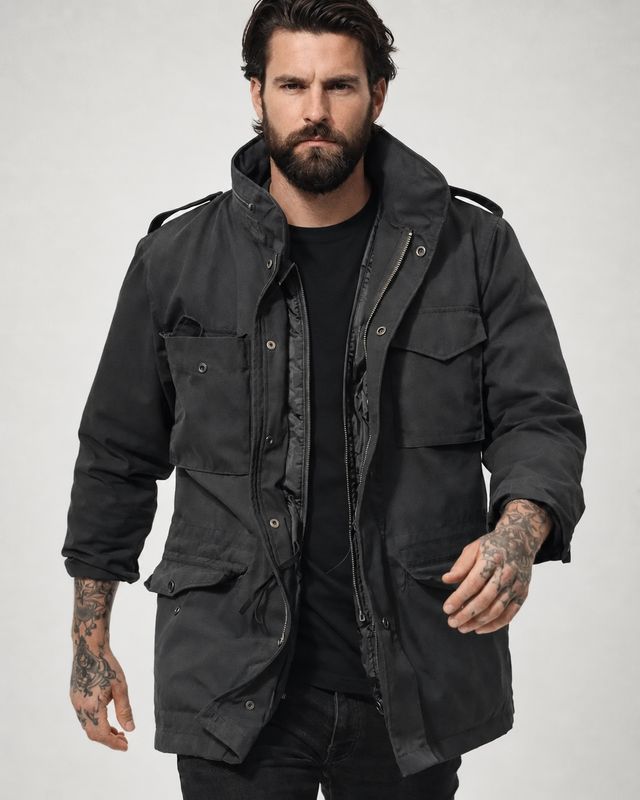
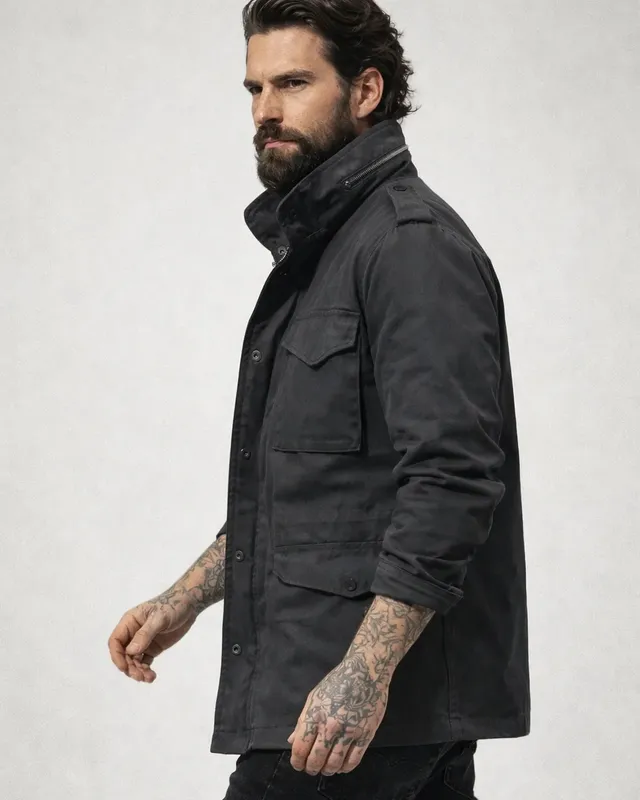
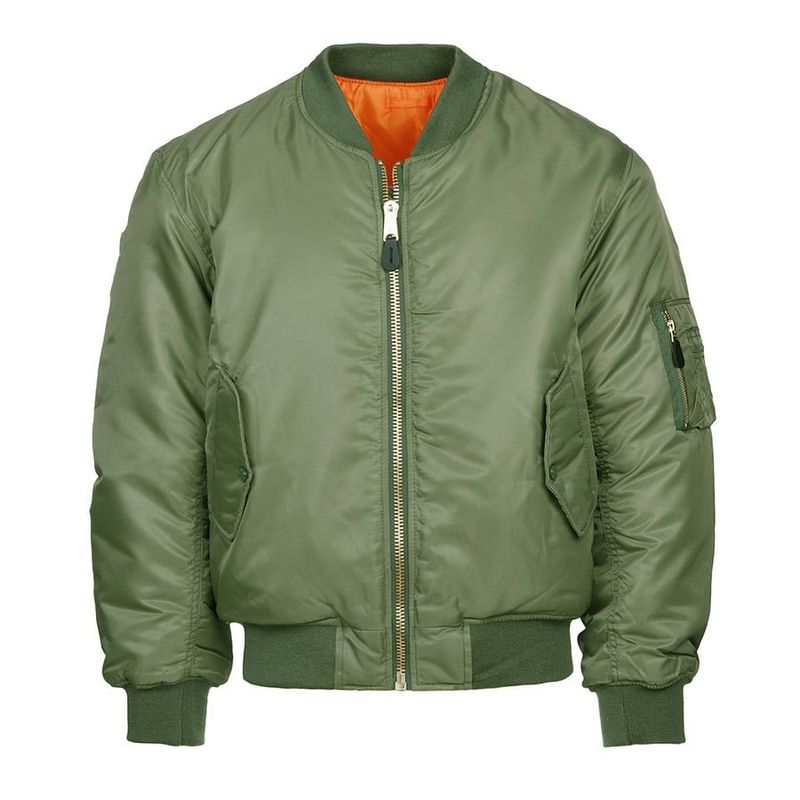
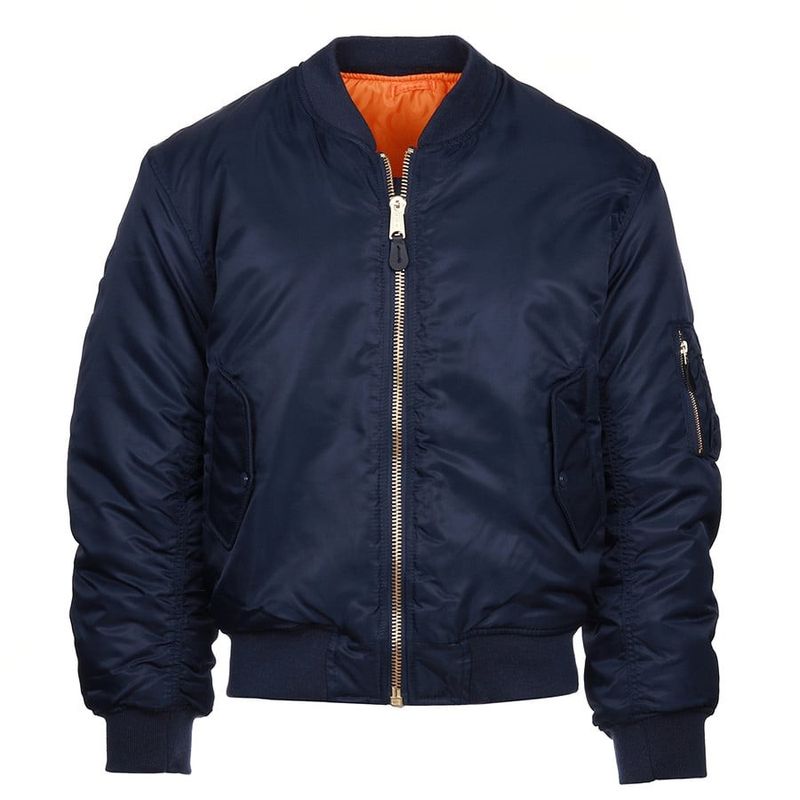
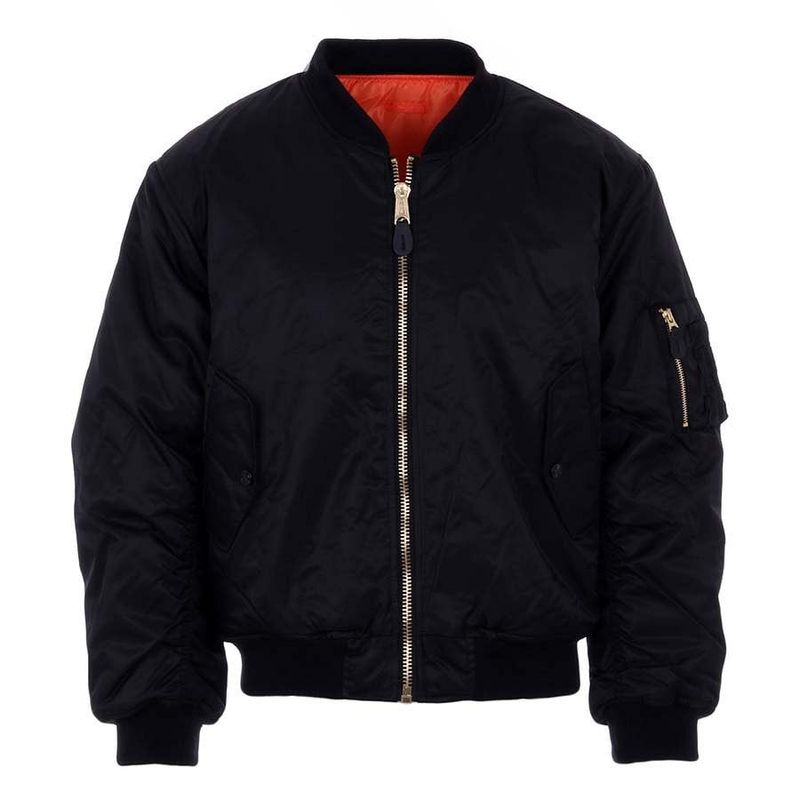
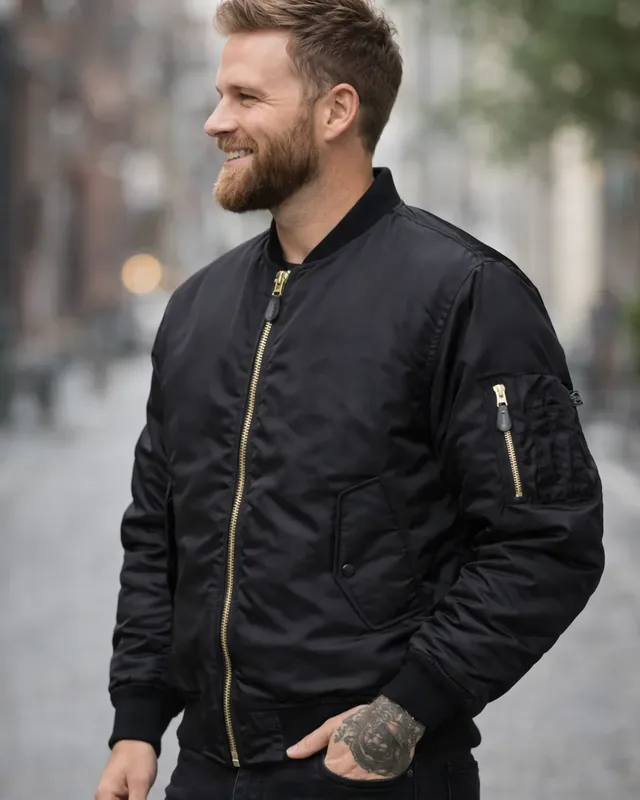
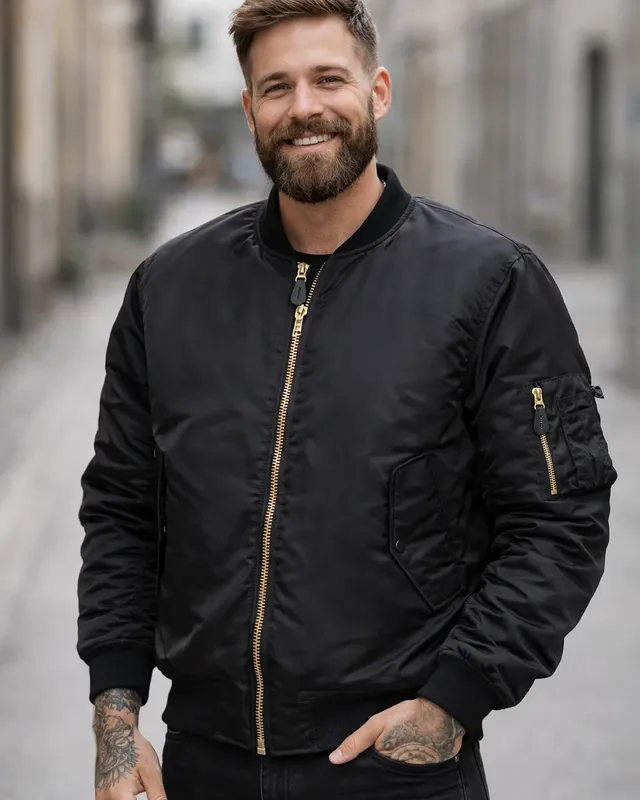
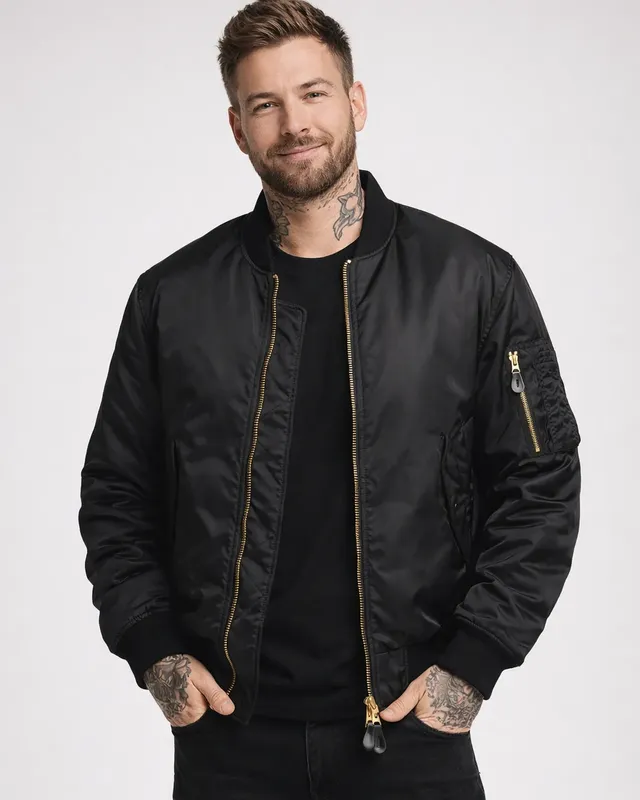
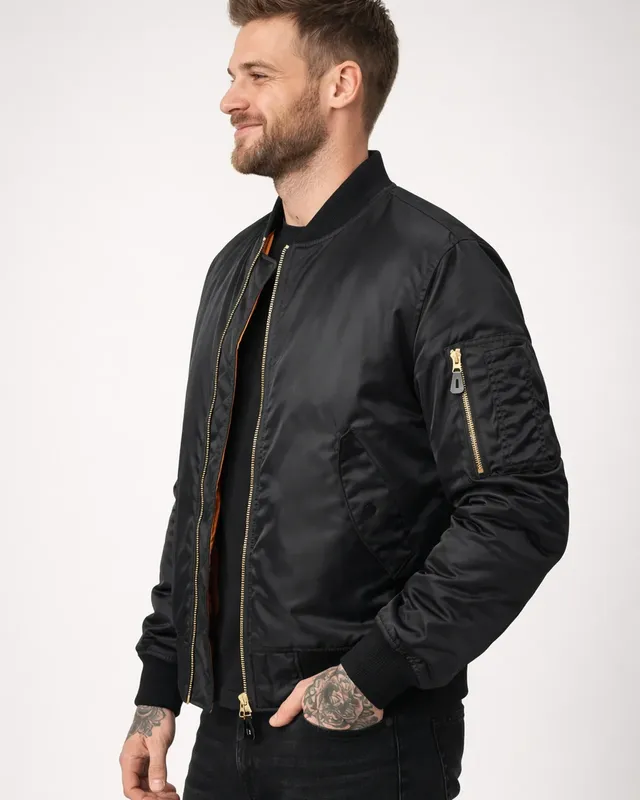
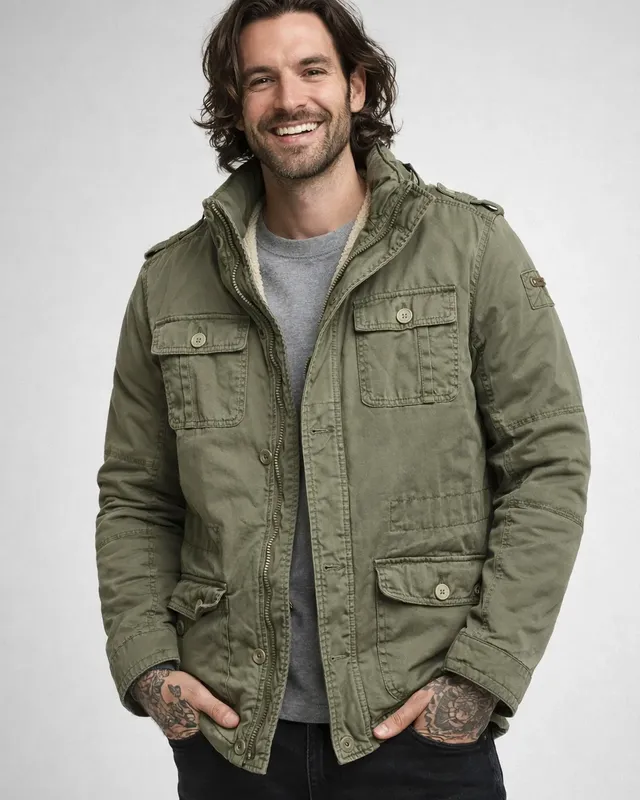
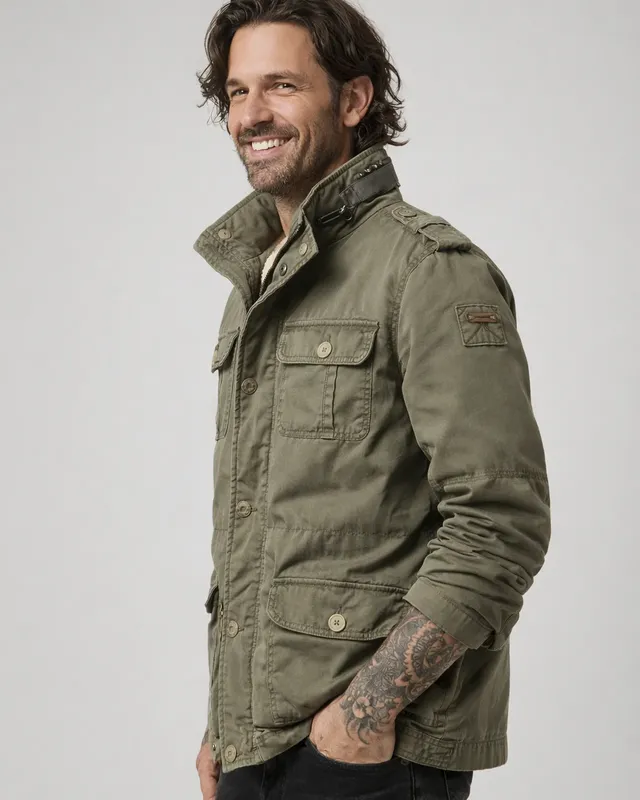
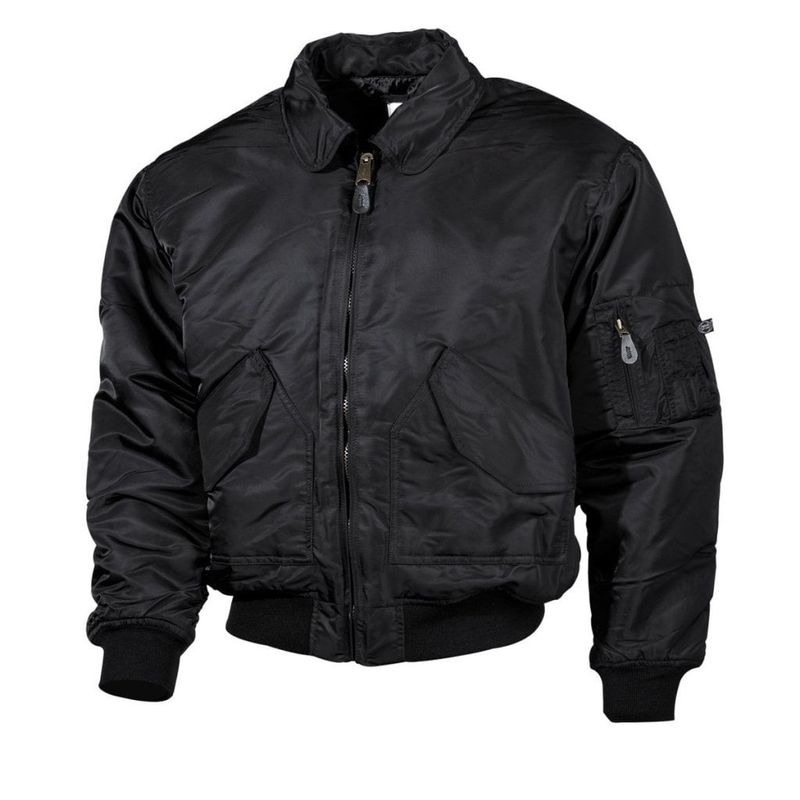
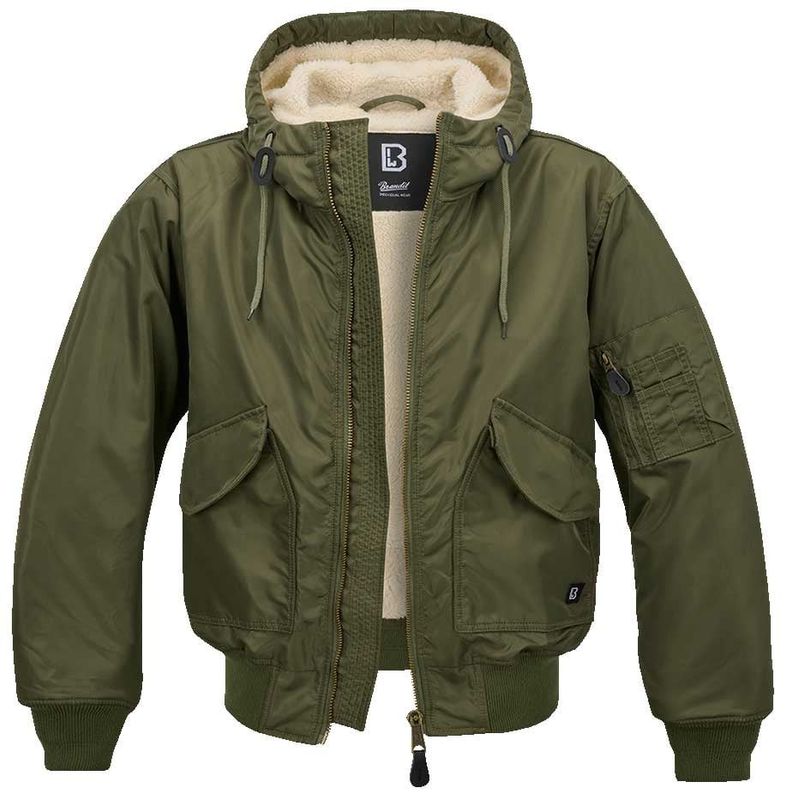
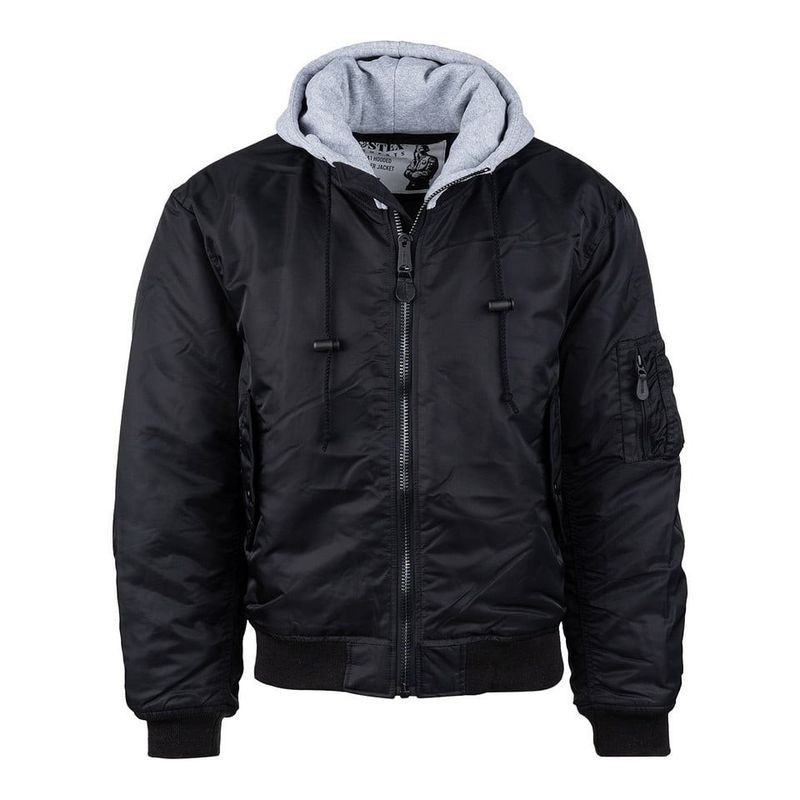
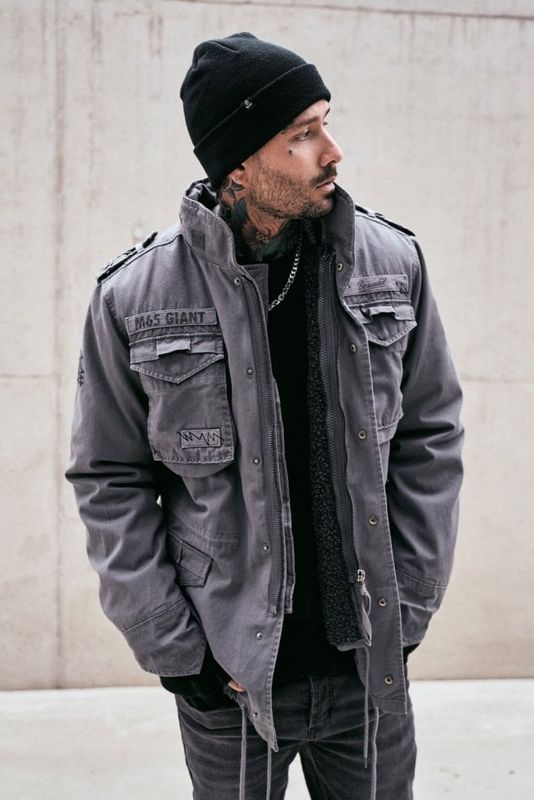
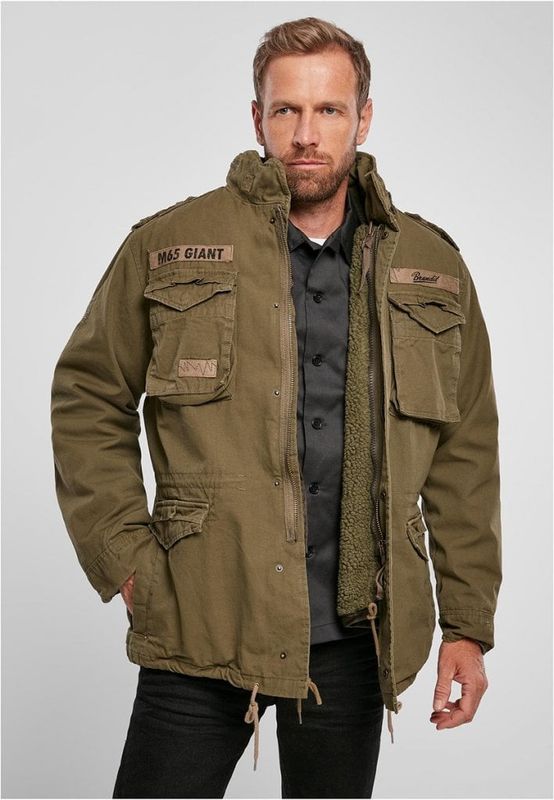
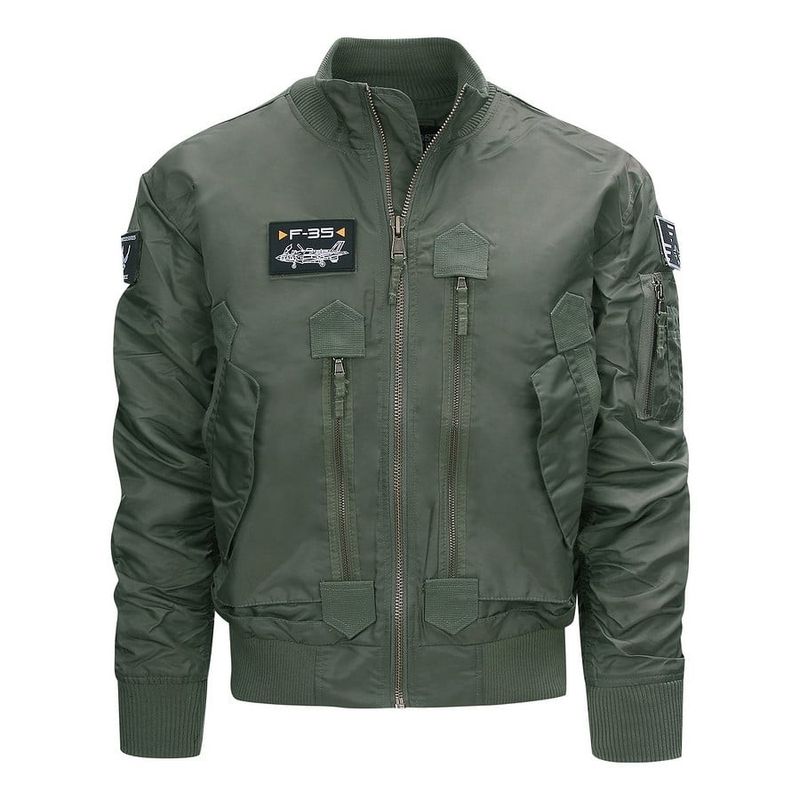
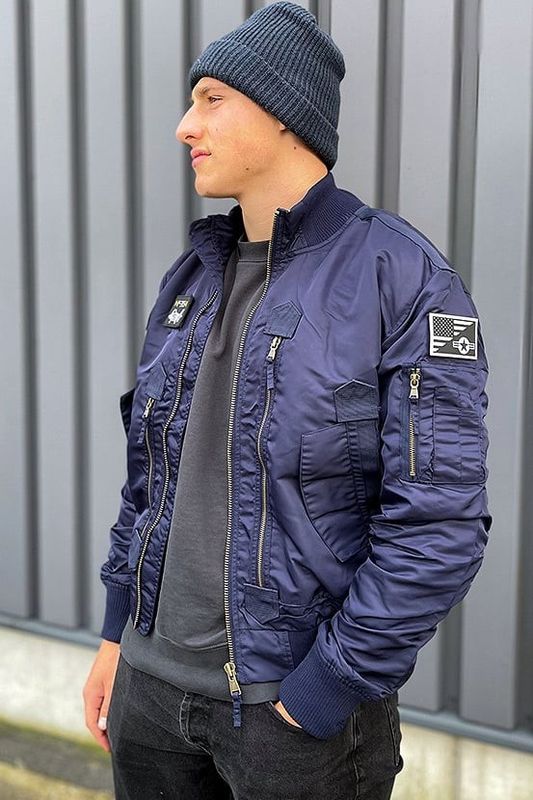
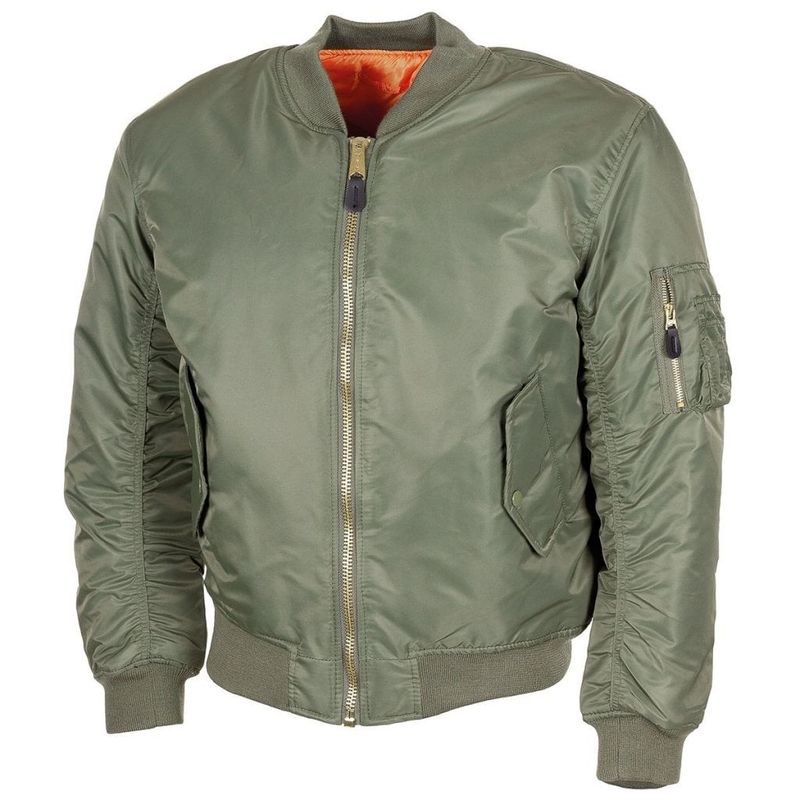
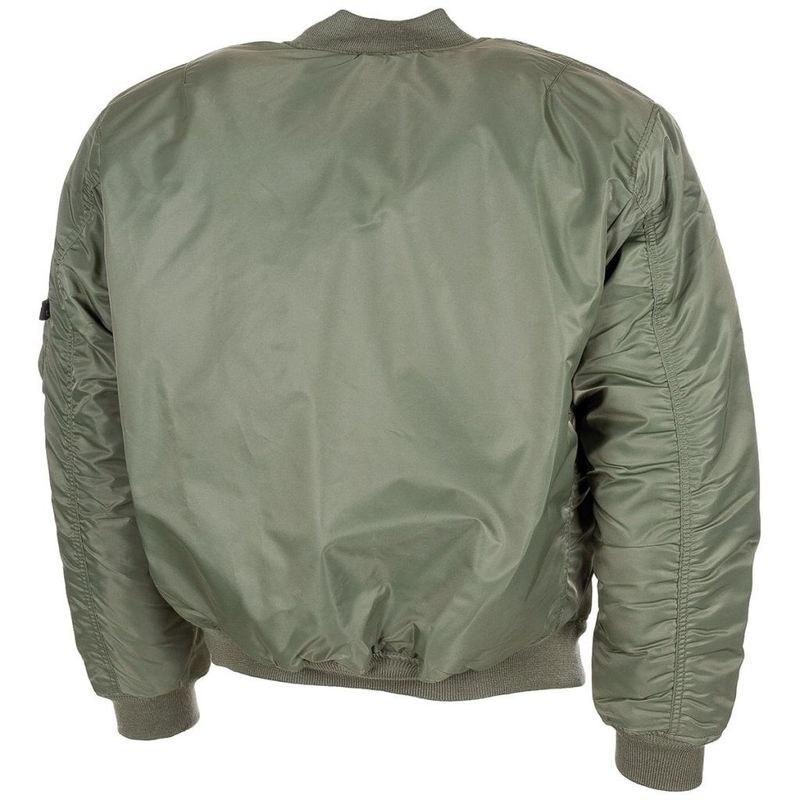
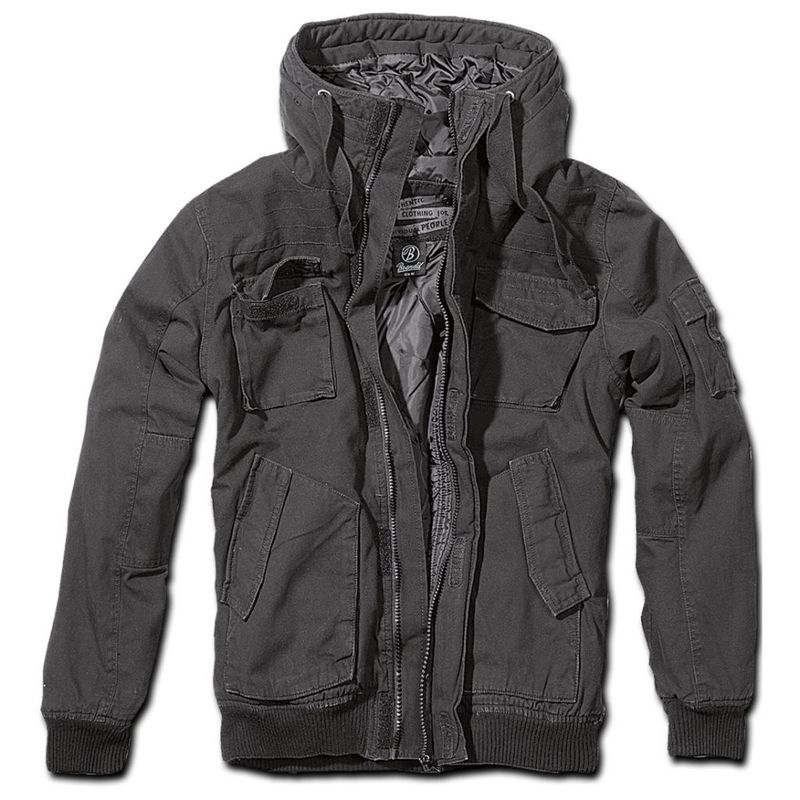
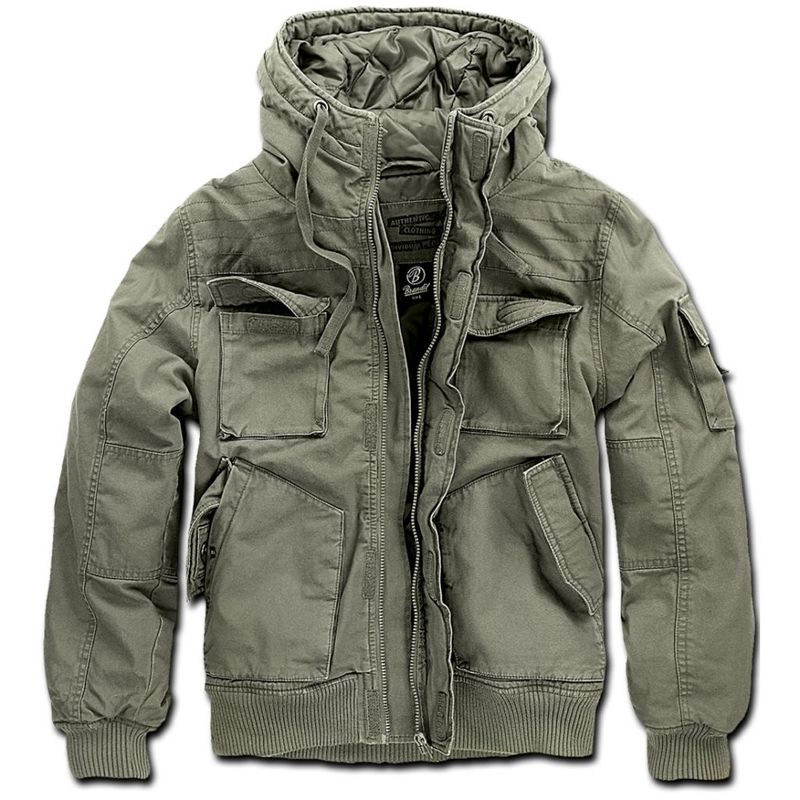
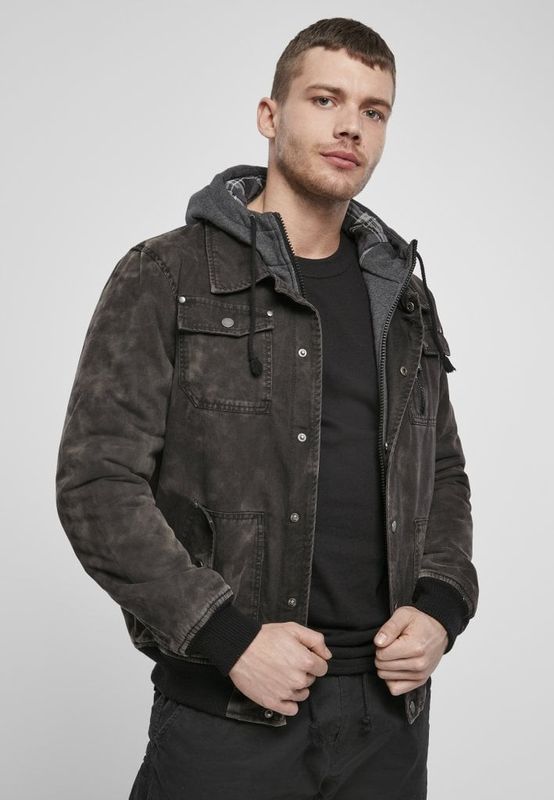
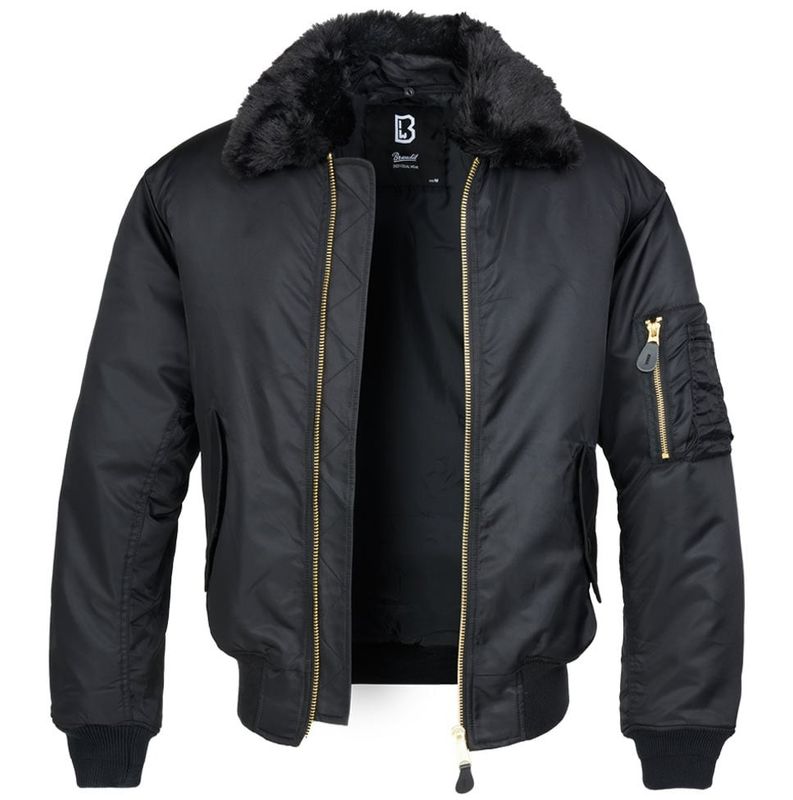
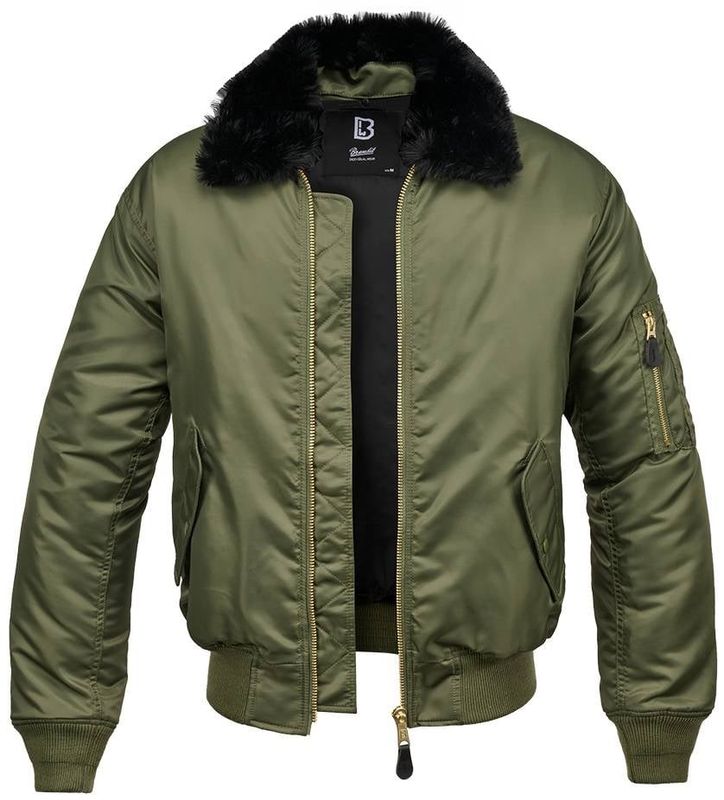
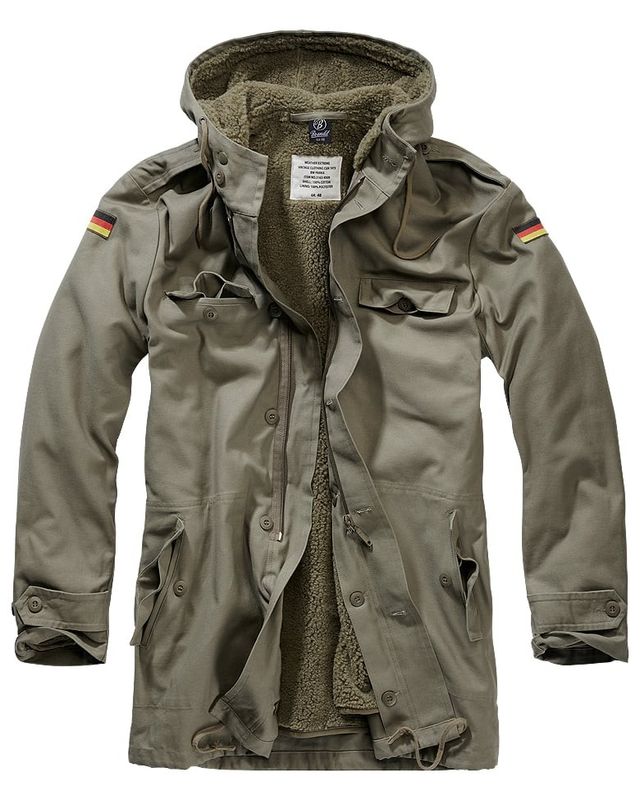
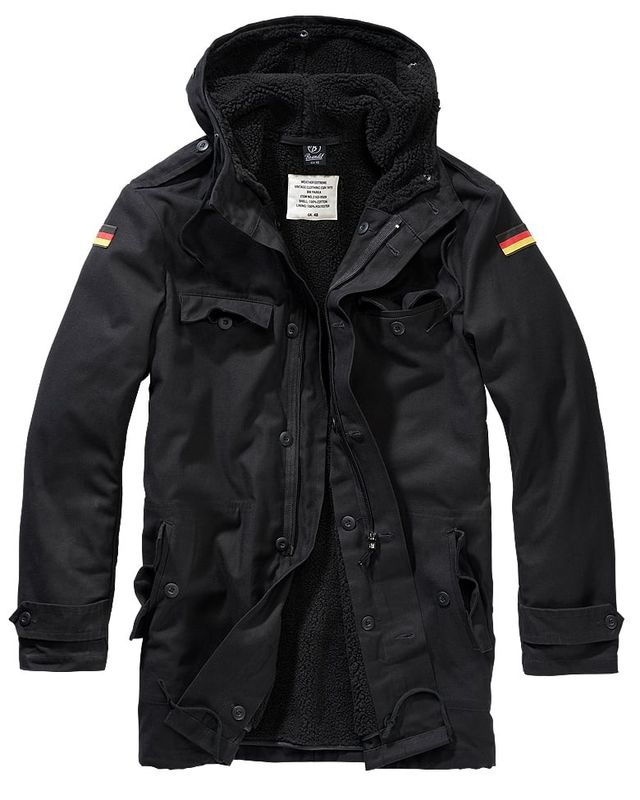
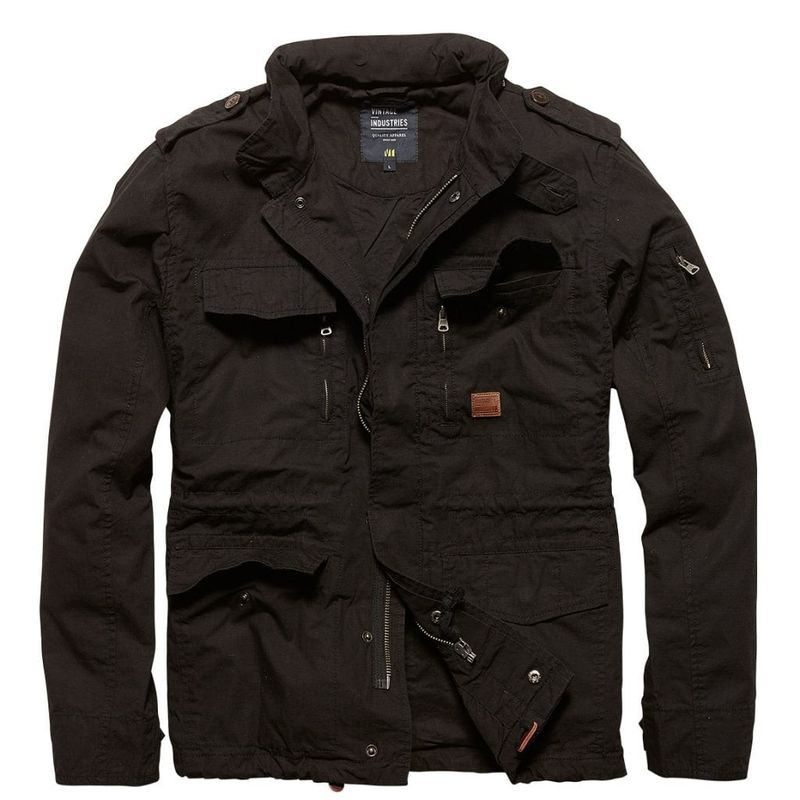
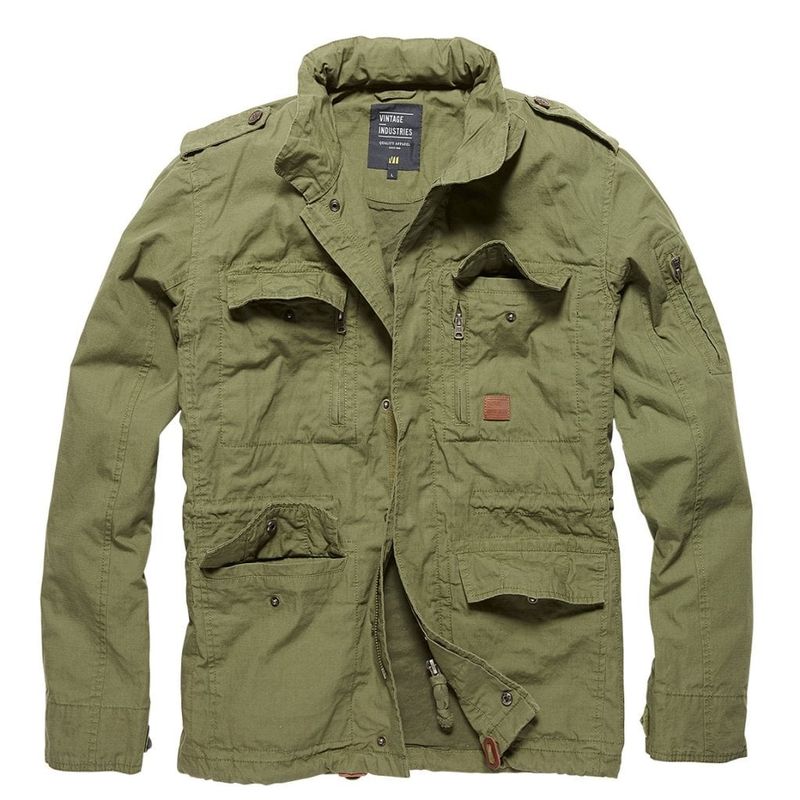
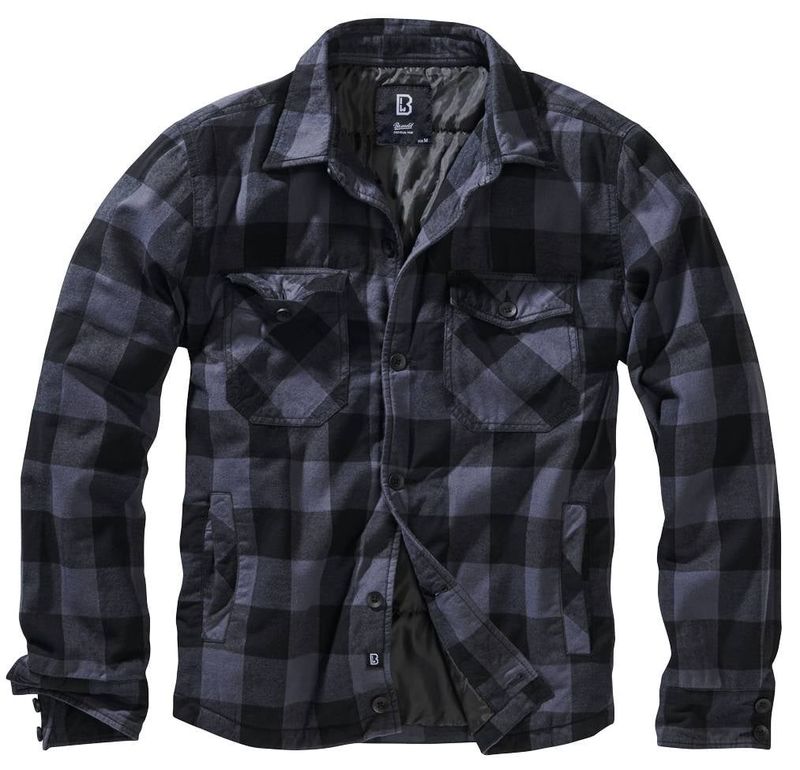
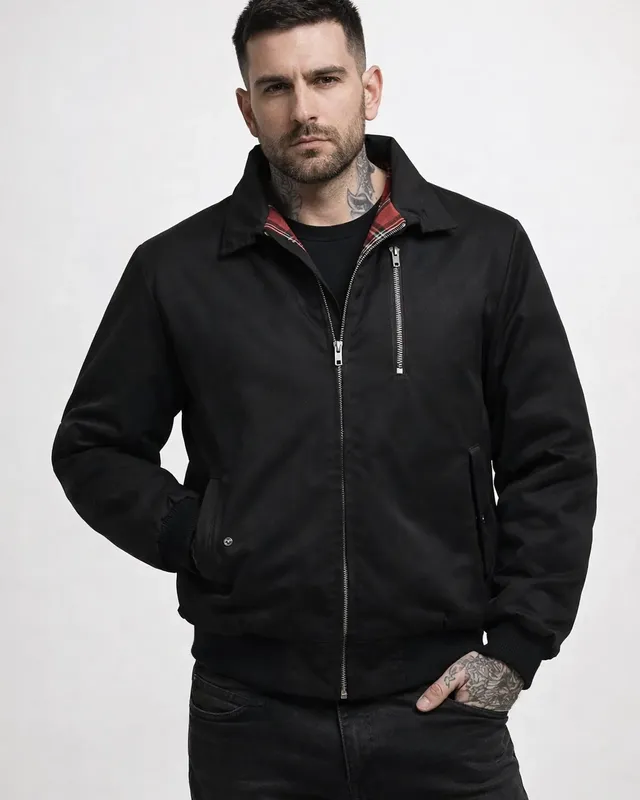
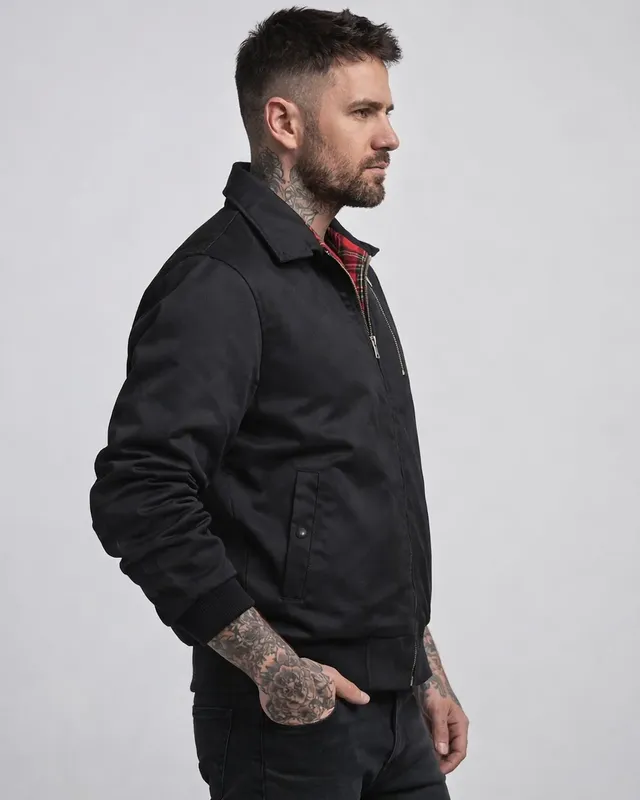
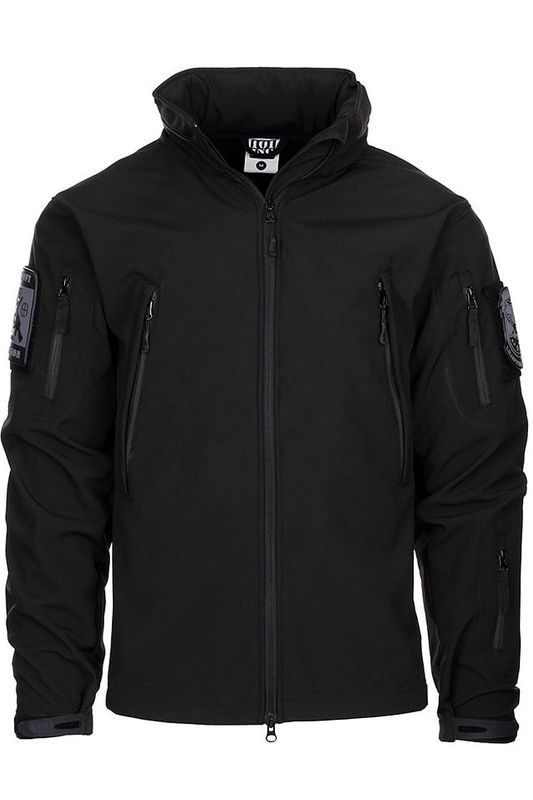
Pockets, collar and hem make a big difference to a jacket’s look. Military and cargo-inspired jackets often have prominent pockets; compare field-jacket construction and inner layers in men’s M65 jackets. For shorter shapes with ribbed finishes, explore men’s and unisex bomber jackets. Compare men’s denim jackets and men’s leather and faux-leather jackets if the surface is your starting point. Read the fabric specification: a denim or leather-like appearance does not identify the material on its own.
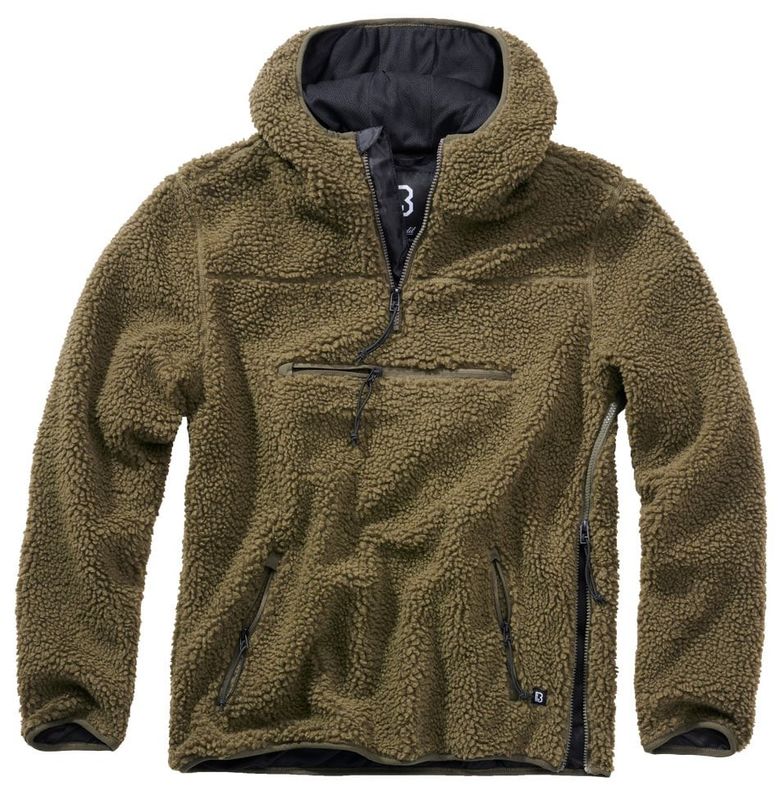
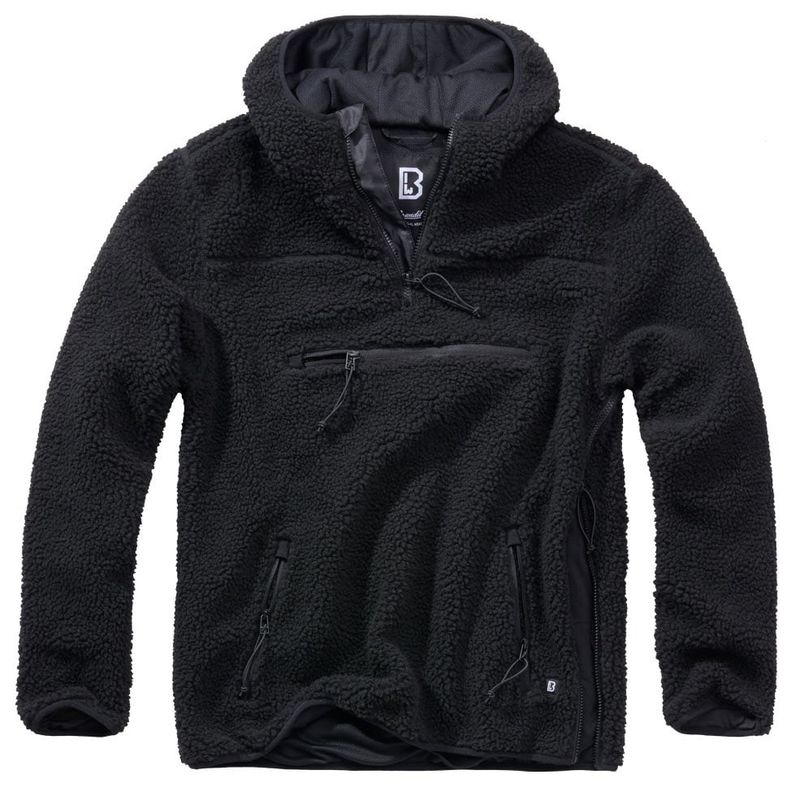
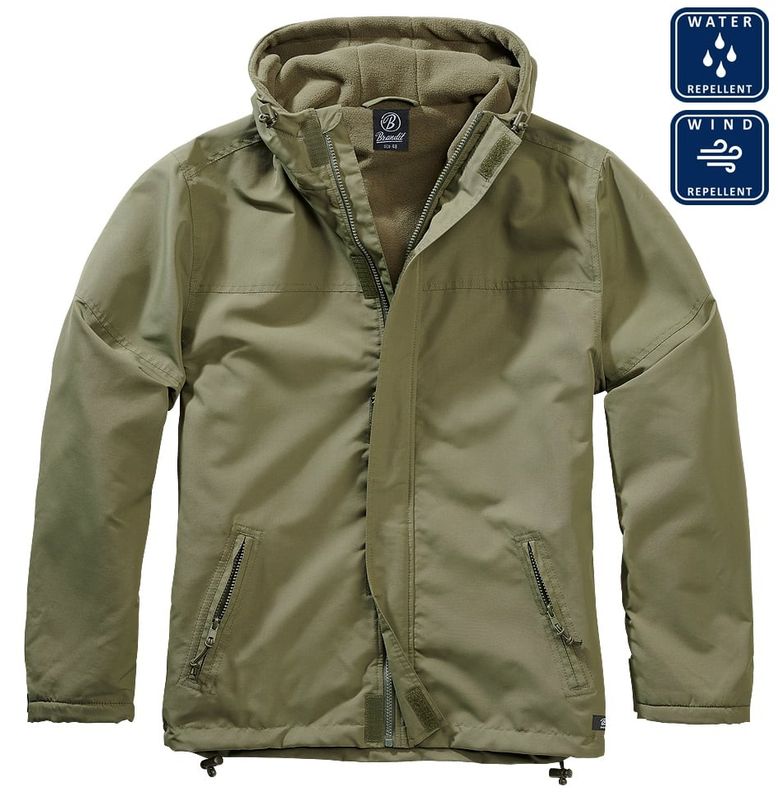
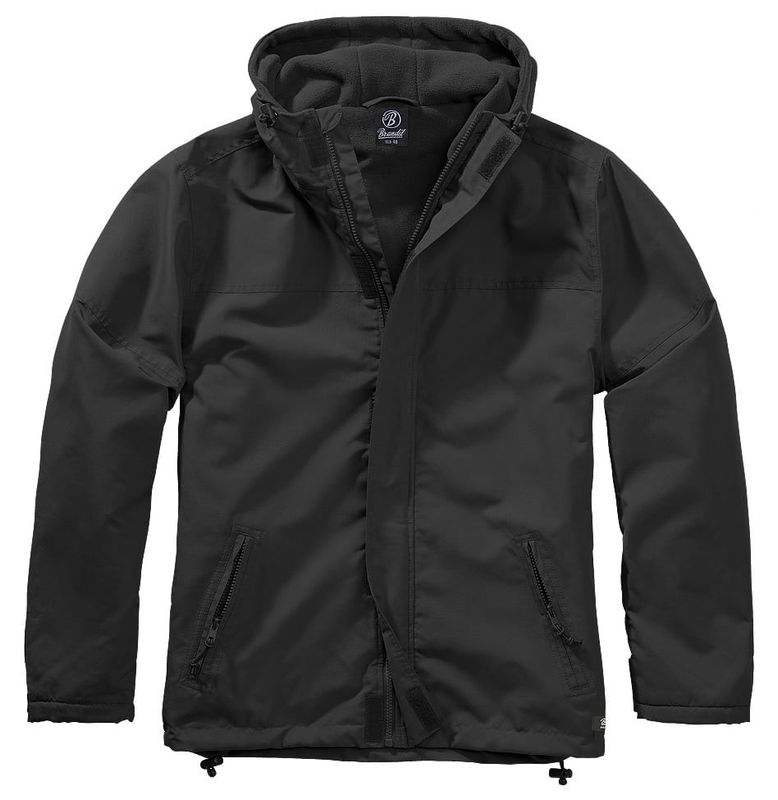
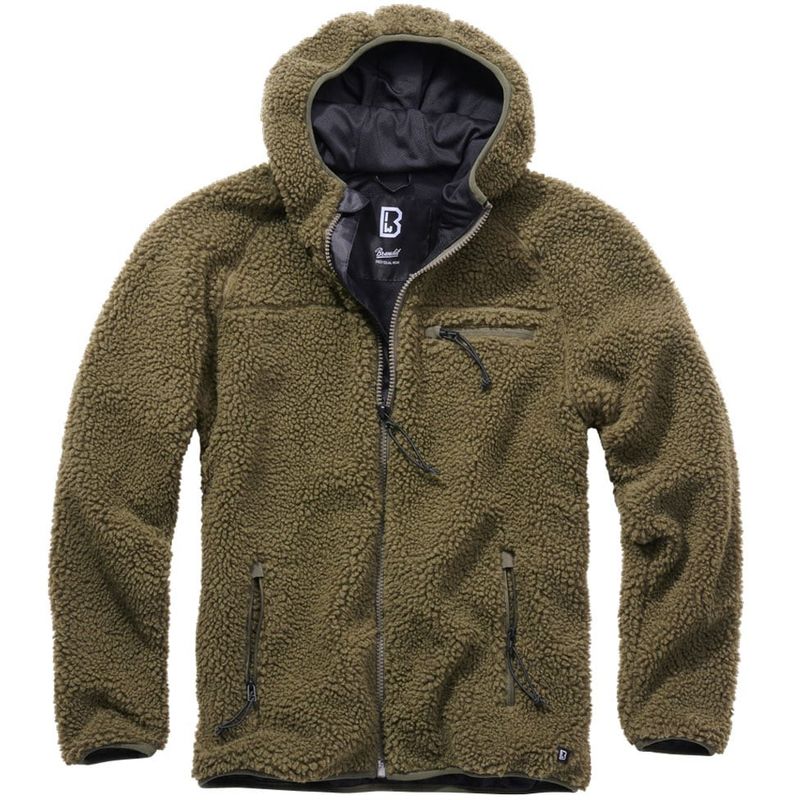
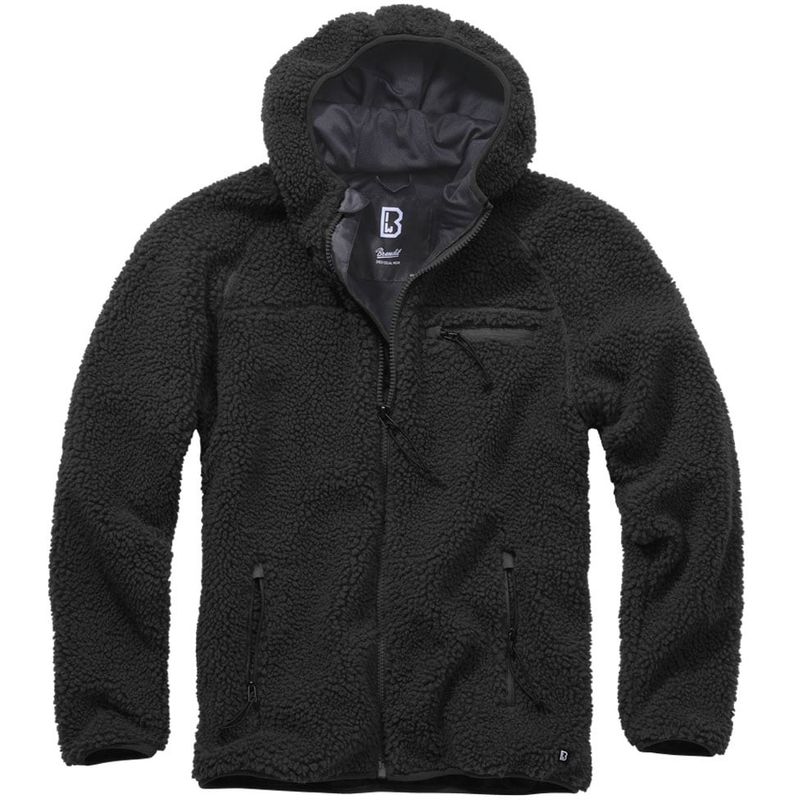
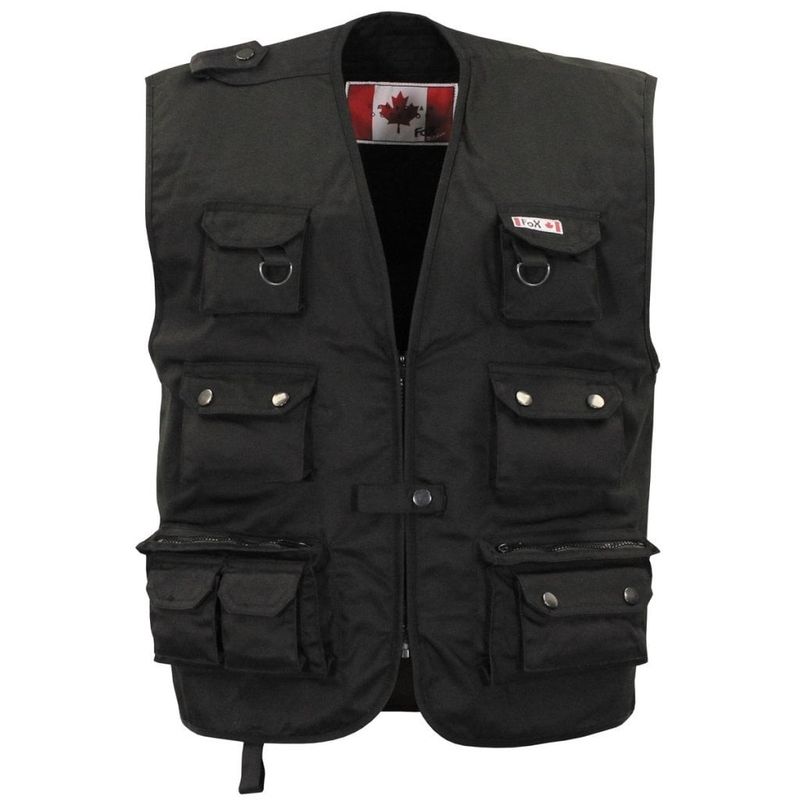
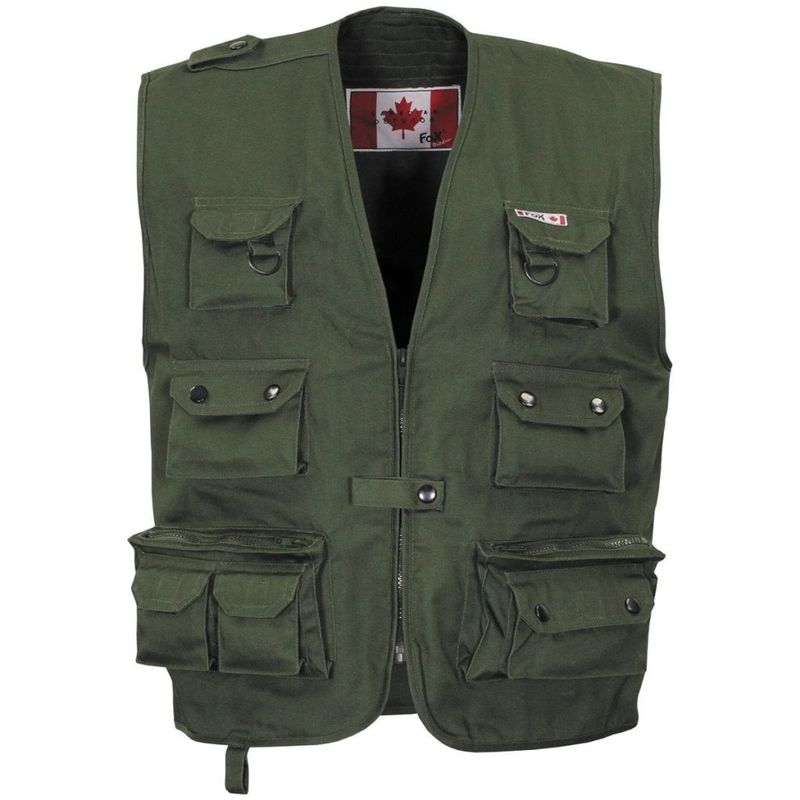
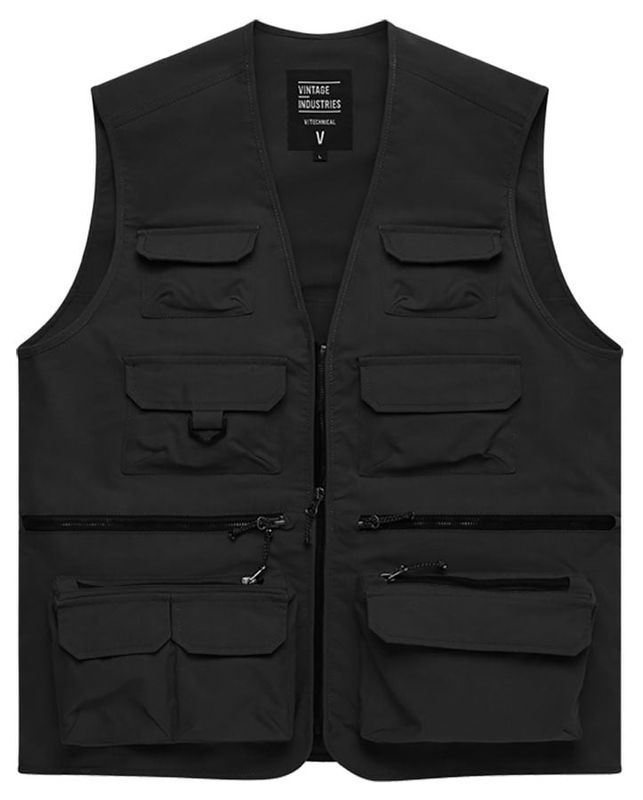
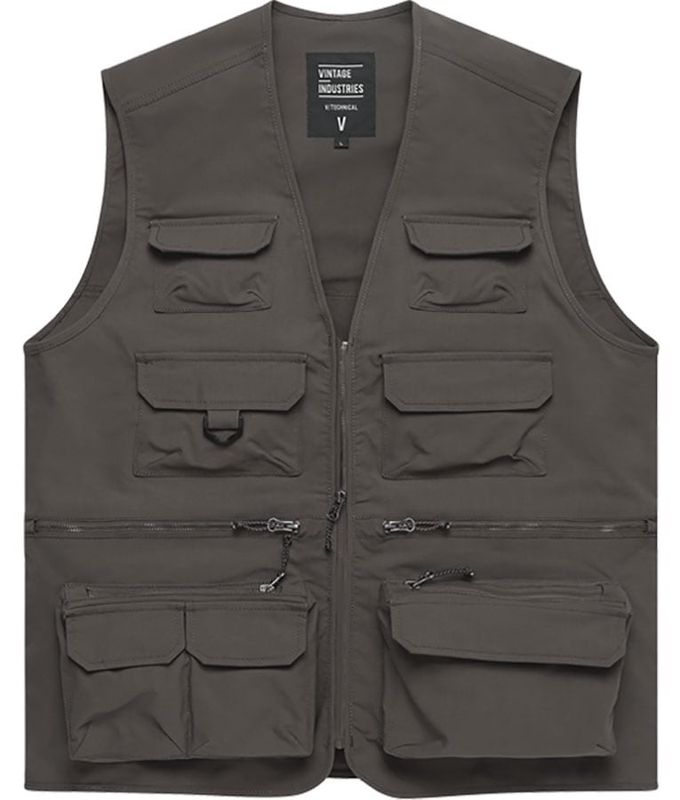
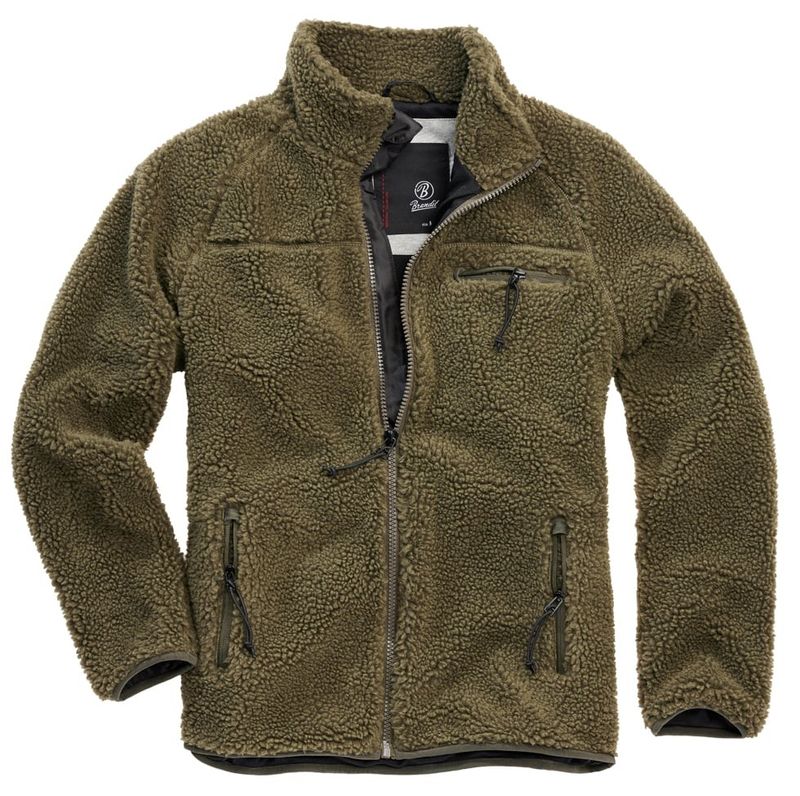
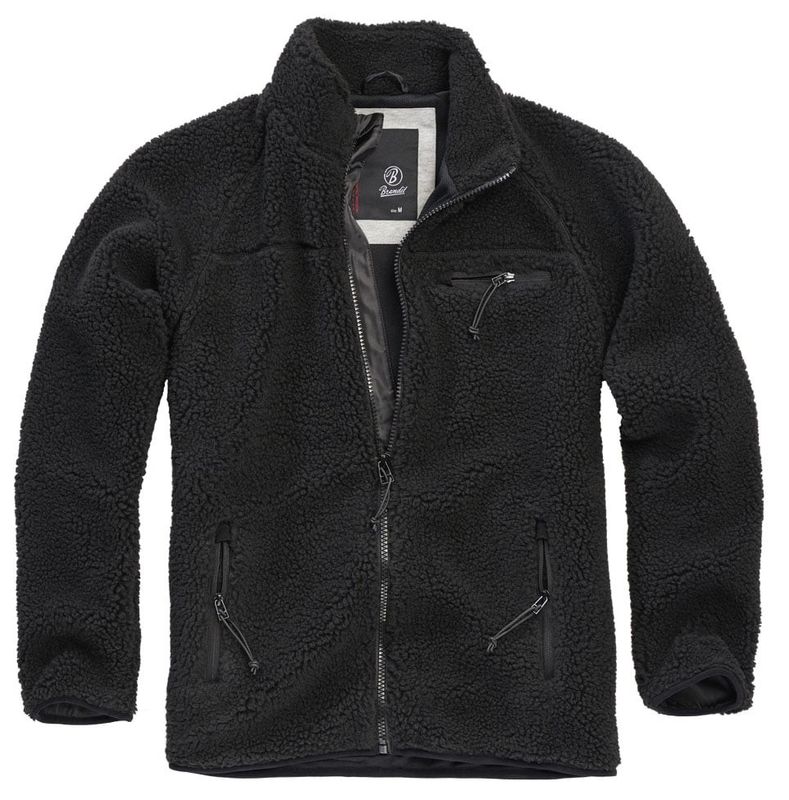
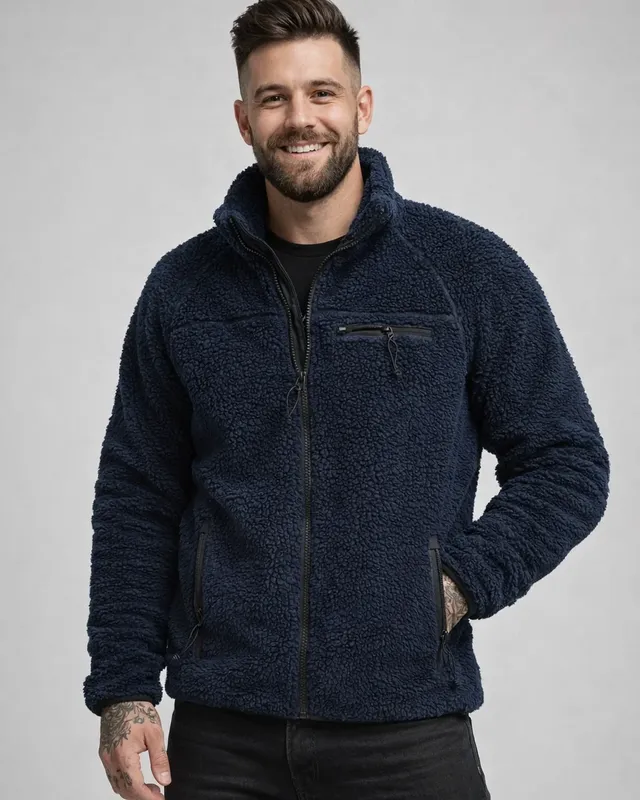
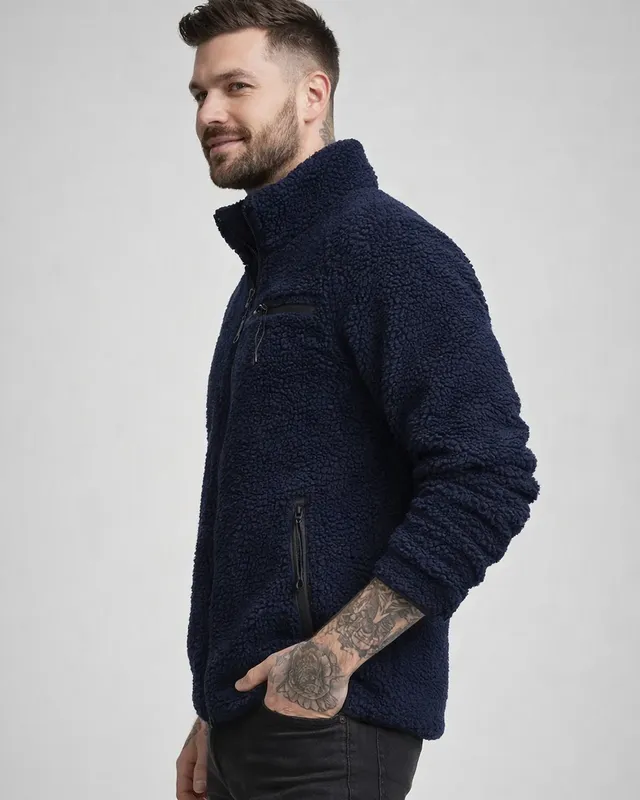
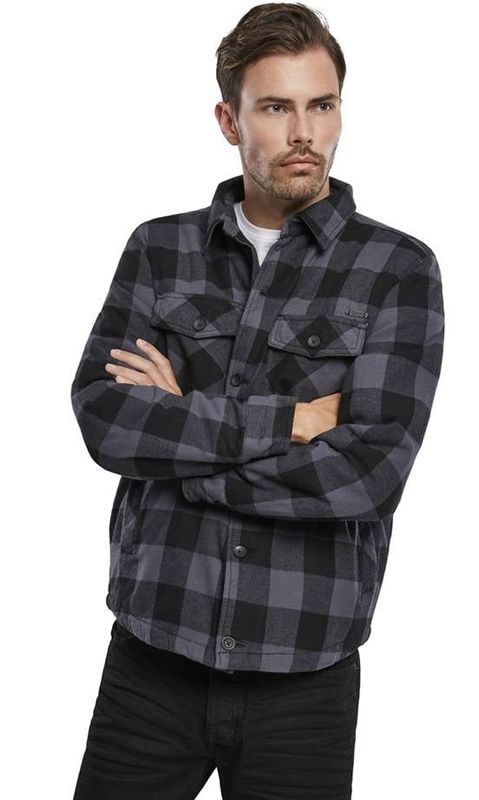
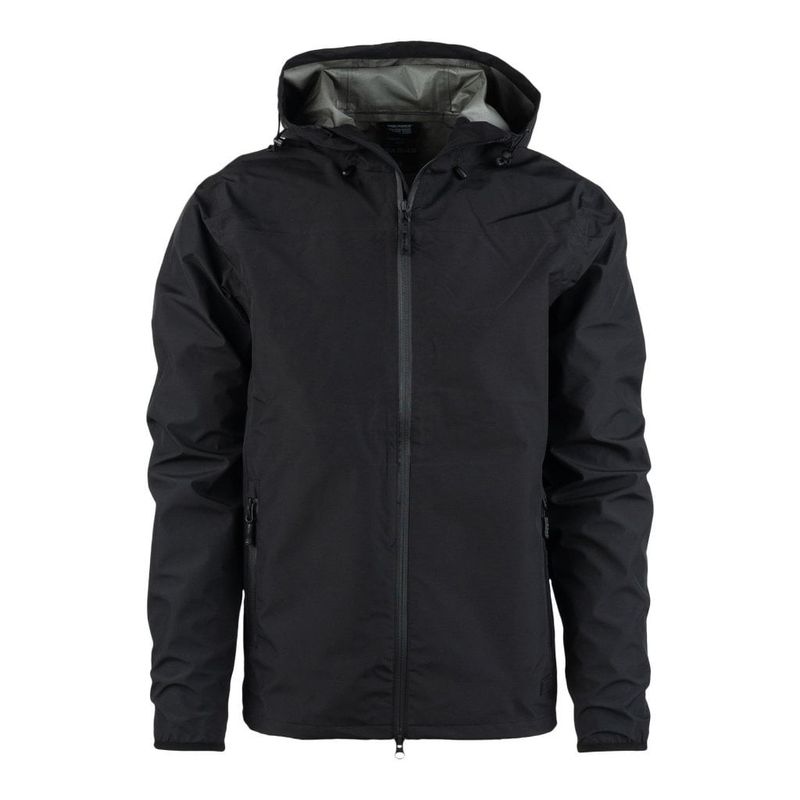
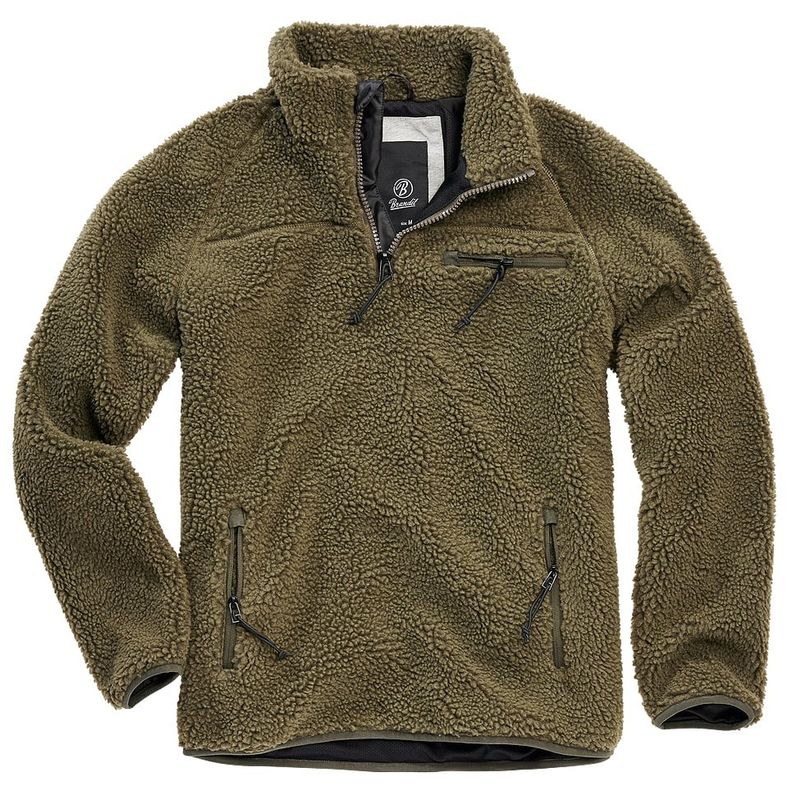
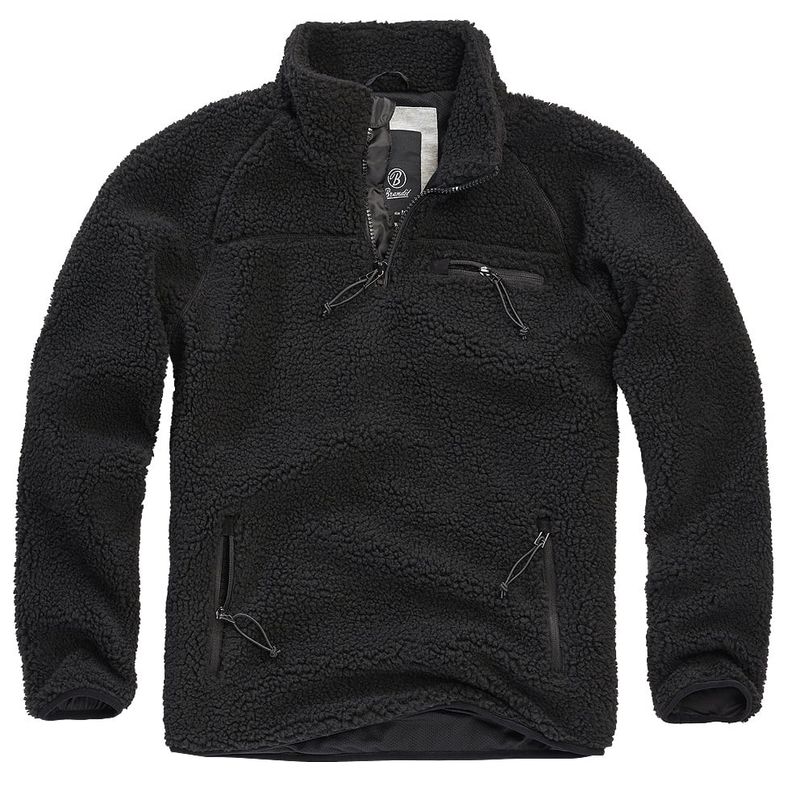
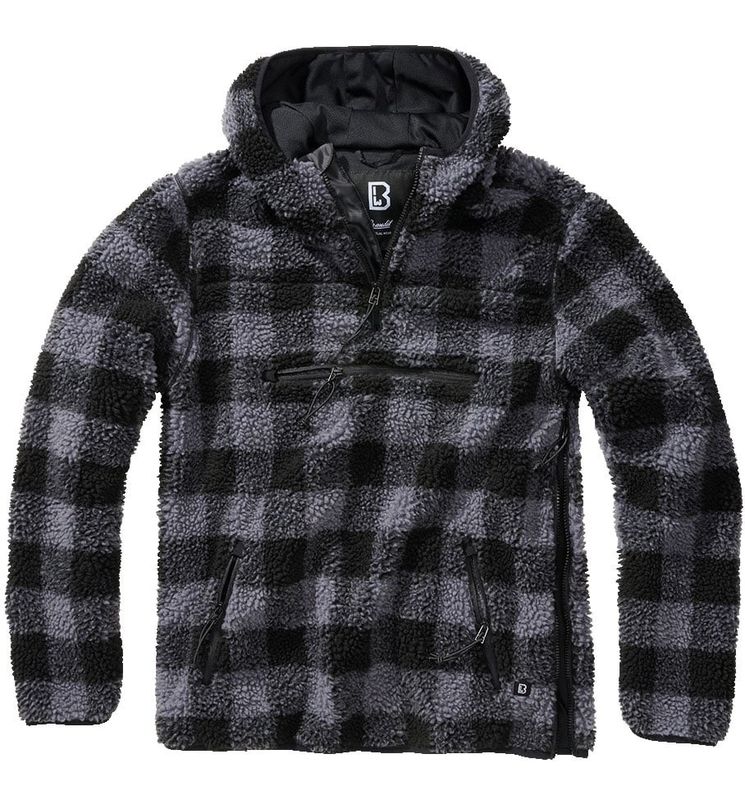
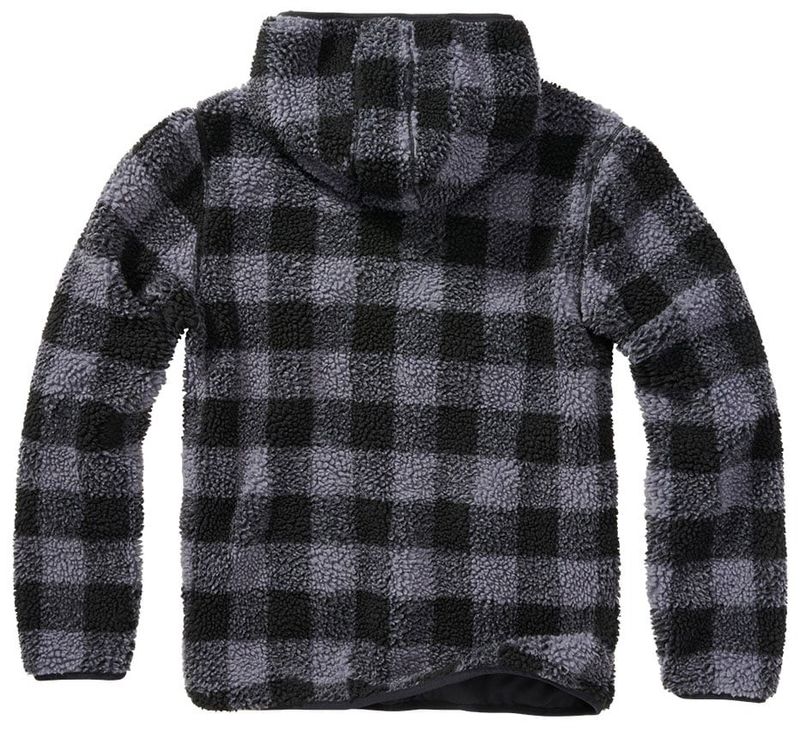
Lining and insulation concern warmth; outer fabric, seams and fastenings affect weather protection. Compare fleece jackets and fleece-lined jackets and teddy jackets and teddy-lined jackets for soft texture or lining. Choose men’s gilets and vests for a sleeveless option when you want different layers on your arms. For protection from wind or rain, explore men’s windbreakers and rain jackets and rain ponchos. Water-repellent does not mean waterproof, and polyester or softshell in a fabric description is not enough to establish rain protection.
Compare garment measurements with a jacket that fits, and body measurements with your body. If the guide gives chest width for a garment laid flat, measure your own jacket the same way; if it gives body chest circumference, do not compare that with a garment’s flat width. Check sleeve and back length too, and try the jacket with the layers you plan to wear. For more advice on chest, stomach and hips, see men’s jackets in larger sizes. Sizes and selectable variants differ between designs.
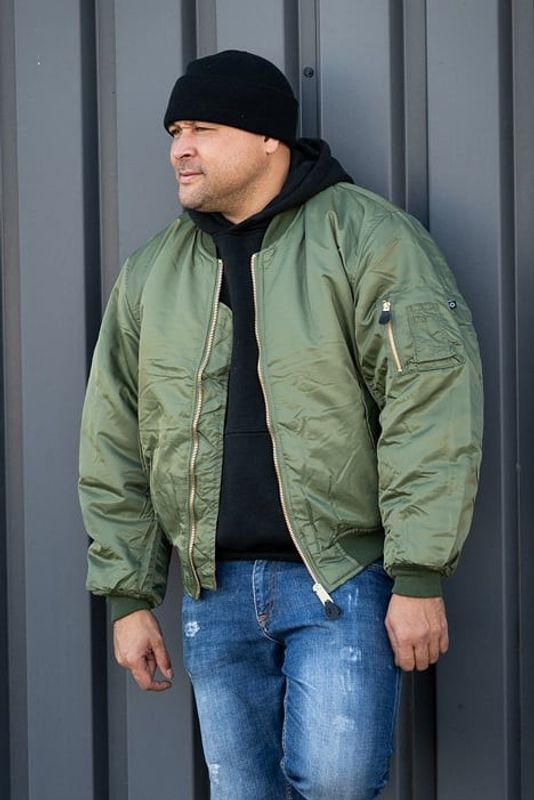
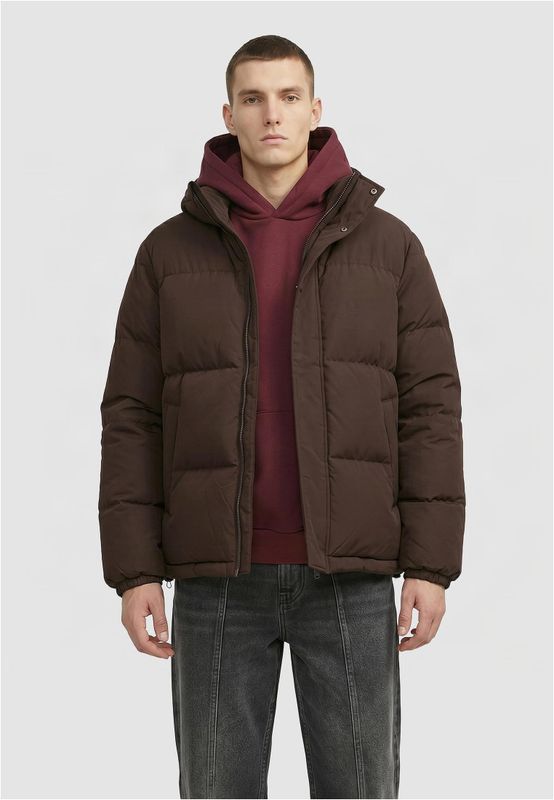
Try the whole outfit, especially a long hoodie under a short jacket. Check where the top’s hem ends and whether the jacket’s hem pulls it up. A straighter outer layer can hang differently over the same top. Make sure you can also use the pockets with the jacket fastened. For a short-sleeved base layer, compare men’s T-shirts and check that the sleeves fit comfortably under your jacket. For a sleeveless base layer, compare men’s tank tops and choose the length to work with the jacket’s hem. Pick the look you like – but let the fit have the final say.