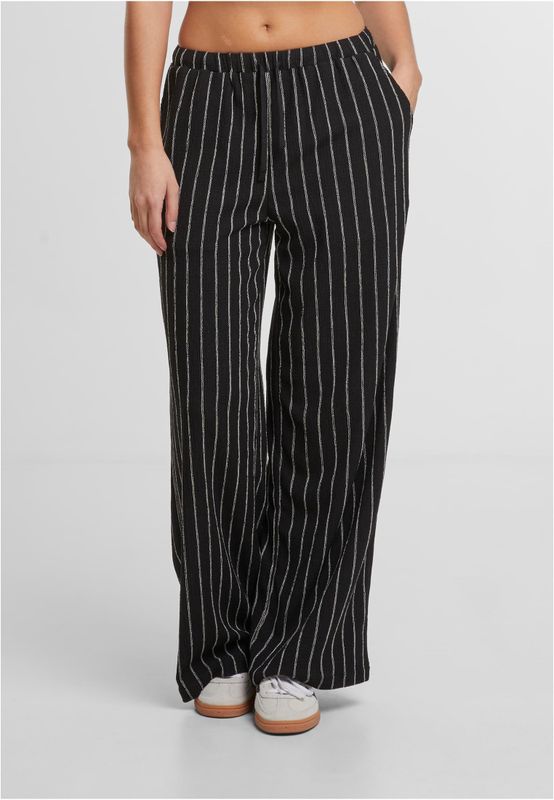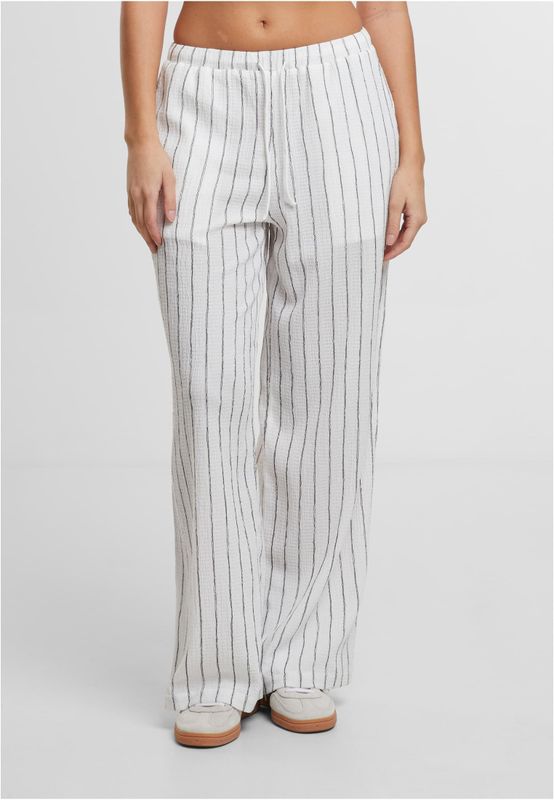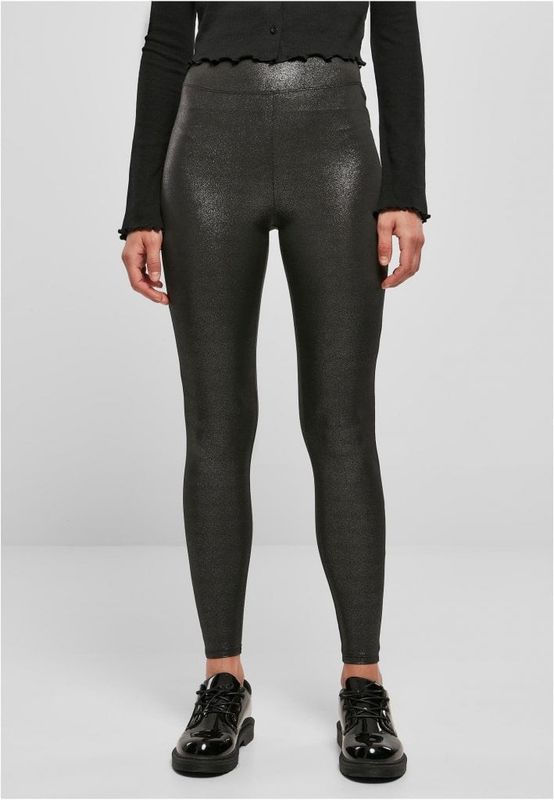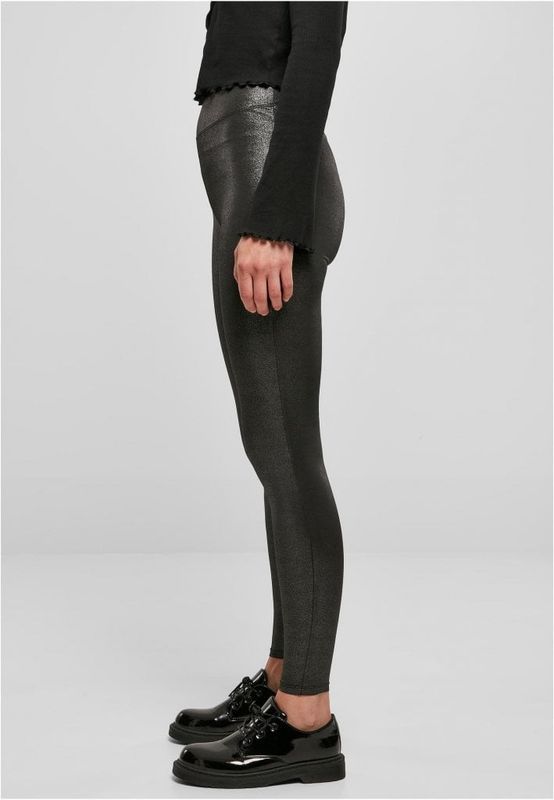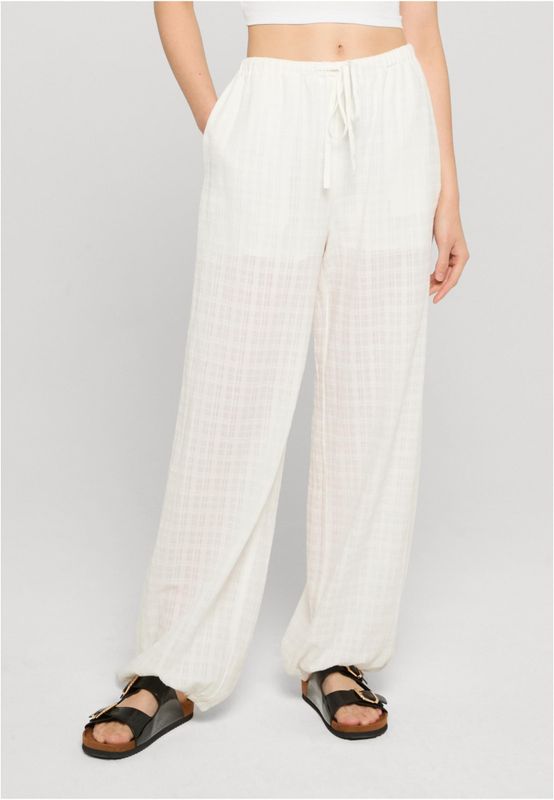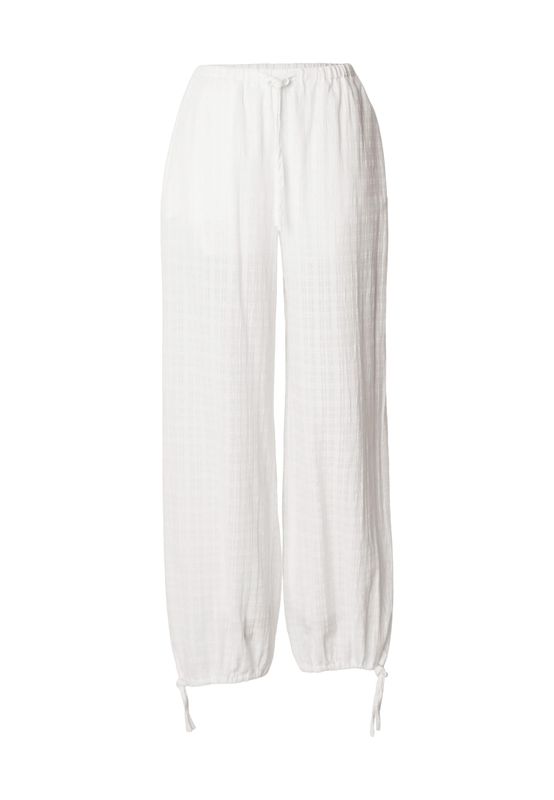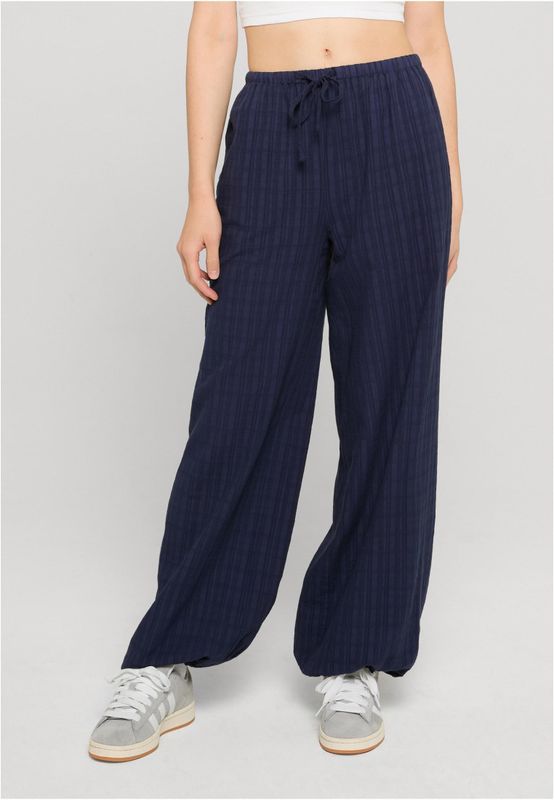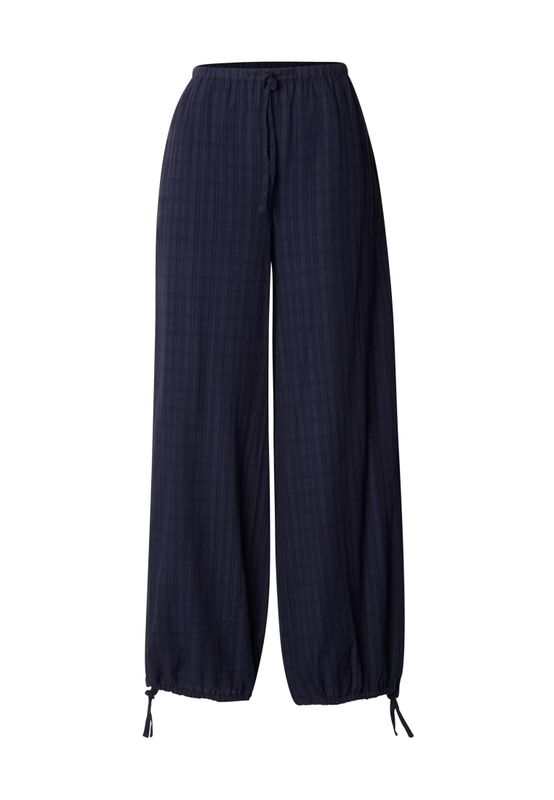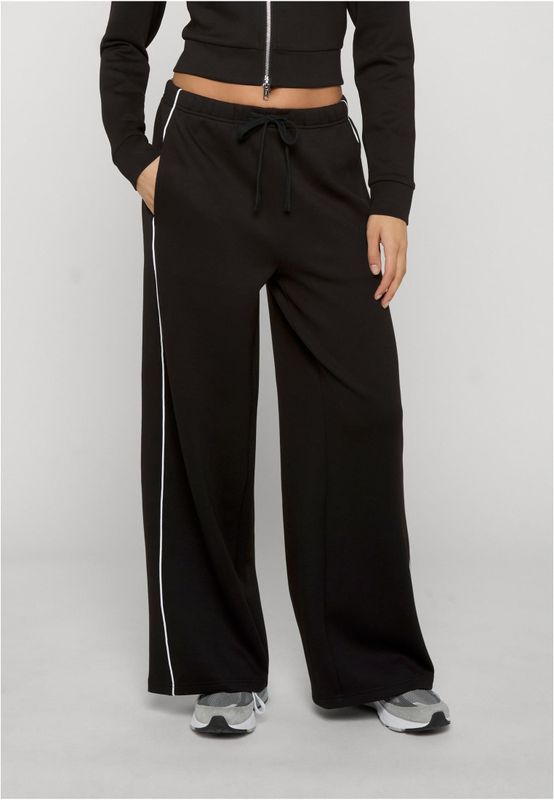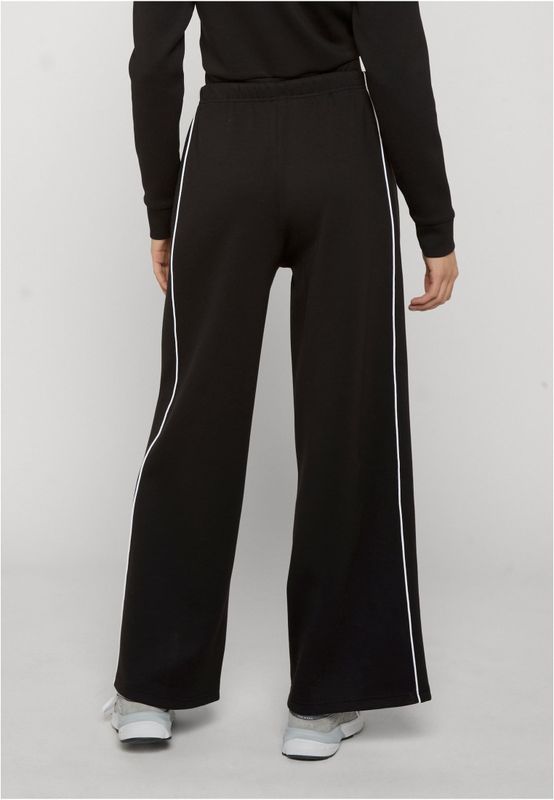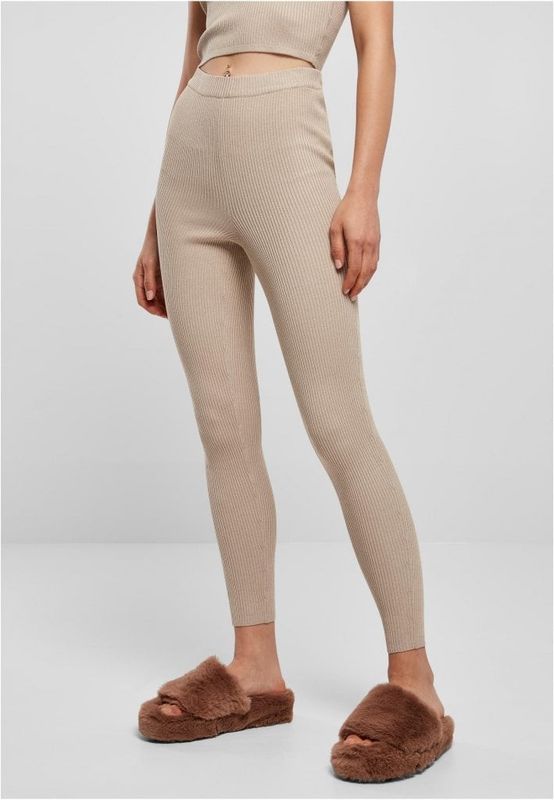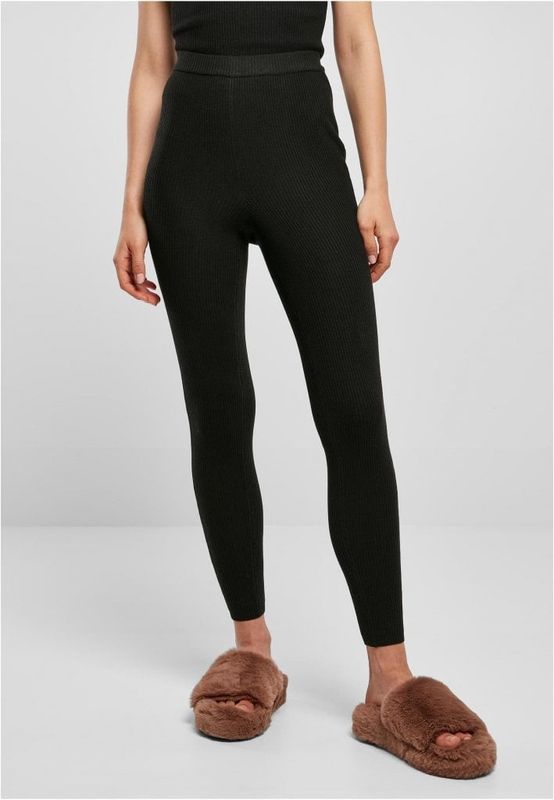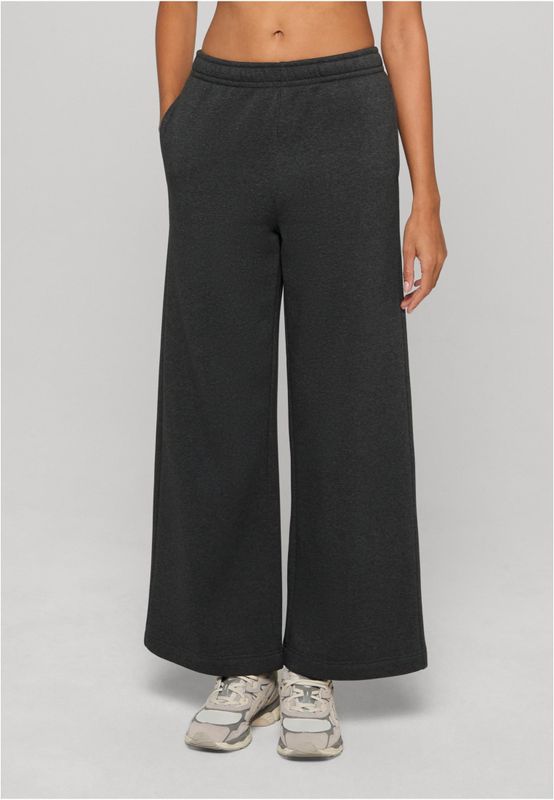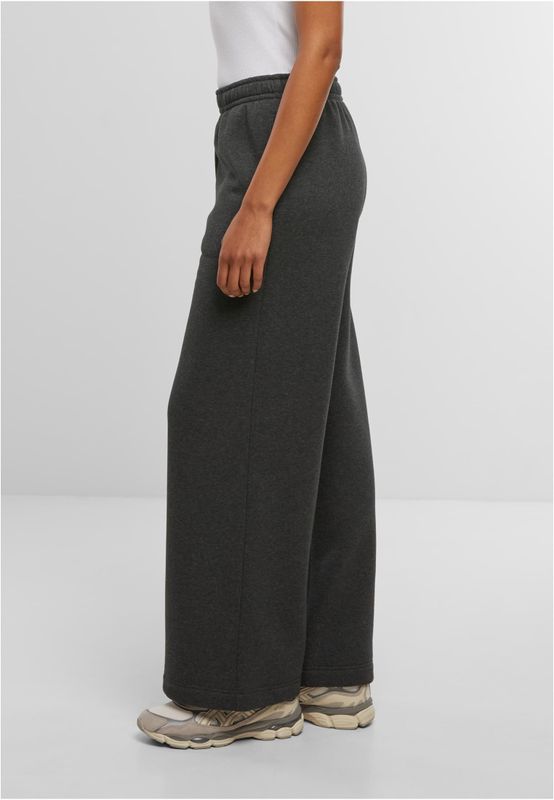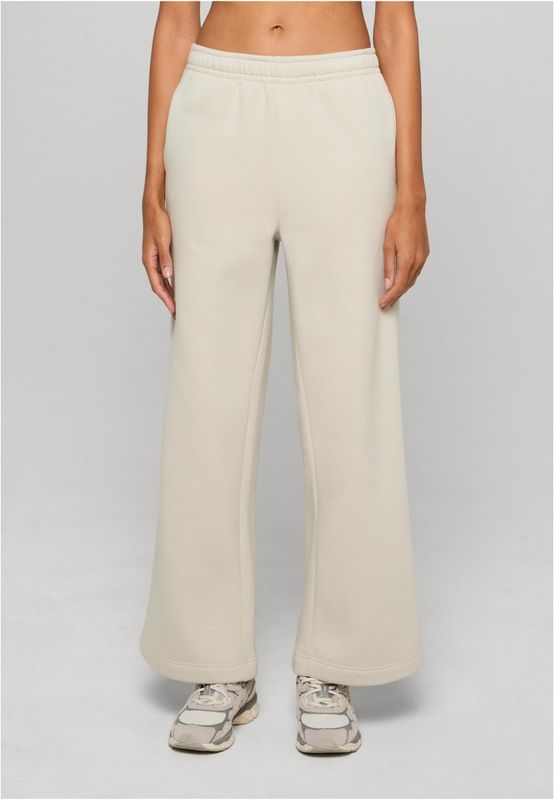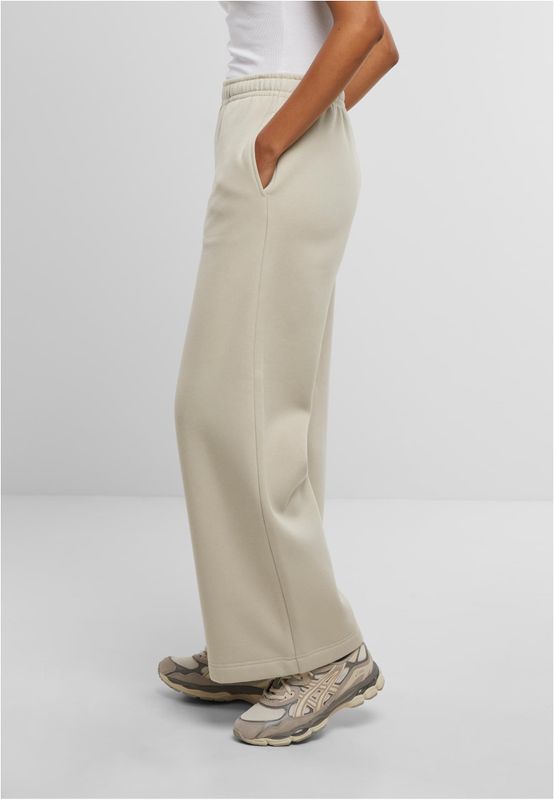
Women's trousers
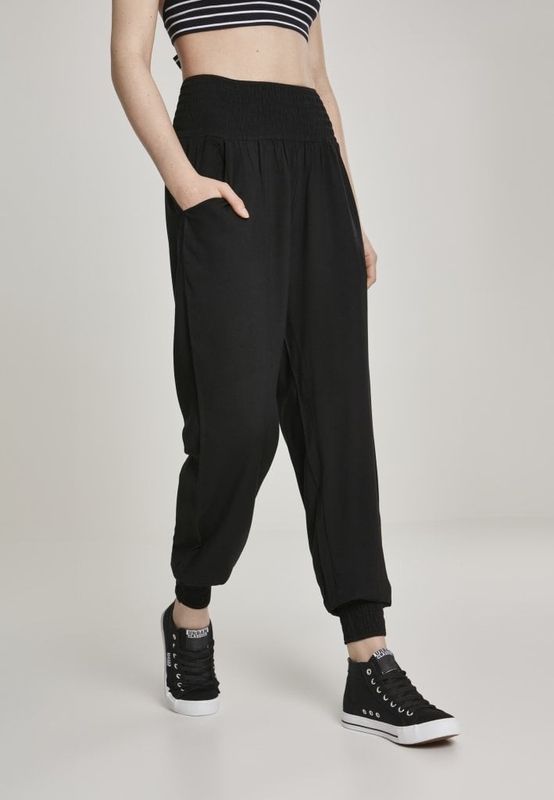
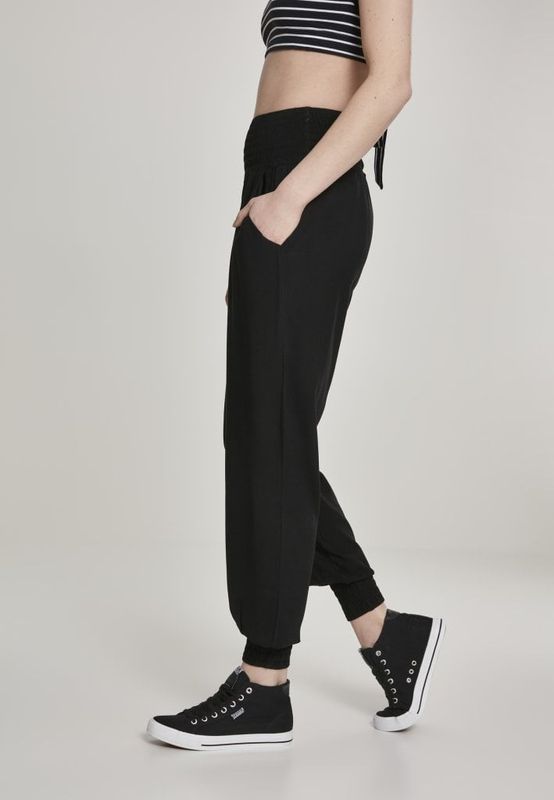
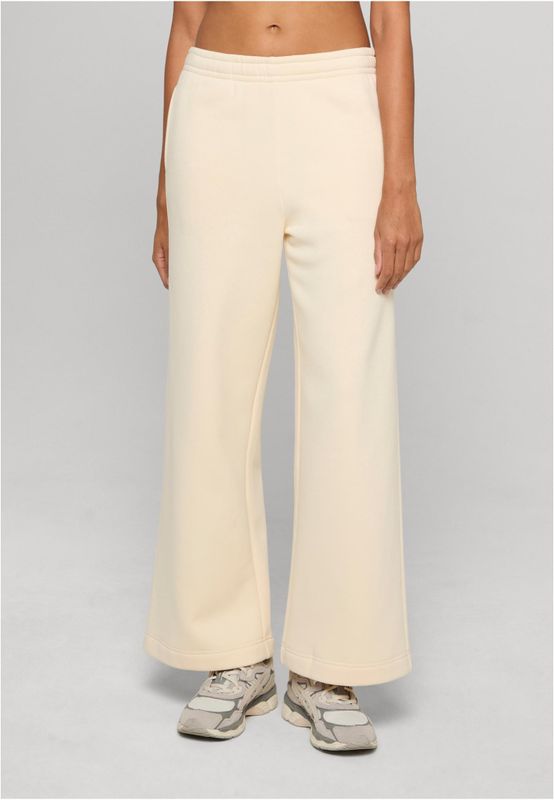
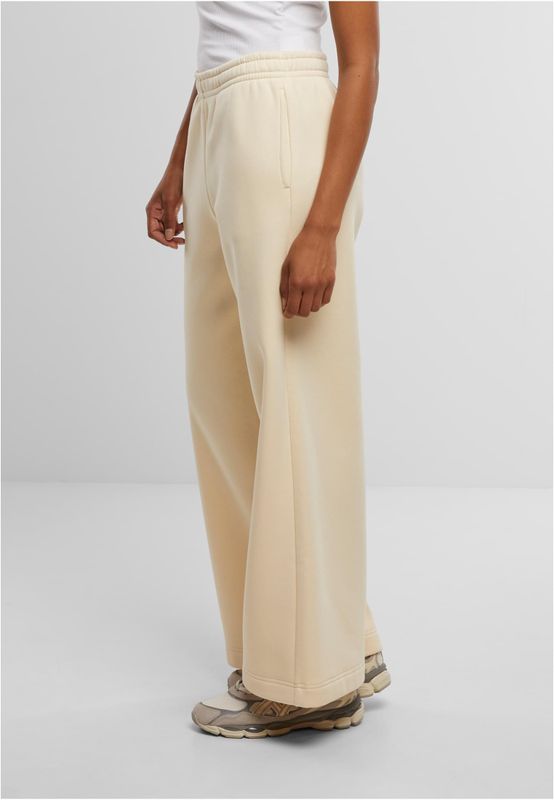
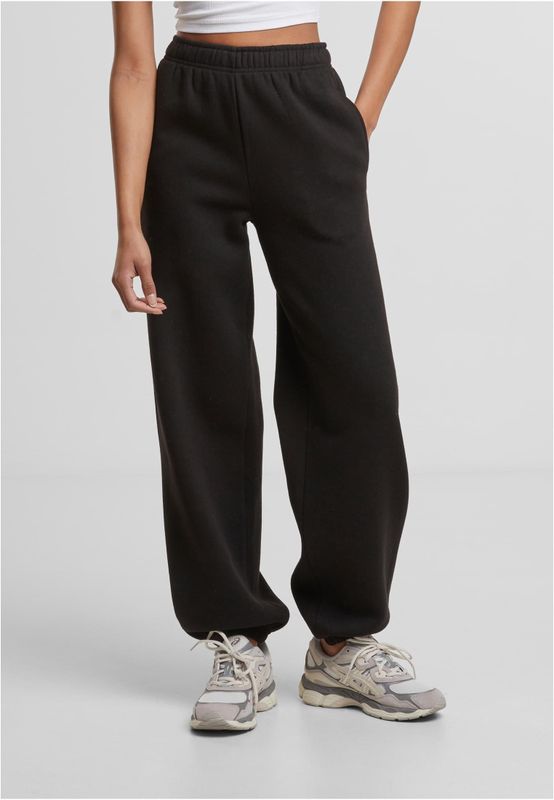
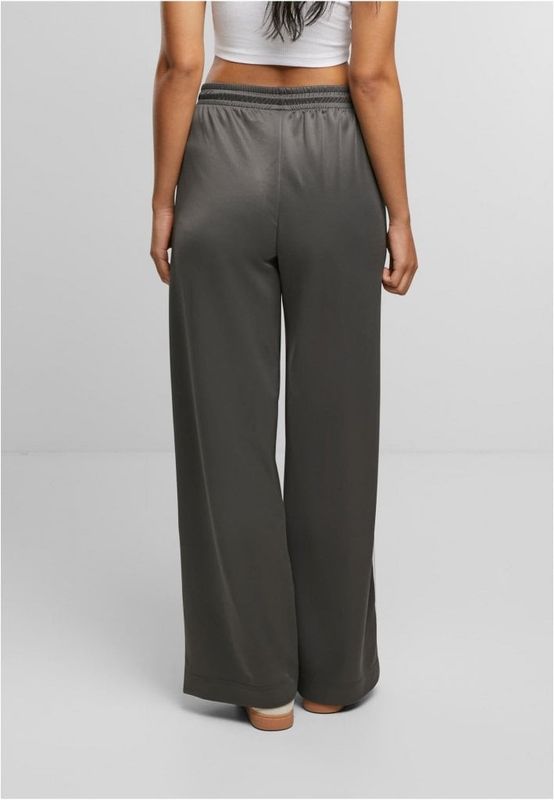
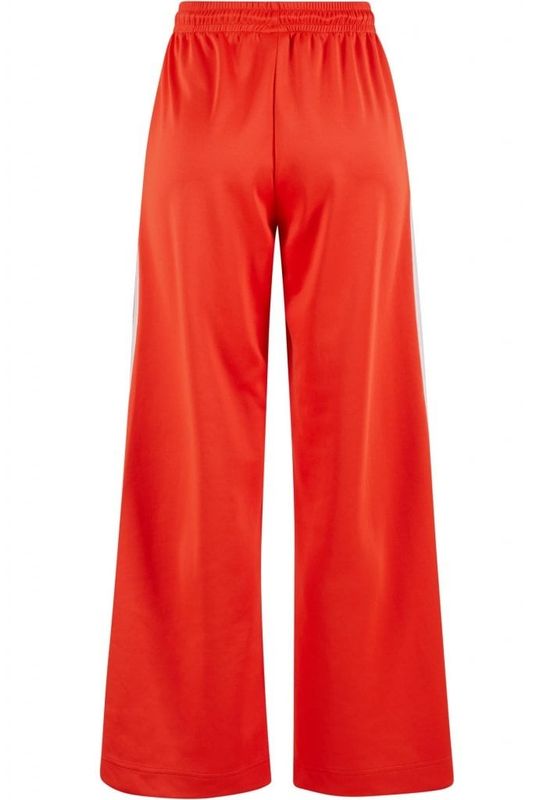
Women's trousers for everyday outfits and your own style, from joggers and leggings to cargo trousers, culottes and faux leather trousers. Compare close, straight and wide fits and decide how much space your style should take.
Women's trousers for everyday outfits and your own style, from joggers and leggings to cargo trousers, culottes and faux leather trousers. Compare close, straight and wide fits and decide how much space your style should take.
Choose a trouser type according to what you want it to add: volume, a close-fitting shape, statement pockets or a distinctive surface. This main category brings women's trouser styles together; the individual categories help you compare a specific type in more detail.
| Type | Key difference | What to check |
|---|---|---|
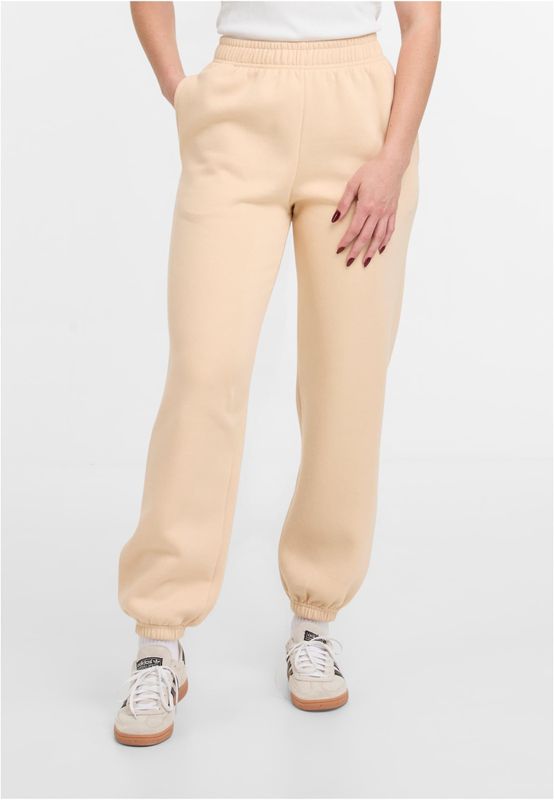
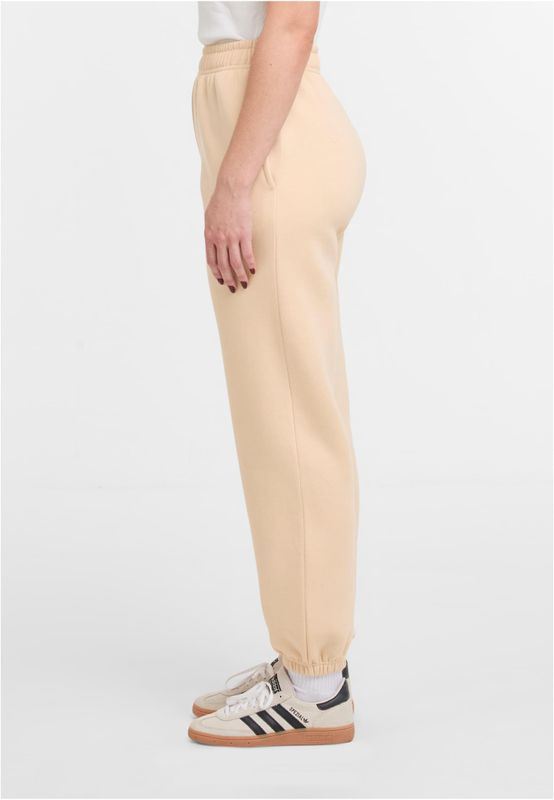
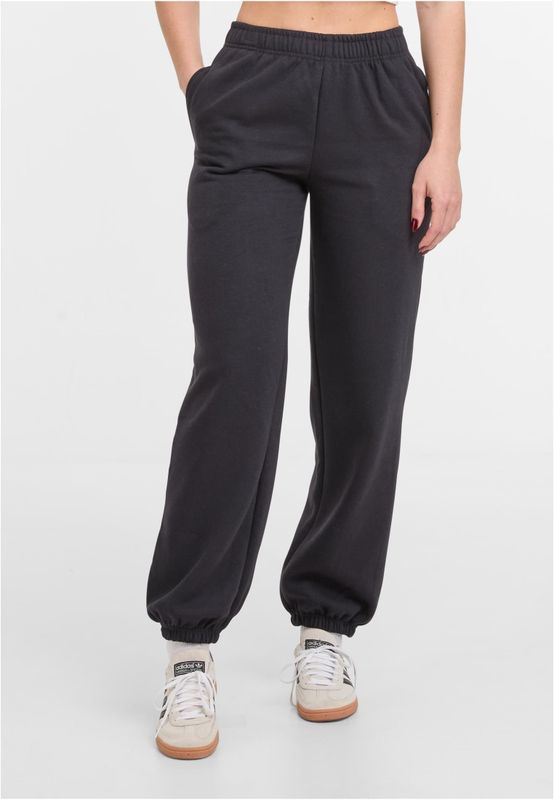
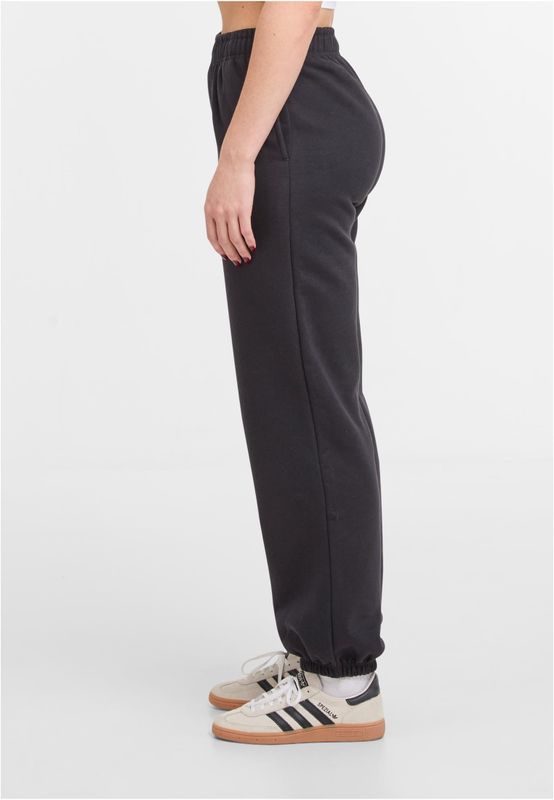
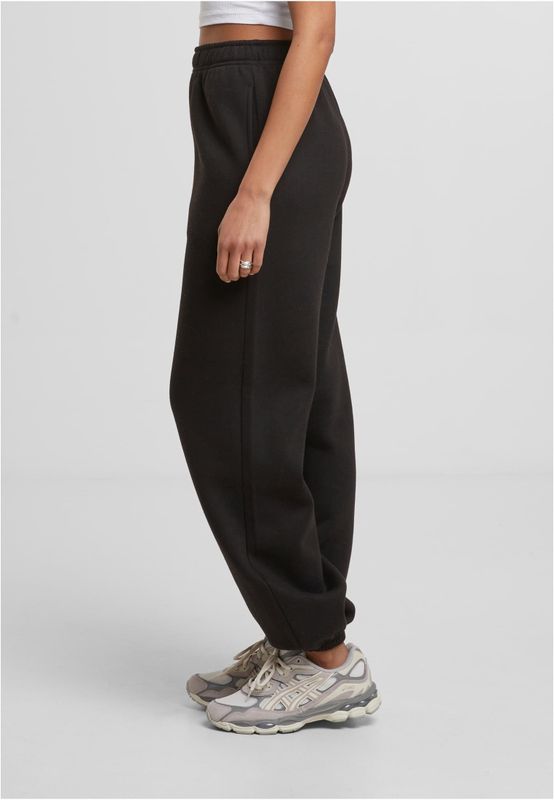
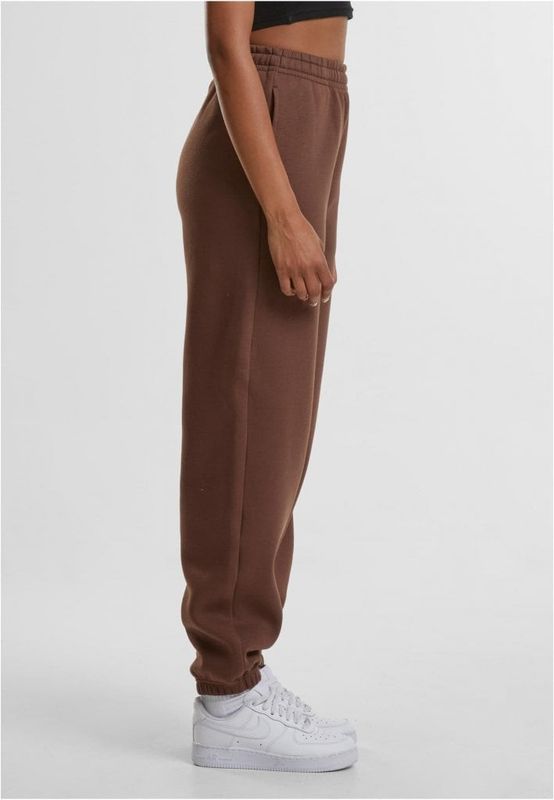
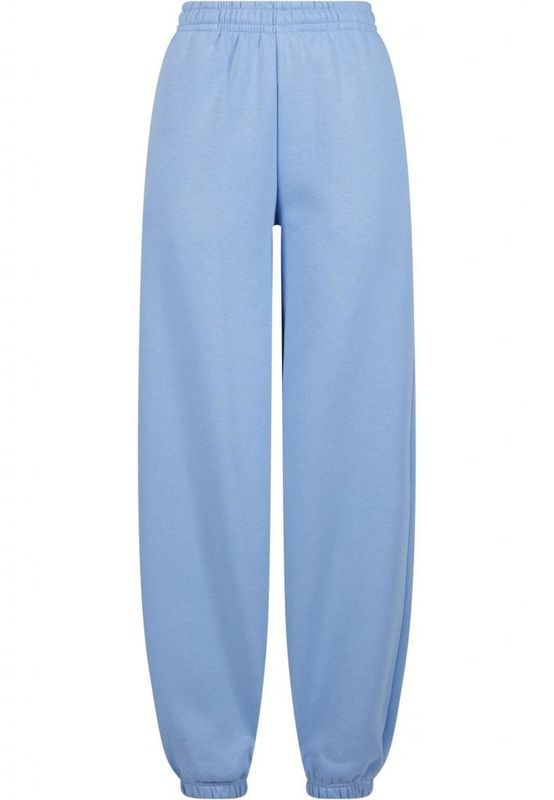
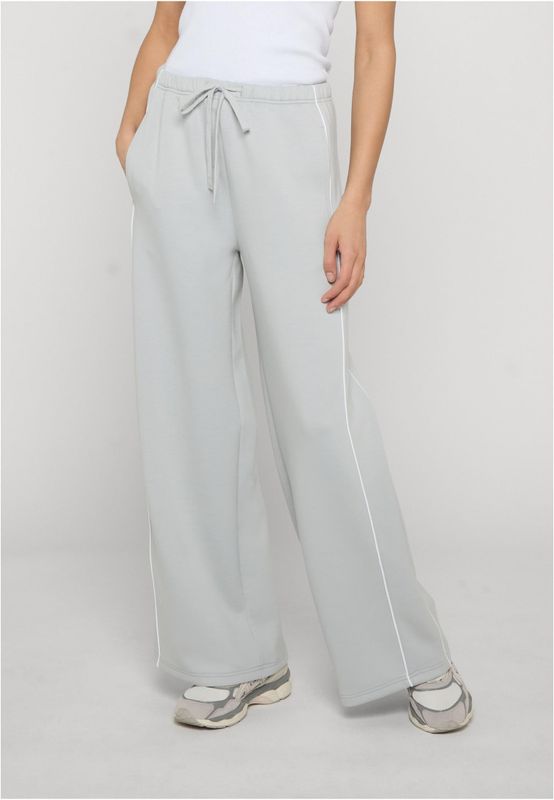
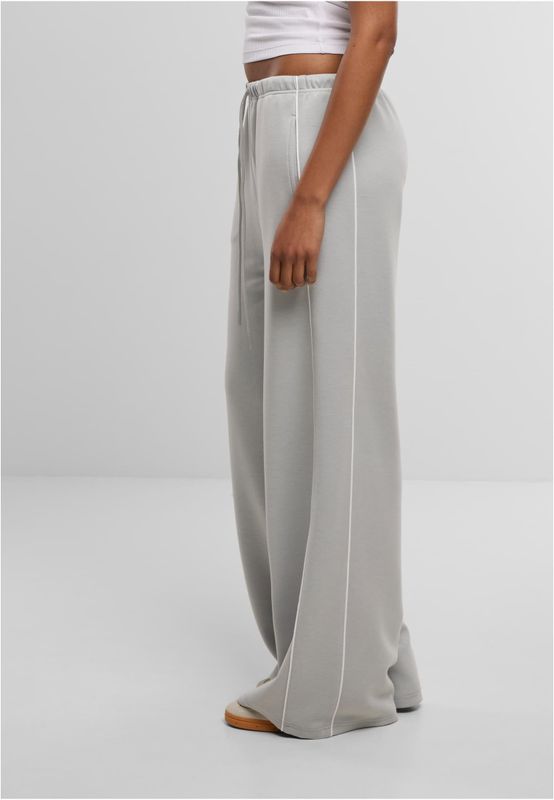
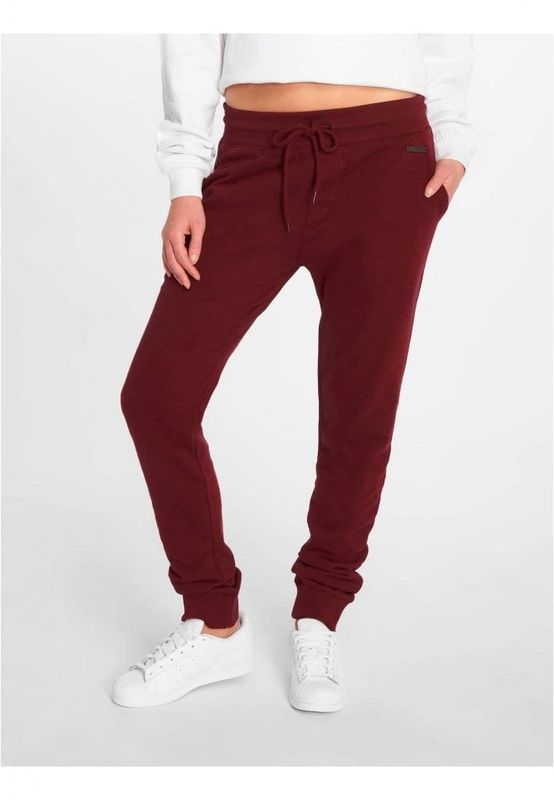
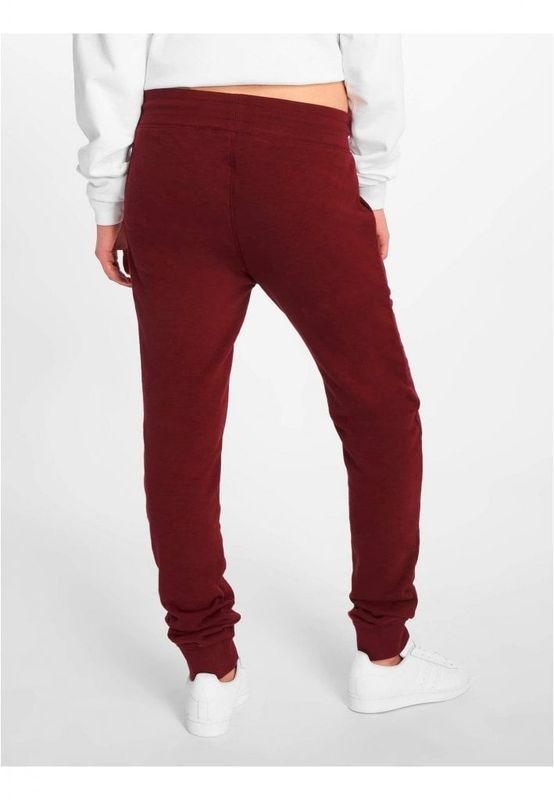
| Joggers and sweatpants | Relaxed styles, often with an elasticated waist. | Hip and thigh room, fabric type and cuffs or open hems. |
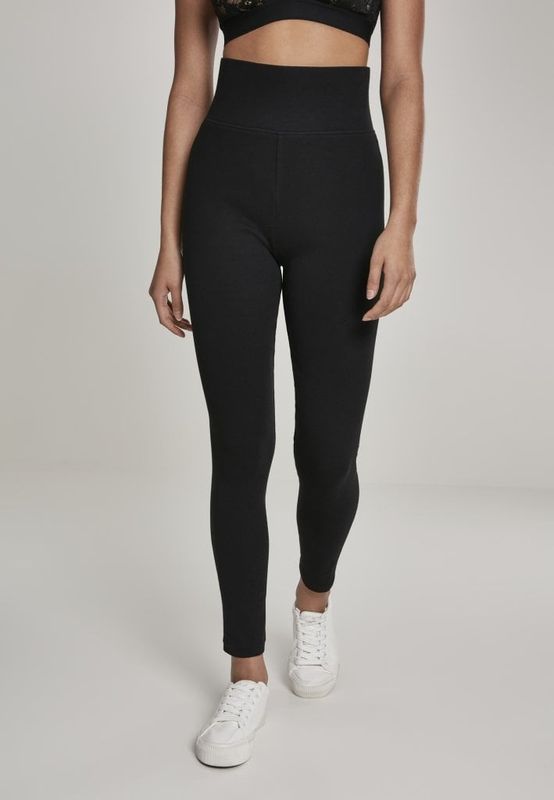
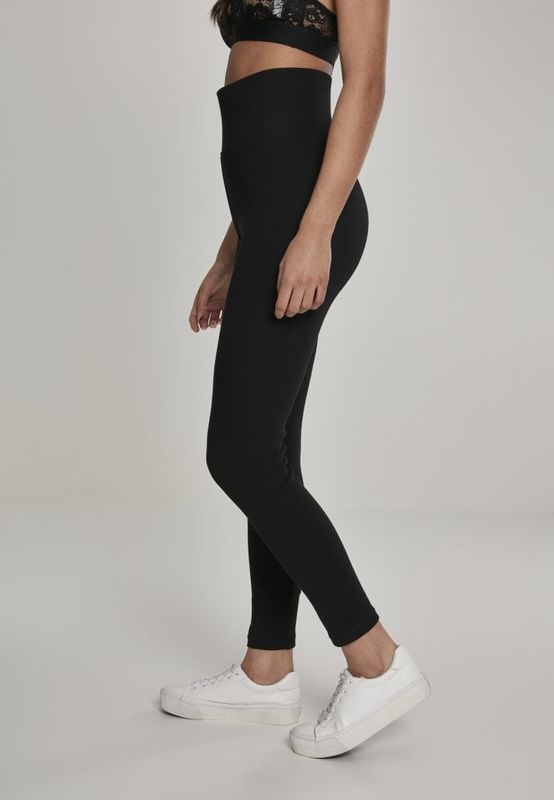
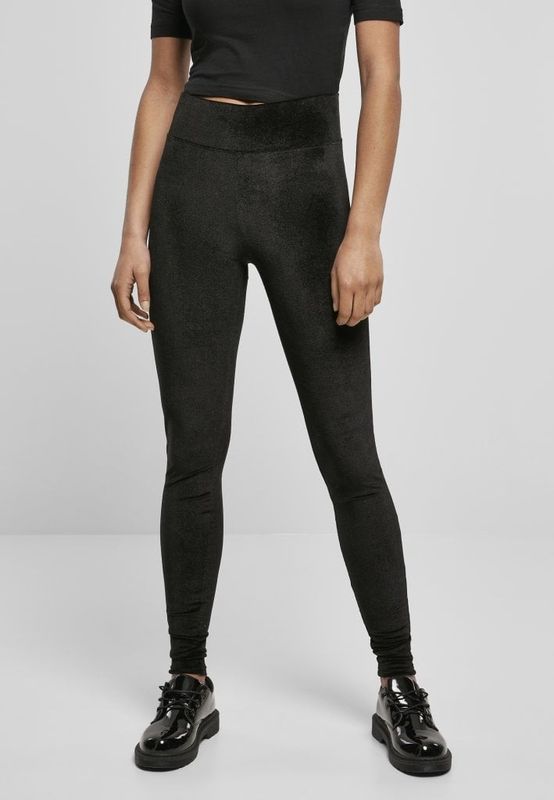
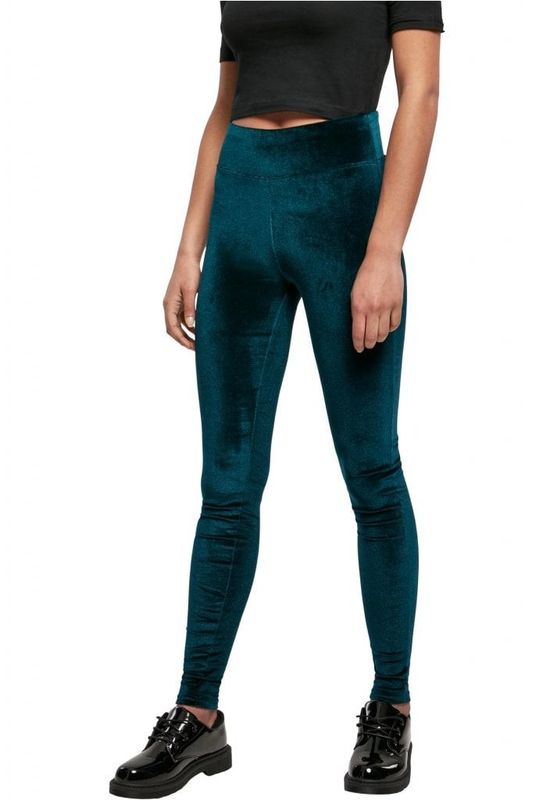
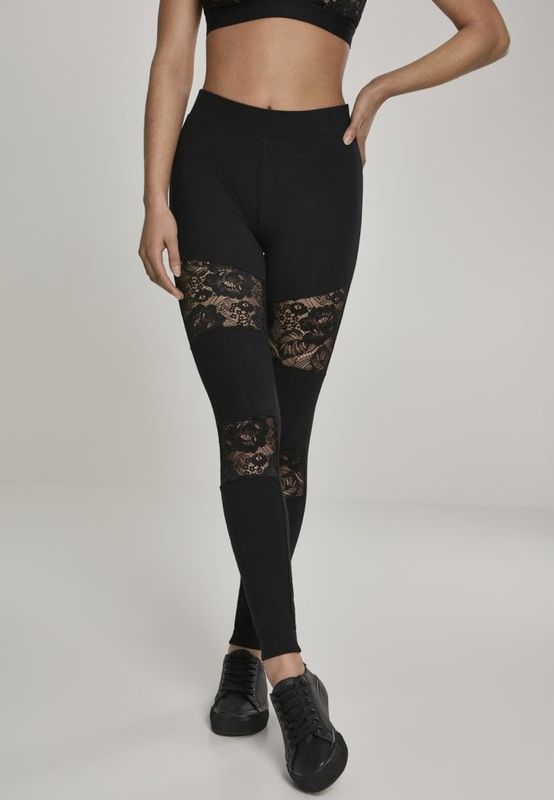
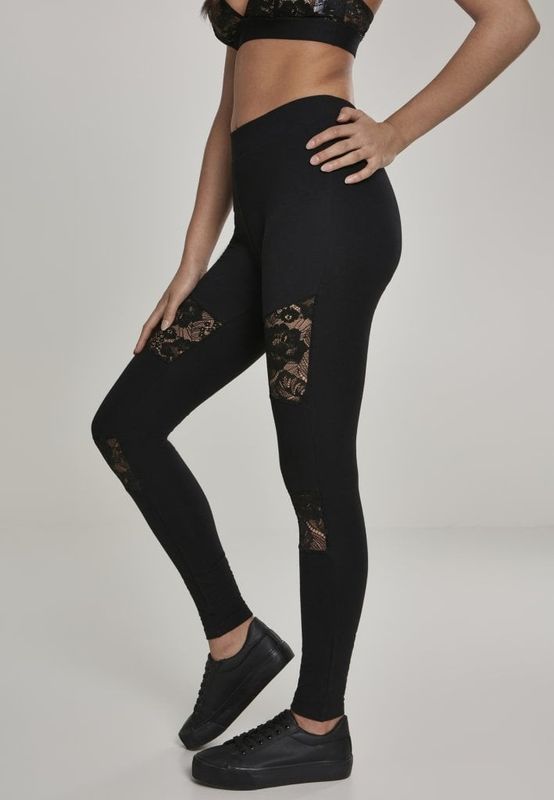
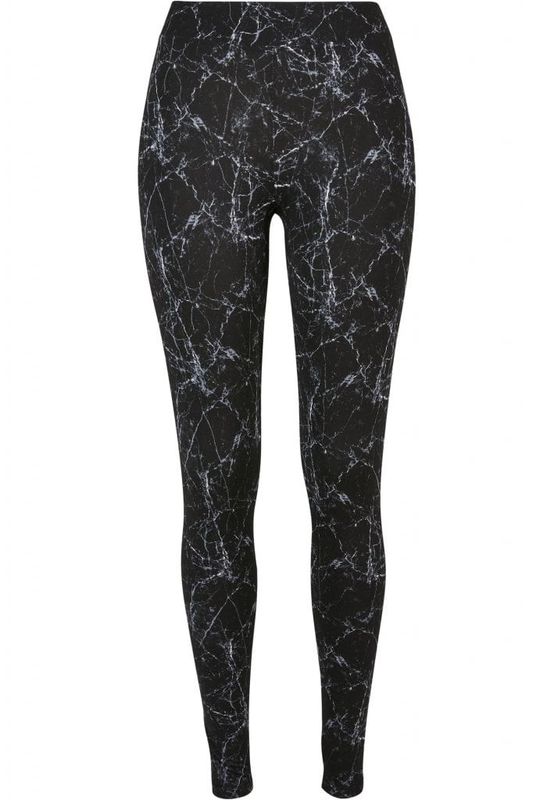
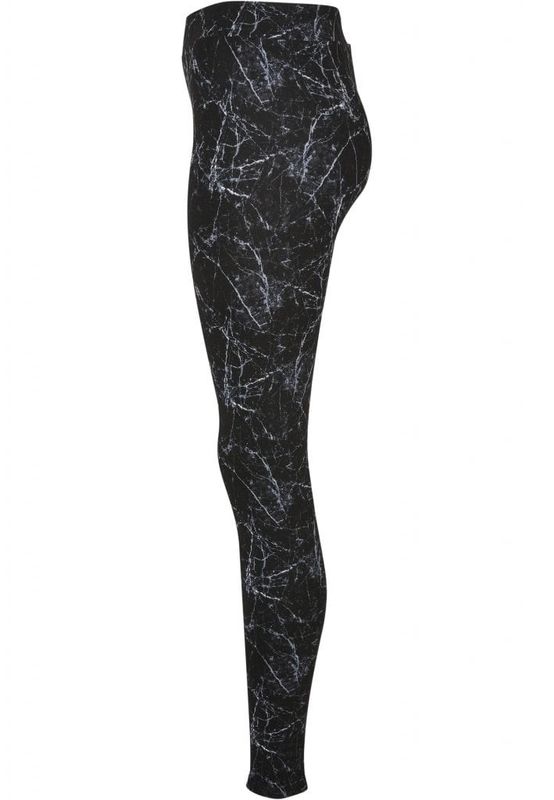
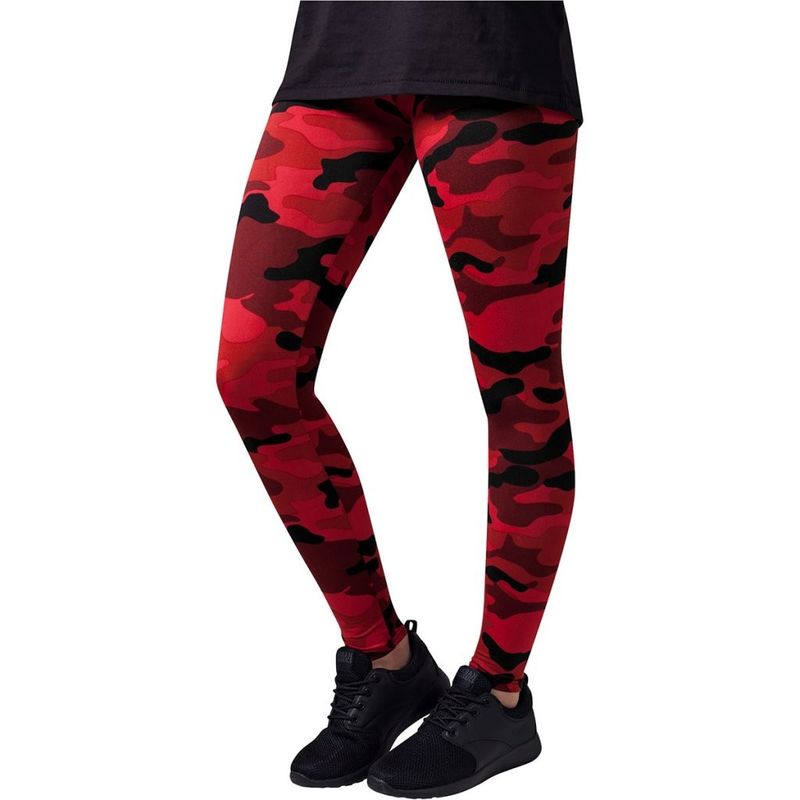
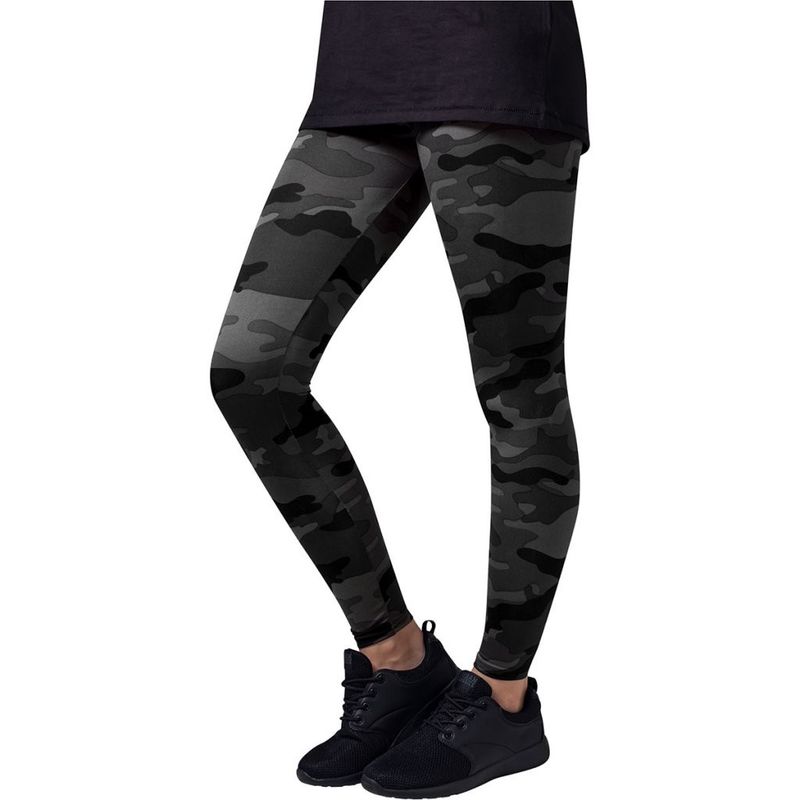
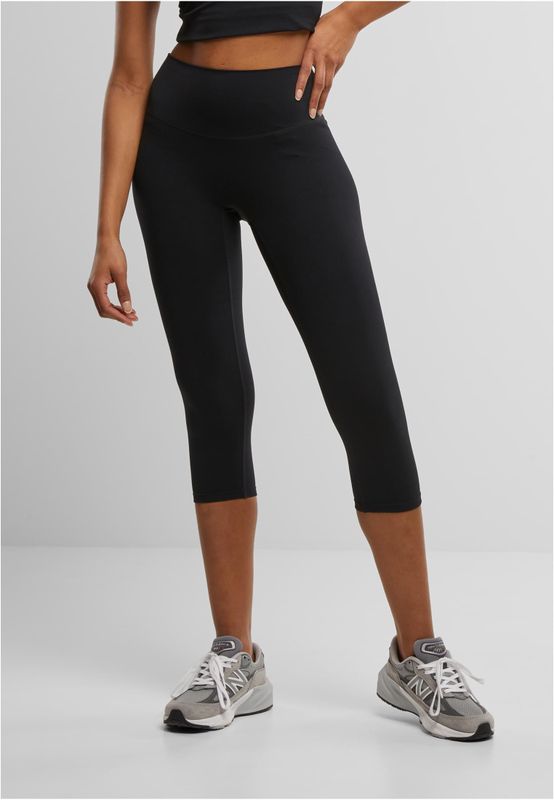
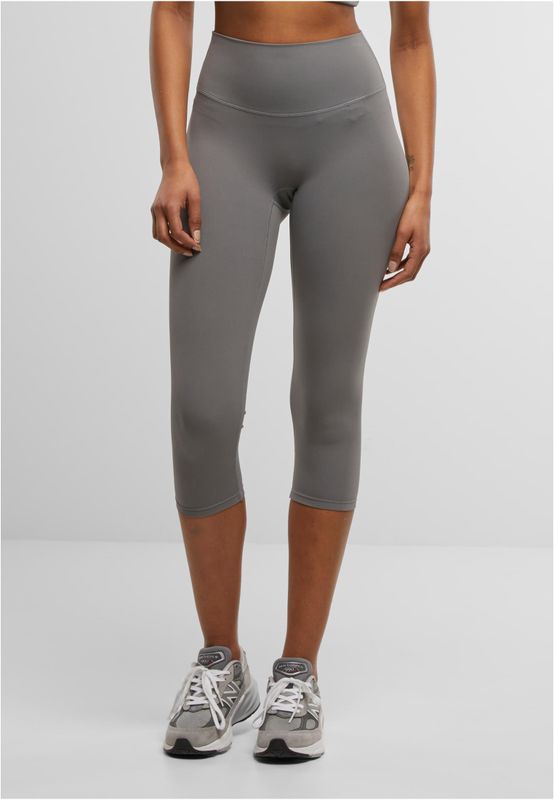
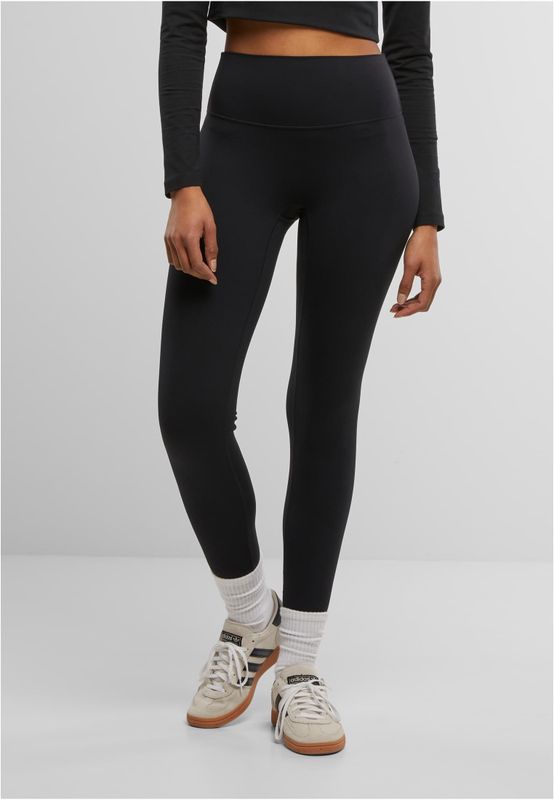
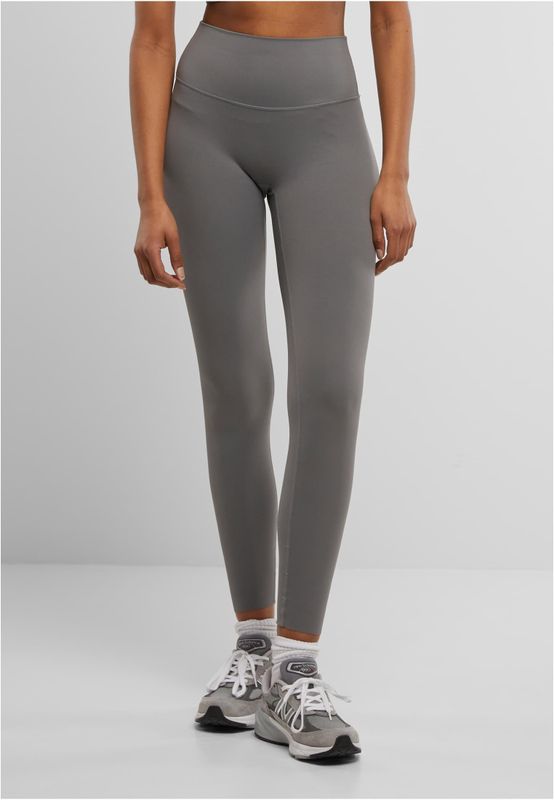
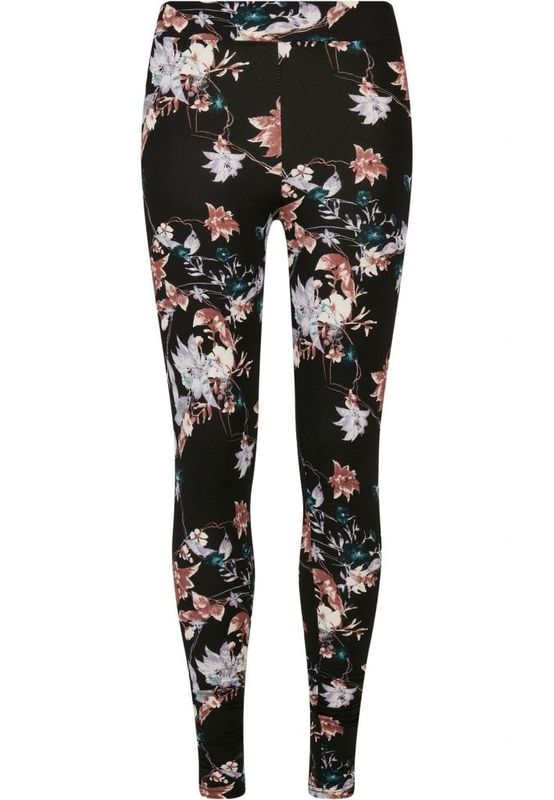
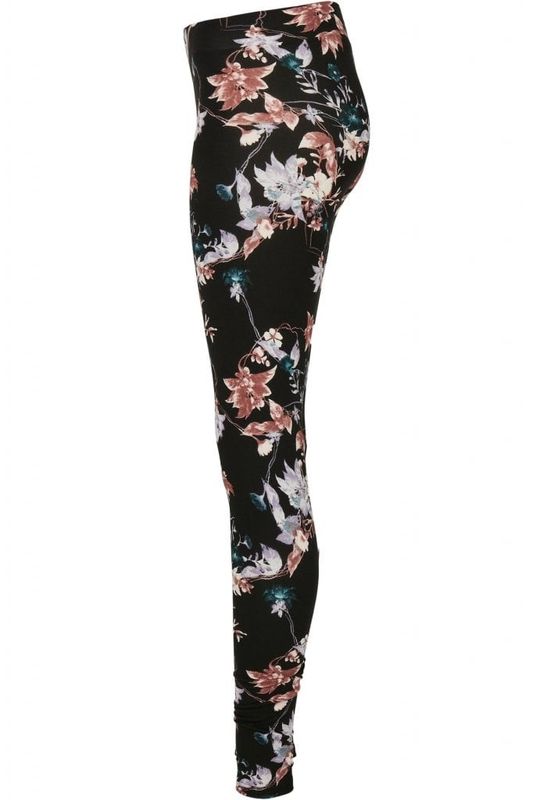
| Leggings | Flexible styles with a close fit at the top. | Fabric, stretch, rise and slim or flared legs. |
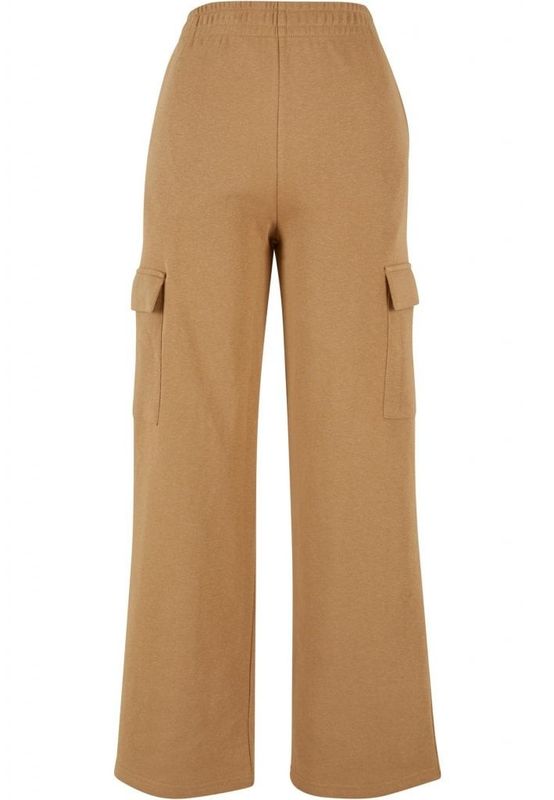
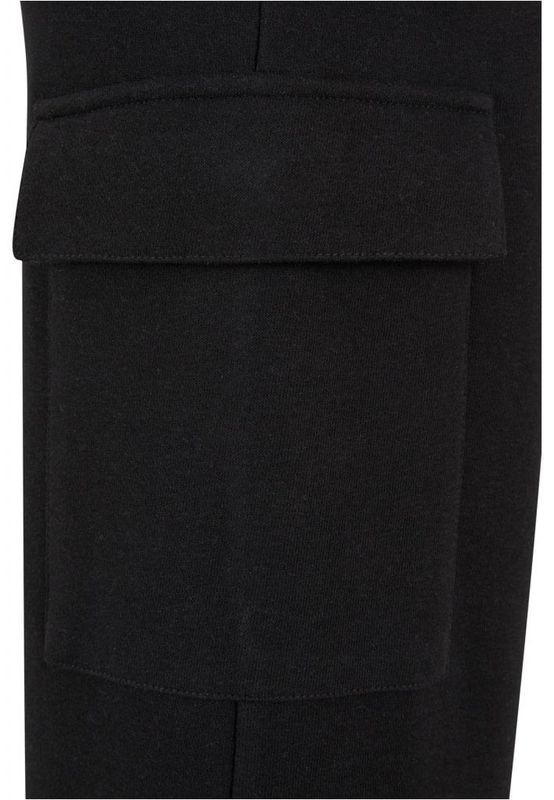
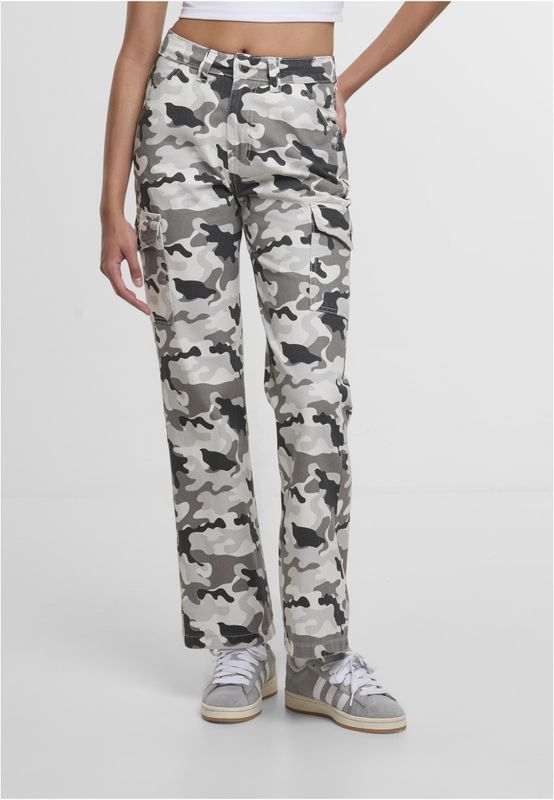
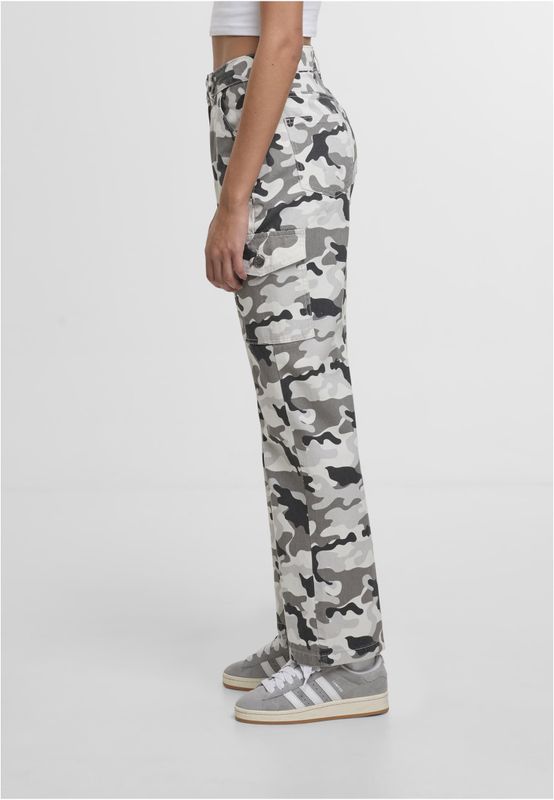
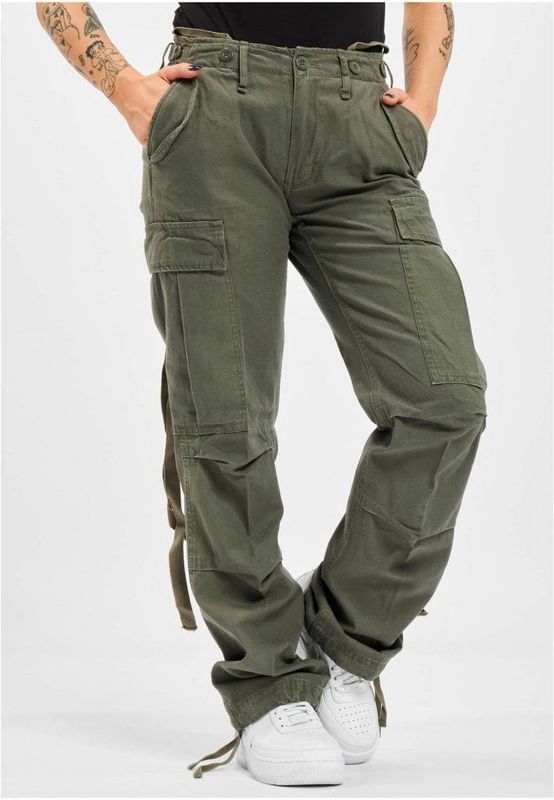
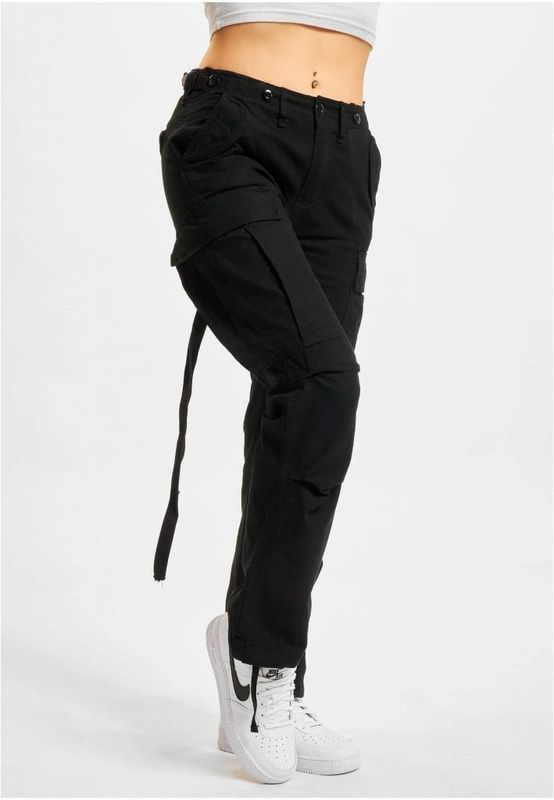
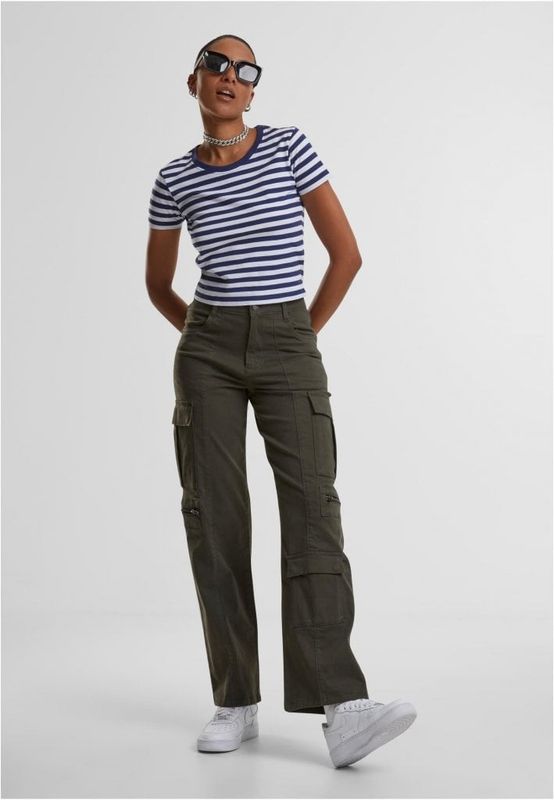
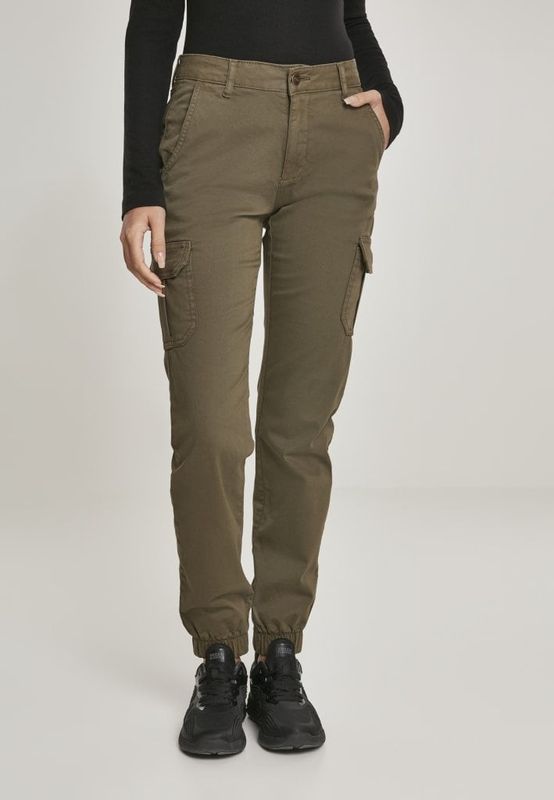
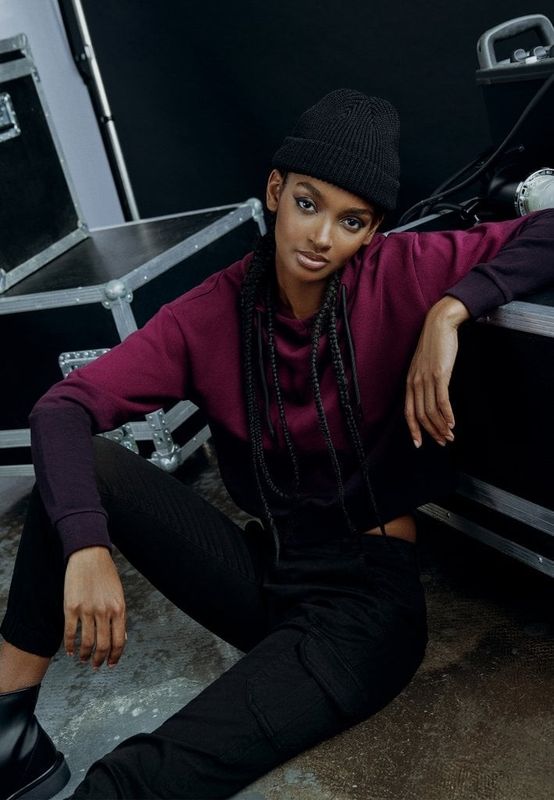
| Cargo trousers | Leg pockets are part of the look. | Pocket placement, leg width and how the hem meets the shoe. |
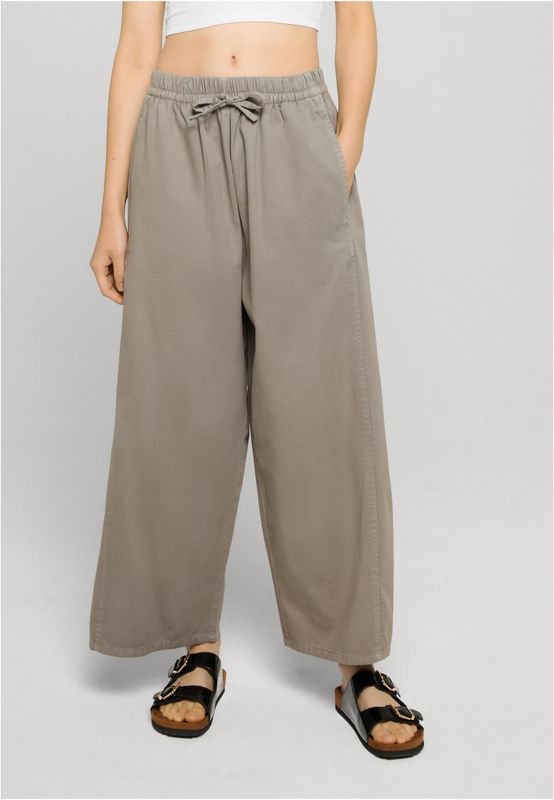
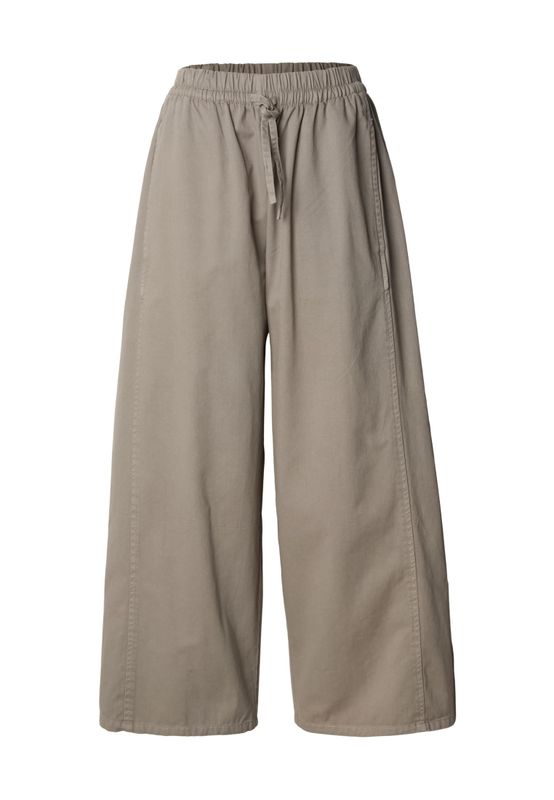
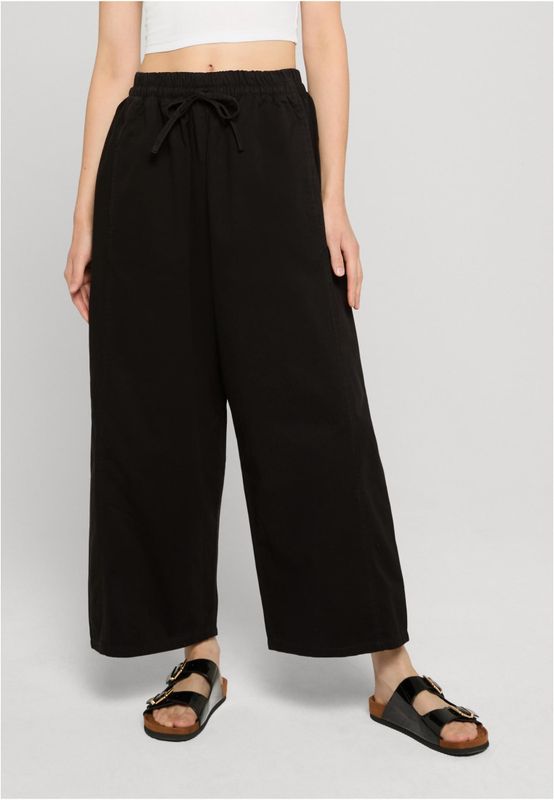
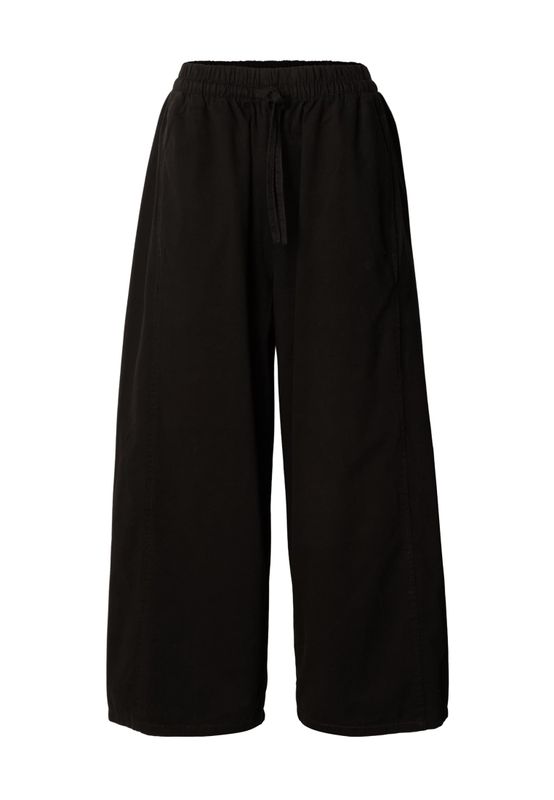
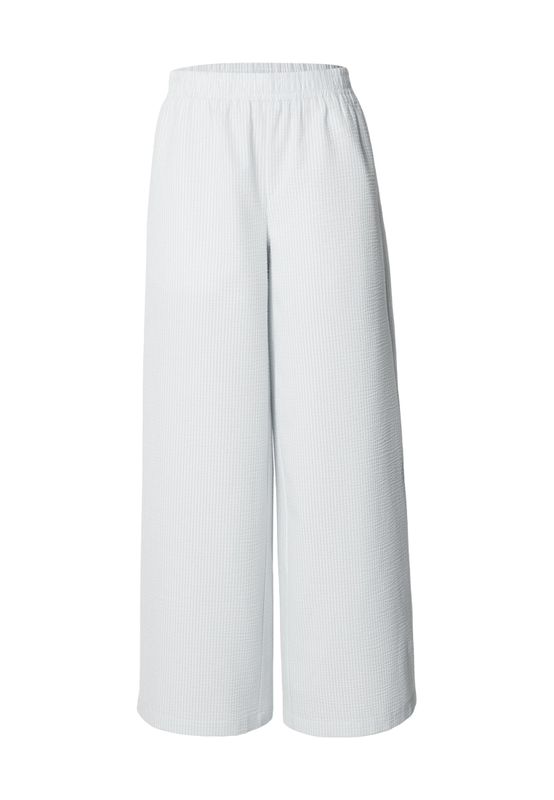
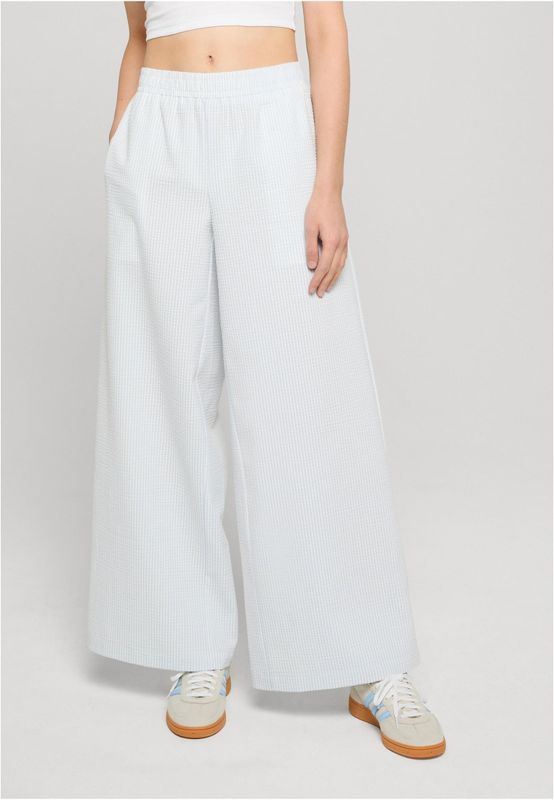
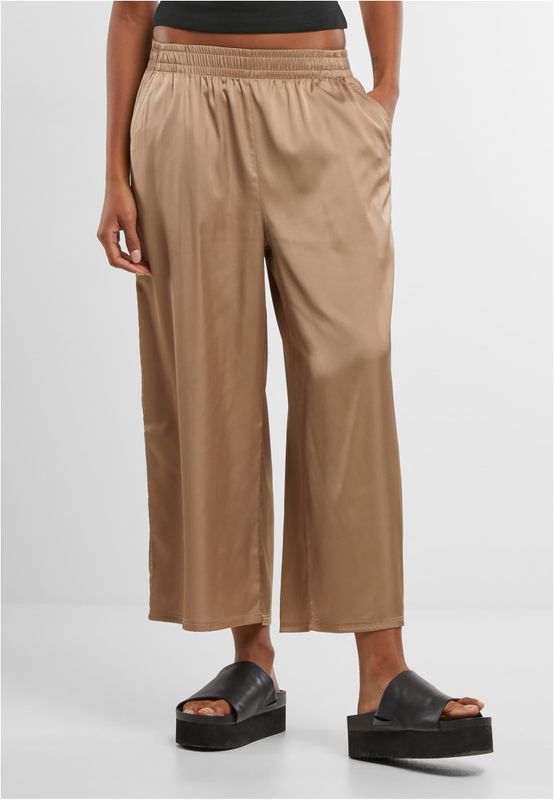
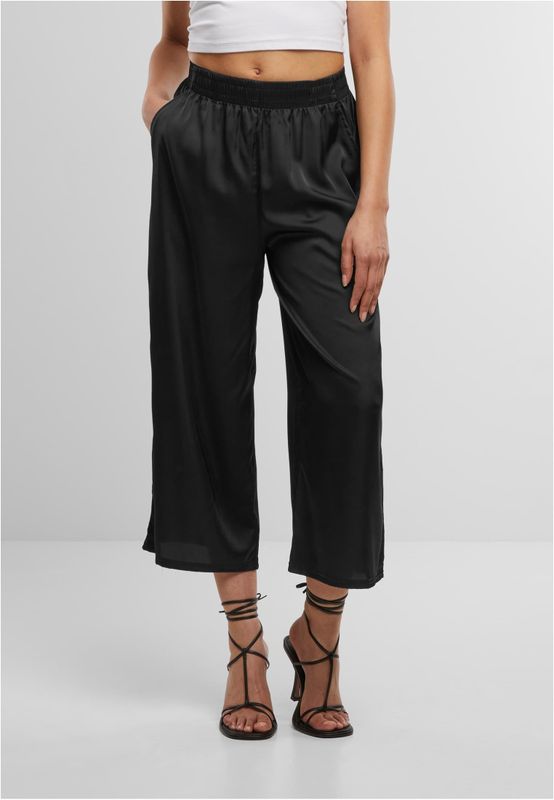
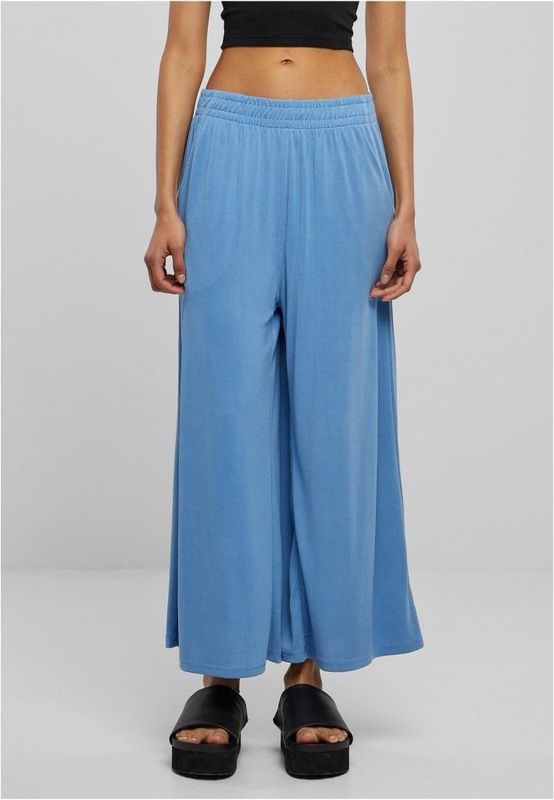
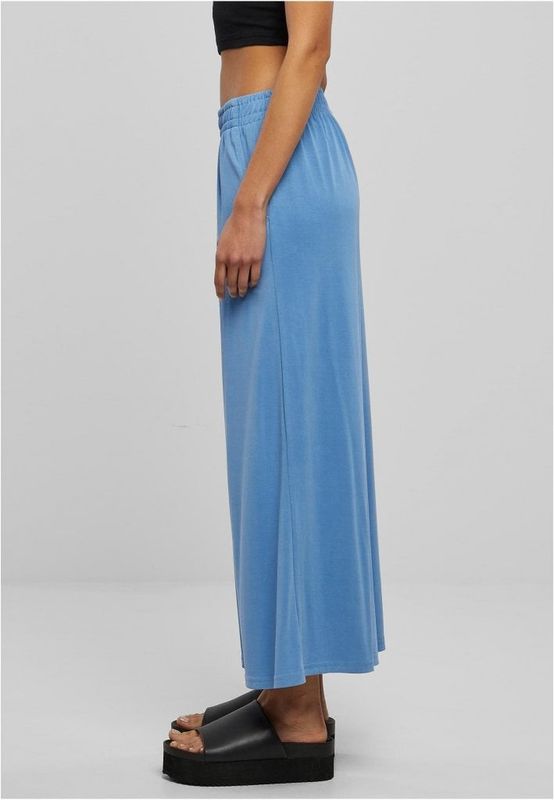
| Culottes | Combine wide legs with a shorter length. | Leg length on you and how the fabric falls. |
| Faux leather trousers | A leather-like surface adds more edge. | Material information, sheen and fit. A leather look is not genuine leather. |
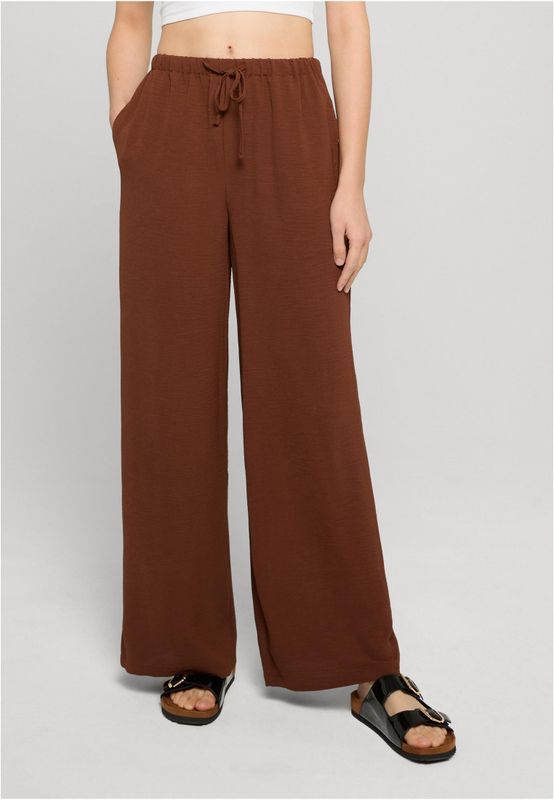
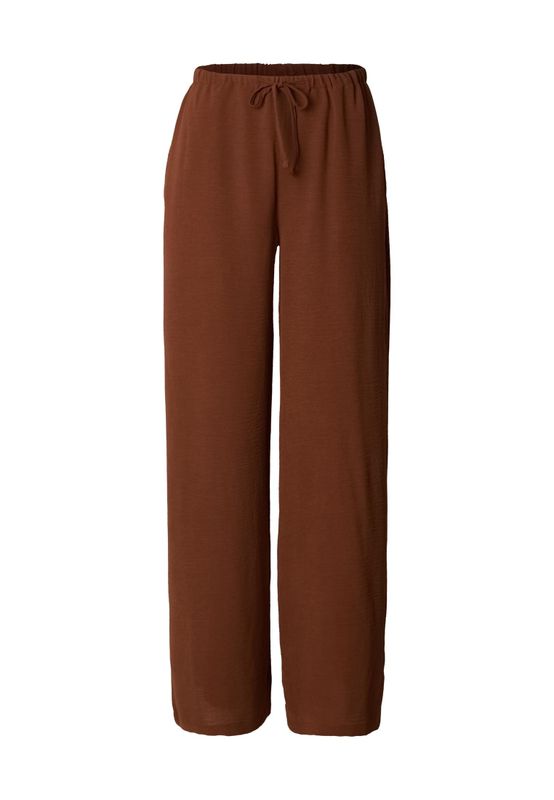
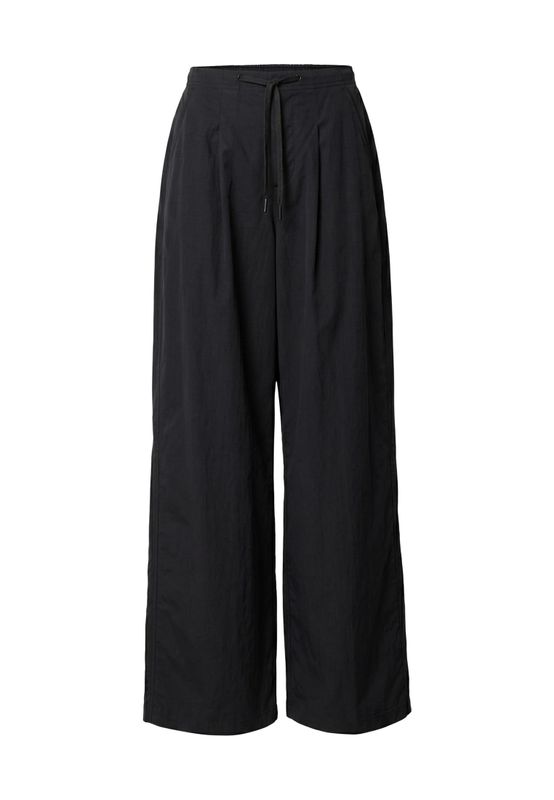
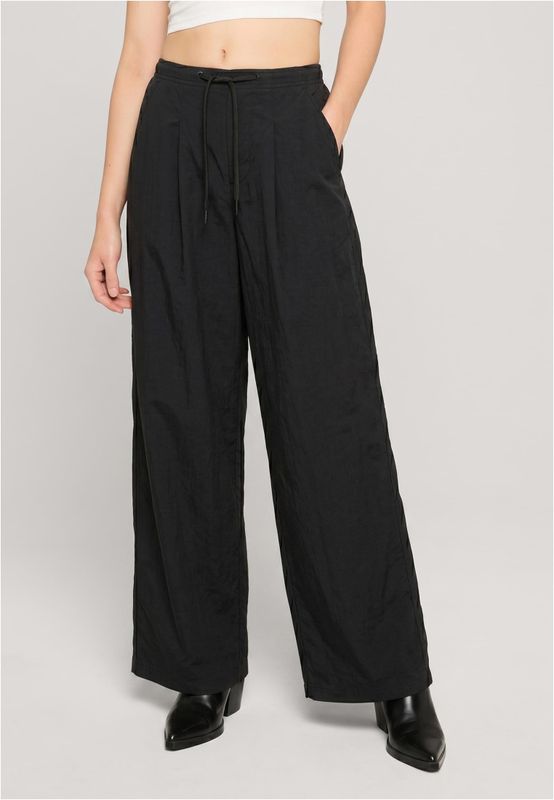
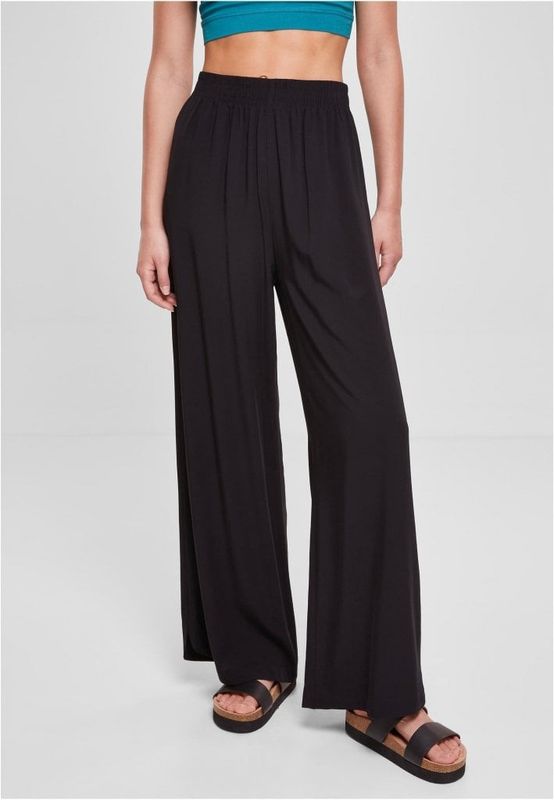
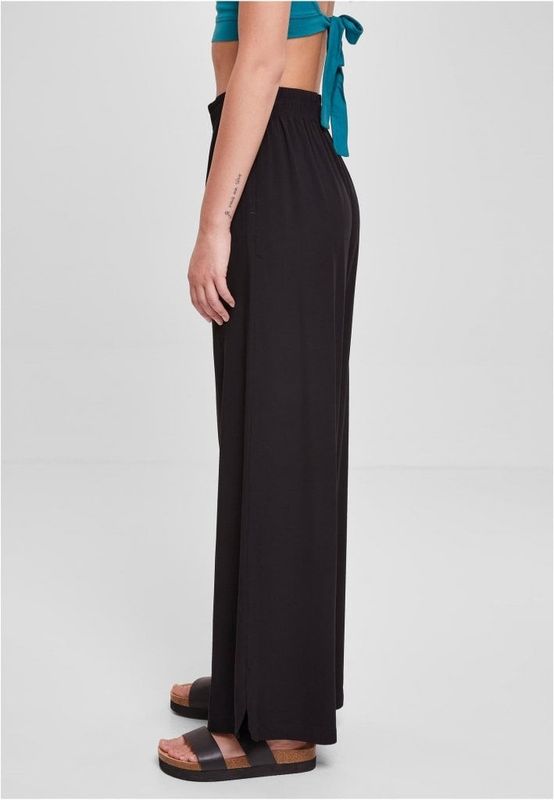
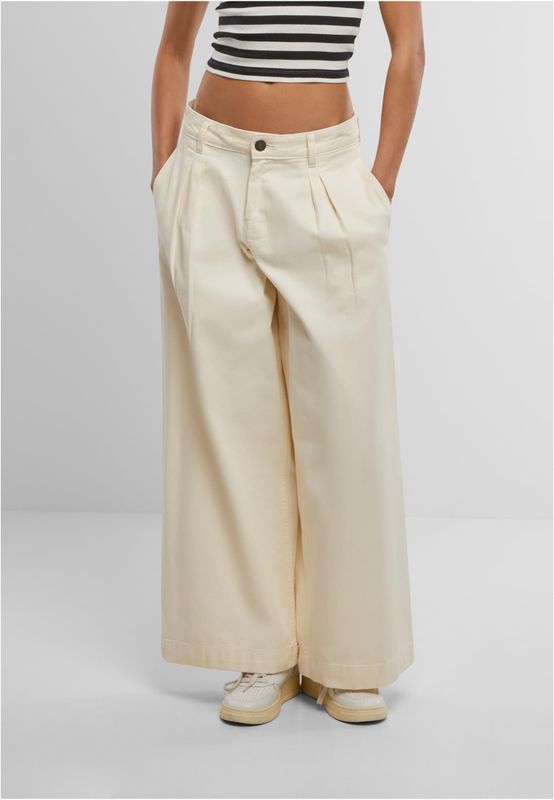
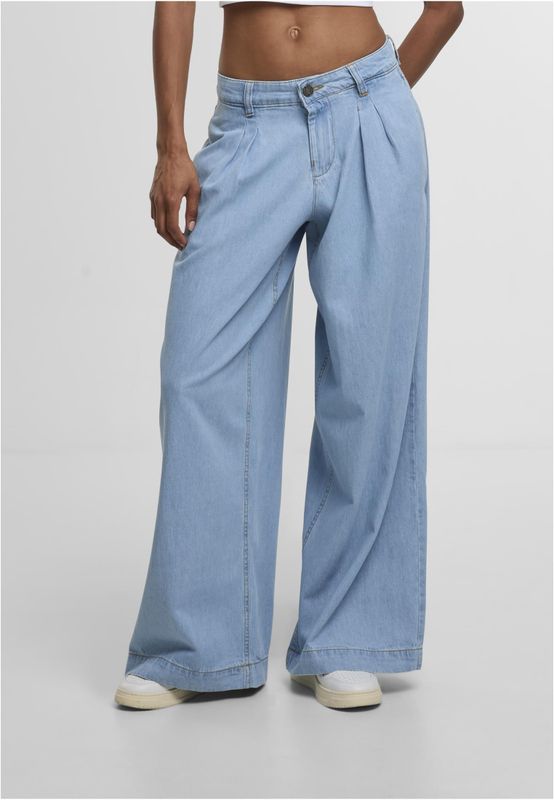
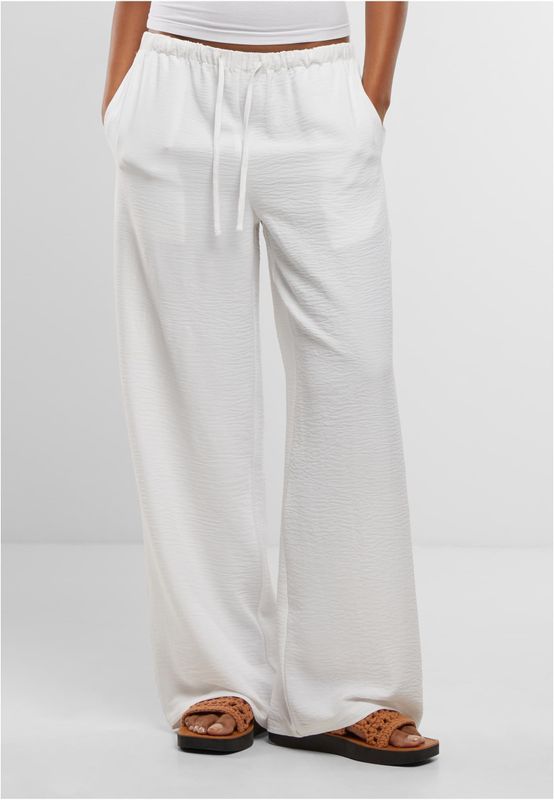
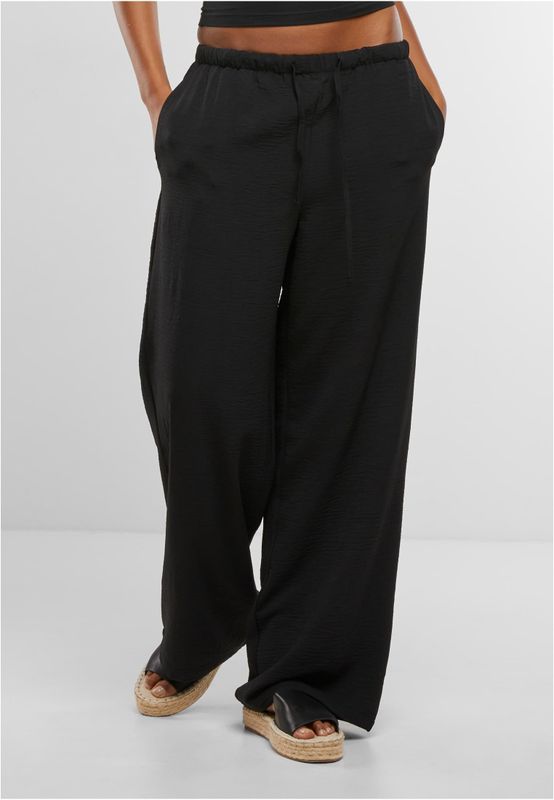
Leg shape describes the lower silhouette, while the fit through the hips and thighs determines how roomy the whole garment feels. Straight legs have a more even line to the hem, wide legs add volume and tapered legs narrow towards the ankle. Flared trousers widen lower down.
Baggy trousers can have a narrow hem, and straight legs do not necessarily mean a tight fit through the thighs. Compare both the fit description and measurements. A high waist is a separate choice from leg shape.
Choose the rise according to where you want the waistband to sit, then compare waist, hip and thigh measurements. An elasticated waist or drawstring can allow flexibility or adjustment, but does not replace the right basic size.
Follow the specific style's guide. Body measurements, garment measurements and the width of a flat garment are different figures. Compare with trousers you own in a similar cut and check that you can sit and bend your knees without the waistband or crotch seam pulling.
Choose by both the material information and the way you want the fabric to fall. Cotton, linen blends, viscose, modal and synthetic materials feature in different styles; they do not feel the same in every fabric construction. Sweat fabric, velvet and leather looks describe different fabric types or surfaces.
Flexible fabric can create more movement in wide legs, while firmer fabric gives a more defined shape. Elastane can provide stretch; an elasticated waistband says nothing about the rest of the fabric. Read the product description and care label rather than judging by appearance alone.
Assess trouser length with the shoes you intend to wear. Wide or flared legs should fall over the shoe without the hem ending up under the sole. Shorter trousers show more of the ankle or boot shaft.
Compare the stated inside leg with the same crotch-to-hem measurement on trousers you own. If yours have a 76 cm inside leg and the new pair 72 cm, fold yours up by 4 cm for an estimate. Rise and crotch shape can change the result. Side length is measured from the waist and should be compared with the equivalent measurement.
A shorter or tucked-in top shows the waist, while roomy trousers with a loose top create more volume. Plain tops and T-shirts let patterns and leg pockets stand out; shirts and blouses give the same trousers a different feel. Keep it simple or make room for more – you decide.