Choose a vest for warmth, style or storage
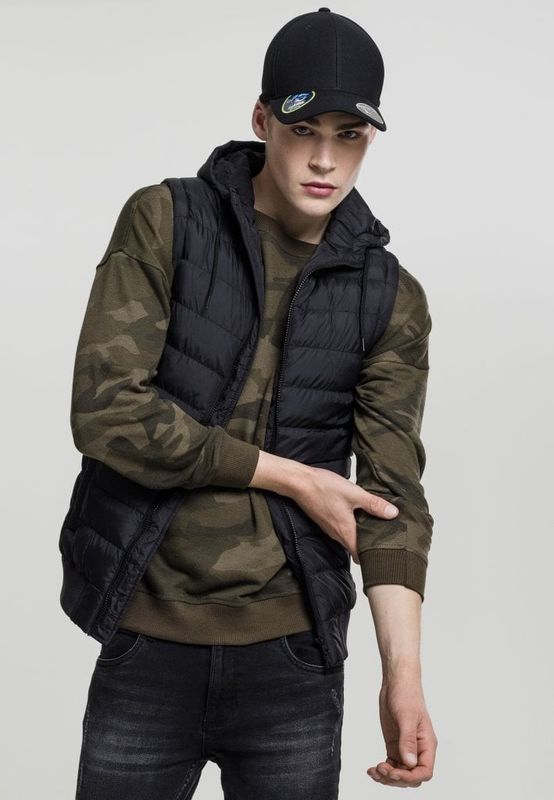
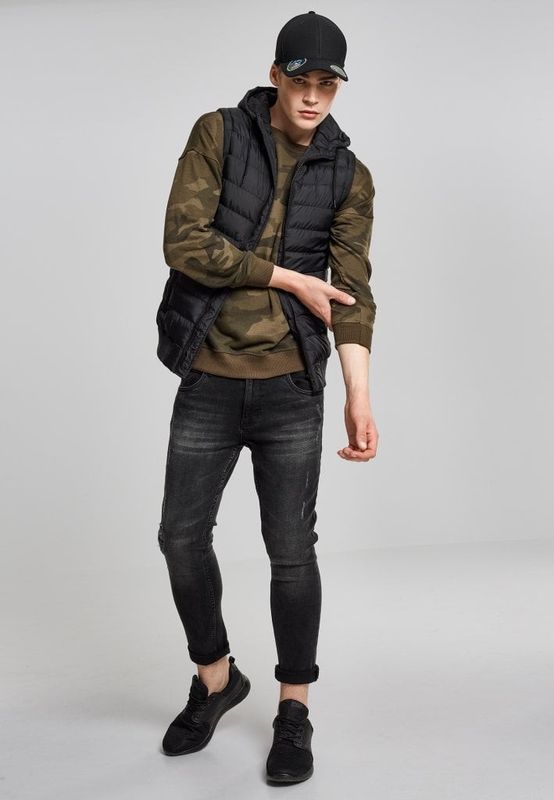
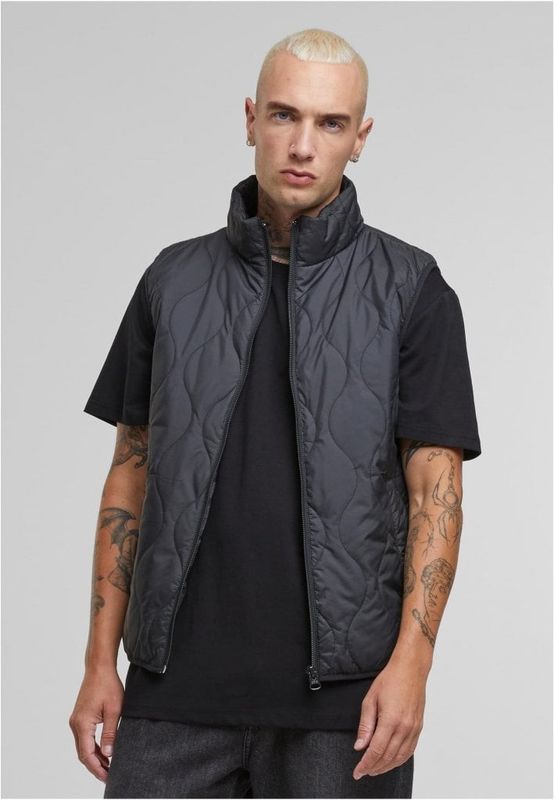
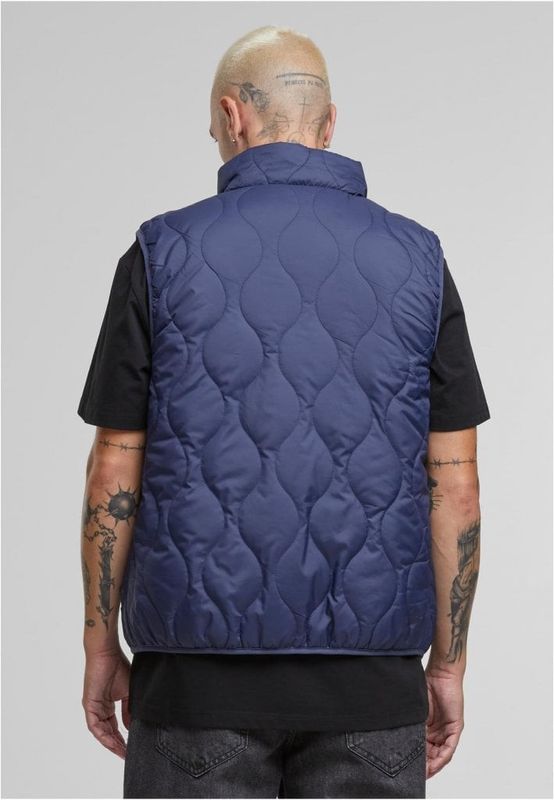
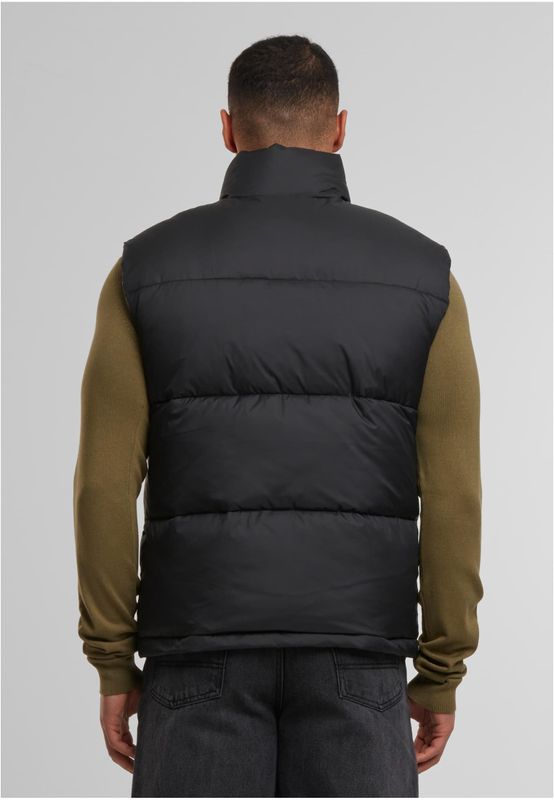
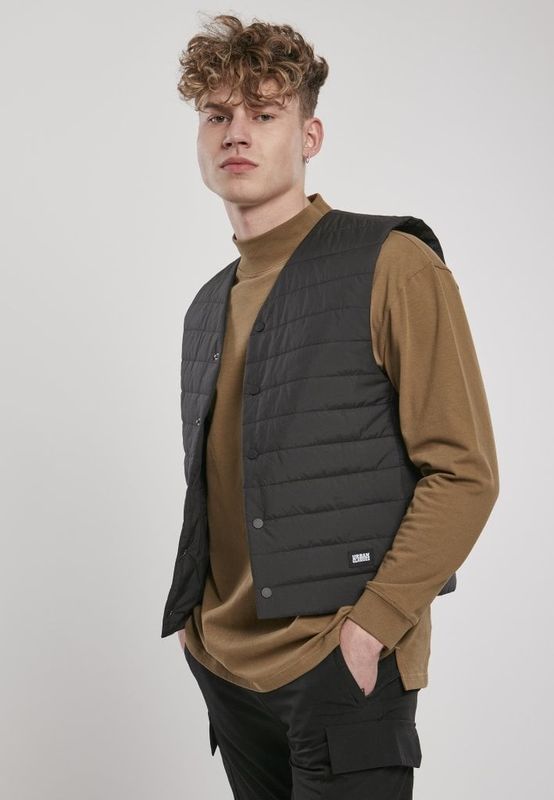
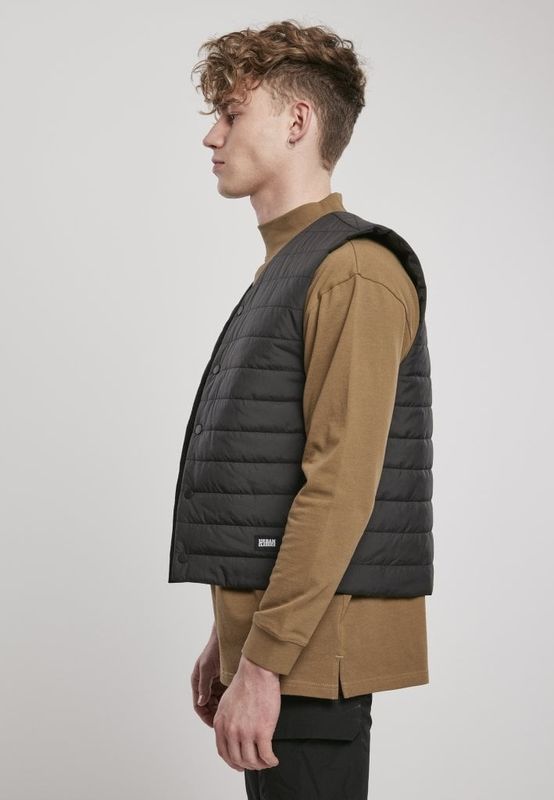
Choose a lined or padded gilet for extra warmth around your torso, a denim or leather vest for a stronger style statement, and a pocket vest when storage comes first. A leisure vest may serve several purposes, but plenty of pockets does not mean it has a warm lining.
Compare men's gilets and vest styles| Style | Useful for | What to check |
|---|
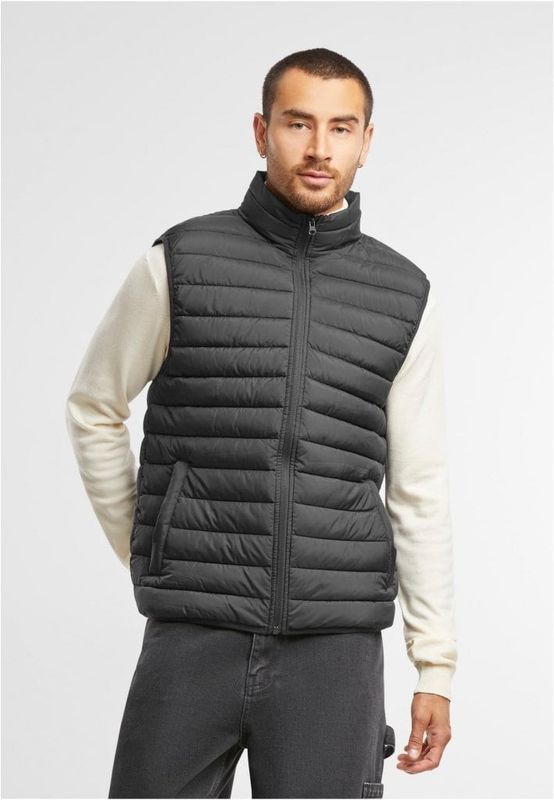
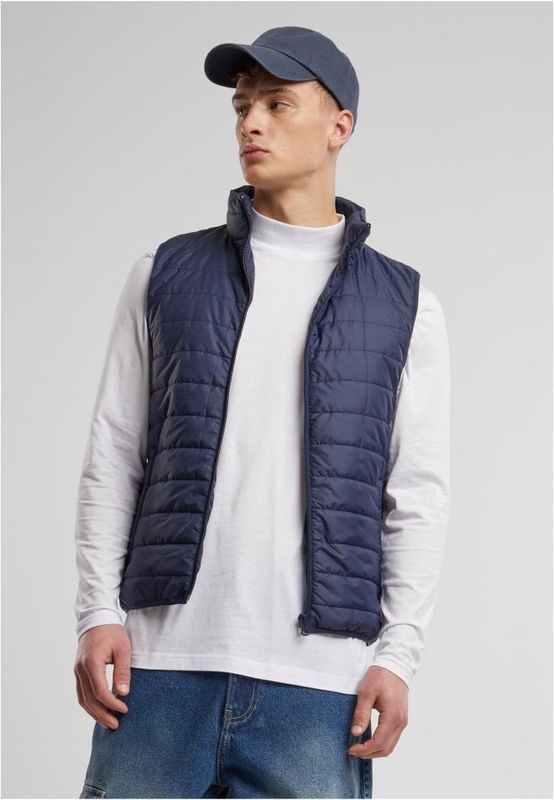
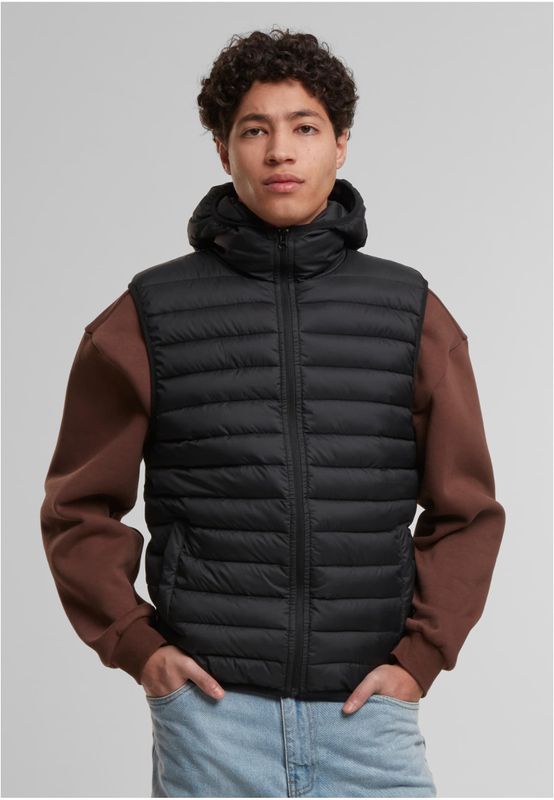
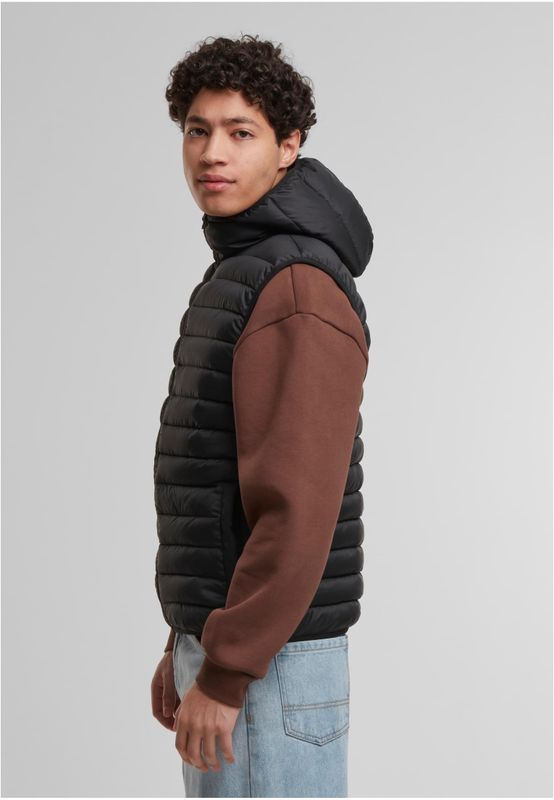
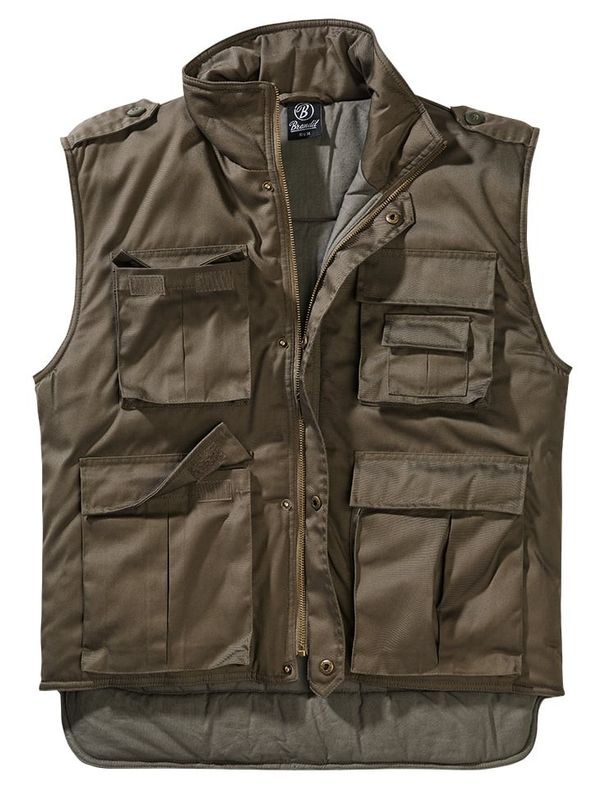
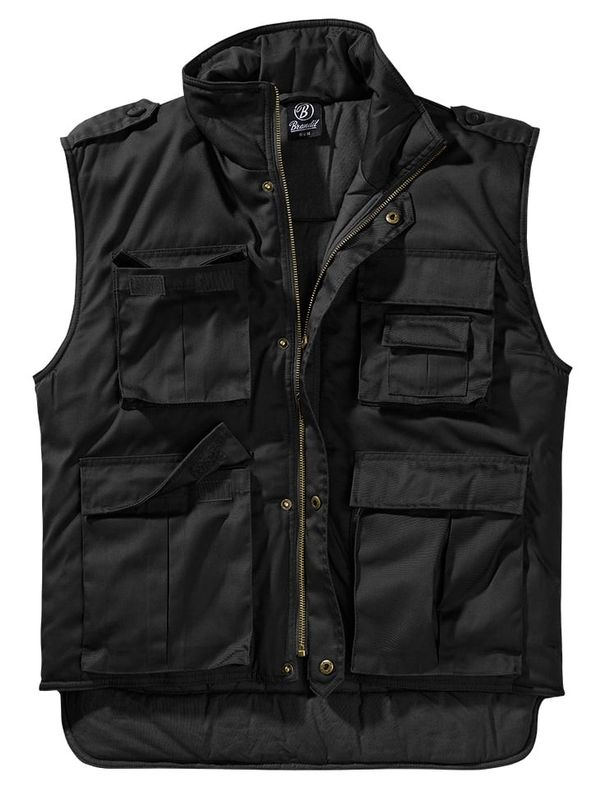
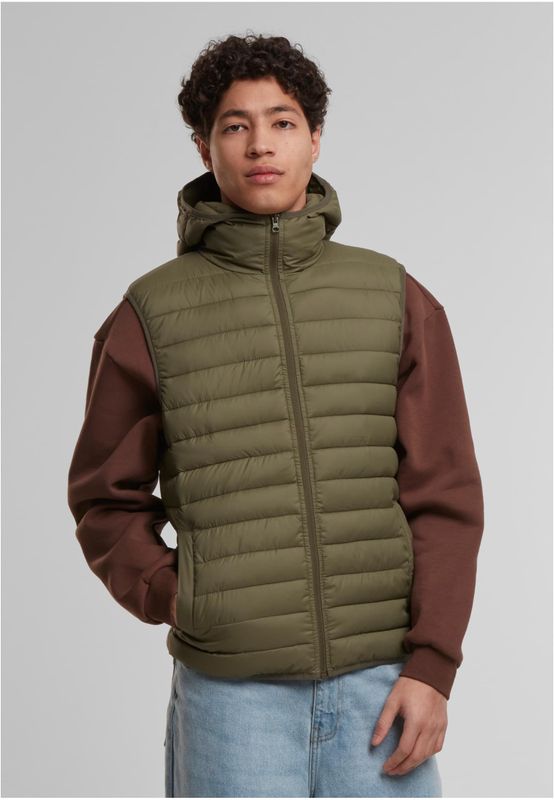
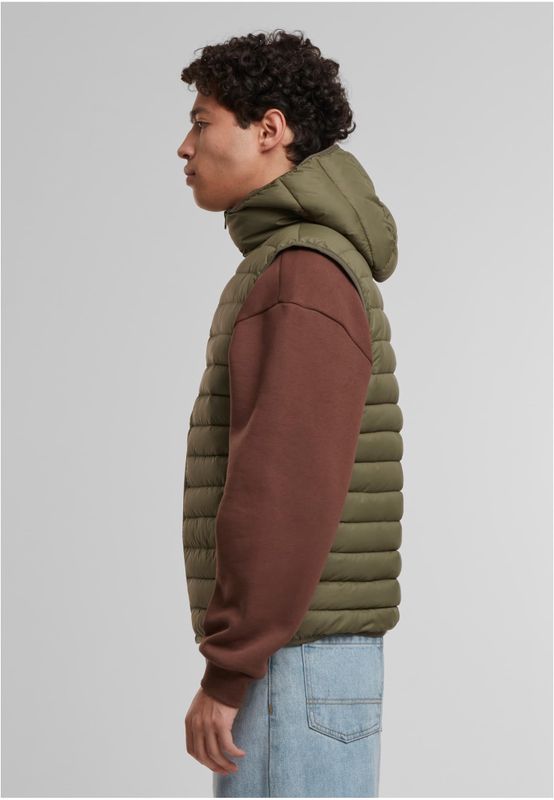
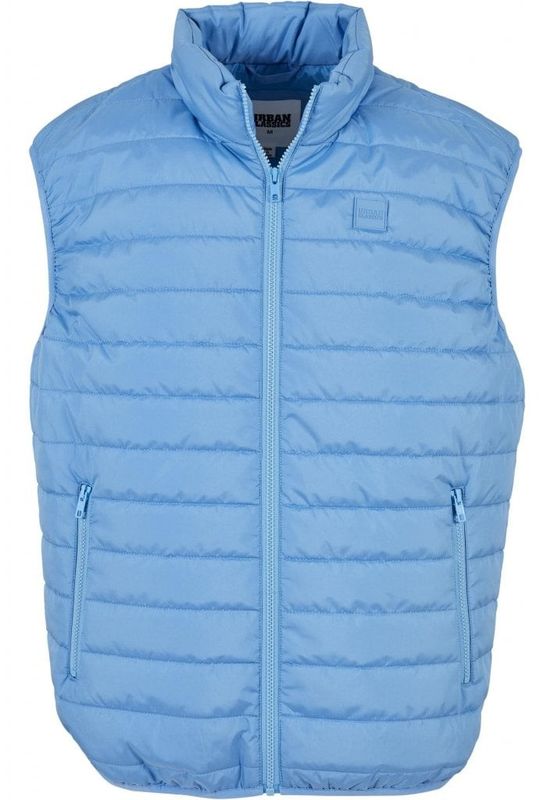
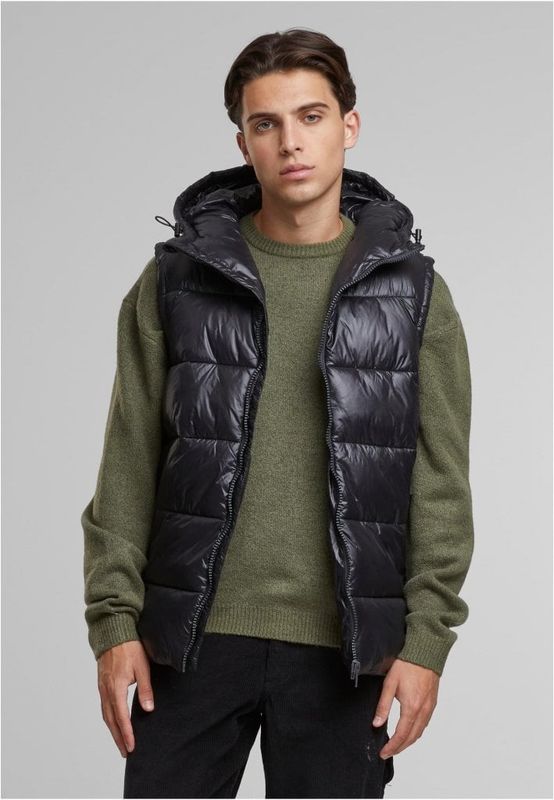
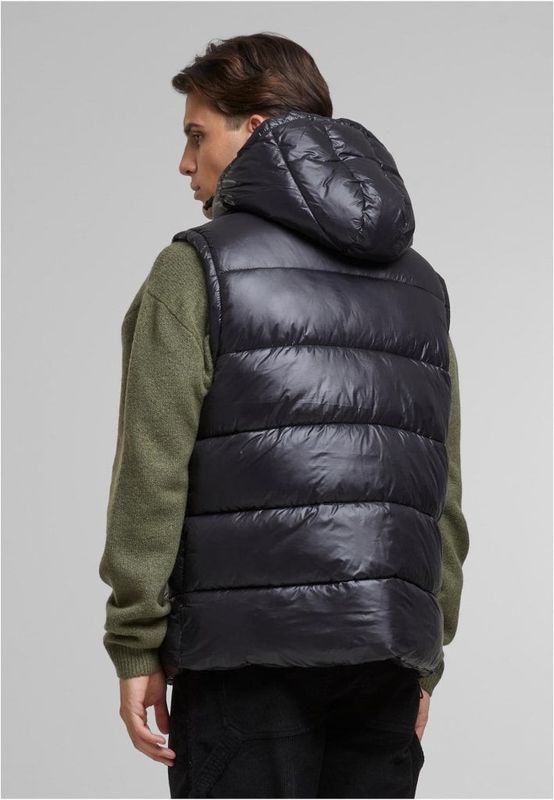
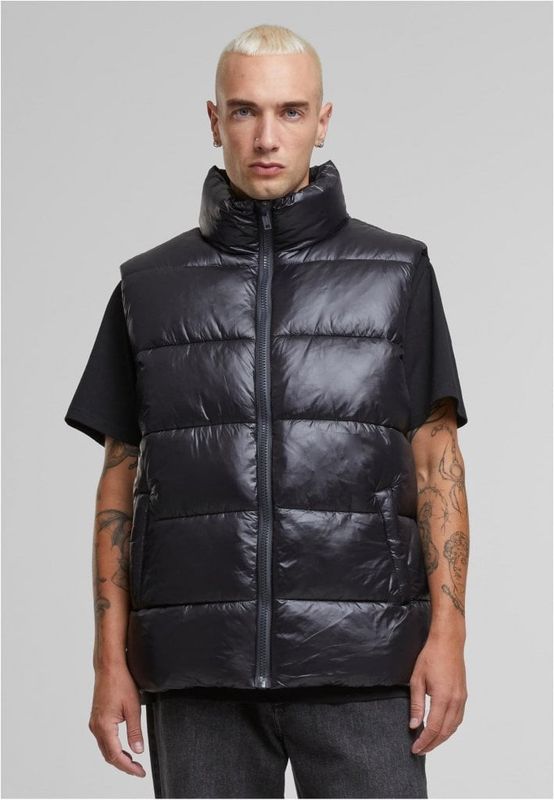
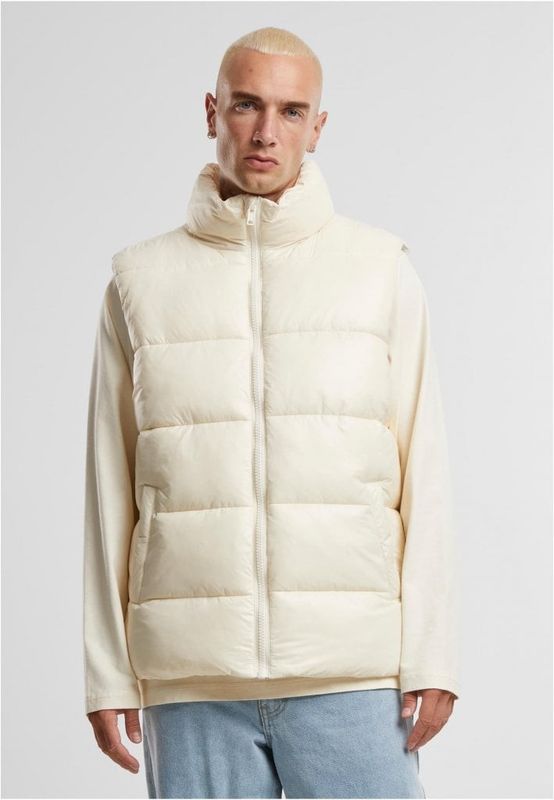
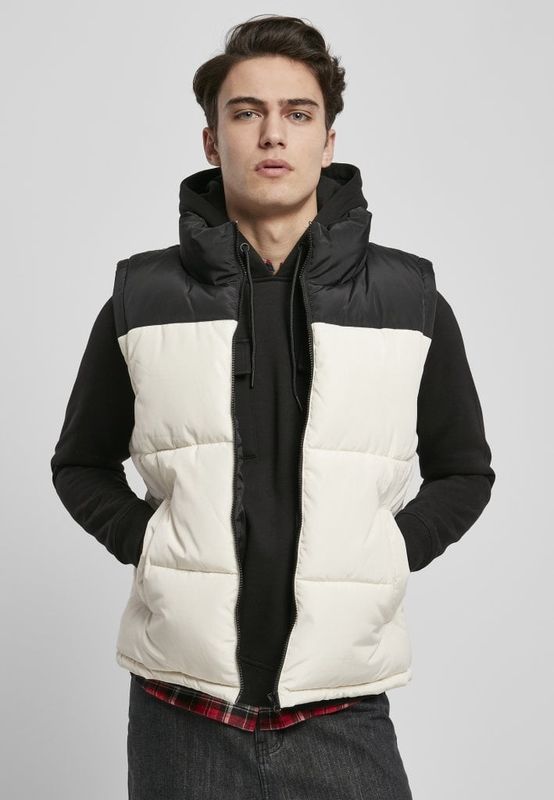
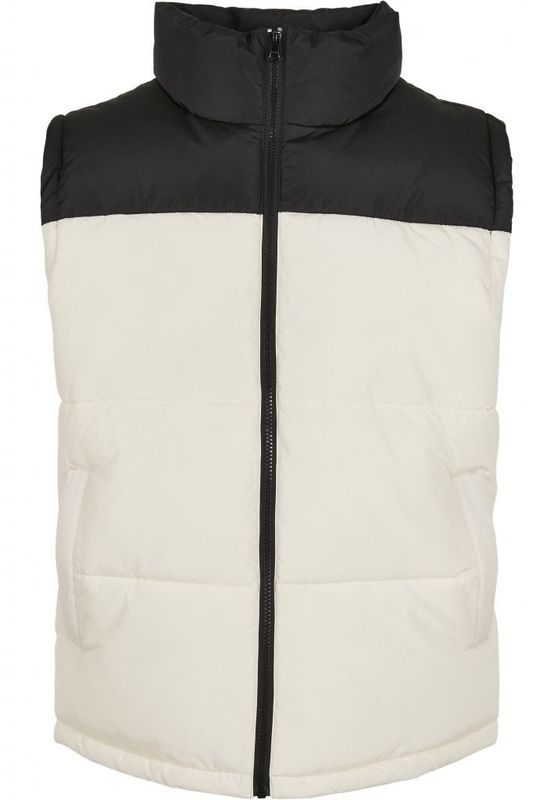
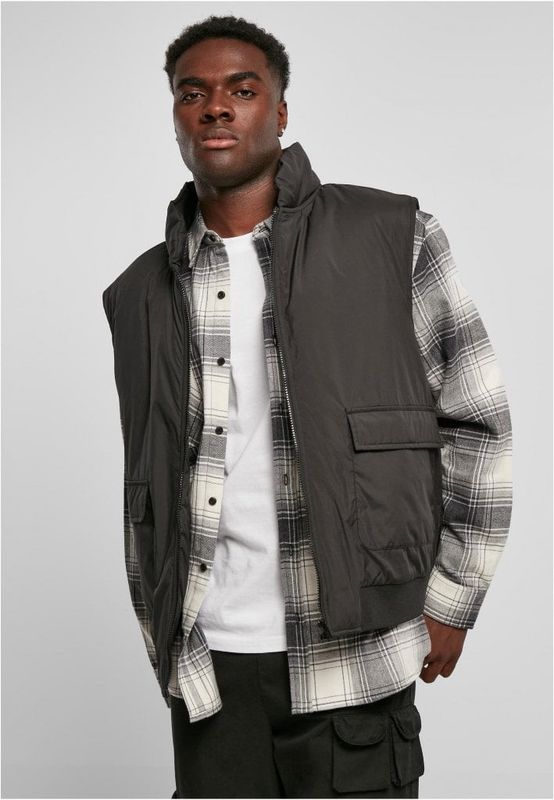
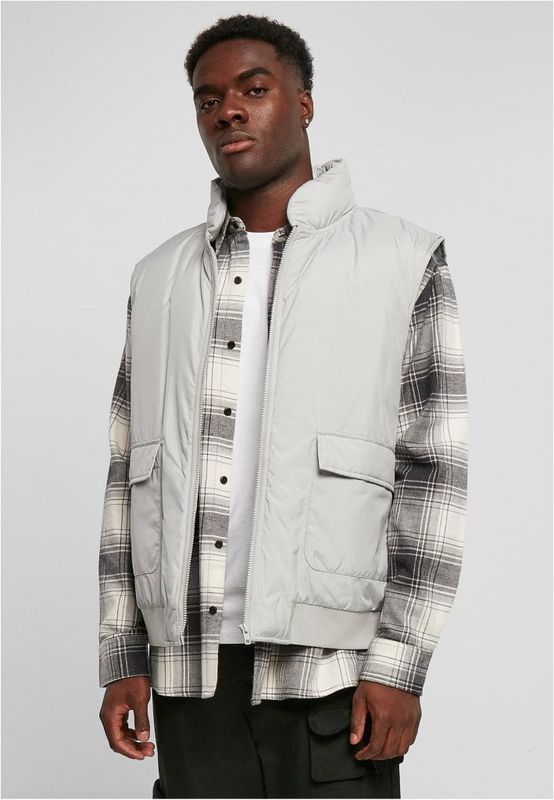
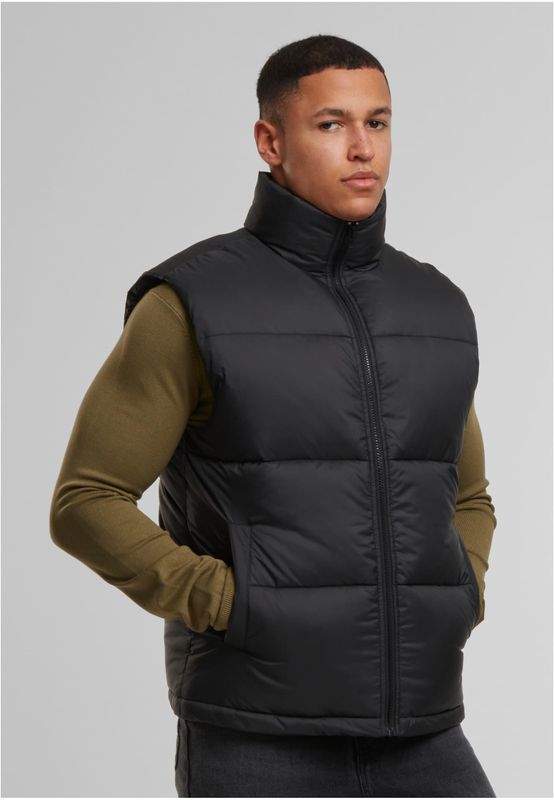
| Padded or puffer gilet | Extra warmth over a jumper or under a jacket. | Filling, thickness and room for layers. |
|---|
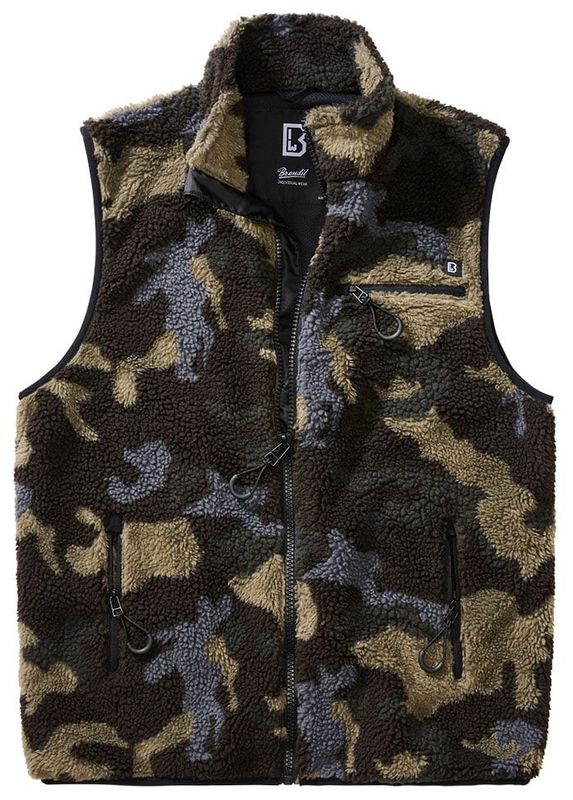
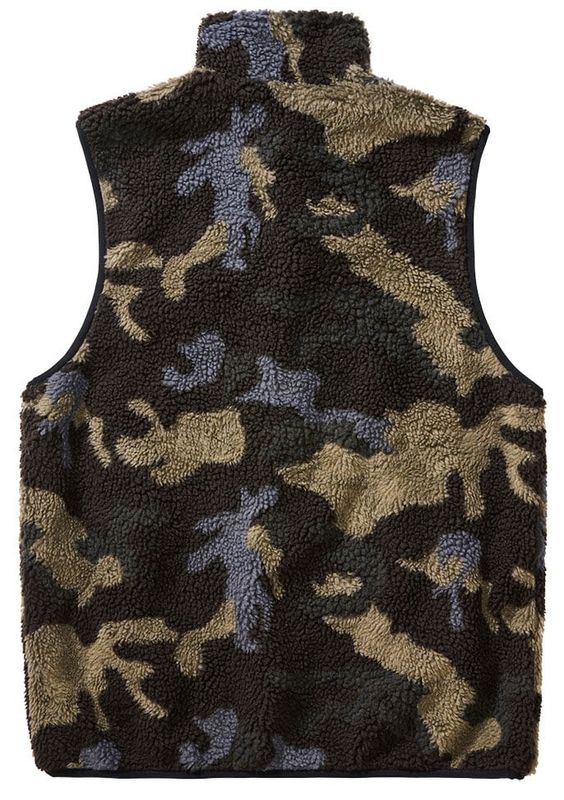
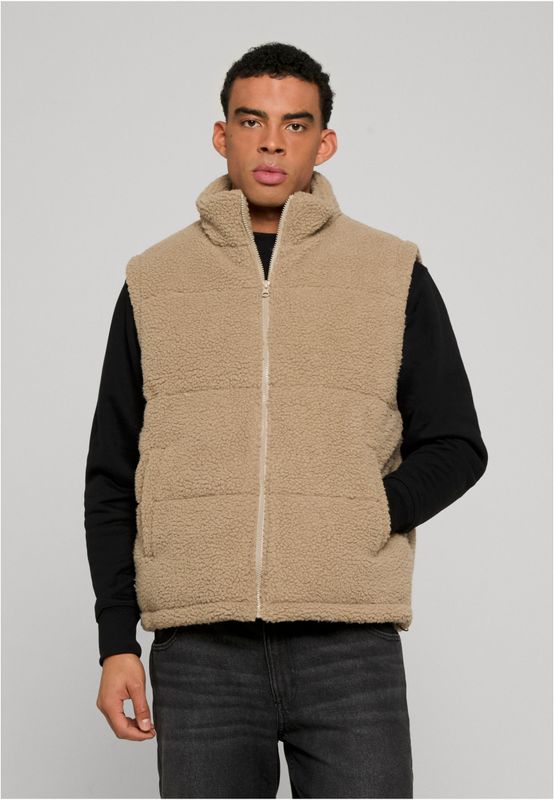
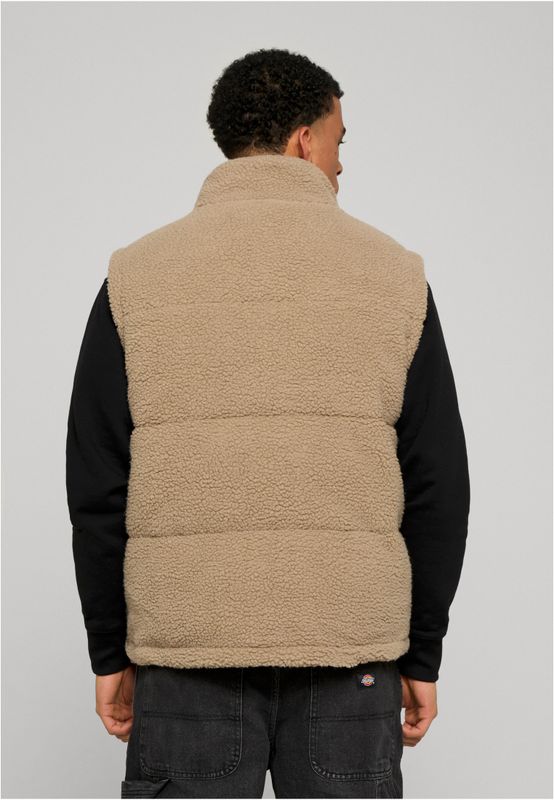
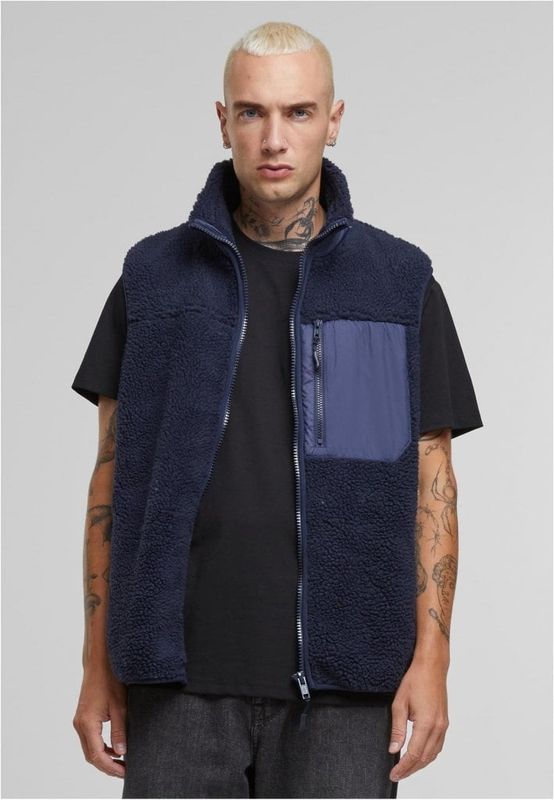
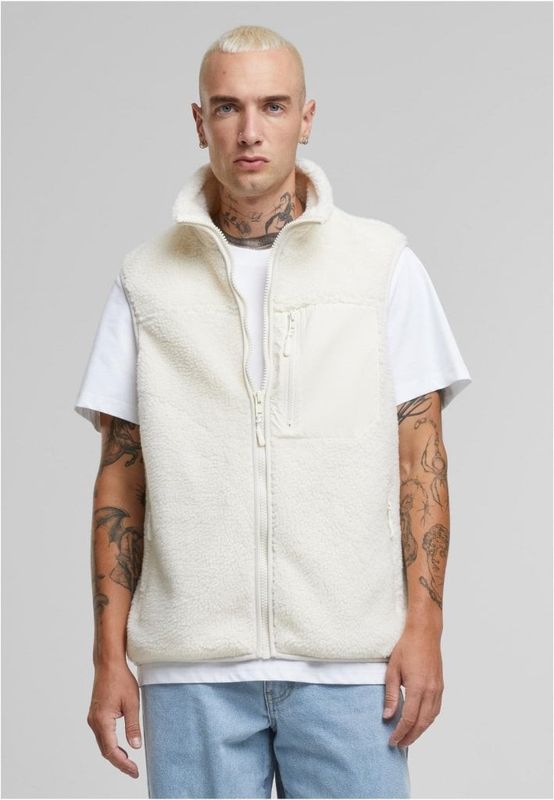
| Teddy vest | A soft texture and relaxed look. | Lining, collar and space under your outer jacket. |
|---|
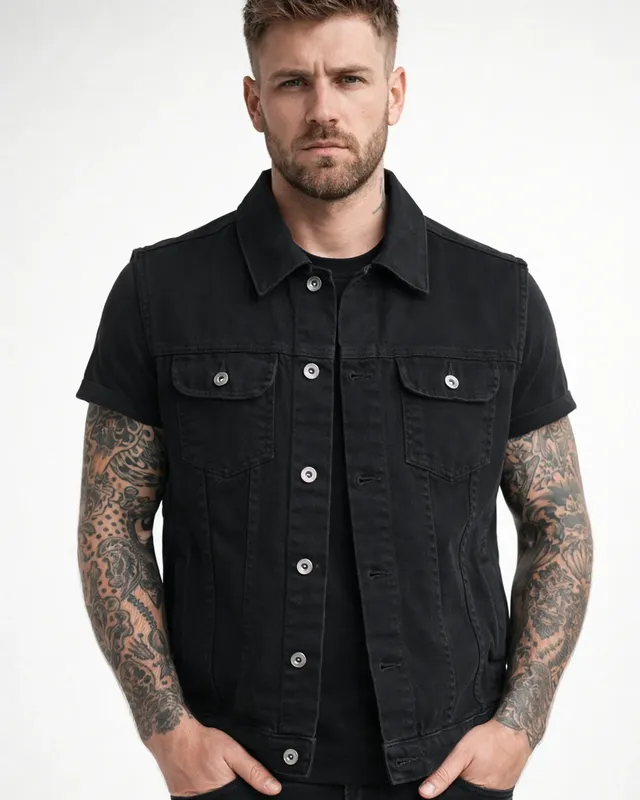
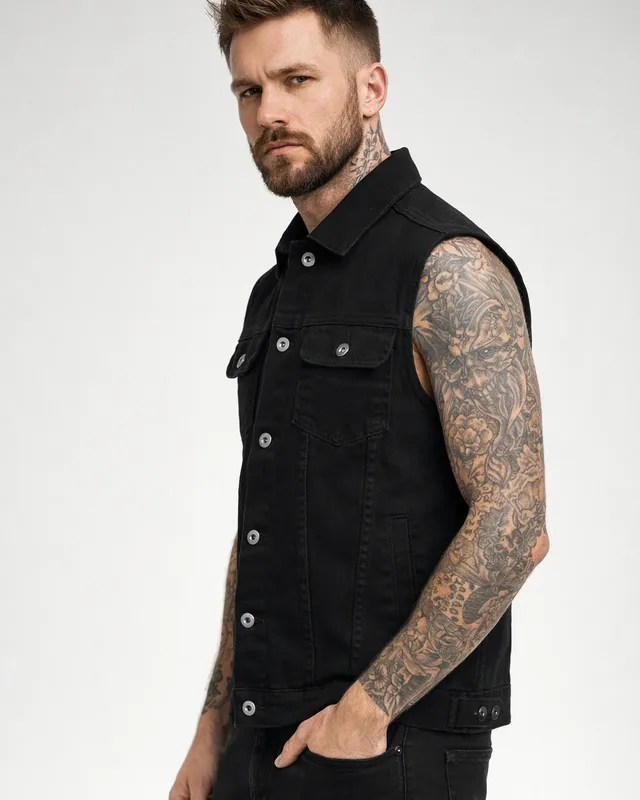
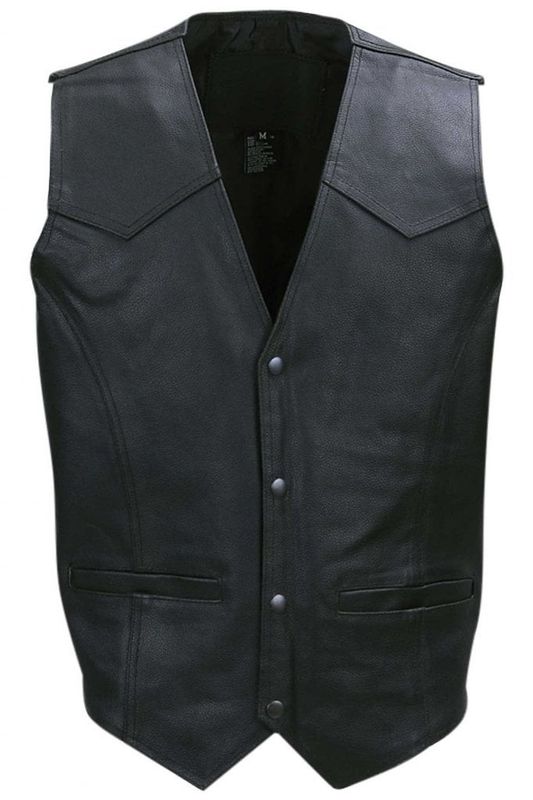
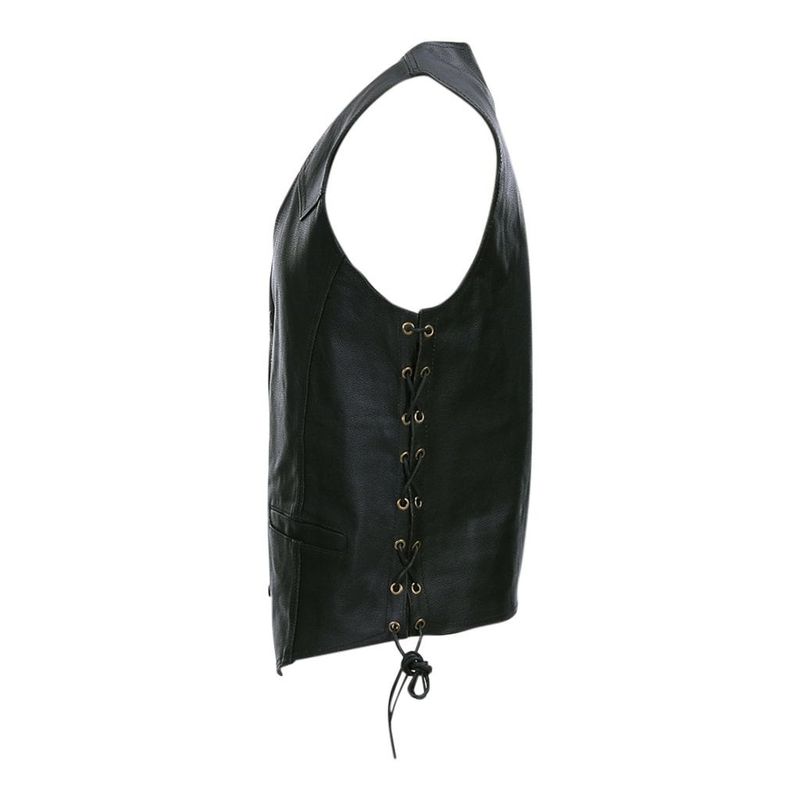
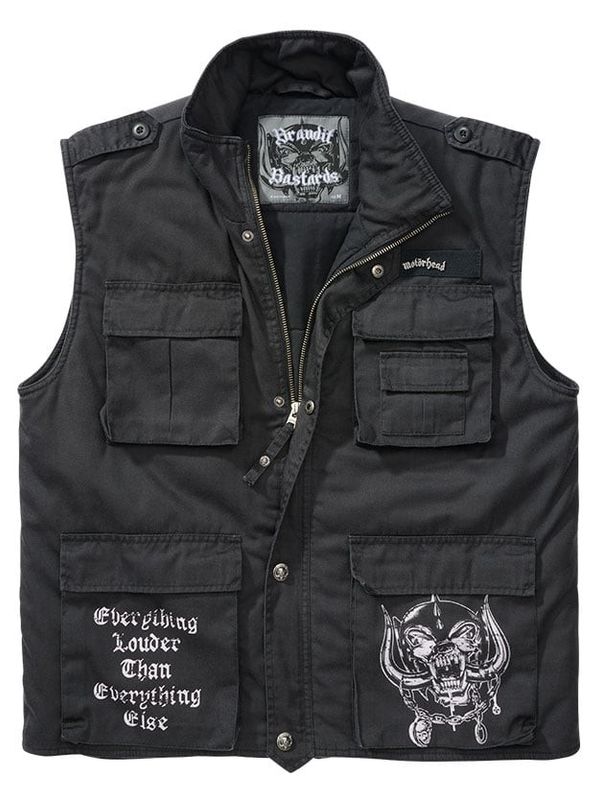
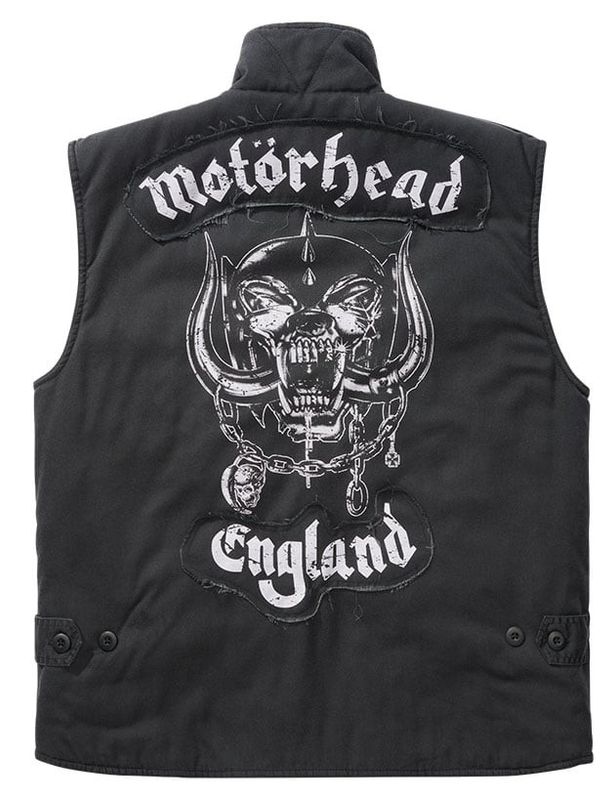
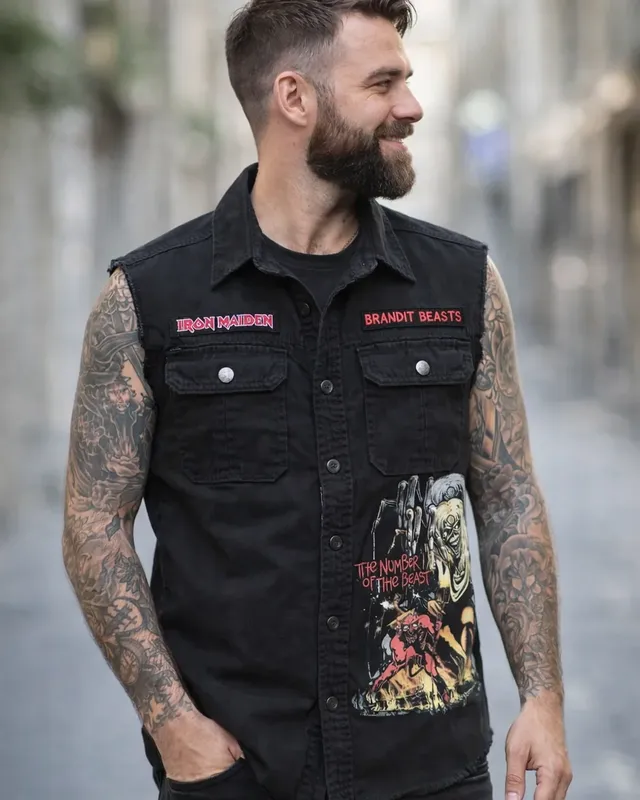
| Denim or leather vest | A rock-inspired look over a T-shirt, shirt or hoodie. | Fabric, fastening and any side adjustment. |
|---|
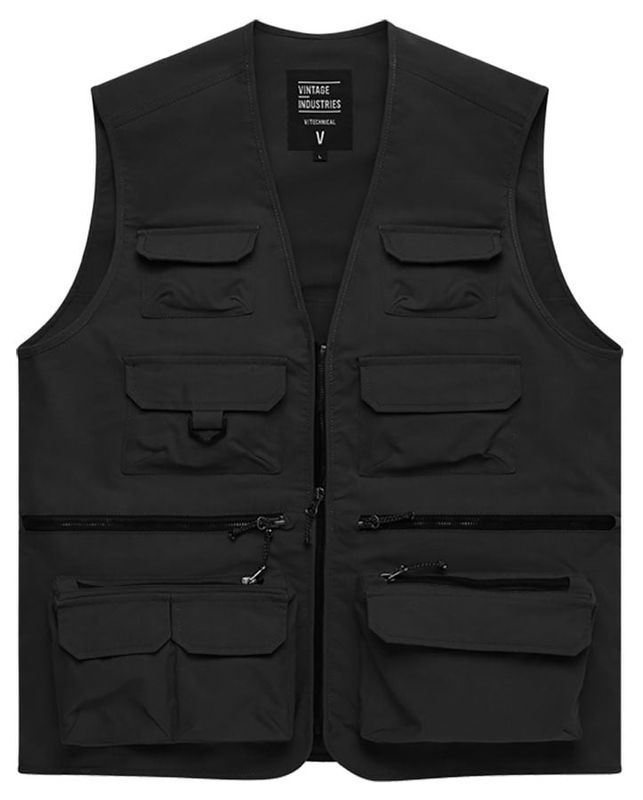
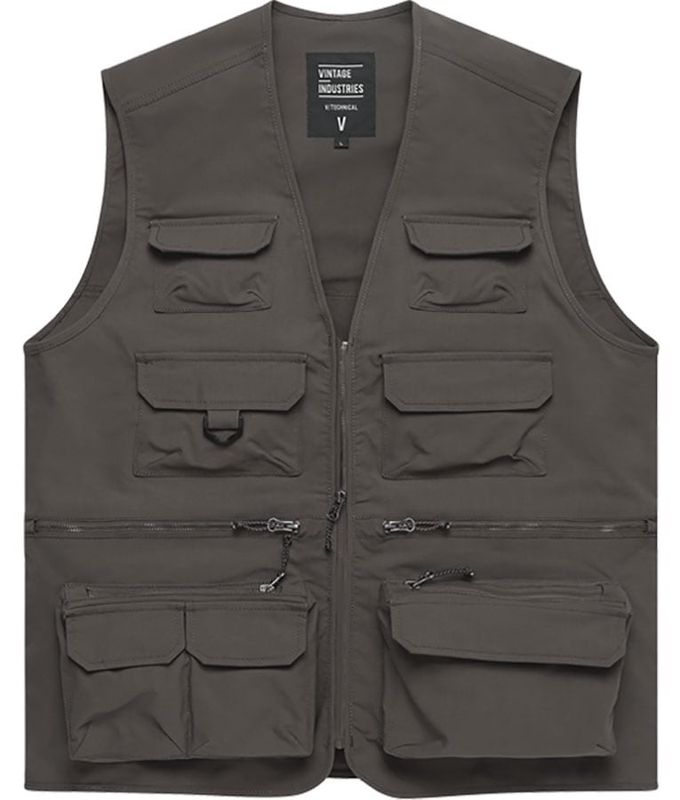
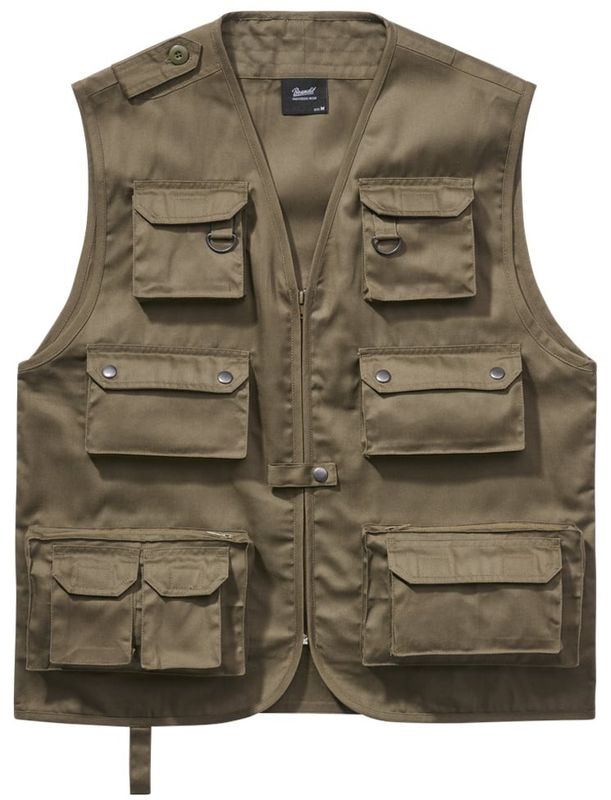
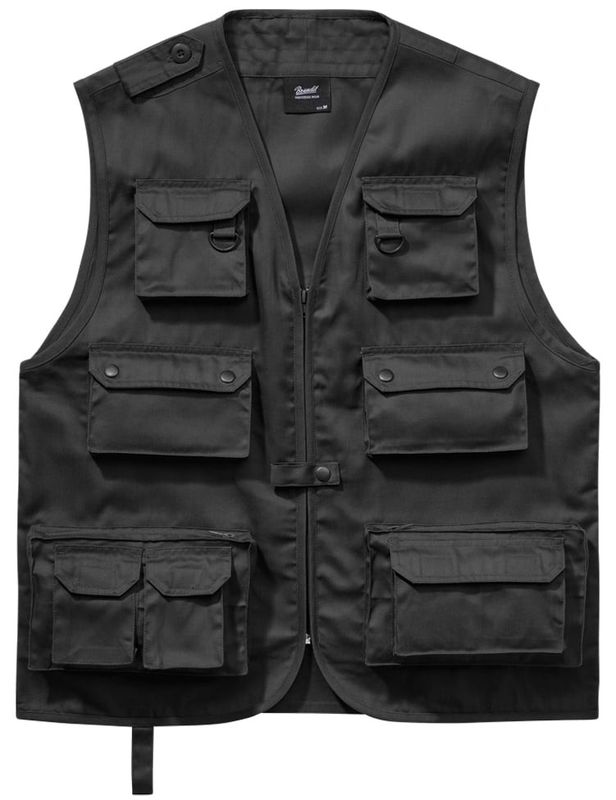
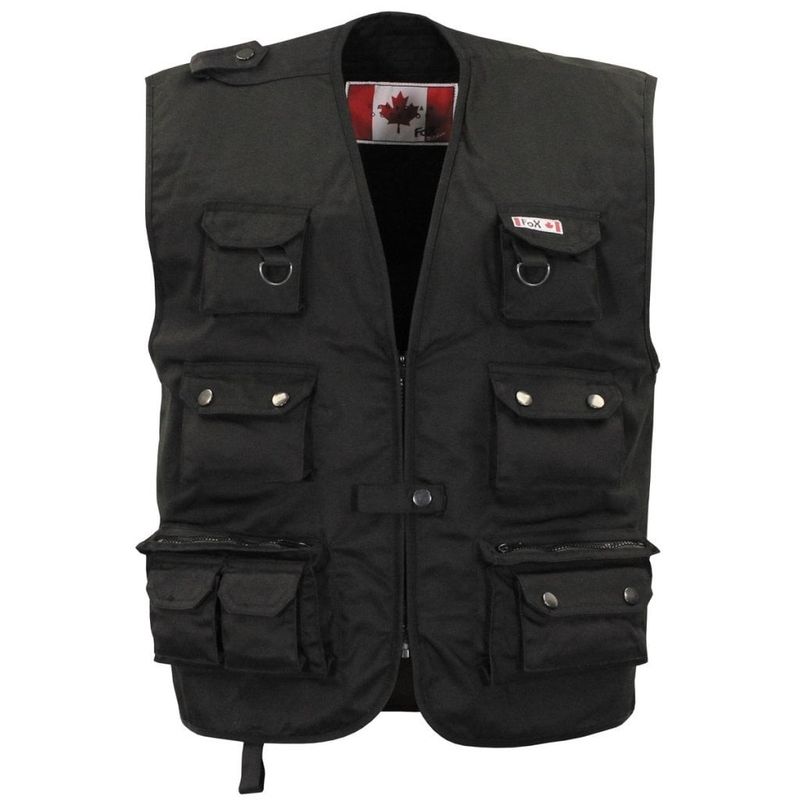
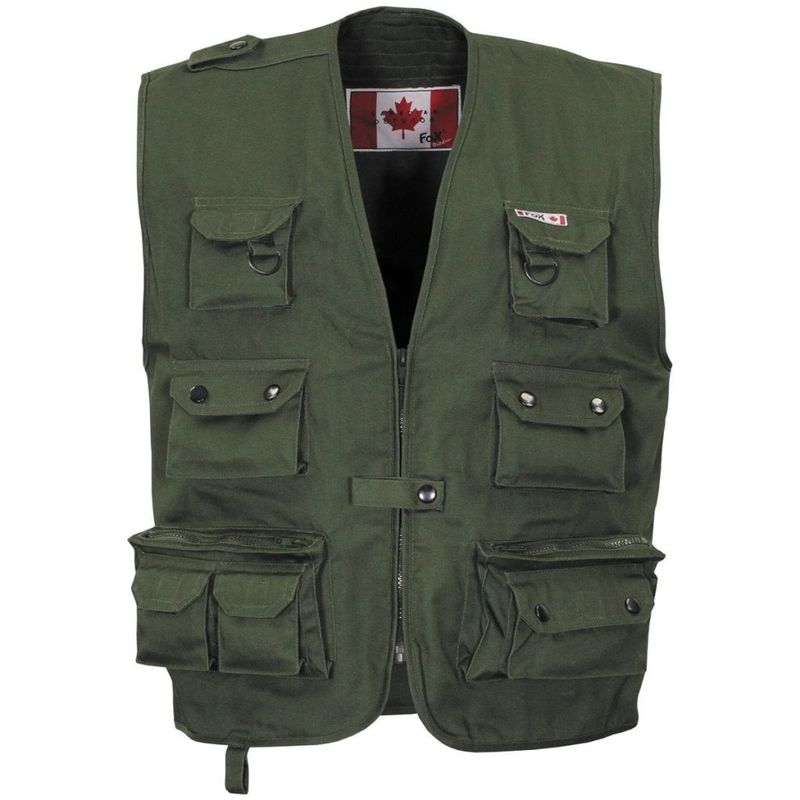
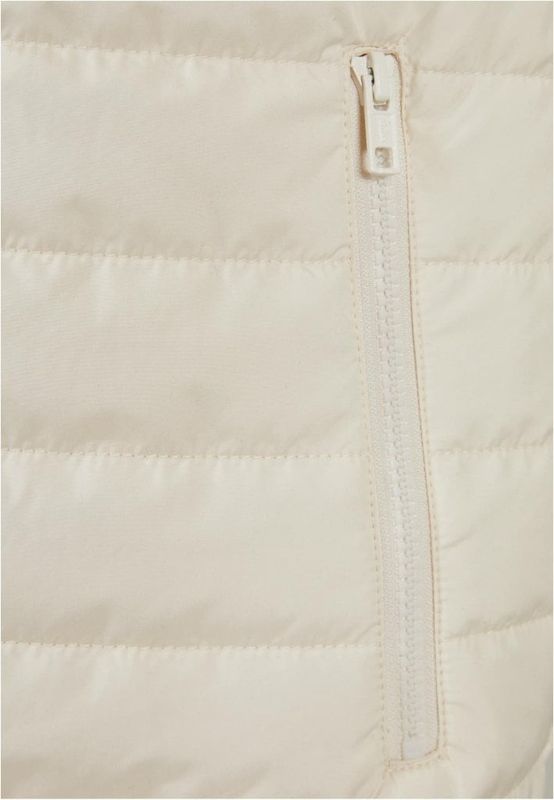
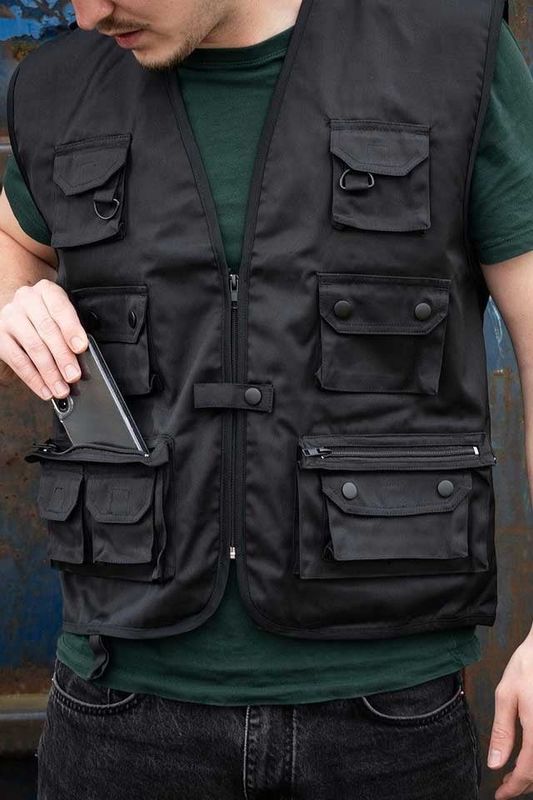
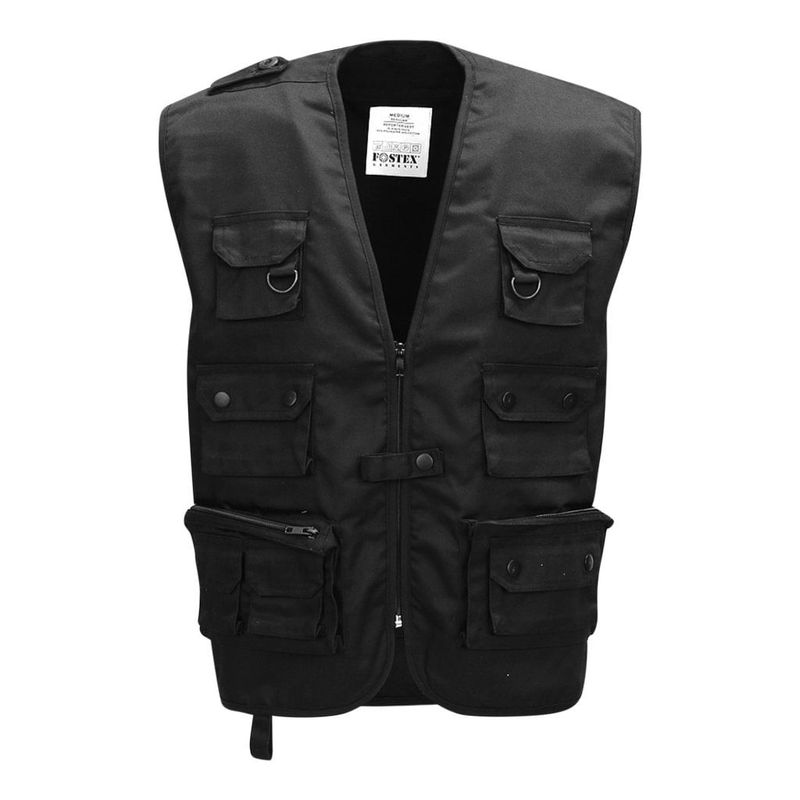
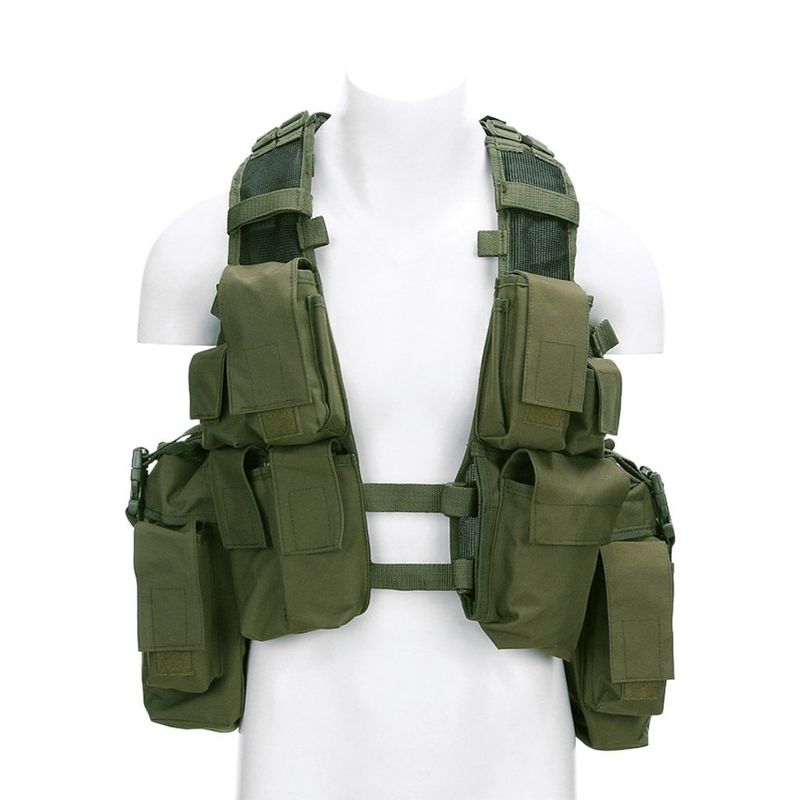
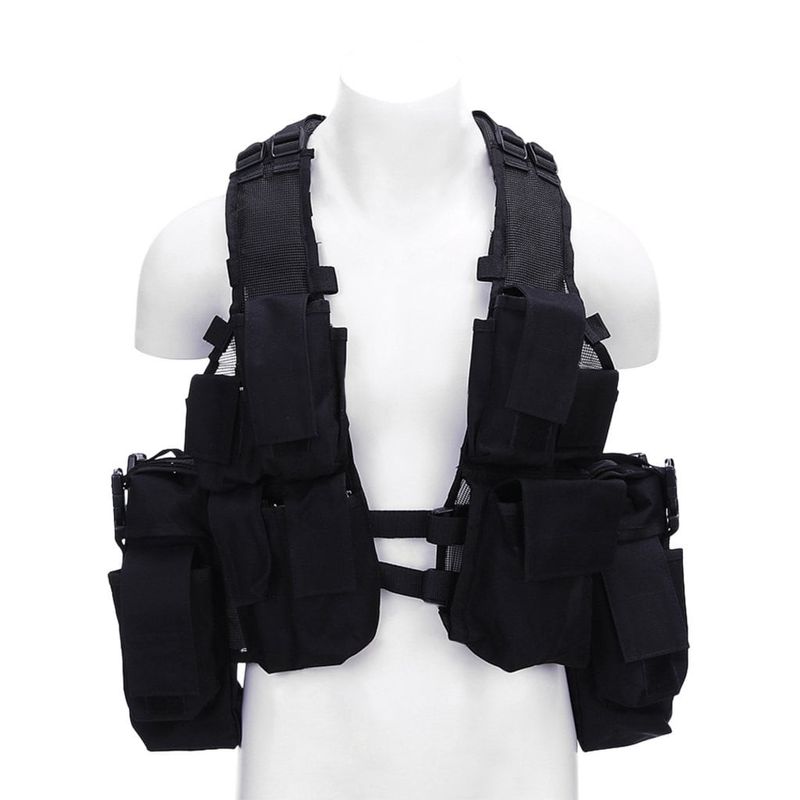
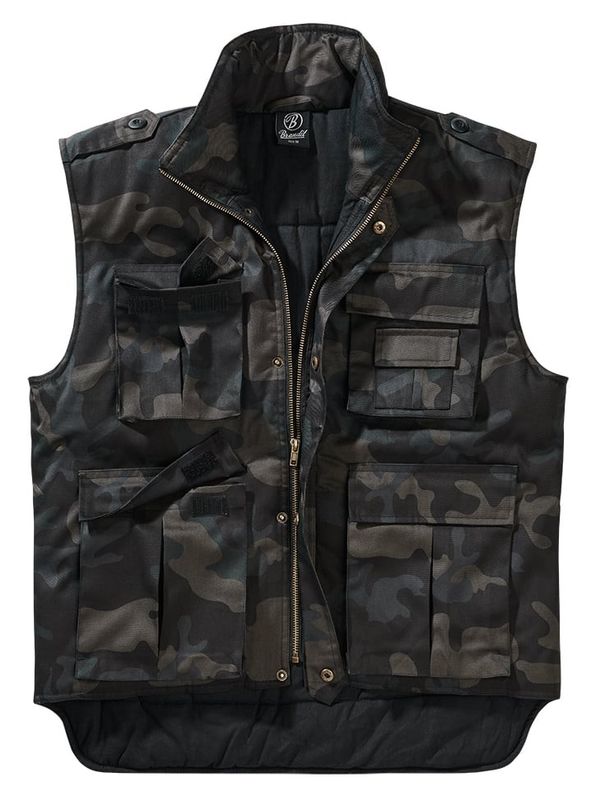
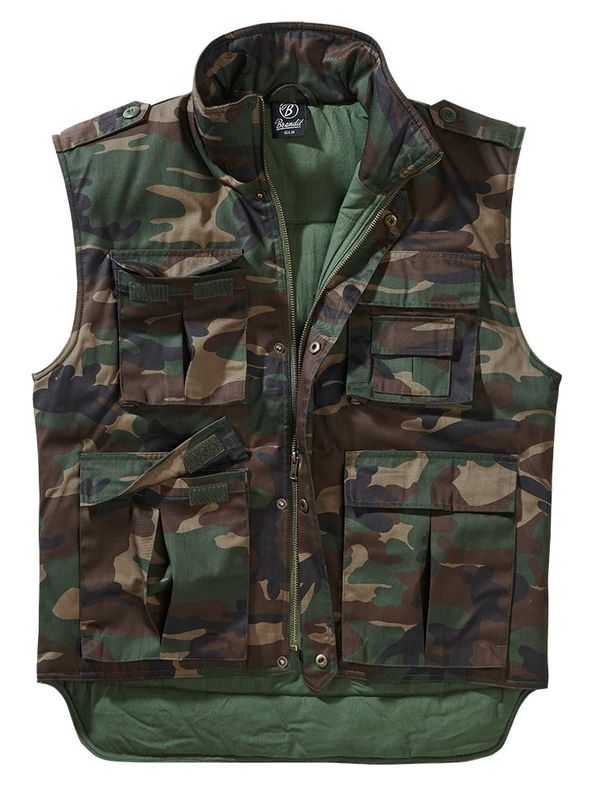
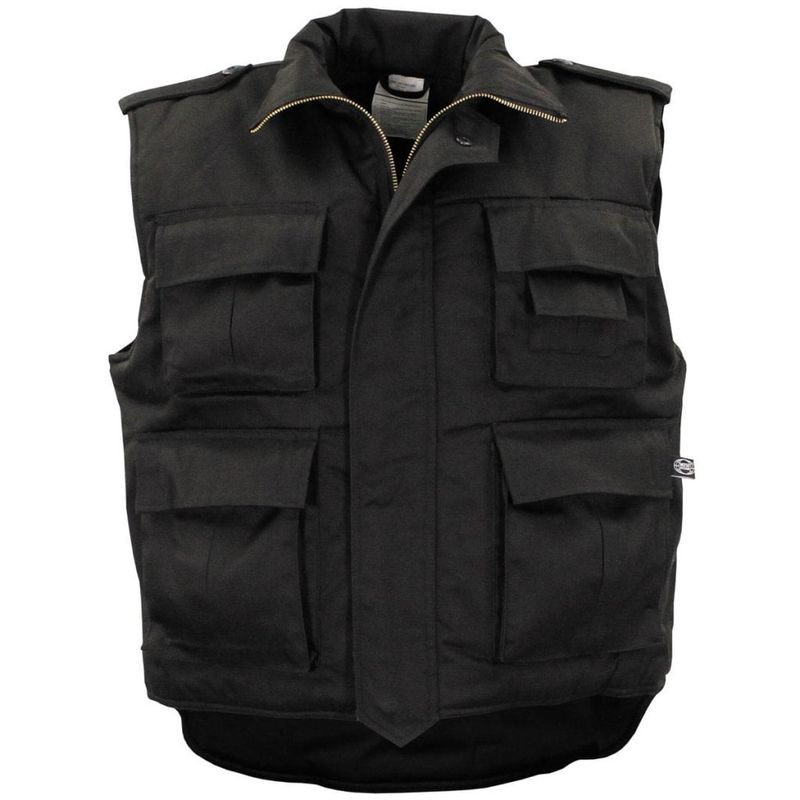
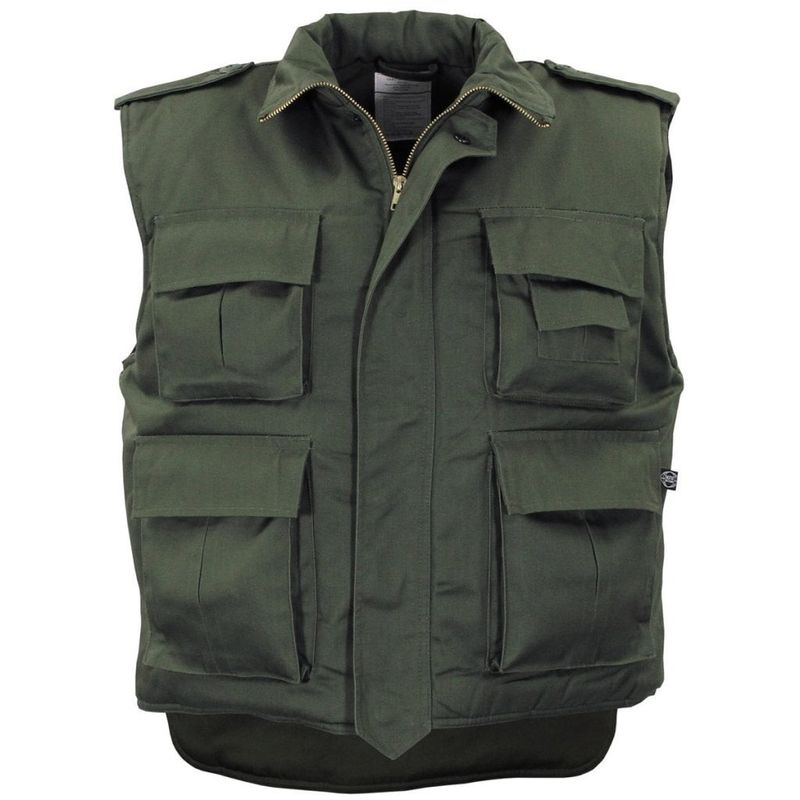
| Fishing or utility pocket vest | Keeping small items within reach. | Pocket size, position and closures. |
|---|
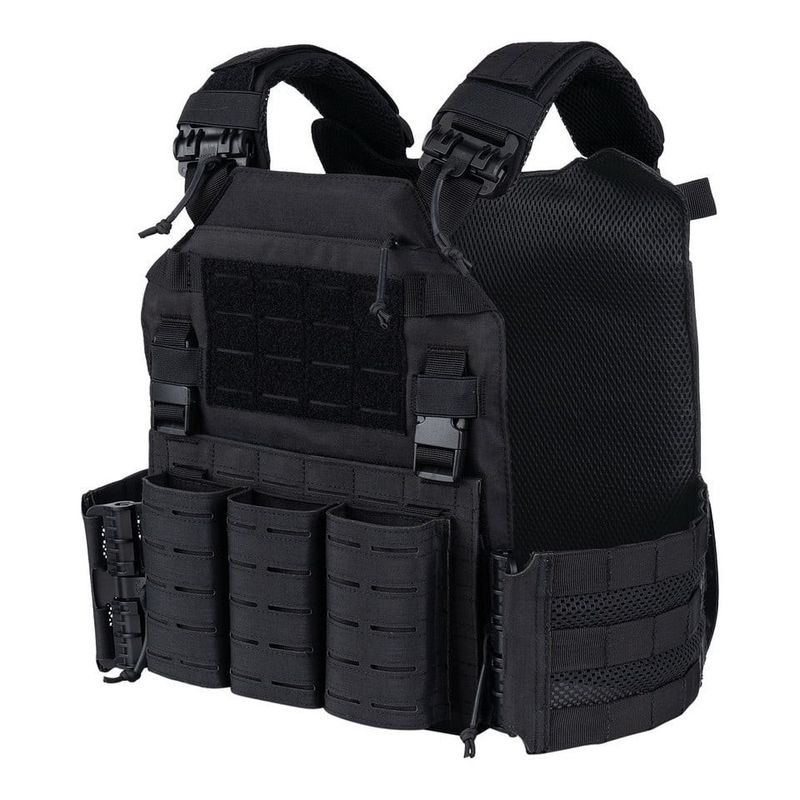
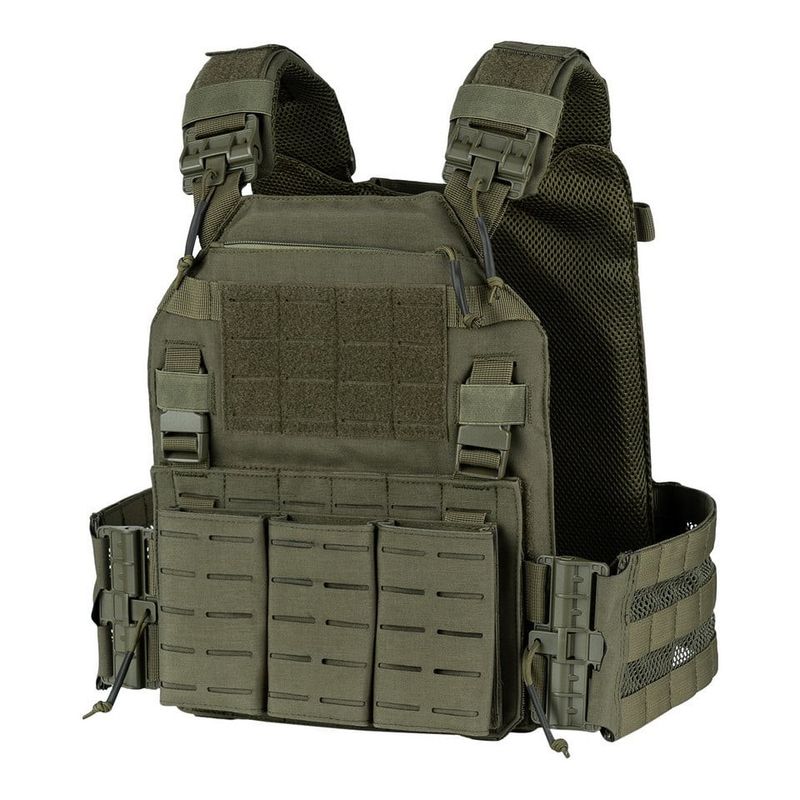
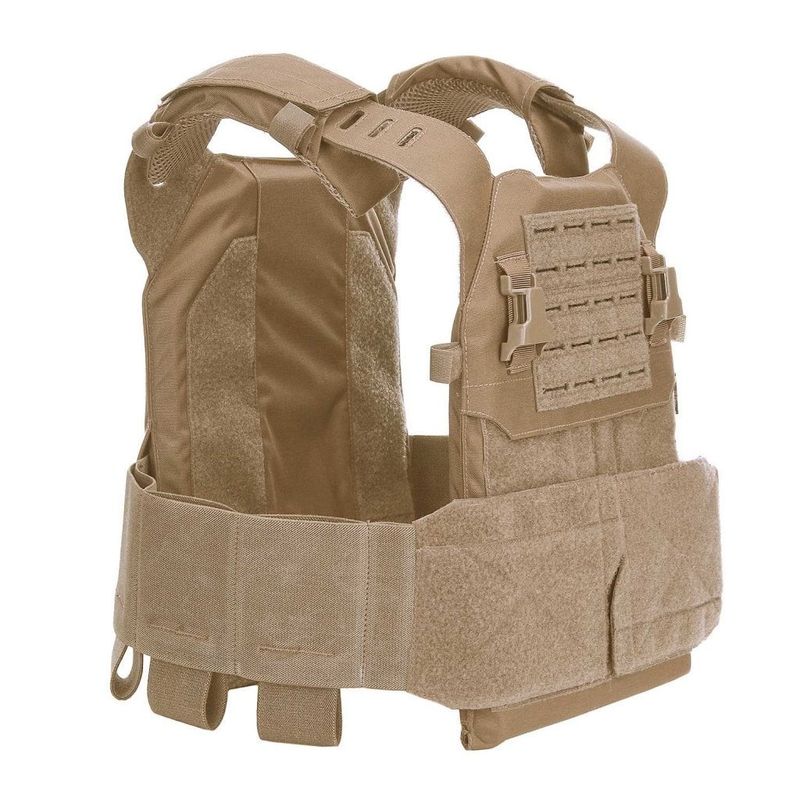
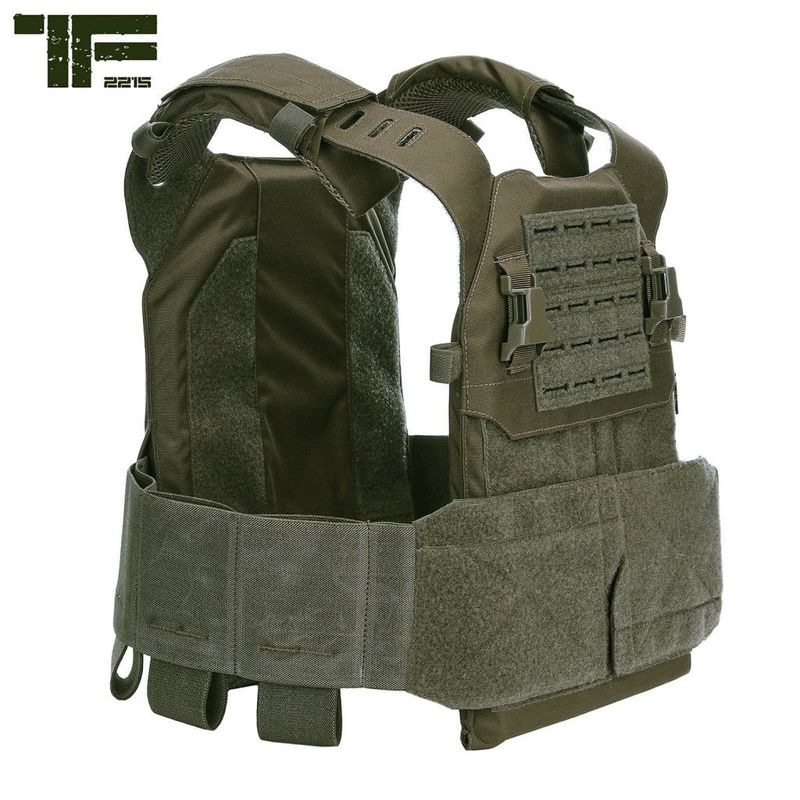
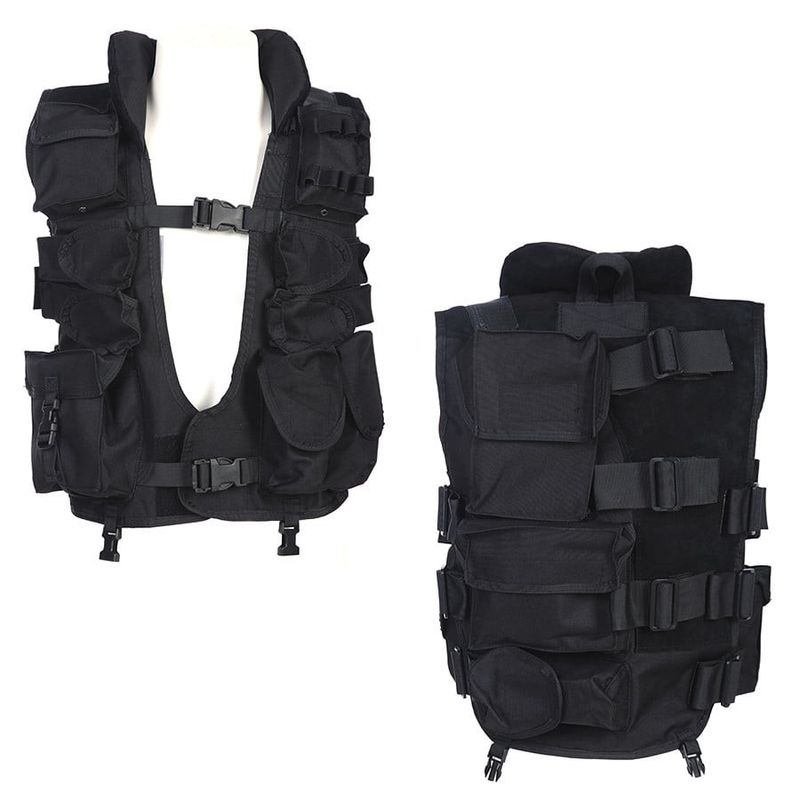
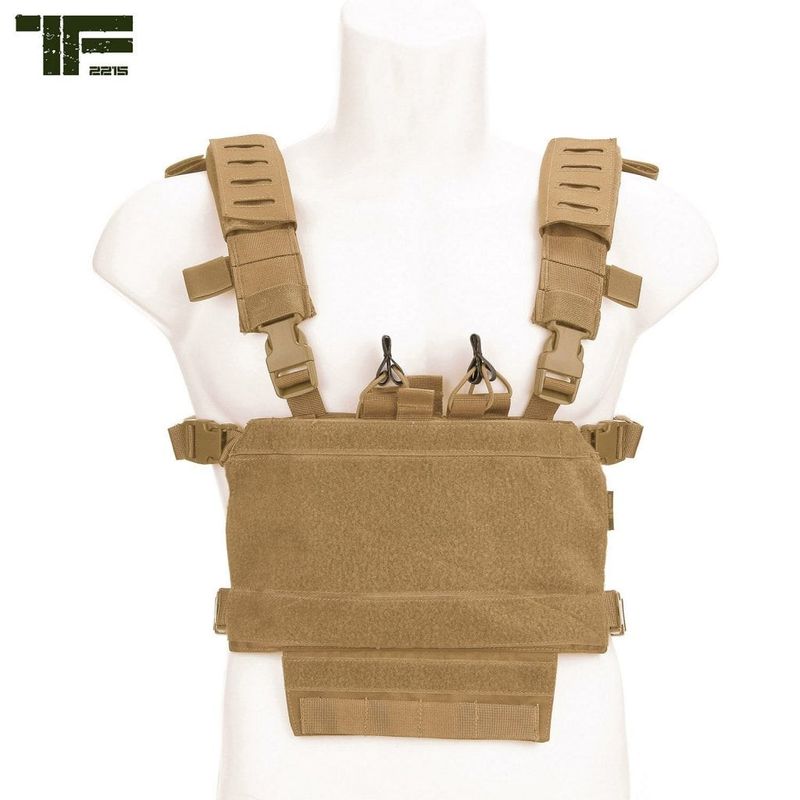
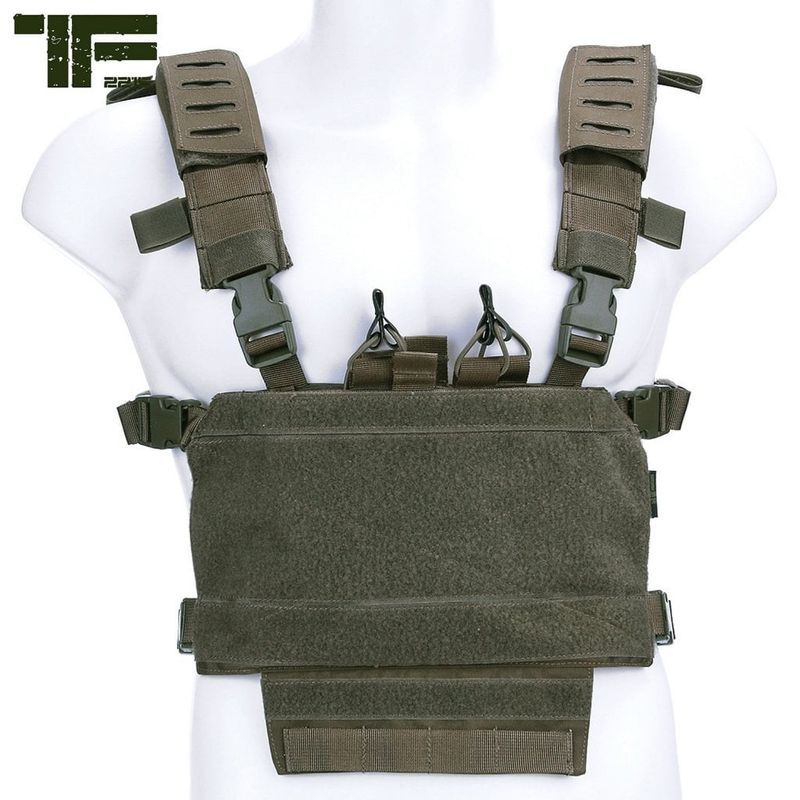
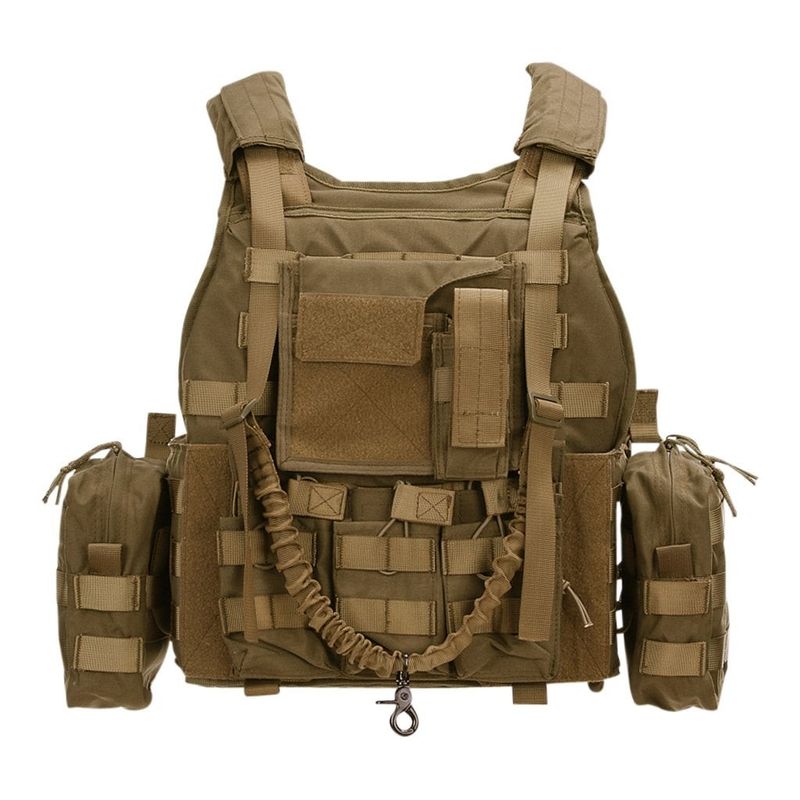
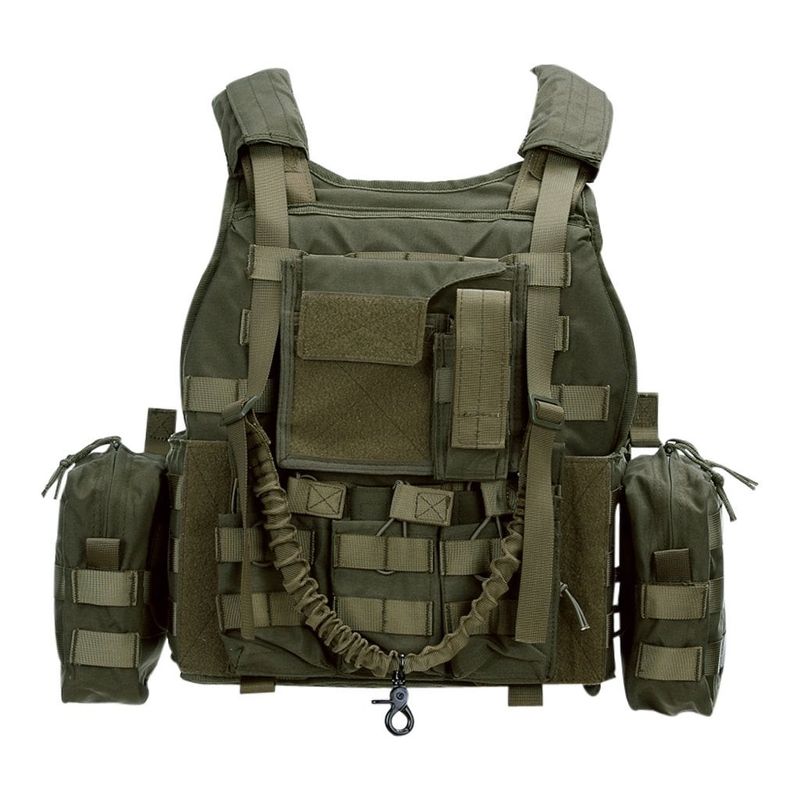
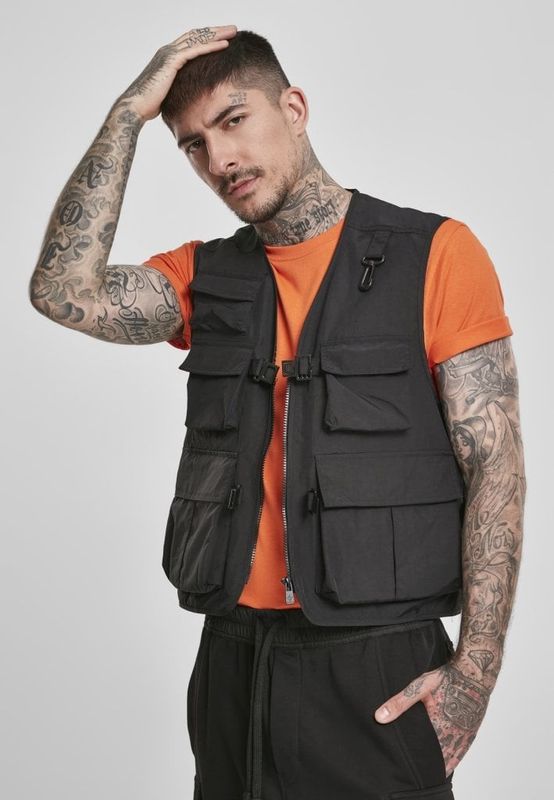
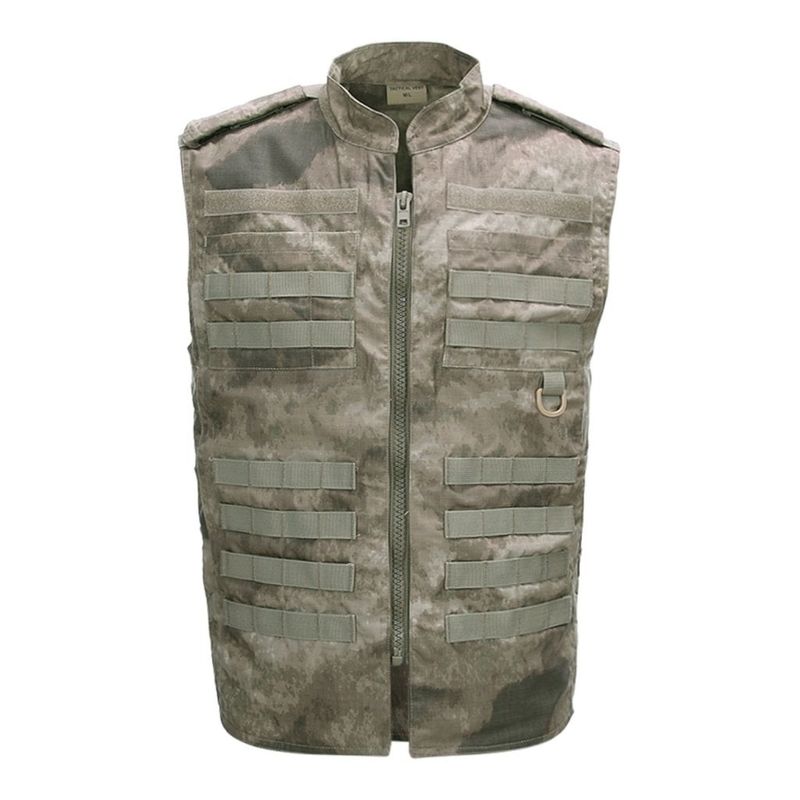
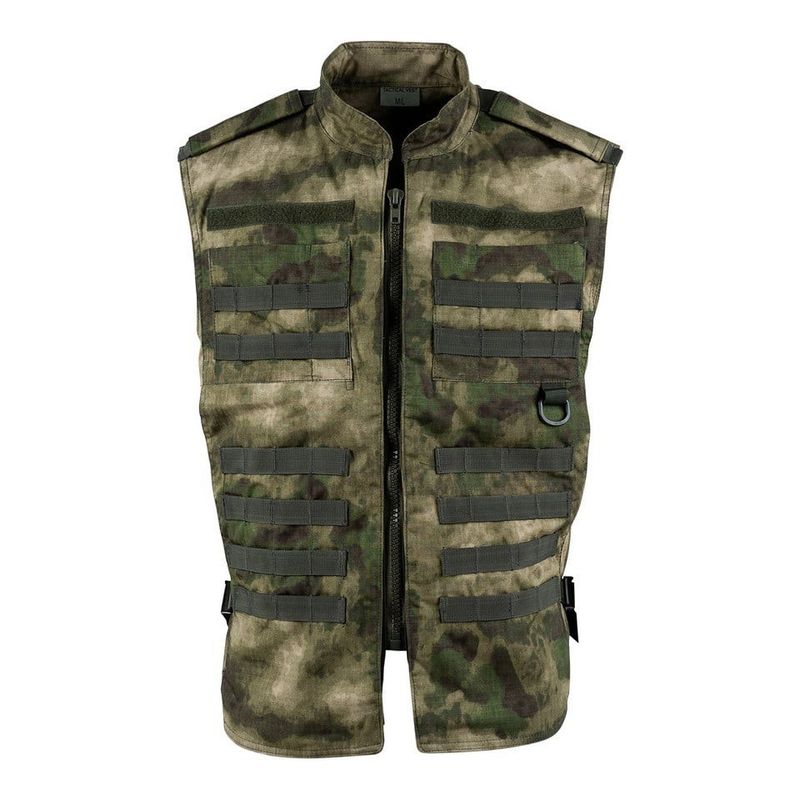
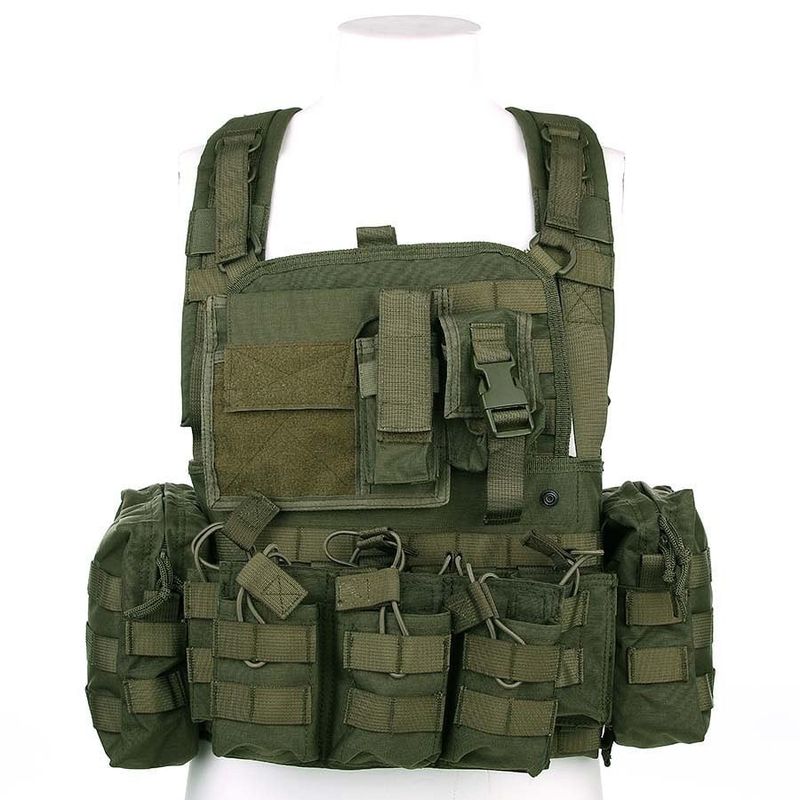
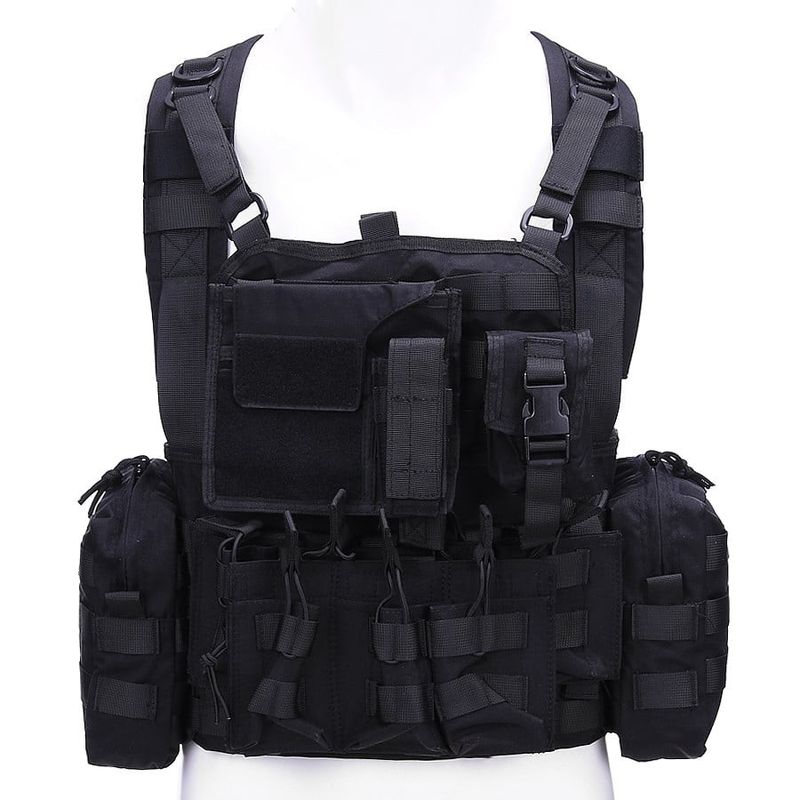
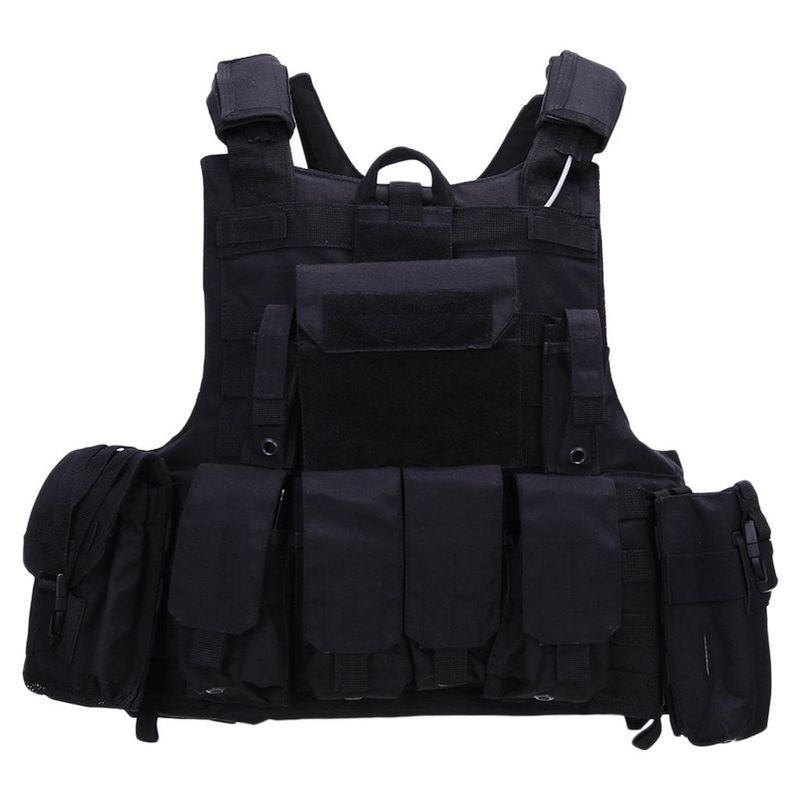
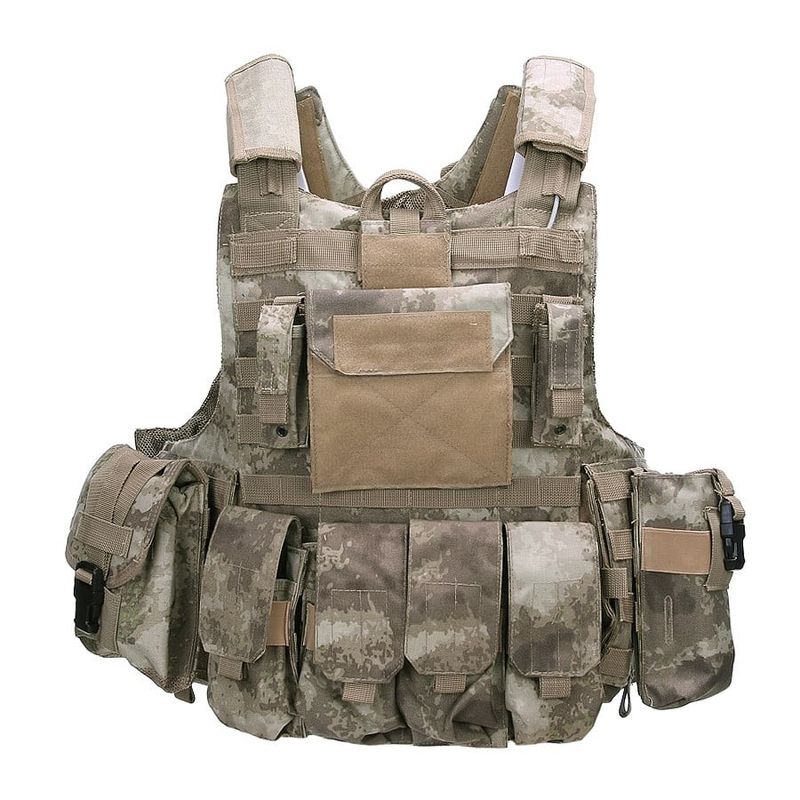
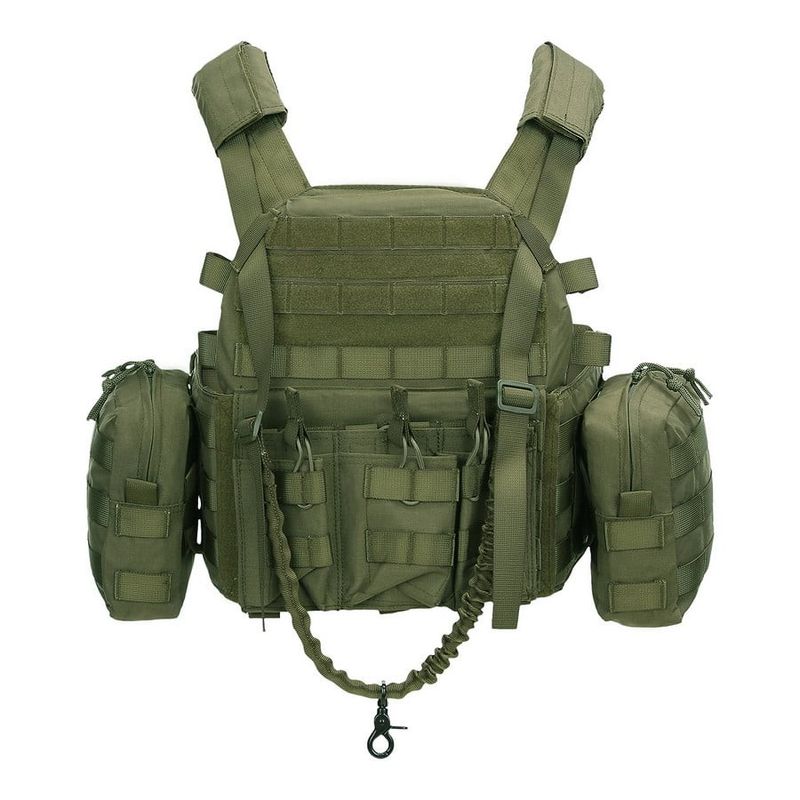
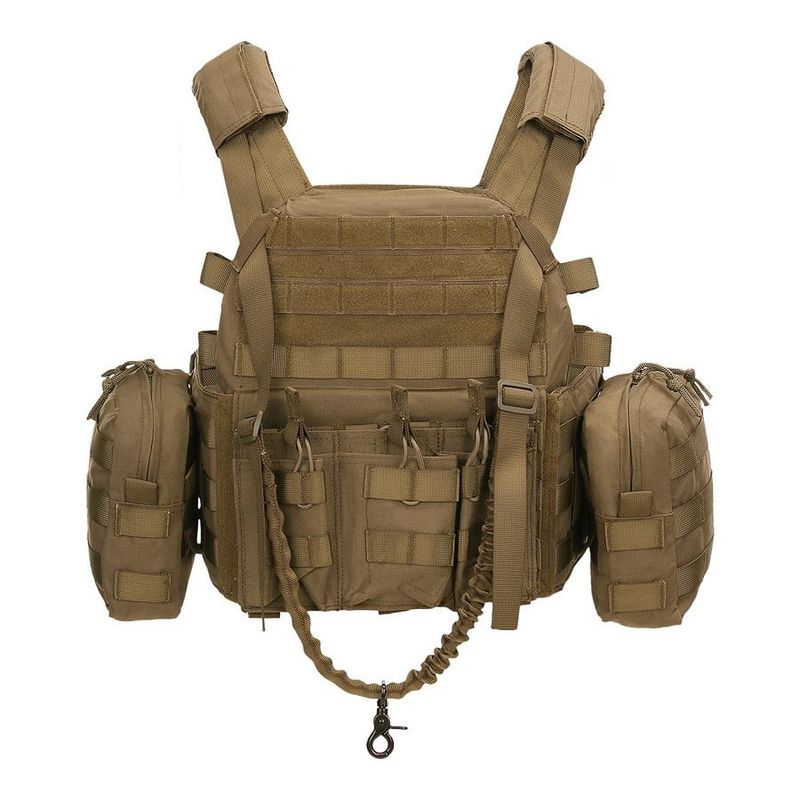
| Tactical vest with MOLLE | Attaching compatible pouches and accessories. | Attachment system, adjustment and what is included. |
|---|
Is a puffer gilet the same as a down gilet?
No. Puffer describes a padded, bulky construction; a down gilet contains down filling. Quilted seams or a thick appearance do not prove that a vest contains down. Check the filling separately from the outer fabric. The product descriptions include padded styles with polyester filling, for example.
A thin gilet may fit more easily under a jacket, while a thicker bodywarmer takes up more space. Teddy has a piled surface with a different look from smooth fabric. For teddy over your arms too, compare our men's teddy jackets.
How should a gilet fit over a hoodie?
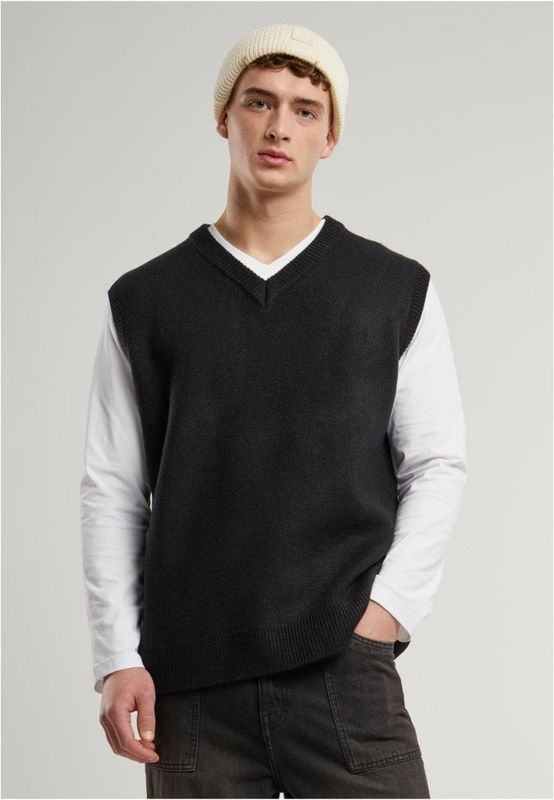
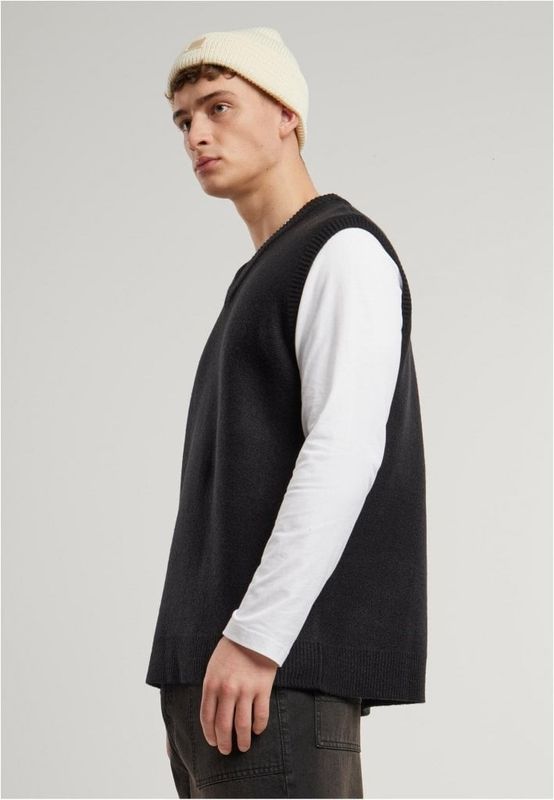
You should be able to fasten the gilet without it pulling across your chest, with enough room at the shoulders and armholes to move. Choose for the layer underneath rather than automatically sizing up.
- Where garment measurements are provided, lay a well-fitting vest or jacket flat and compare chest width and length using the same measuring points.
- Distinguish body chest circumference from flat garment width. A flat width of 60 cm is approximately 120 cm around the garment, not a 60 cm body chest measurement.
- Try it over your hoodie and reach your arms forward. The armholes should not pinch, and the hem should not catch above your hips as you move.
If the gilet goes under a jacket, make sure the outer jacket can fasten over both layers. High collars and hoods add bulk around the neck; two hoods can get in each other's way.
Pockets and MOLLE serve different purposes
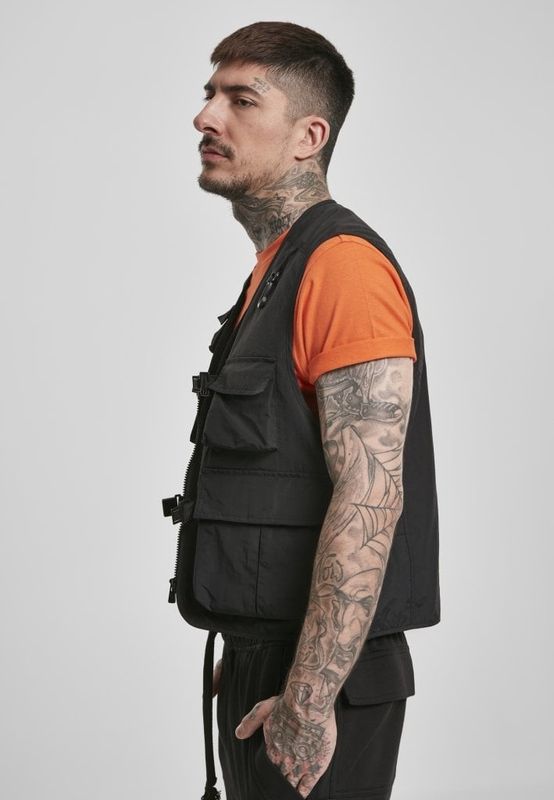
Fixed pockets provide ready-made storage; MOLLE attachments let you add compatible modules. For a fishing or utility vest, access matters as much as pocket count. Check whether your phone fits, whether the pocket closes and whether filled pockets get in the way when sitting.
A tactical vest is not automatically protective equipment. MOLLE identifies an attachment system, not a protection rating. Read the individual specification and what is included before choosing accessories.
When can you wear a gilet instead of a jacket?
A gilet works when you want another layer around your torso and can leave your underlying clothing to cover your arms. Wear it over a jumper in mild weather; when your arms need more coverage, compare our men's jackets.
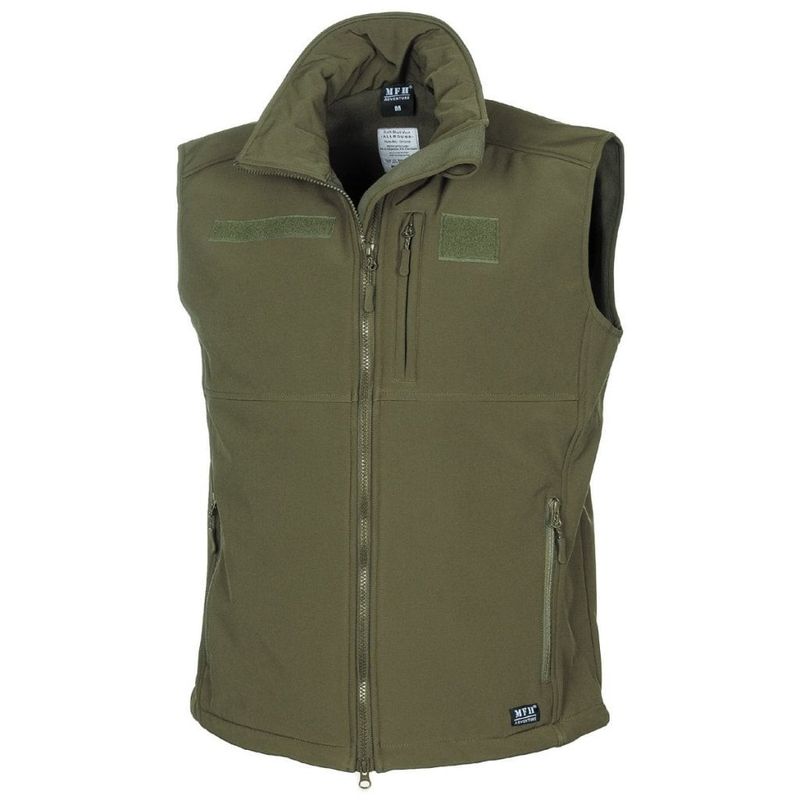
Padding and teddy fabric do not guarantee windproof or waterproof protection. Softshell describes a construction, so check the stated weather protection of each style. A vest still leaves your arms uncovered even if its outer fabric resists the weather.
How to style your vest
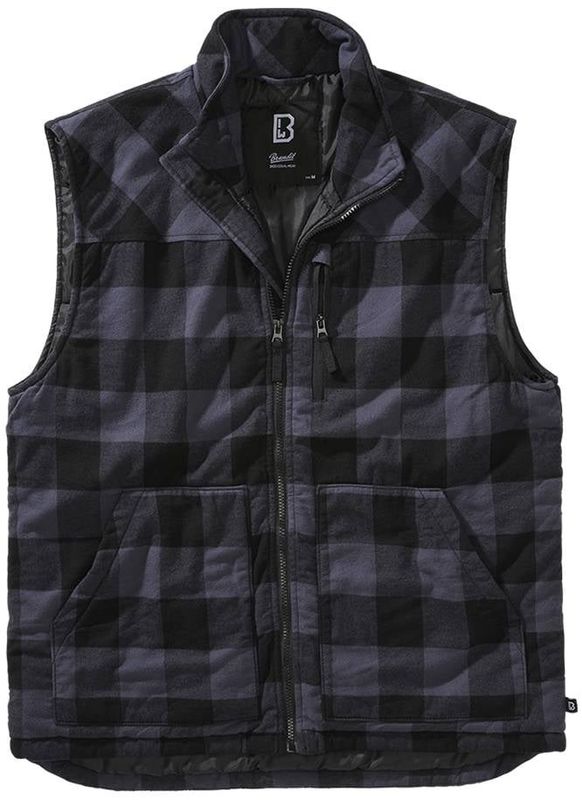
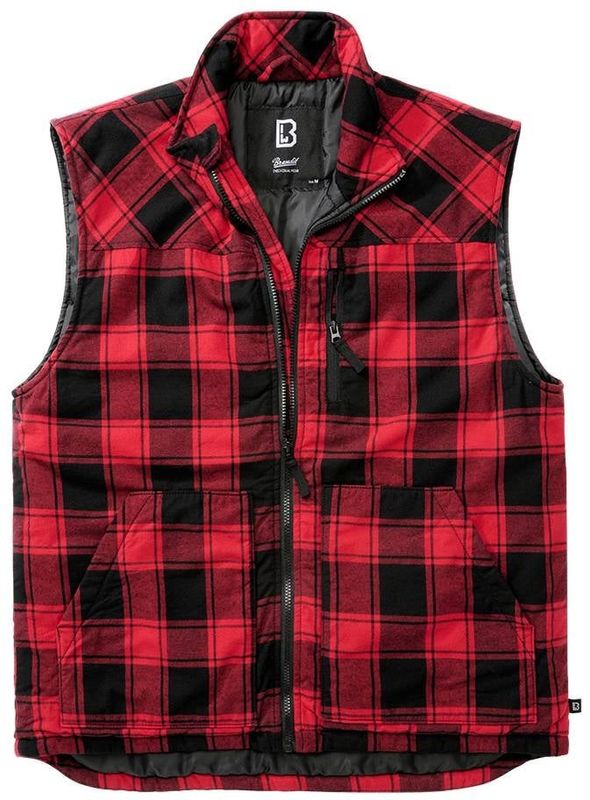
Let the fabrics contrast: a smooth puffer gilet over a men's hoodie, or denim and leather over a flannel shirt. Black brings a dark outfit together, while teddy or checked fabric makes the upper layer stand out. Before sewing patches onto a denim vest, check seams and pockets on both sides of the fabric. For a denim look with sleeves, compare our men’s denim jackets. For the leather look with sleeves, compare our men’s leather and faux-leather jackets.
Follow your vest's own care instructions. Denim, leather, teddy and padded fabrics should not all be treated alike.