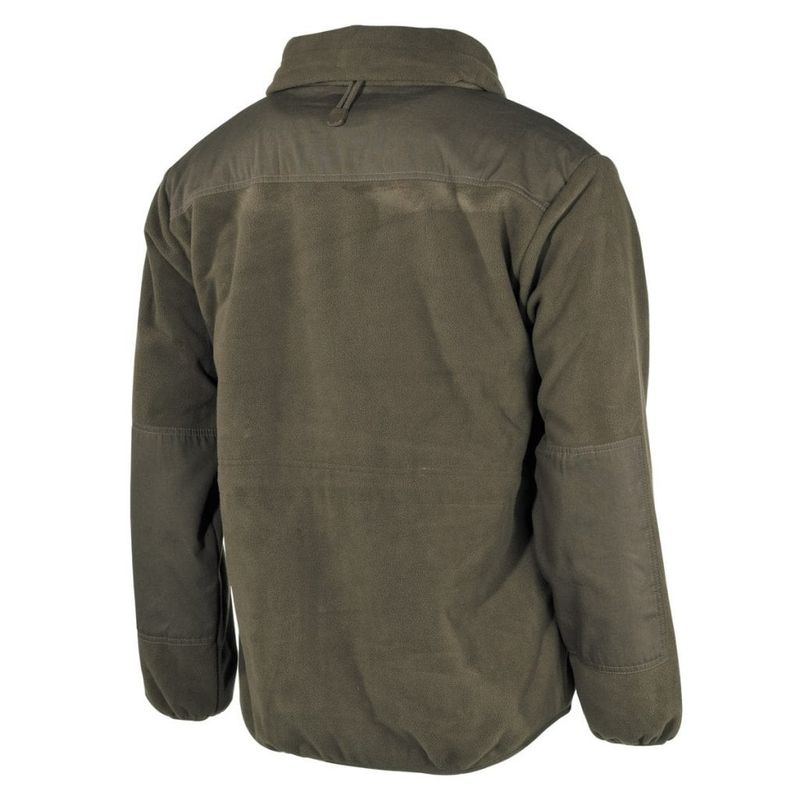
Men's fleece jackets
Explore men's fleece jackets and fleece-lined jackets for everyday wear and time outdoors. Compare fabric, fit and construction to choose between a soft mid-layer and an outer jacket with fleece on the inside.
Explore men's fleece jackets and fleece-lined jackets for everyday wear and time outdoors. Compare fabric, fit and construction to choose between a soft mid-layer and an outer jacket with fleece on the inside.
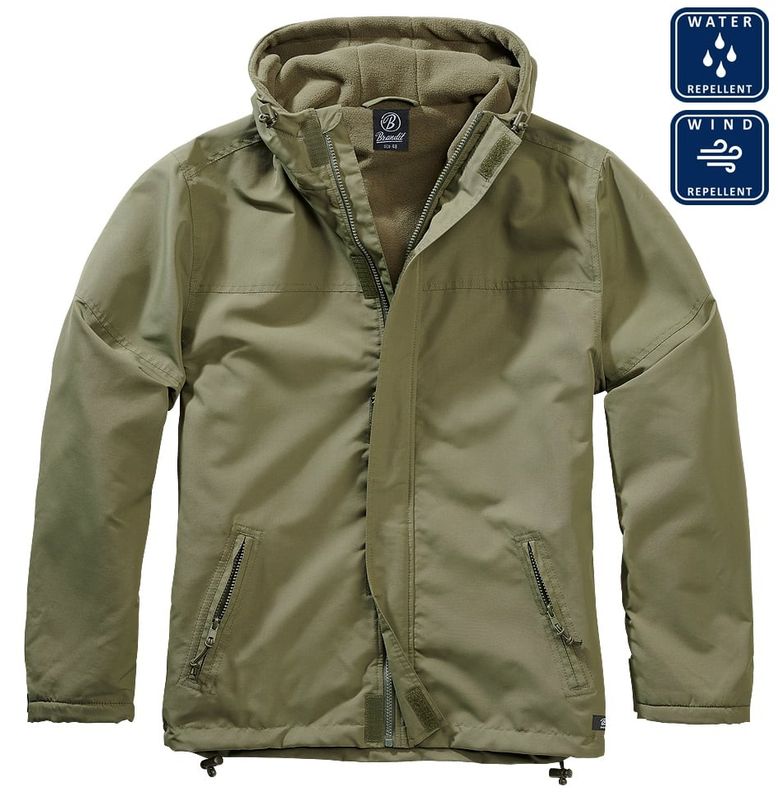
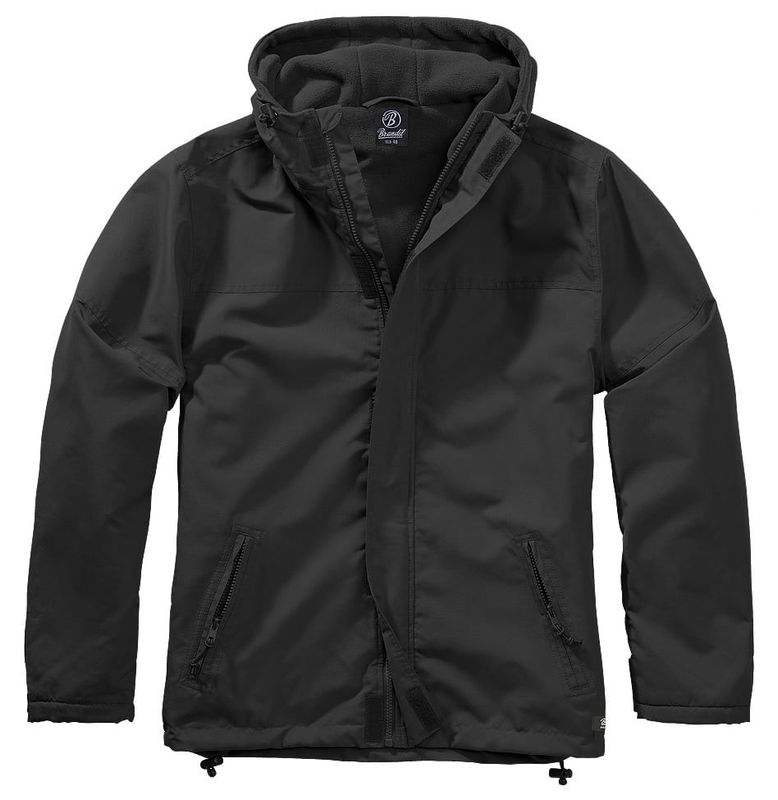
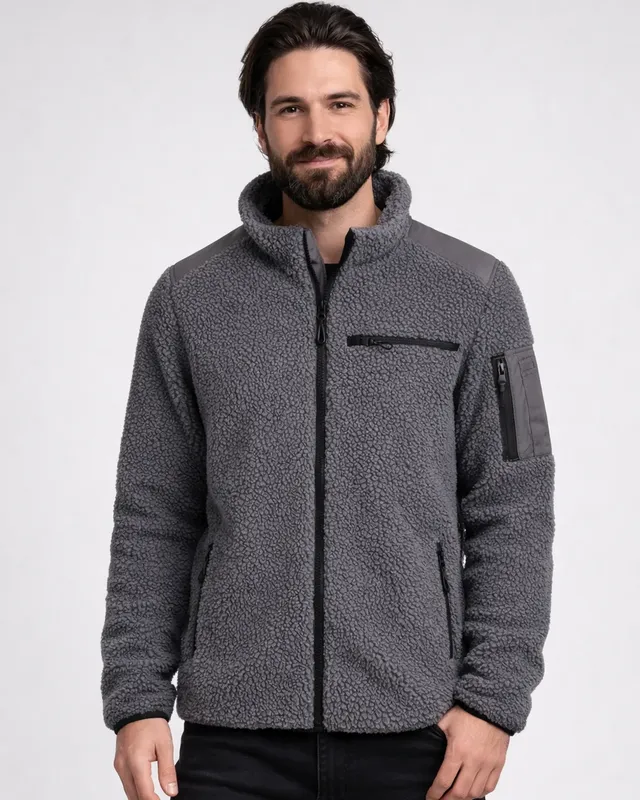
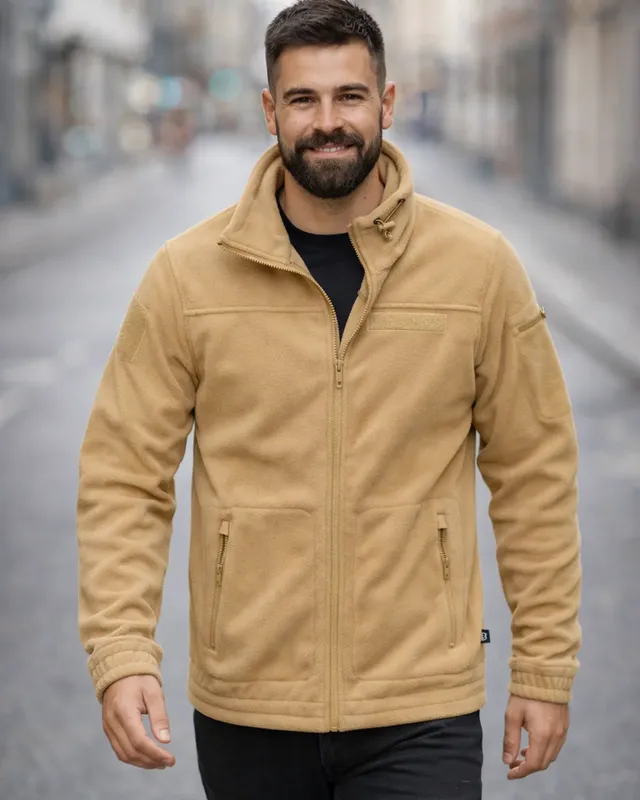
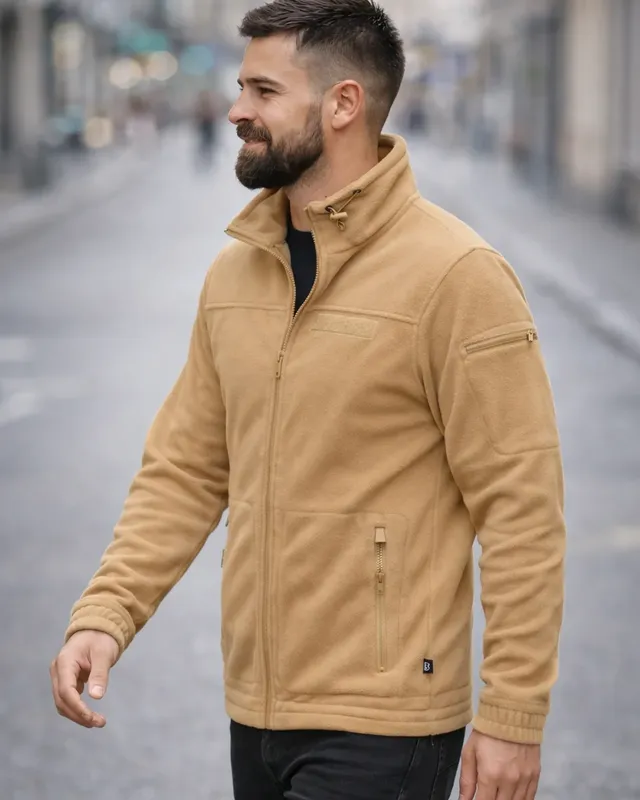
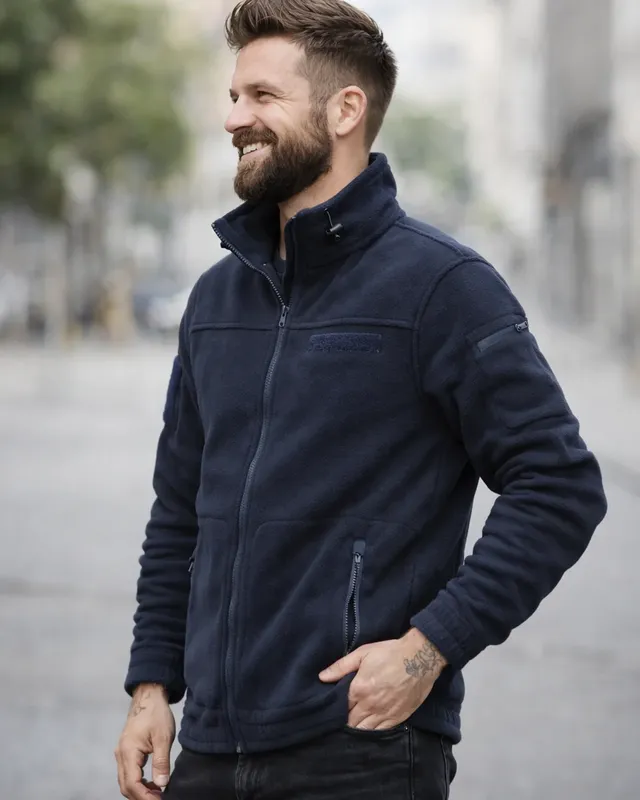
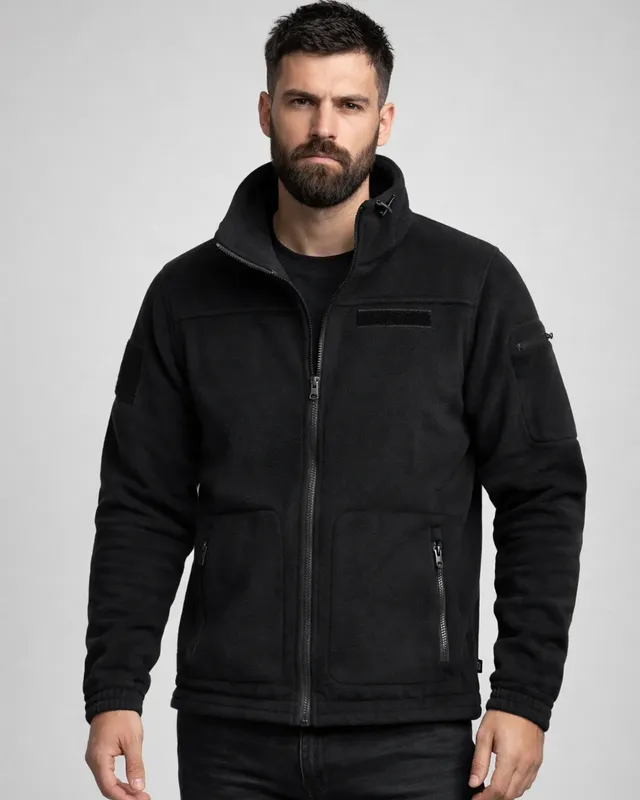
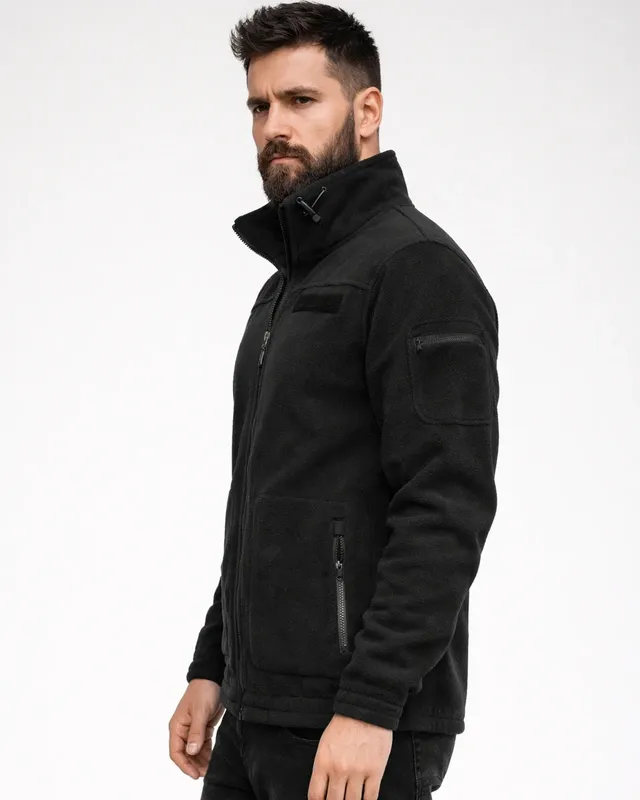
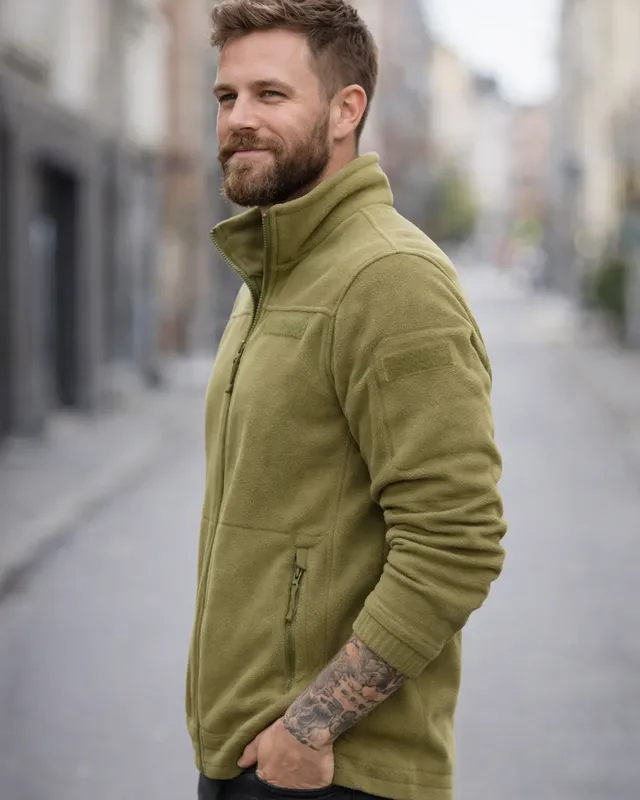
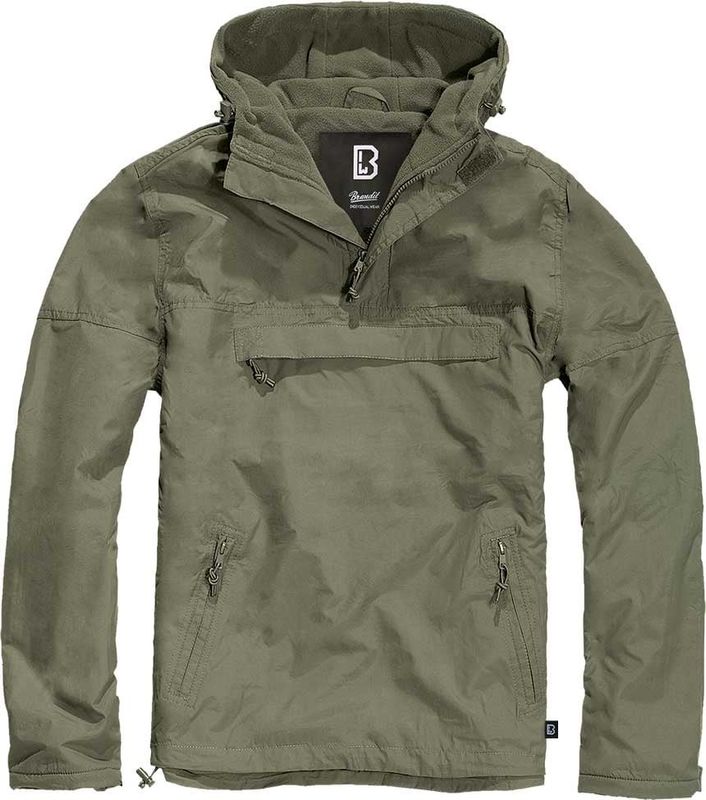
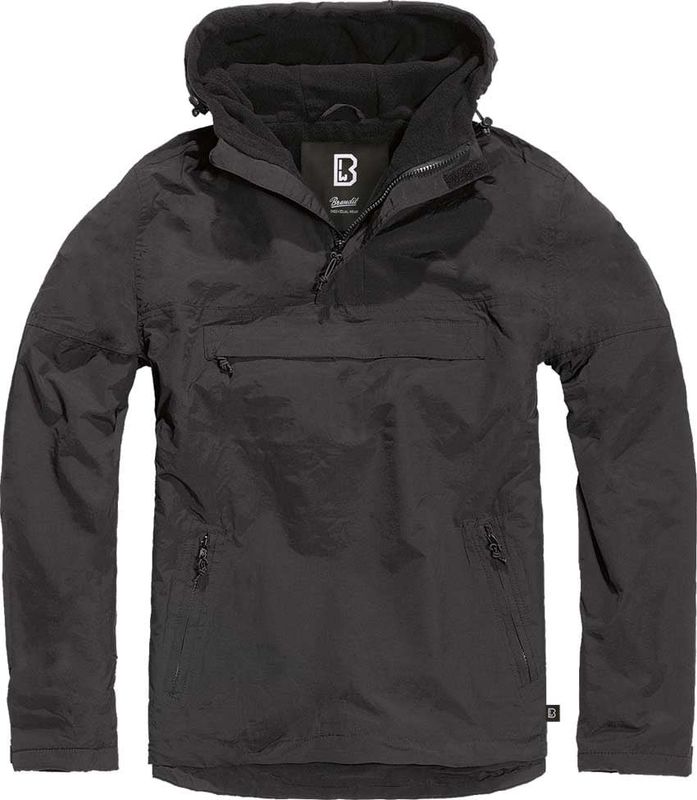
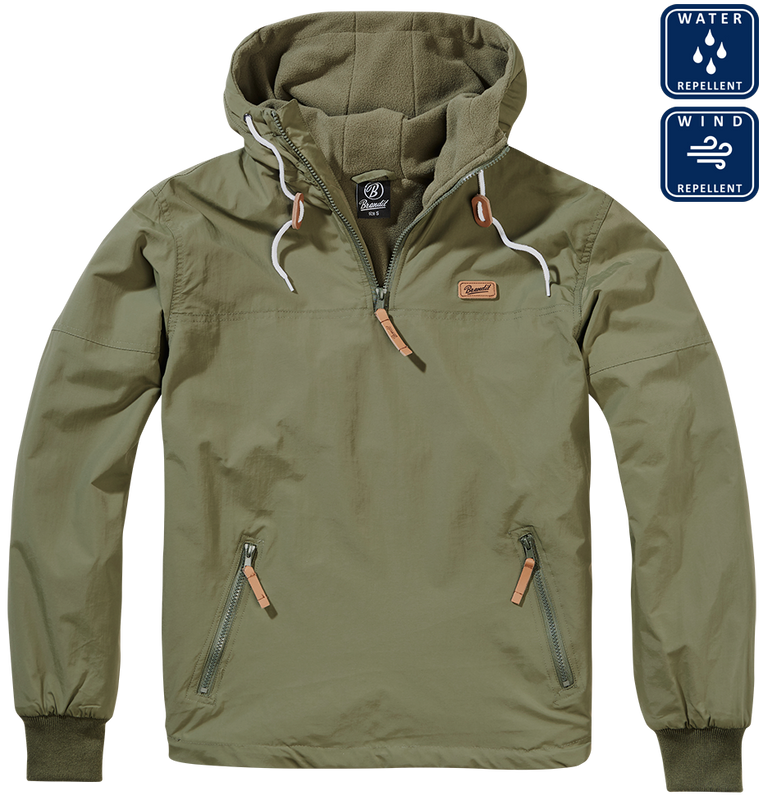
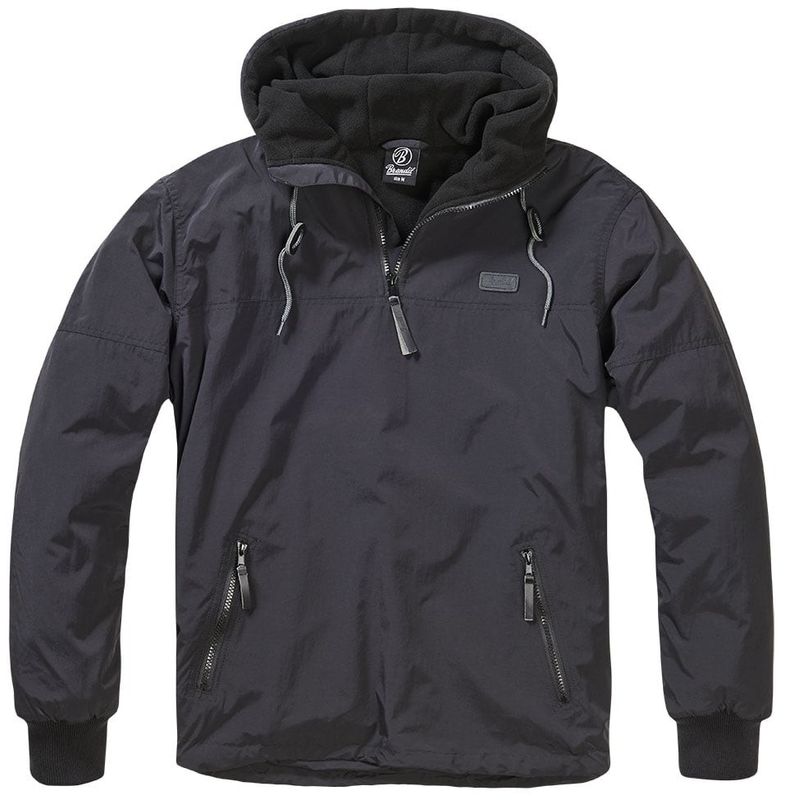
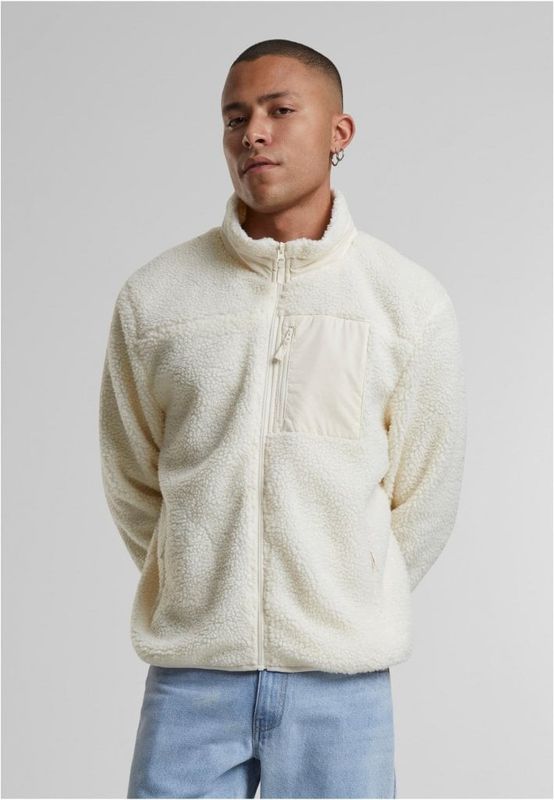
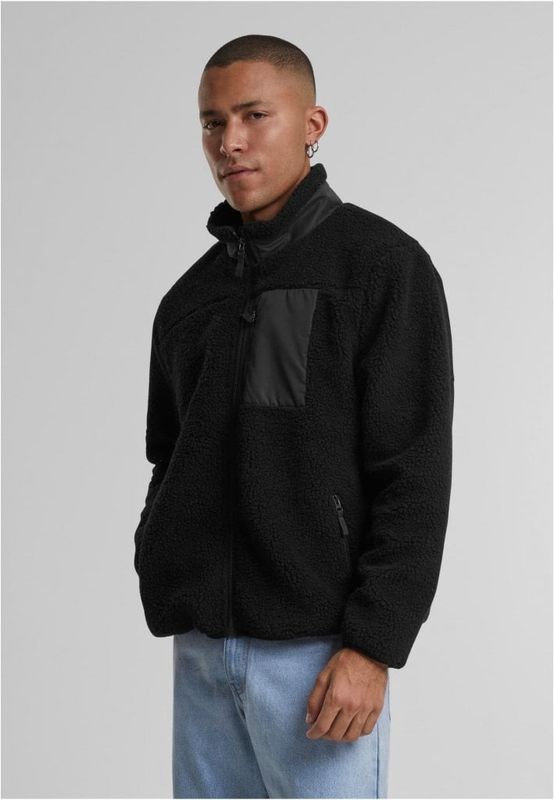
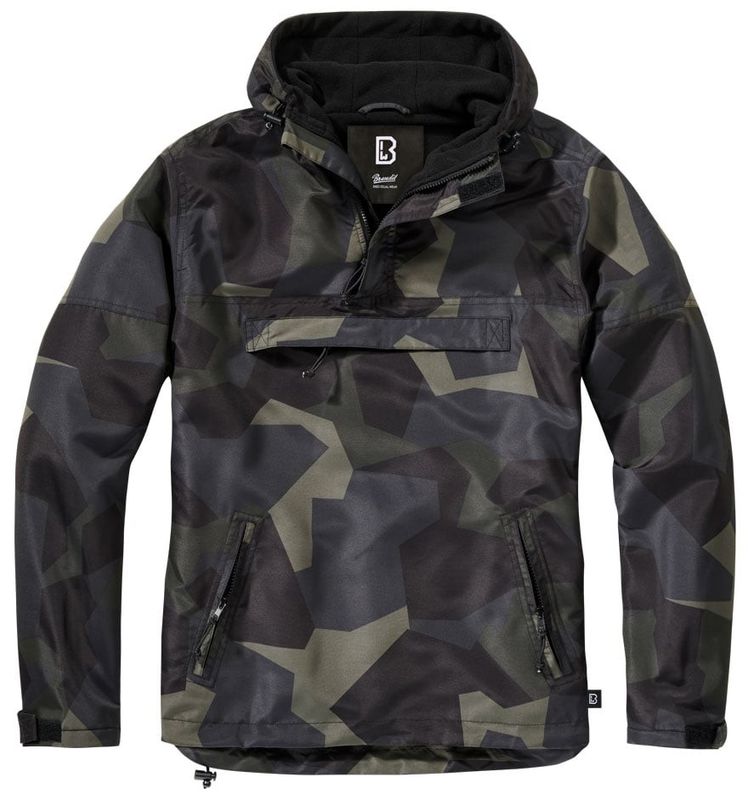
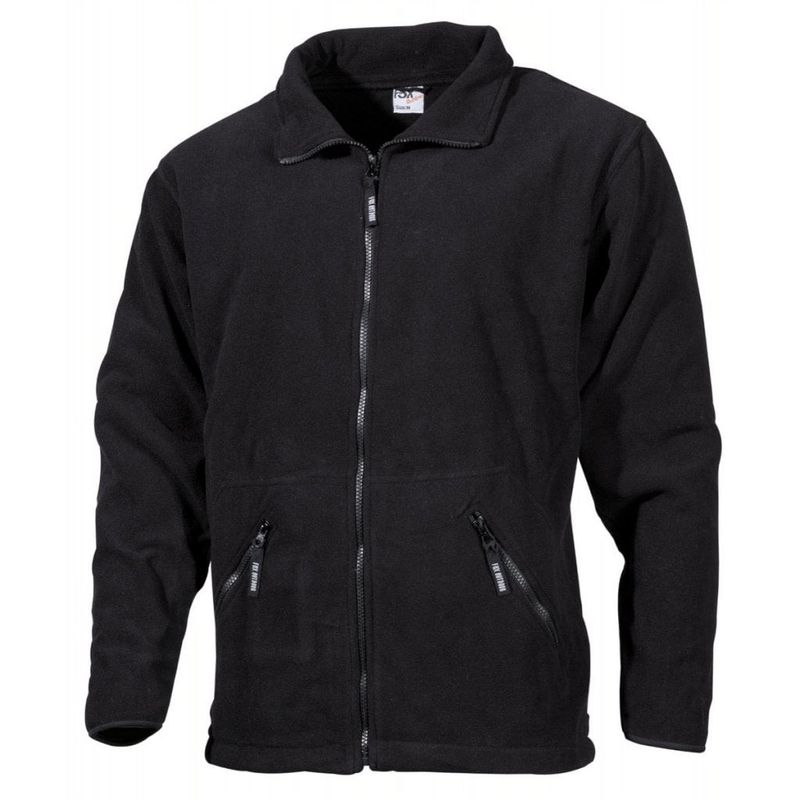
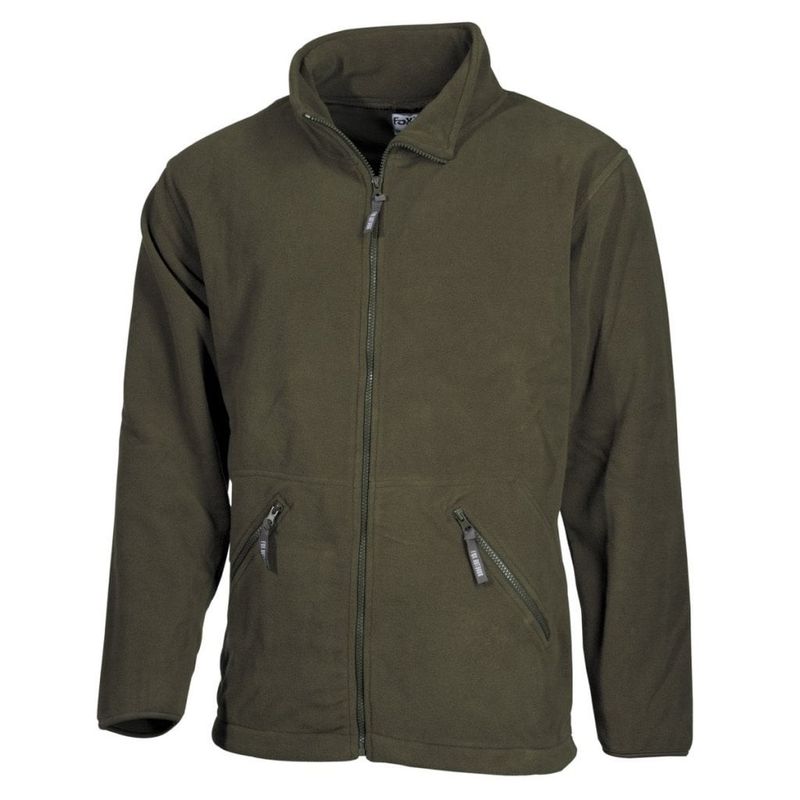
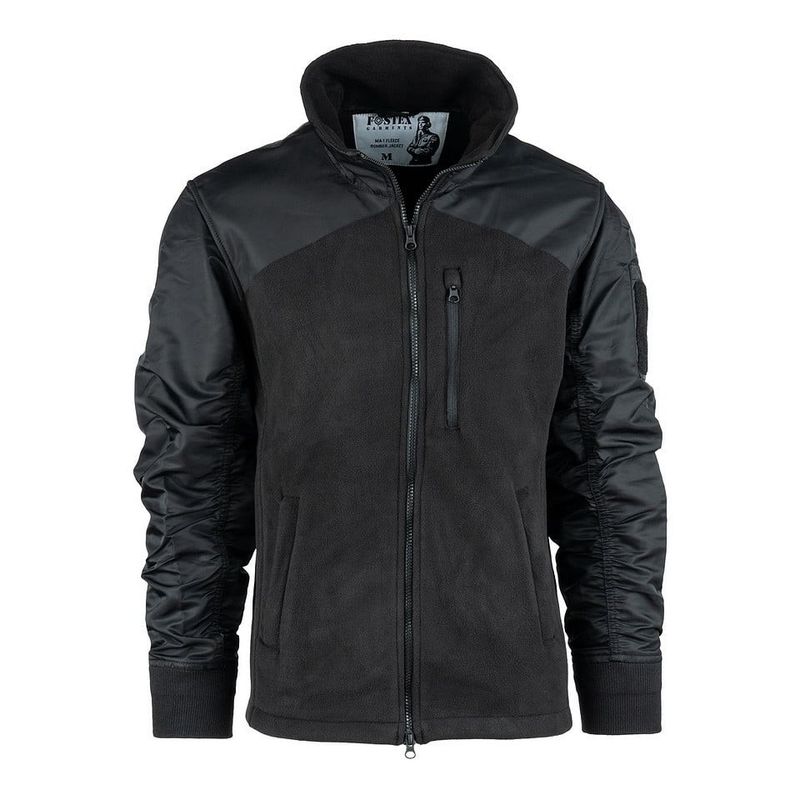
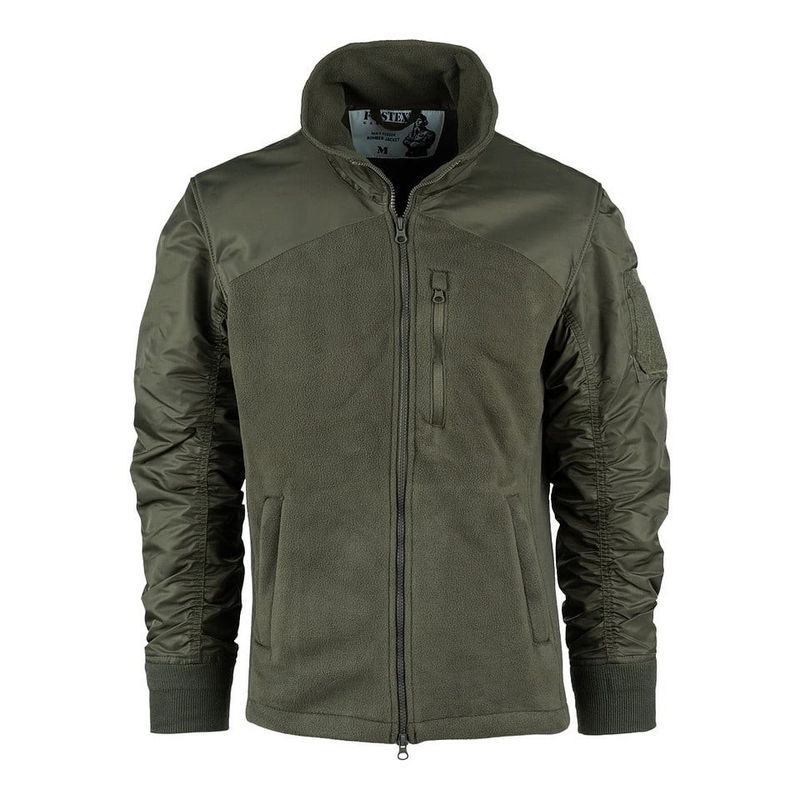
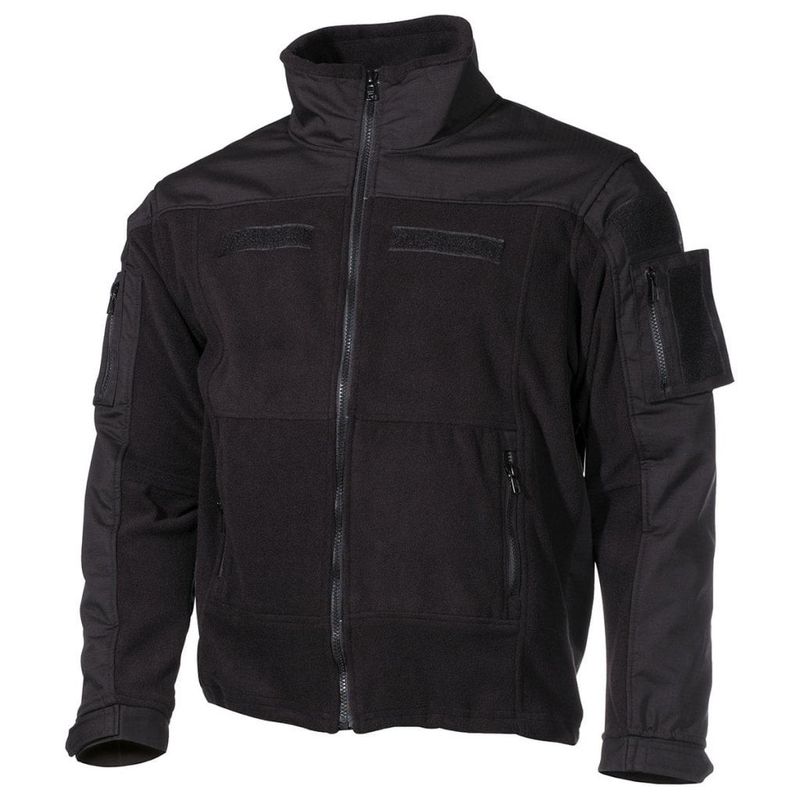
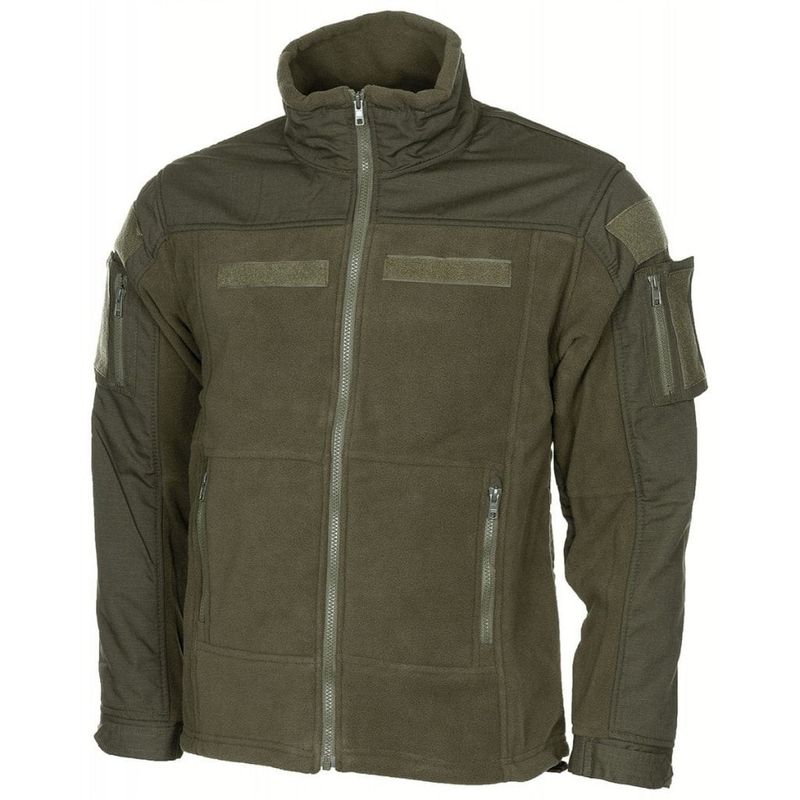
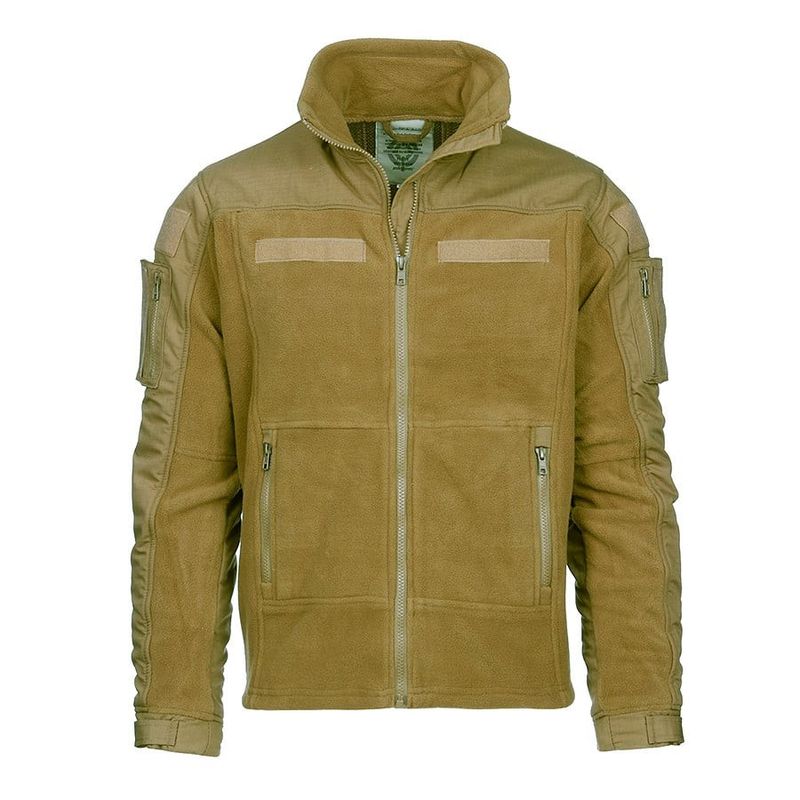
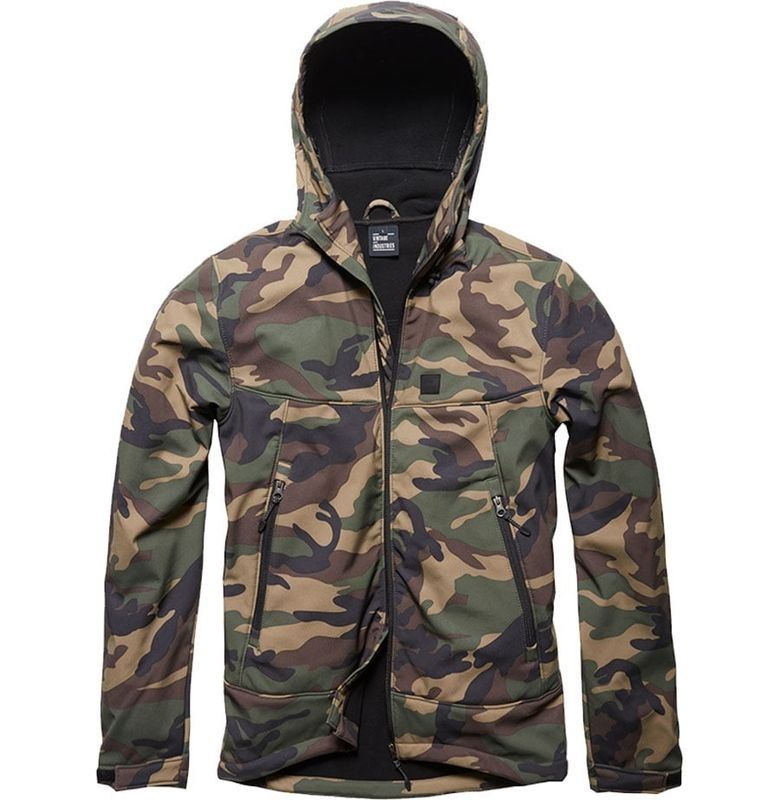
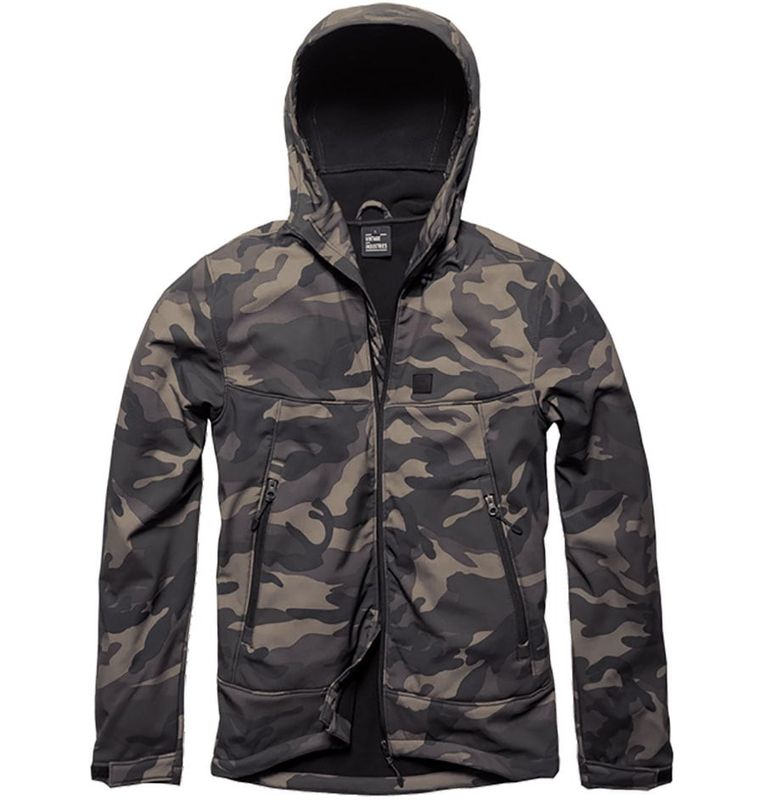
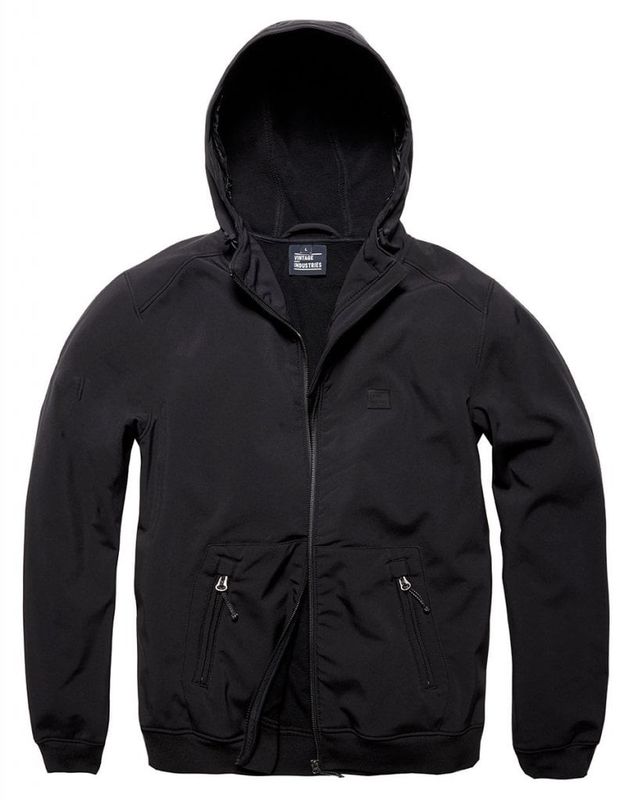
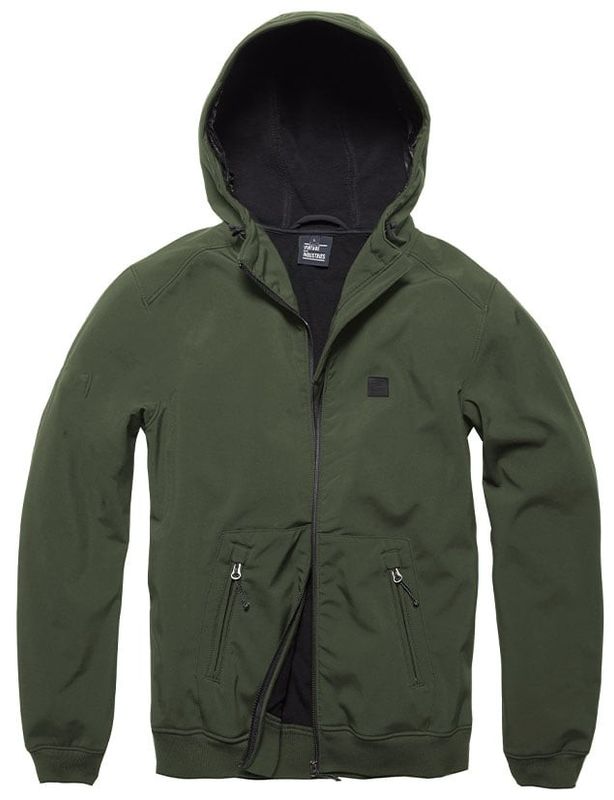
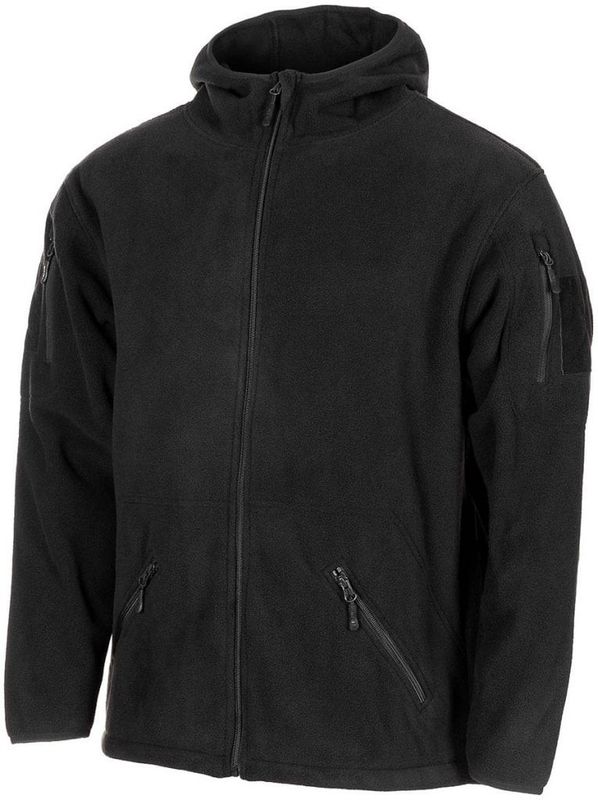
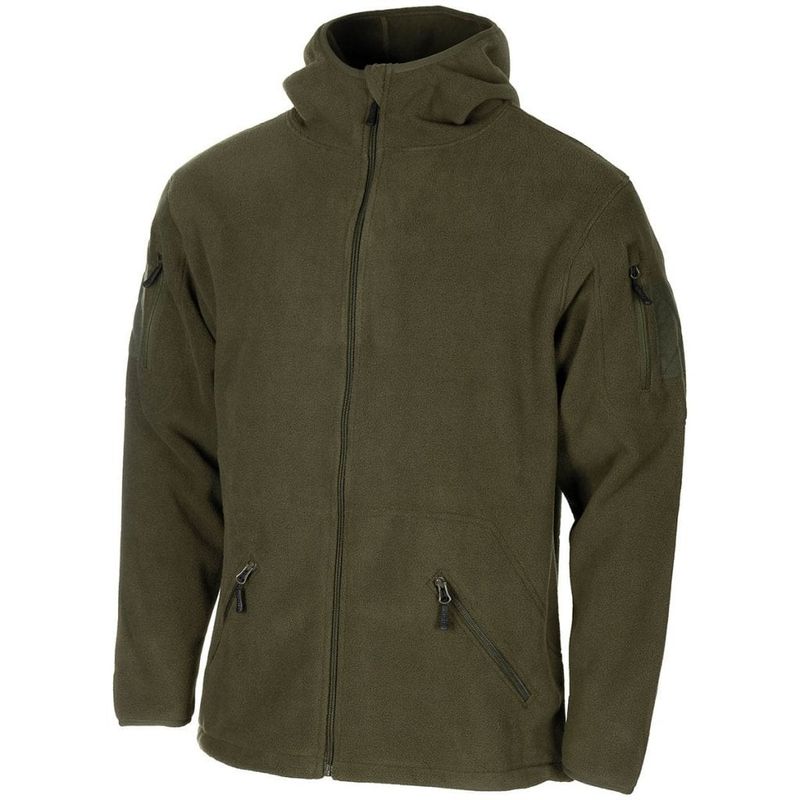
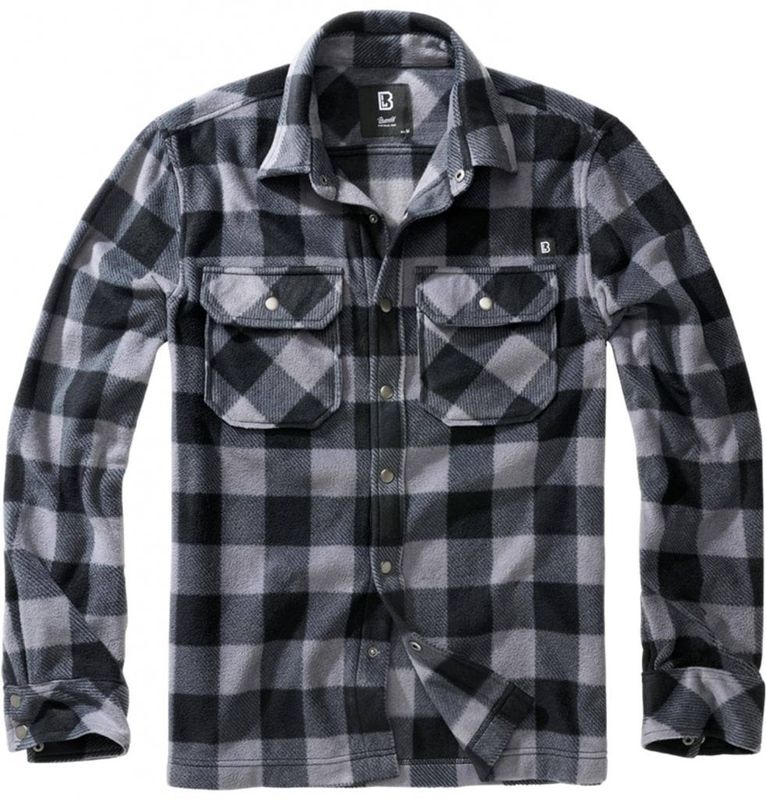
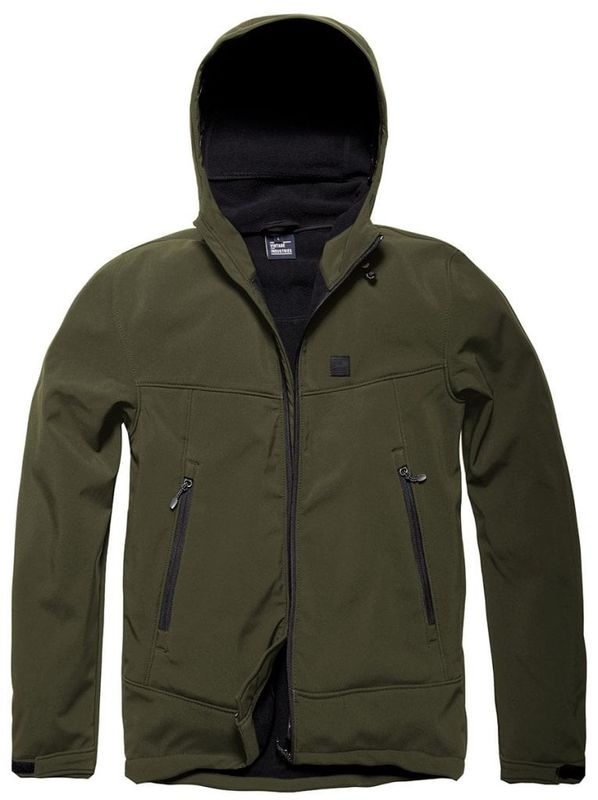
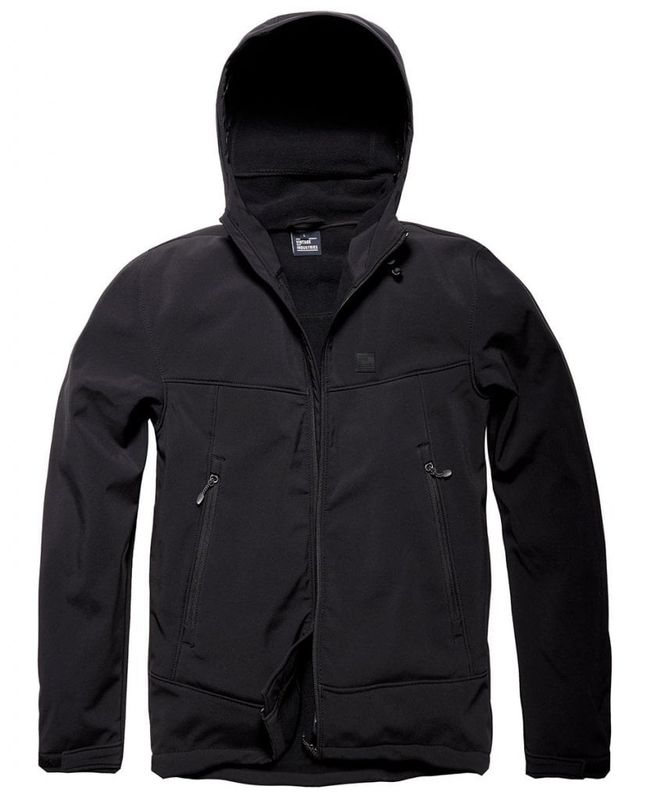
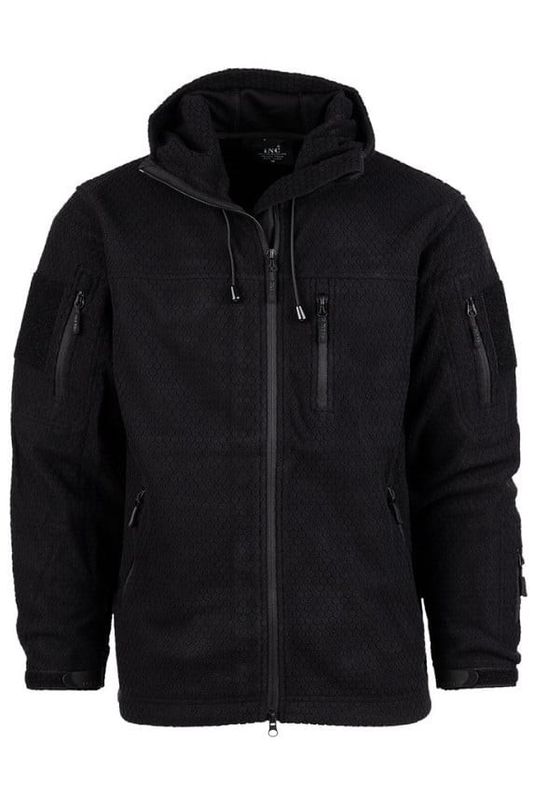
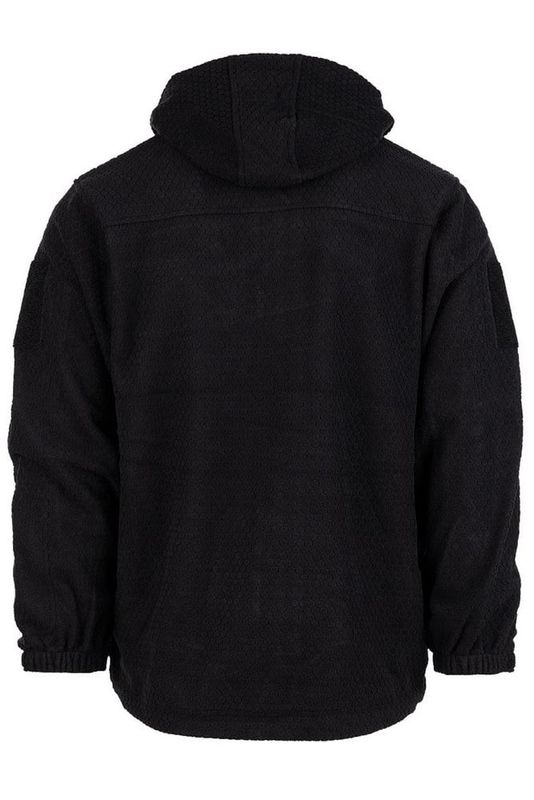
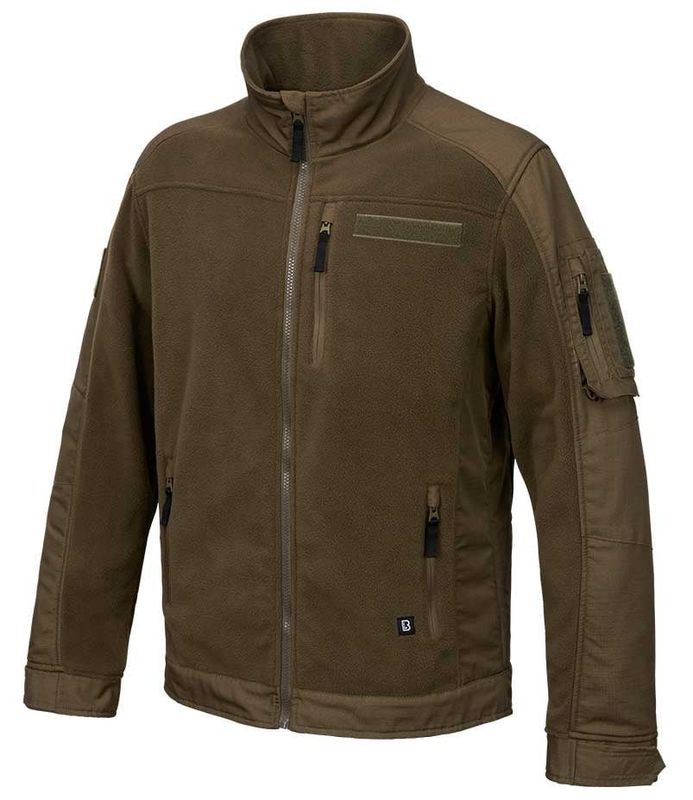
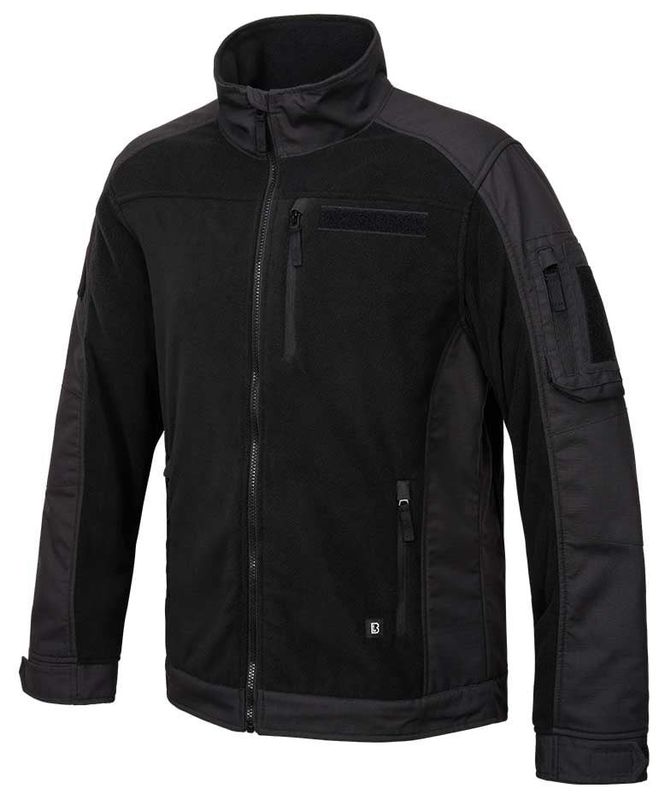
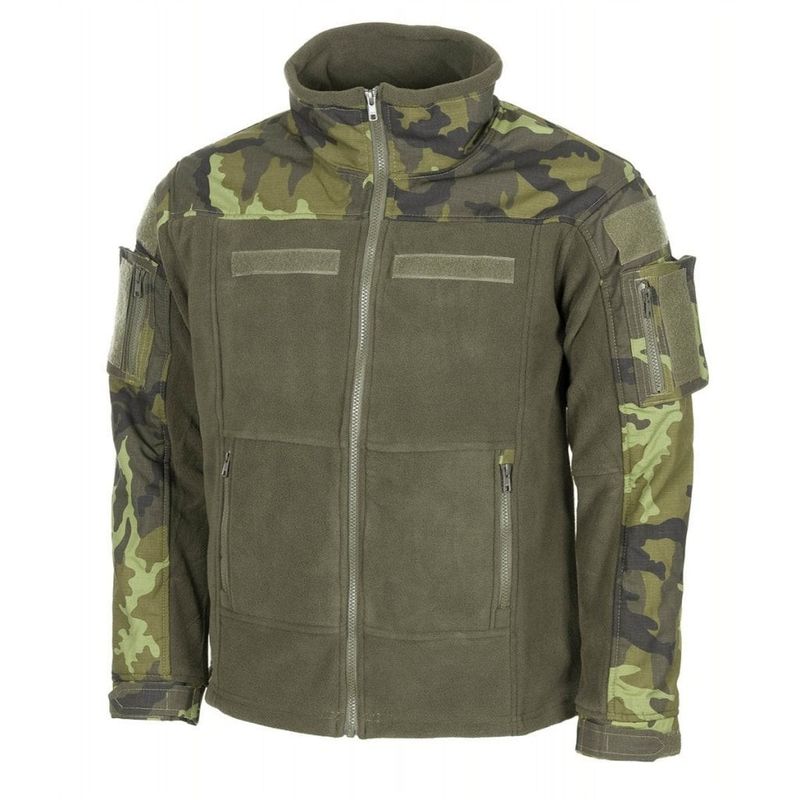
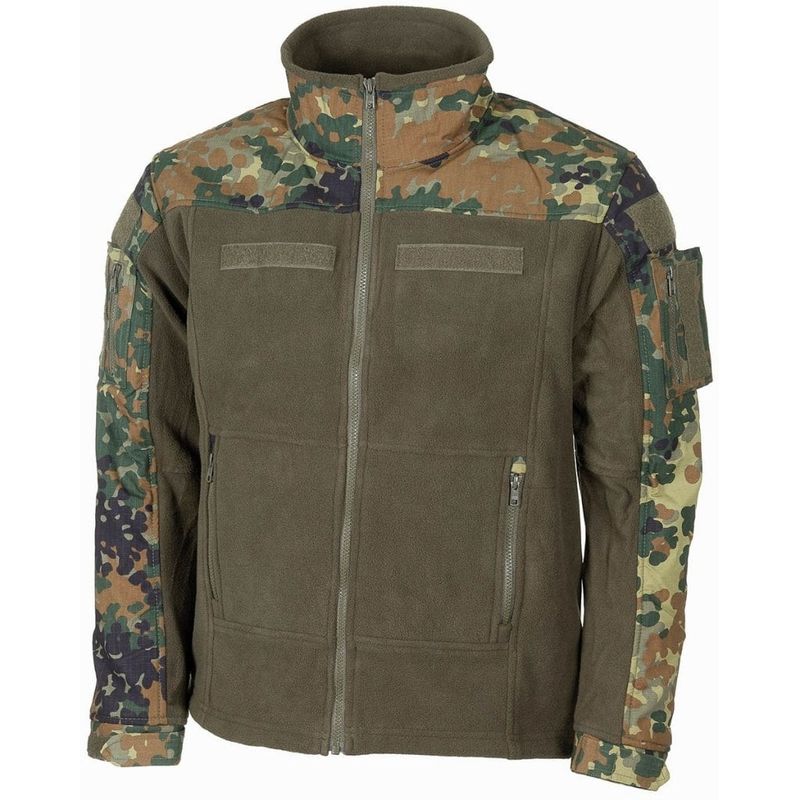
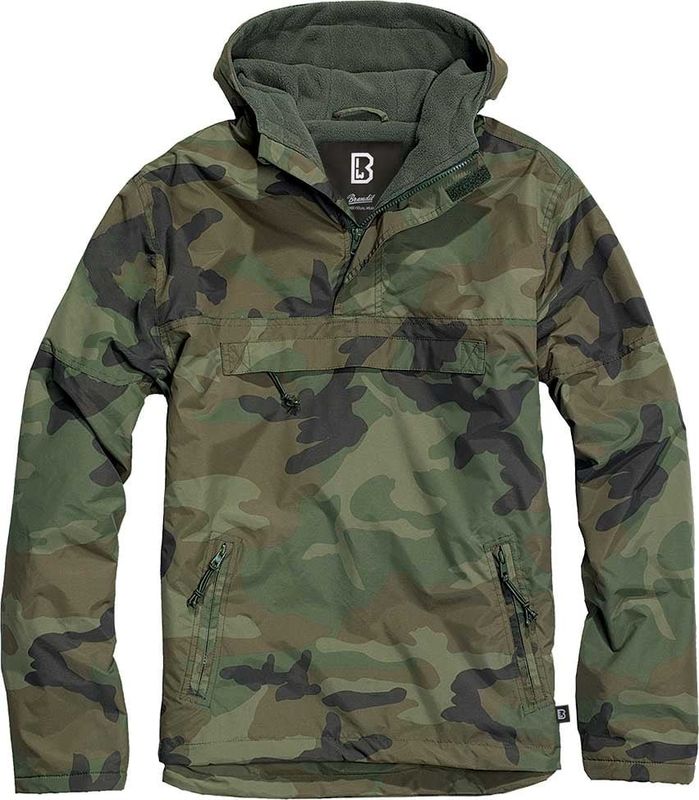
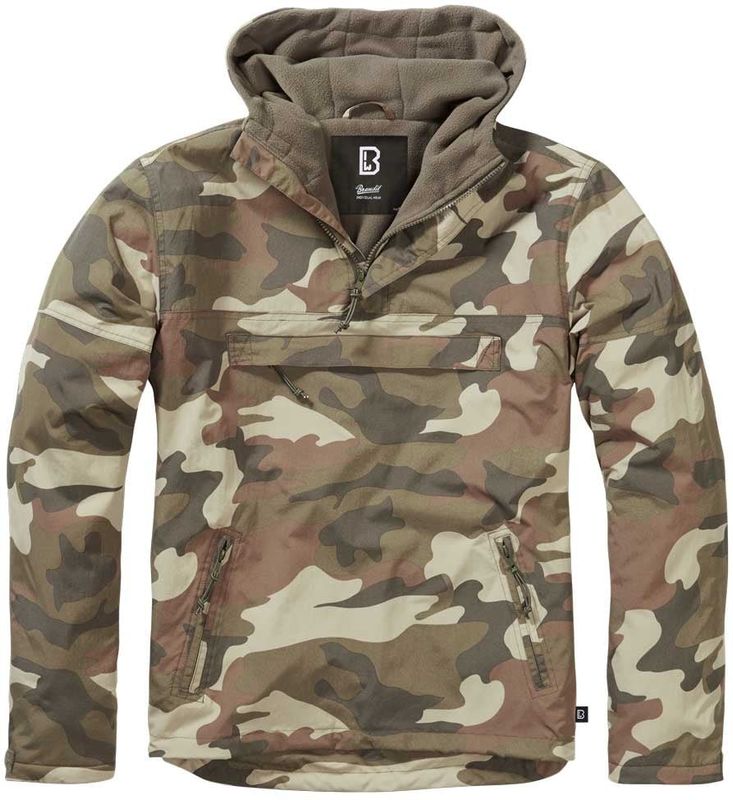
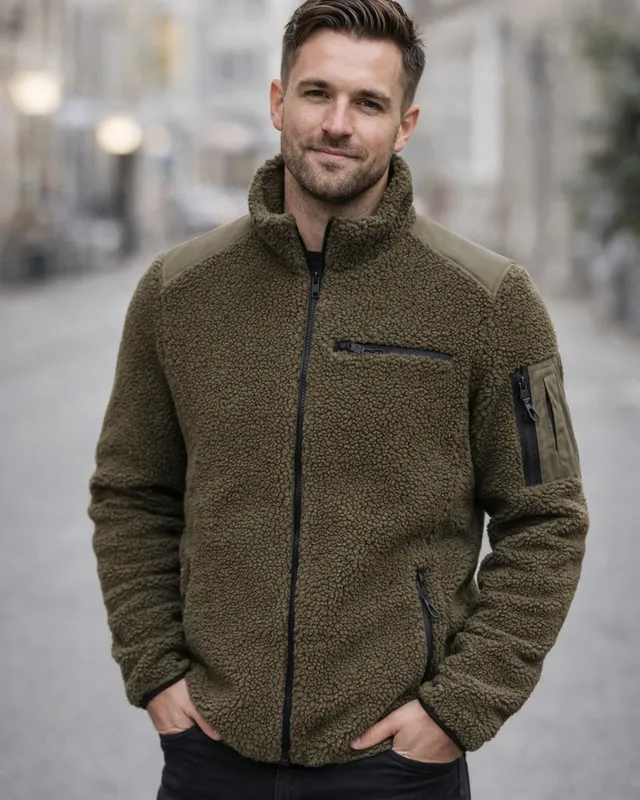
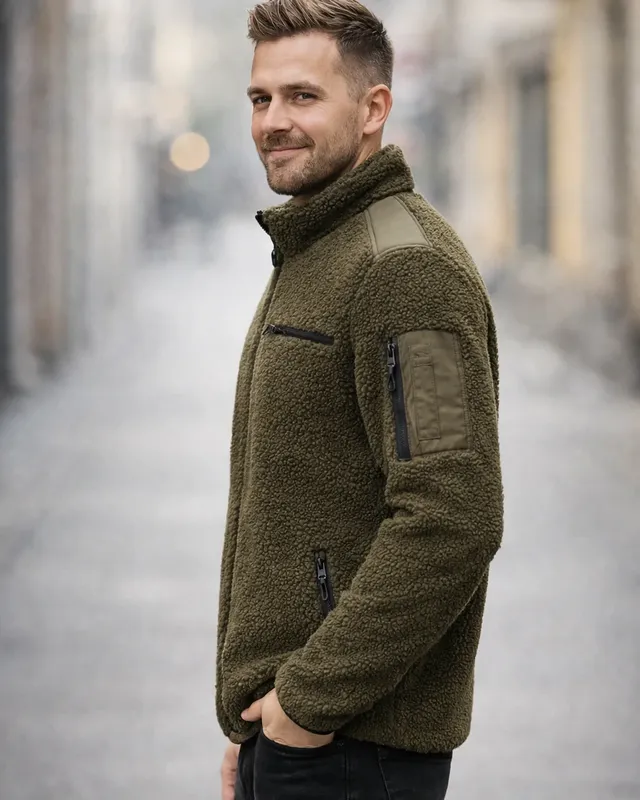
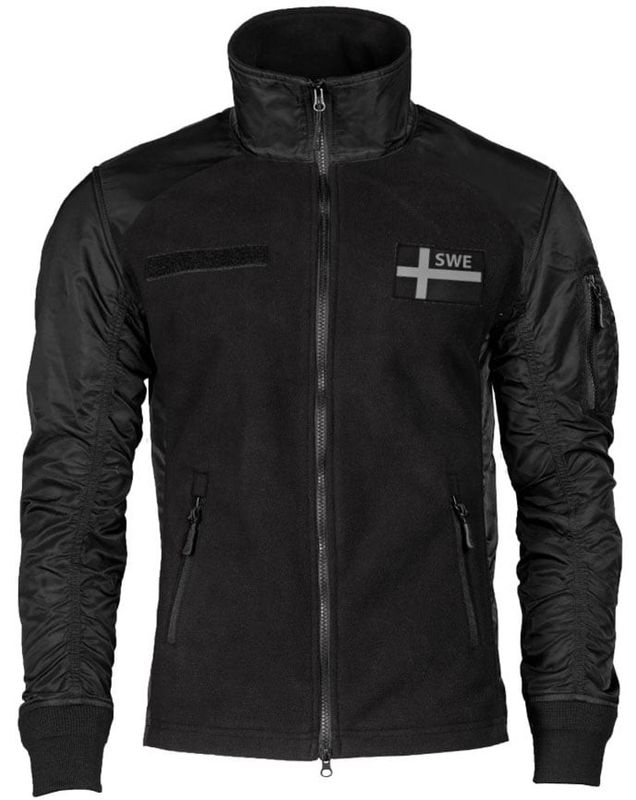
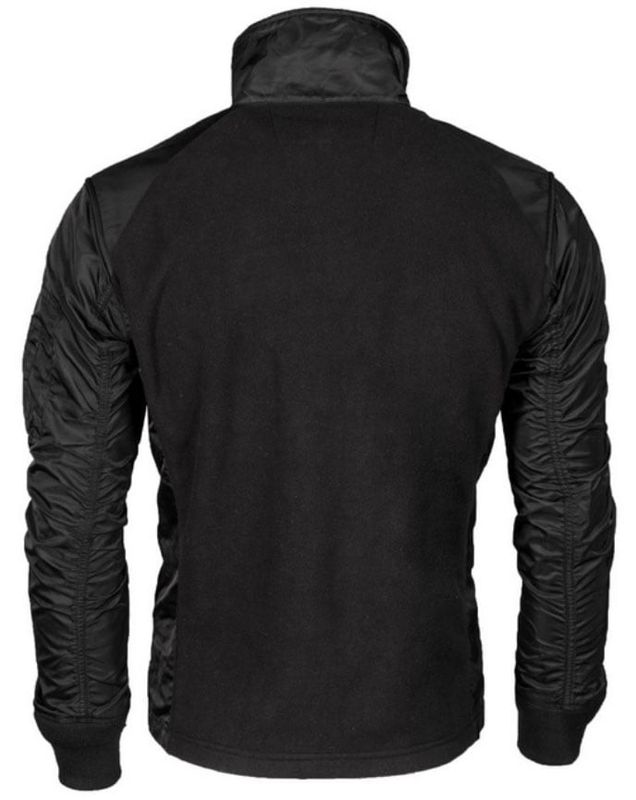
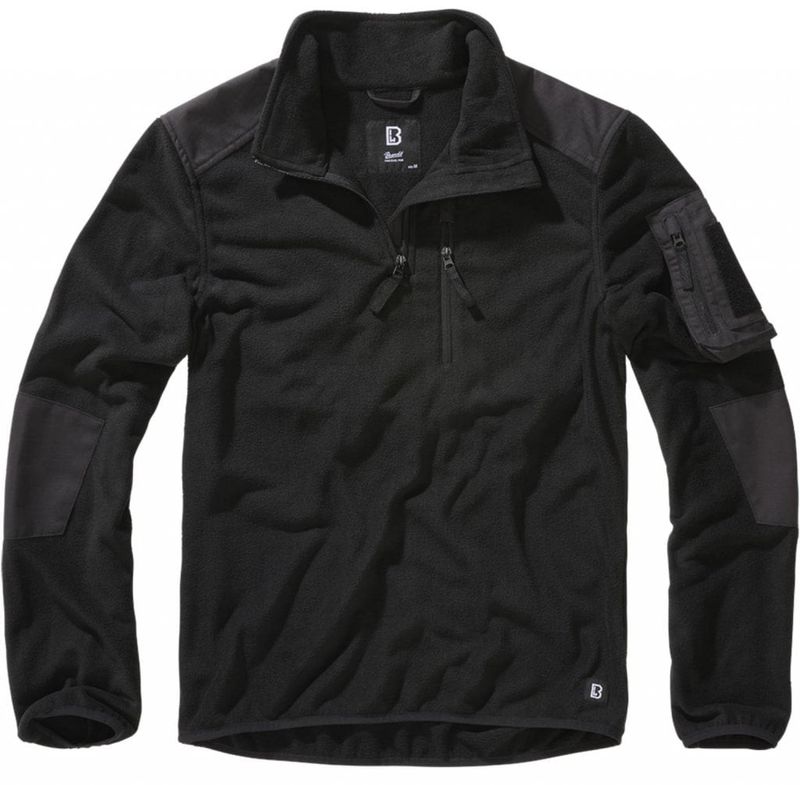
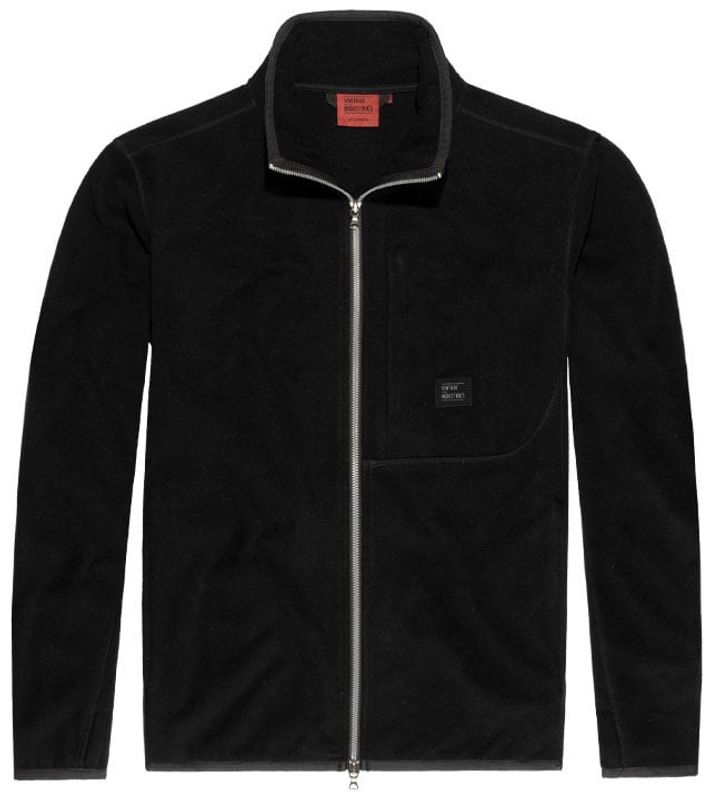
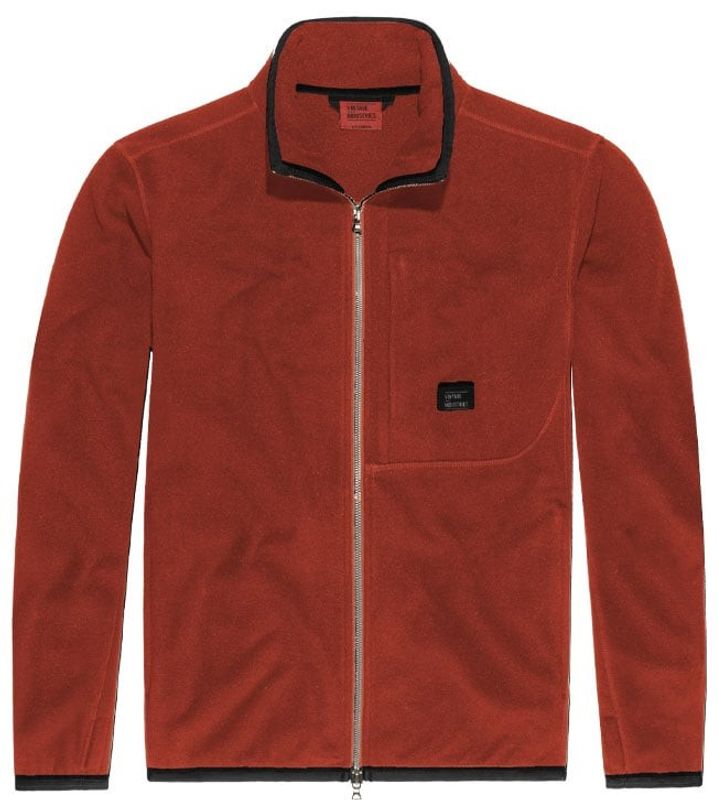
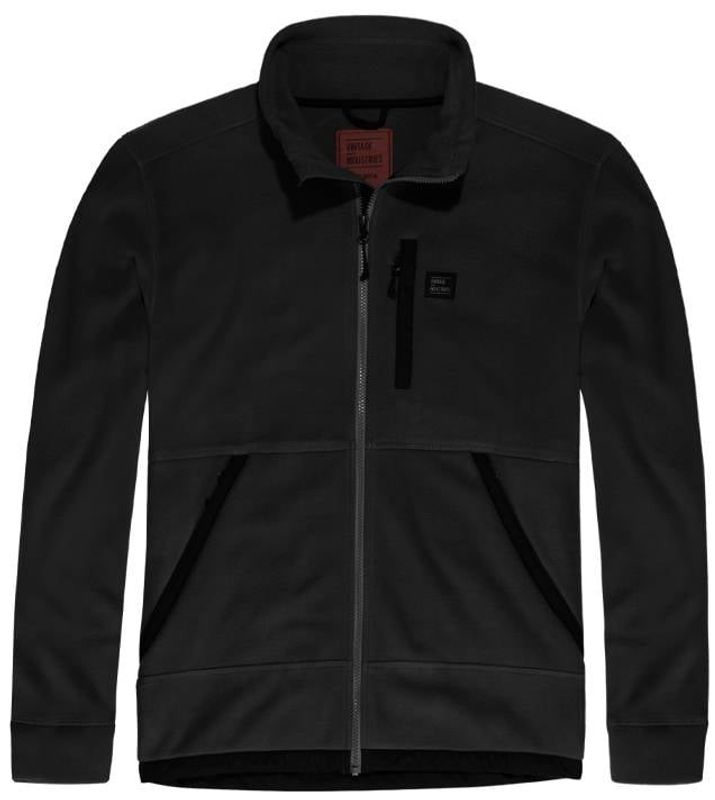
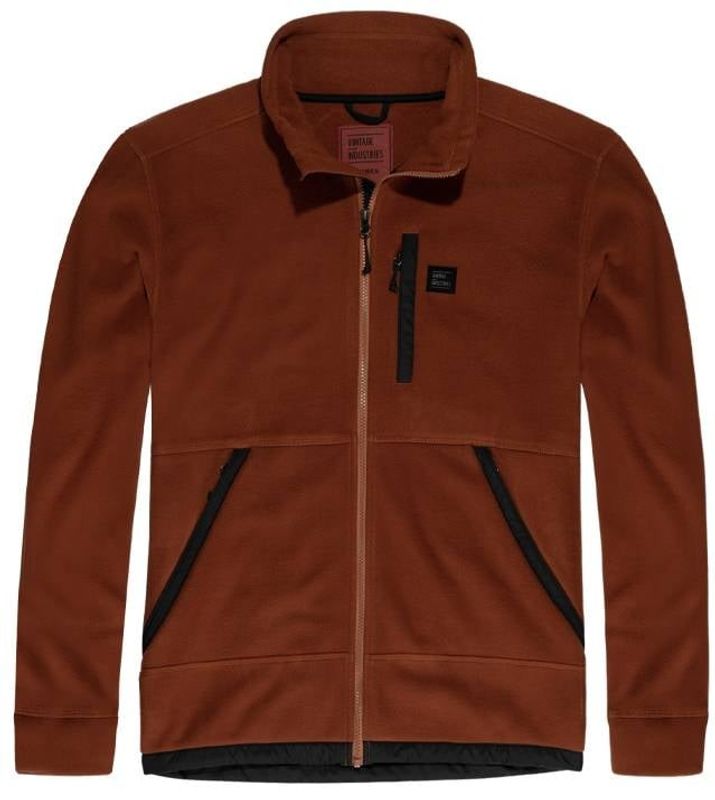
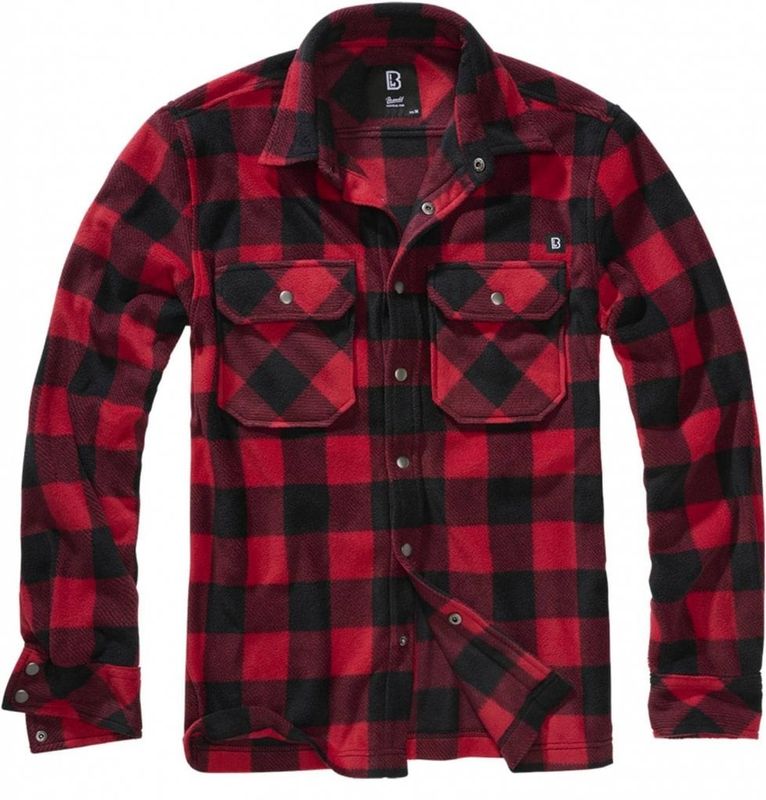
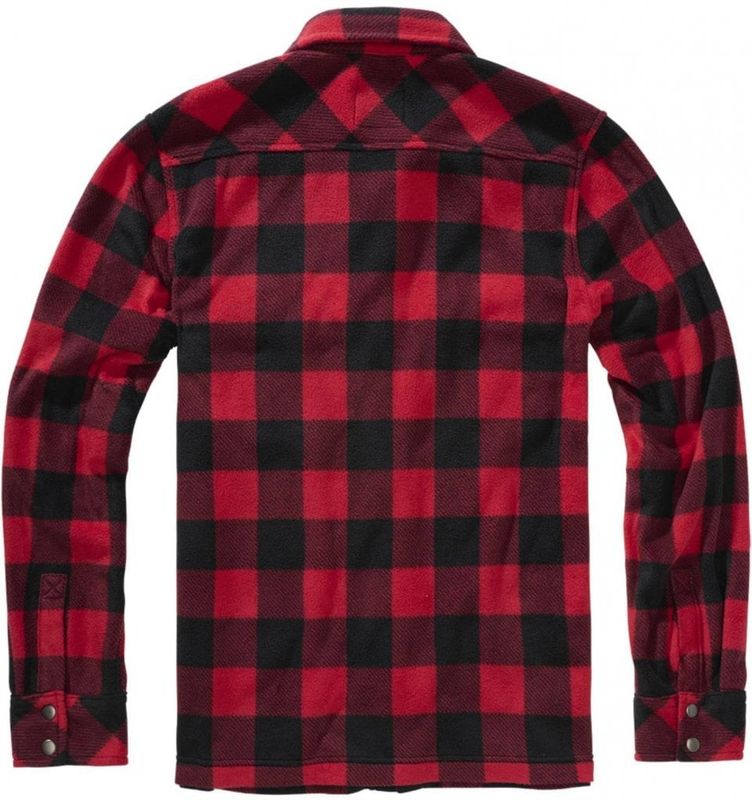
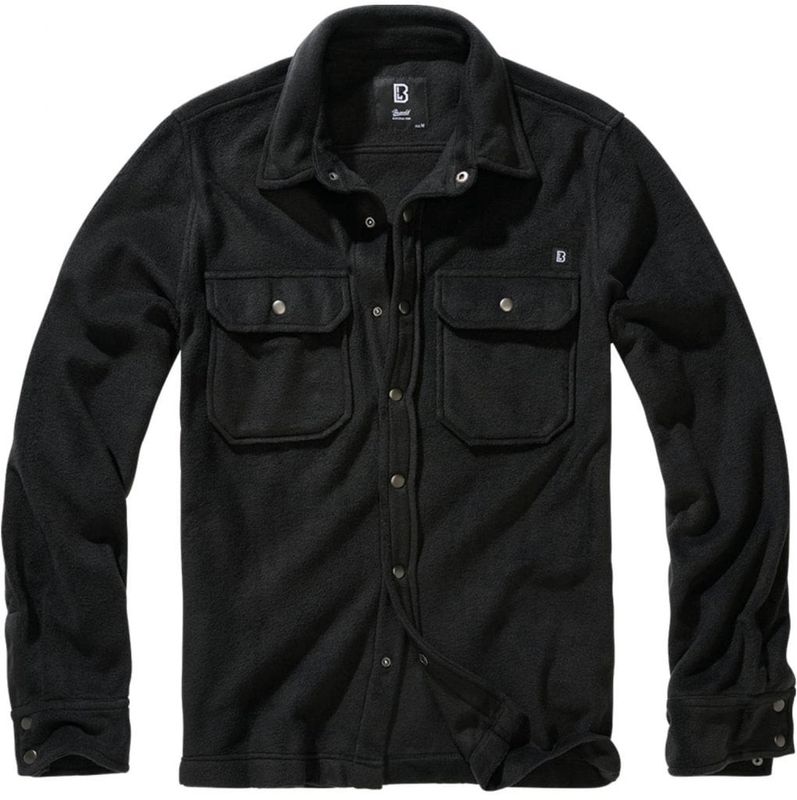
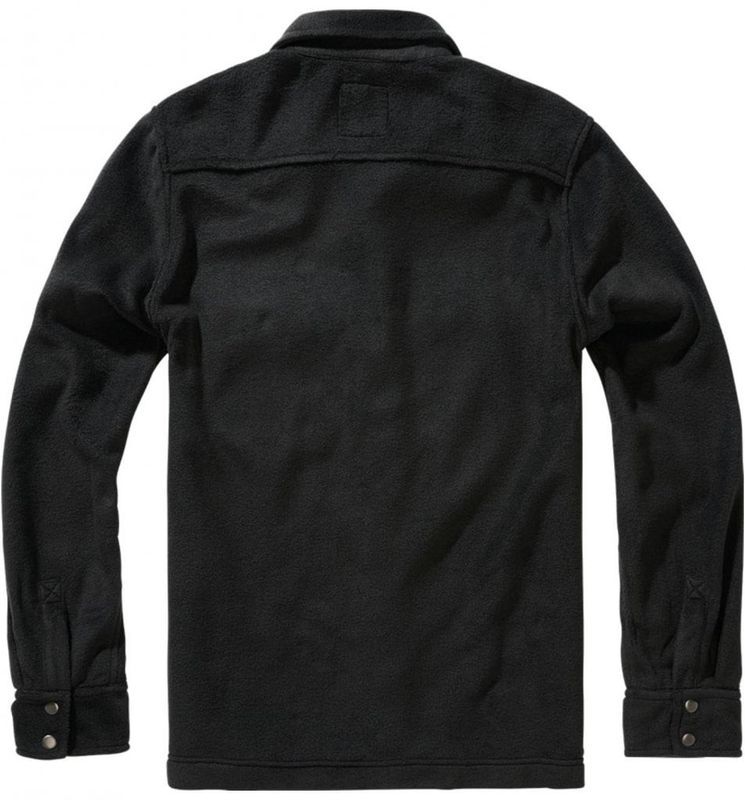
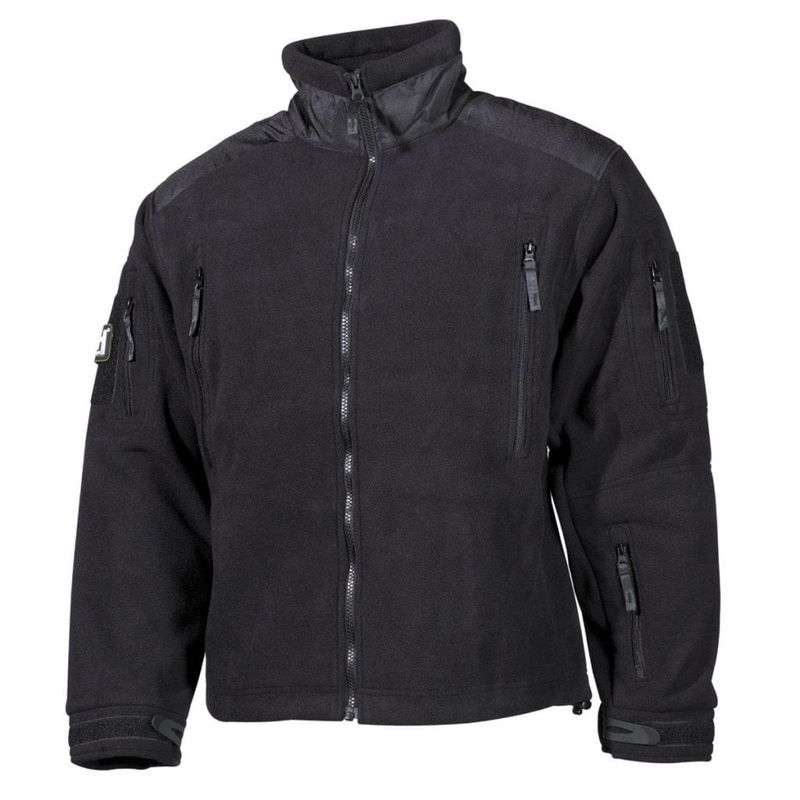
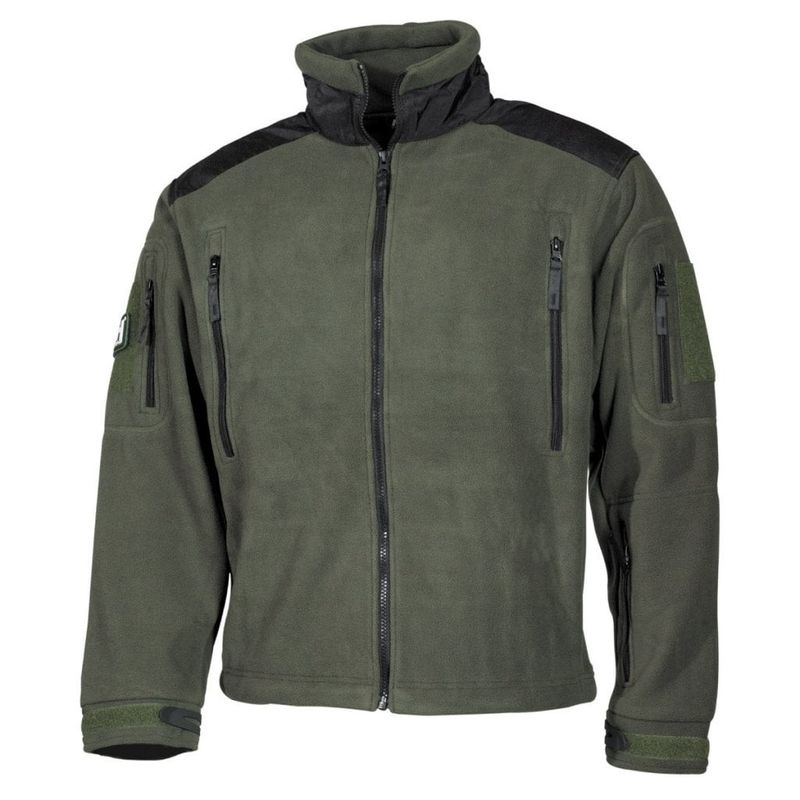
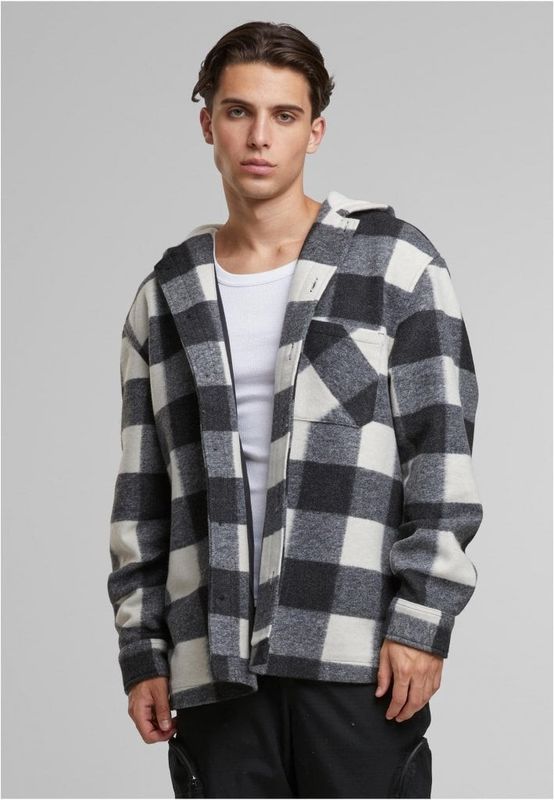
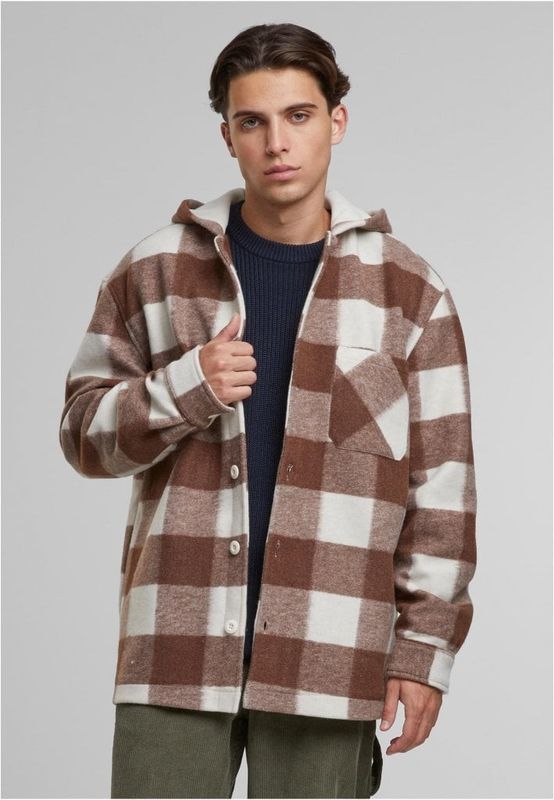
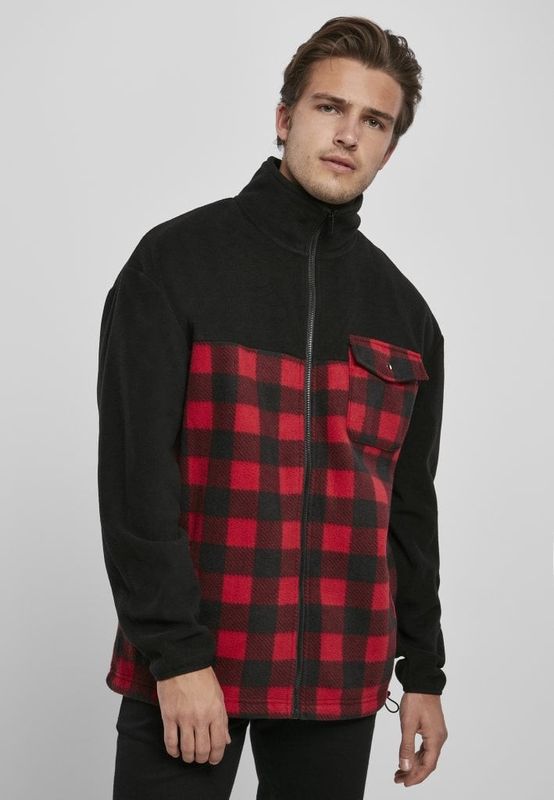
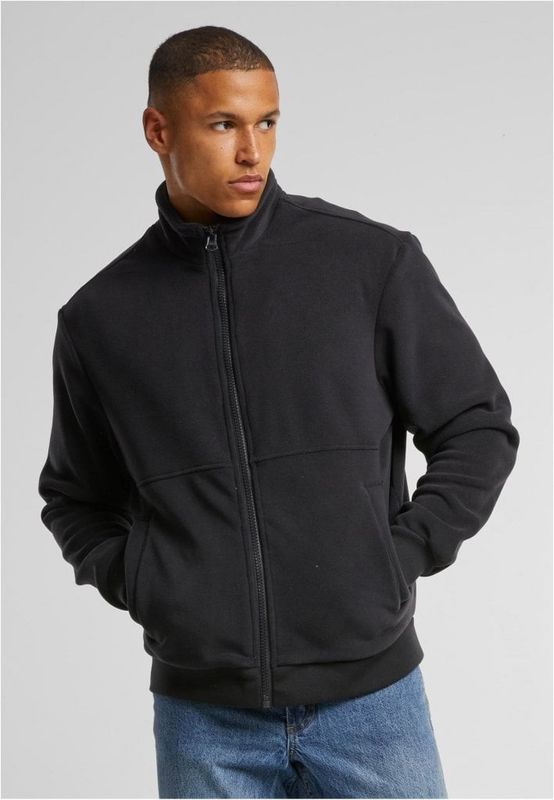
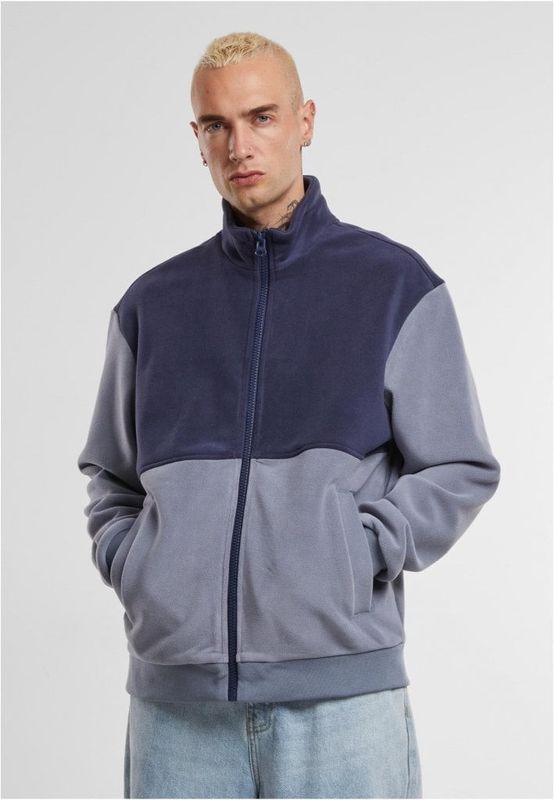
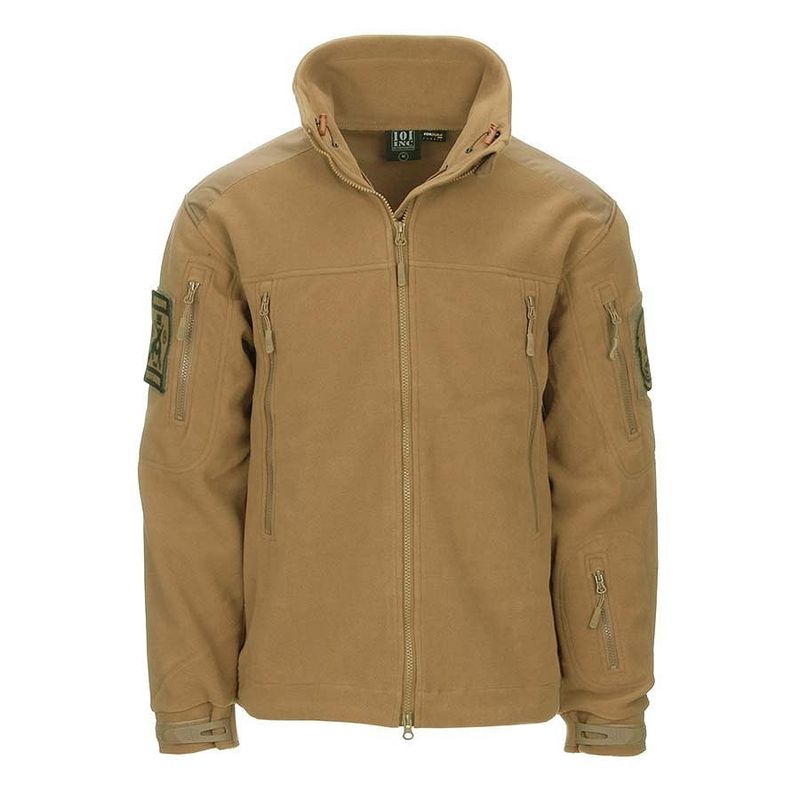
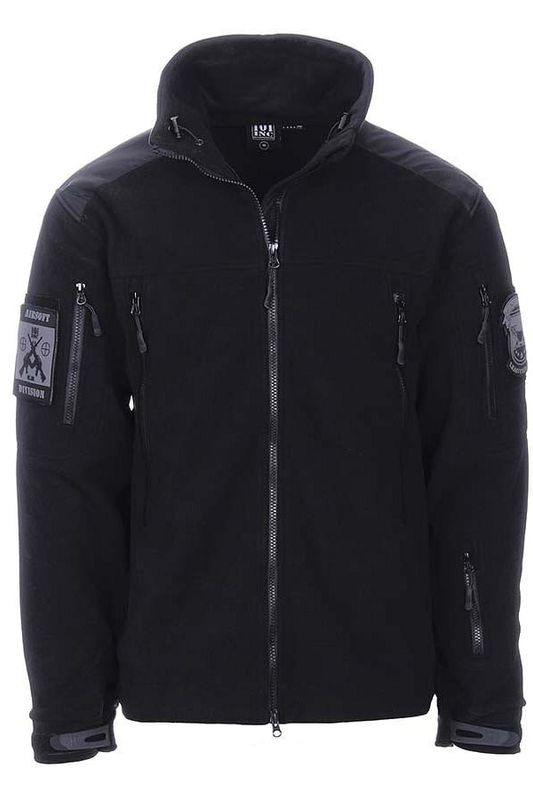
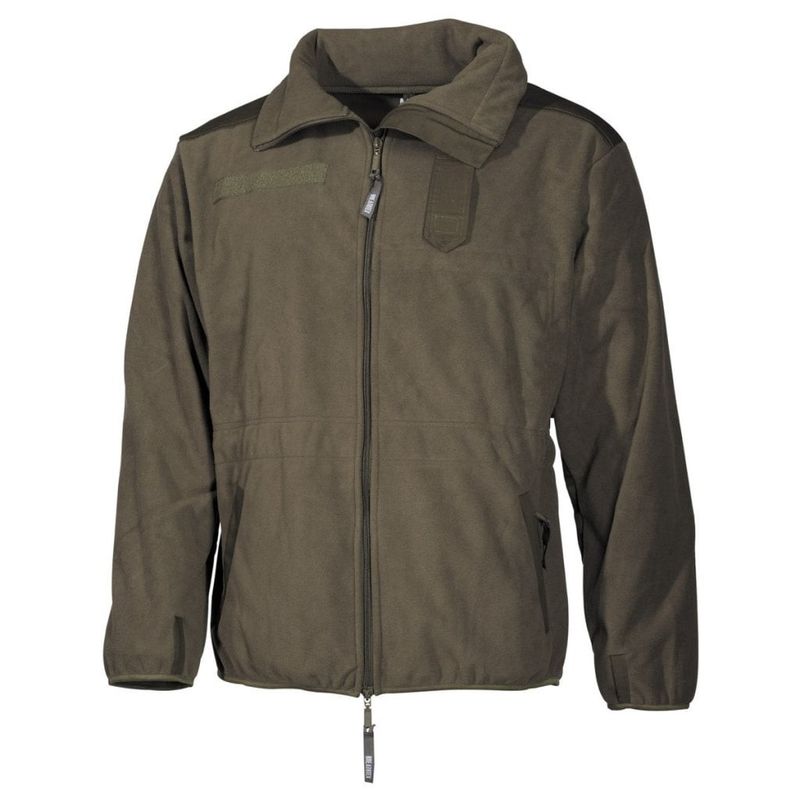
A fleece jacket uses fleece as its main fabric; a fleece-lined jacket has fleece inside and a different outer fabric. That changes both the feel and how you use it as a layer. This category includes classic fleece, designs with reinforced panels and fleece-lined outerwear, including wind jackets and softshell.
Compare the constructions
Choose a less bulky fleece for layering, and compare thicker designs when extra warmth matters more than low volume. A thick fleece may feel tight under a shell even if it fits well over a T-shirt.
Fabric weight in g/m² means grams per square metre of fabric, not the weight of the whole jacket. It is most useful when comparing similar fabrics and constructions. Lining, wind protection and room for other layers matter too; a higher figure does not guarantee suitability for a particular temperature.
Check the product information: fleece alone does not guarantee windproof or waterproof protection. A fleece jacket, a fleece-lined wind jacket and fleece-lined softshell can offer different protection despite similar names.
For wind protection, check the outer fabric and the properties stated for that design. Water-resistant and waterproof are different claims. For wet weather, compare our men's rain jackets and check each model's stated protection.
Compare measurements with a jacket you already wear over similar clothing. Follow the product's measuring method and check chest width, back length and sleeve length where measurements are provided.
If chest width is measured flat from armpit to armpit, measure your own jacket the same way. For example, 59 cm in the chart compared with 57 cm on your jacket adds 2 cm of flat width, roughly 4 cm around the body. This is an illustration of the measurement, not a general size recommendation.
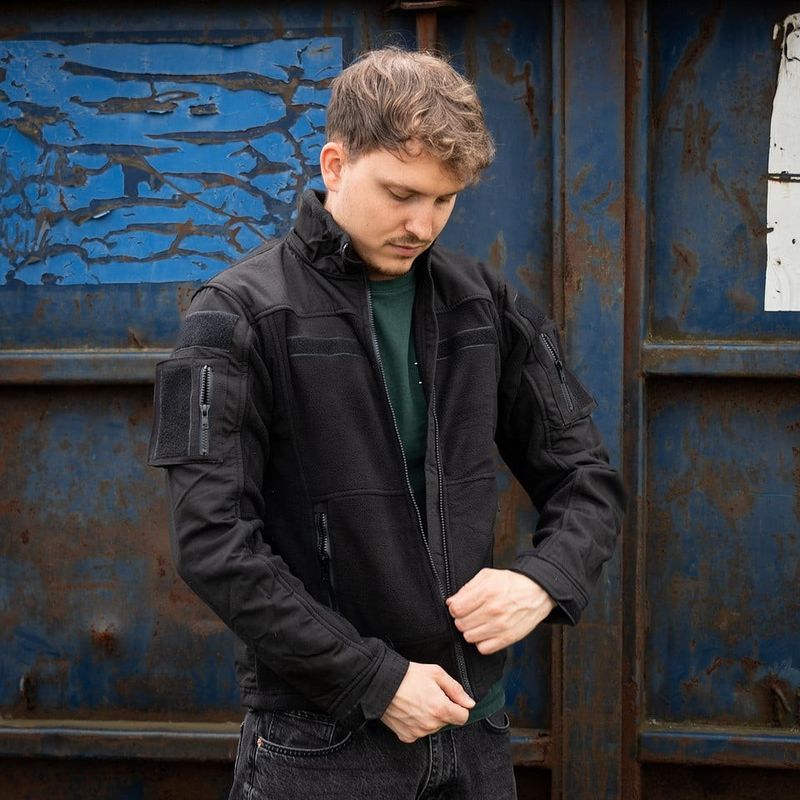
Check that the sleeves do not pull when you reach forward and that the hem covers where you want it to when sitting or bending. Your outer jacket must also have room for the fleece underneath. Size ranges vary; compare our men's plus-size jackets for further options.
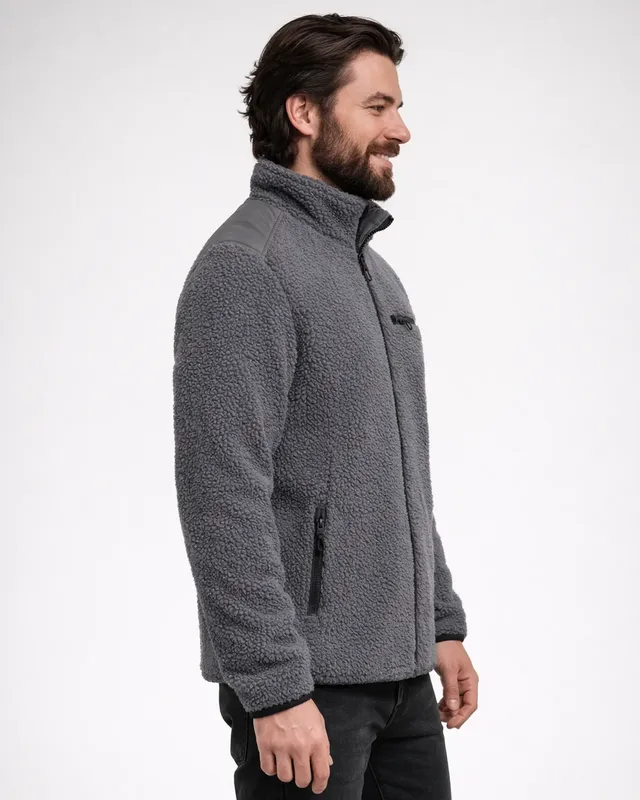
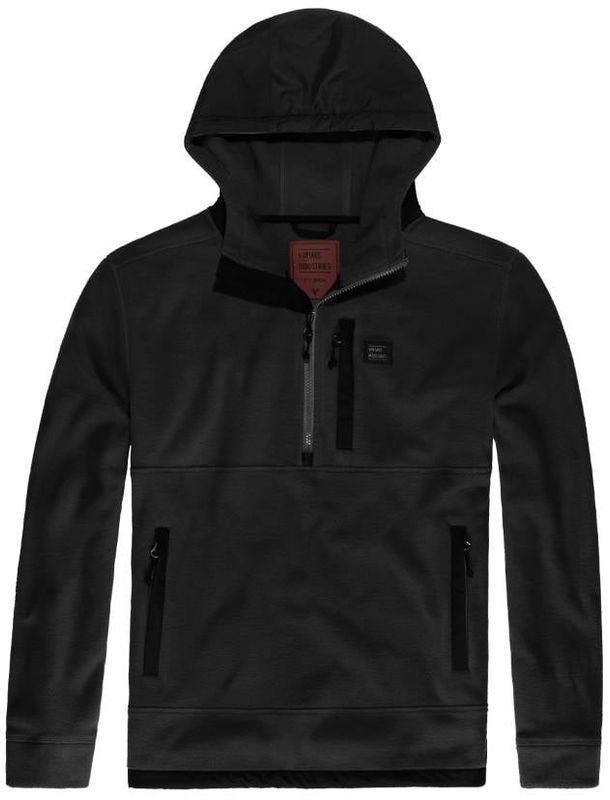
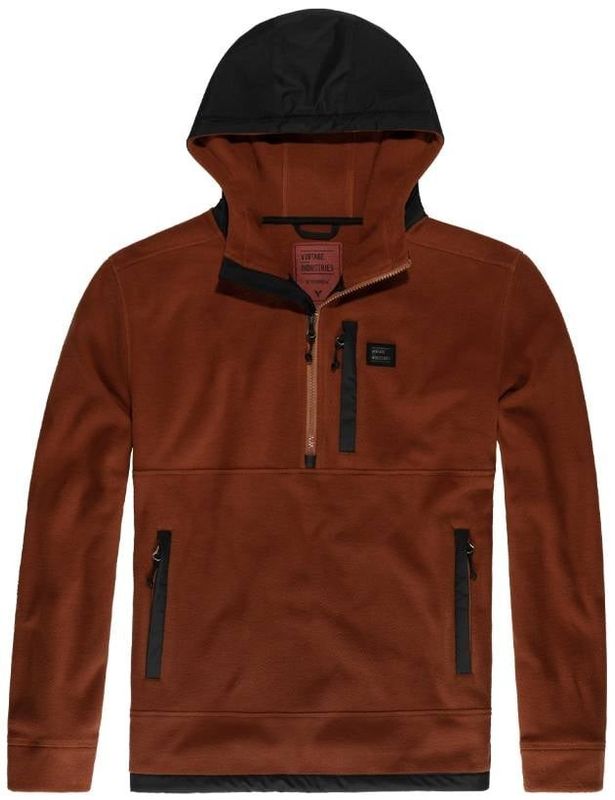
Choose a full zip if you want to open the jacket completely for ventilation or take it off without pulling it over your head. A high collar covers the neck; a hood needs to work comfortably with your outer jacket's collar or hood.
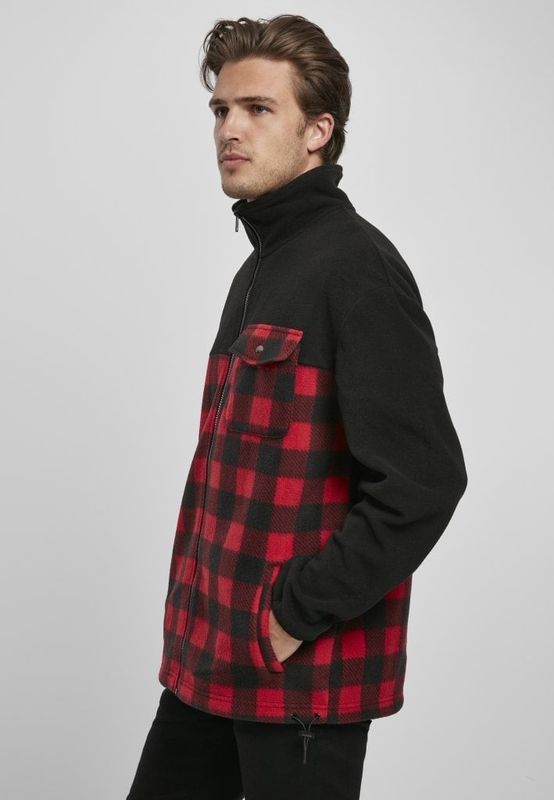
Compare pocket placement, fastenings and any ventilation openings. A hip belt can cover low pockets. Reinforcements and tactical details vary by design, so compare the features that matter for your use.
For a distinctly fluffy surface, compare our men's teddy jackets with sherpa fleece or teddy lining.
Wear fleece over a T-shirt or a lightweight top, and try the combination you actually use before choosing a size. For an extra layer without sleeves, compare our men's gilets and vests. Follow the garment's care label, especially when fleece is combined with other fabrics.