
Rucking: choose the right backpack and start safely
Published: date by: author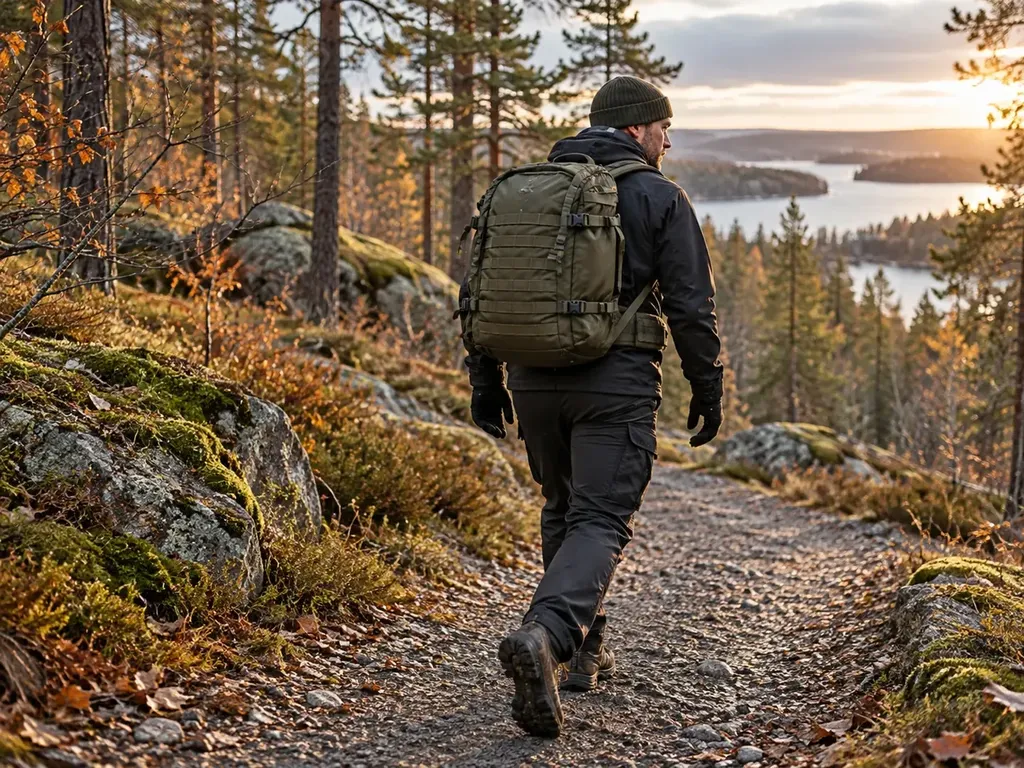
Rucking is brisk walking with weight in a backpack. You do not need to chase a specific number of kilos: choose a stable pack, secure a light and compact load close to your back, and walk a short route at a pace that keeps your technique controlled. Browse our military backpacks for rucking to compare compression straps, padding and MOLLE options.
What is rucking?
Rucking is walking or brisk walking while carrying extra weight in a backpack. It has roots in military march training, but the fitness version can be simple: walk on pavement, gravel or a trail with a load you can carry using good posture. The extra weight separates it from an ordinary walk; unlike running, at least one foot normally remains on the ground.
What backpack is best for rucking?
The best rucking backpack fits your back, holds the load close to your body and does not slide as you walk. Capacity does not decide how much weight you should carry. A compact pack may work better for short sessions because the load has less room to shift, while a larger one makes sense when you also need a jacket, water and outdoor gear.
| Check | Look for | Why it matters |
|---|---|---|
| Fit | Padded adjustable shoulder straps; sternum or hip strap is a bonus | Reduces movement and improves control |
| Compression | Side compression straps | Pulls the load closer to your back |
| Back panel | Stable and preferably padded | Helps prevent hard objects pressing directly |
| Compartments | A space where the load can be secured | Stops the load bouncing or sinking |
| Capacity | Around 20–30 L for compact training; larger when carrying more gear | The right size matters more than maximum volume |
How should a rucking backpack fit?
- Place the heaviest compact item high and close to your back.
- Fill empty space with soft clothing or a towel so the load cannot shift.
- Tighten both shoulder straps evenly; the pack should sit close without cutting in.
- Use the compression straps and any sternum or hip strap.
- Walk around at home first. Adjust immediately if the pack bounces, pulls sideways or rubs.
How do you start rucking step by step?
- Choose easy terrain. Start on a level surface so you can focus on posture and fit.
- Pack light. Use a compact load you can secure. You should be able to walk naturally without leaning far forward.
- Keep it short. Finish while your stride is still stable, and increase only one variable at a time: duration, distance, pace or load.
- Review the fit. Note rubbing, pressure points and whether the load moved. Adjust before the next session.
Three backpacks for different types of rucking
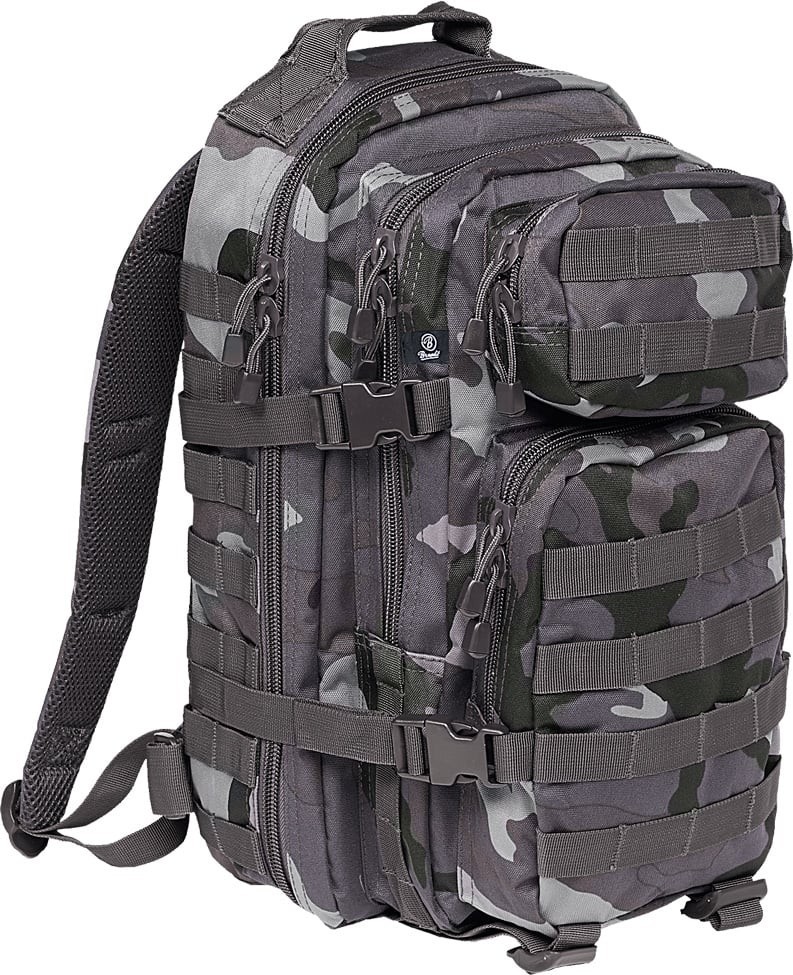
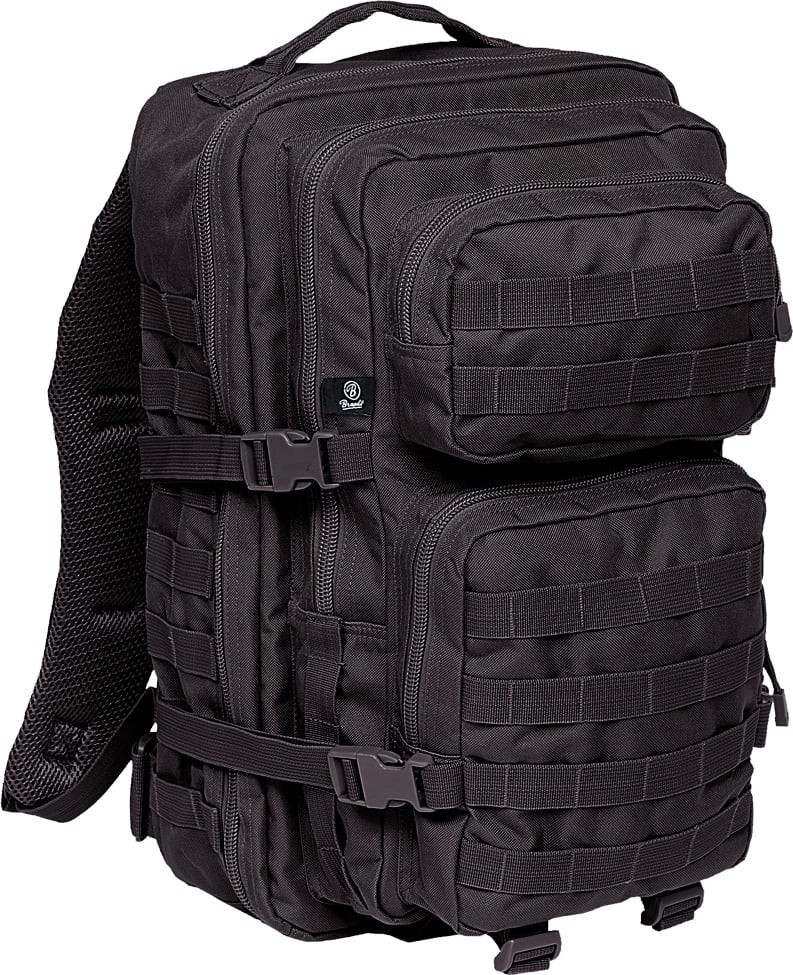
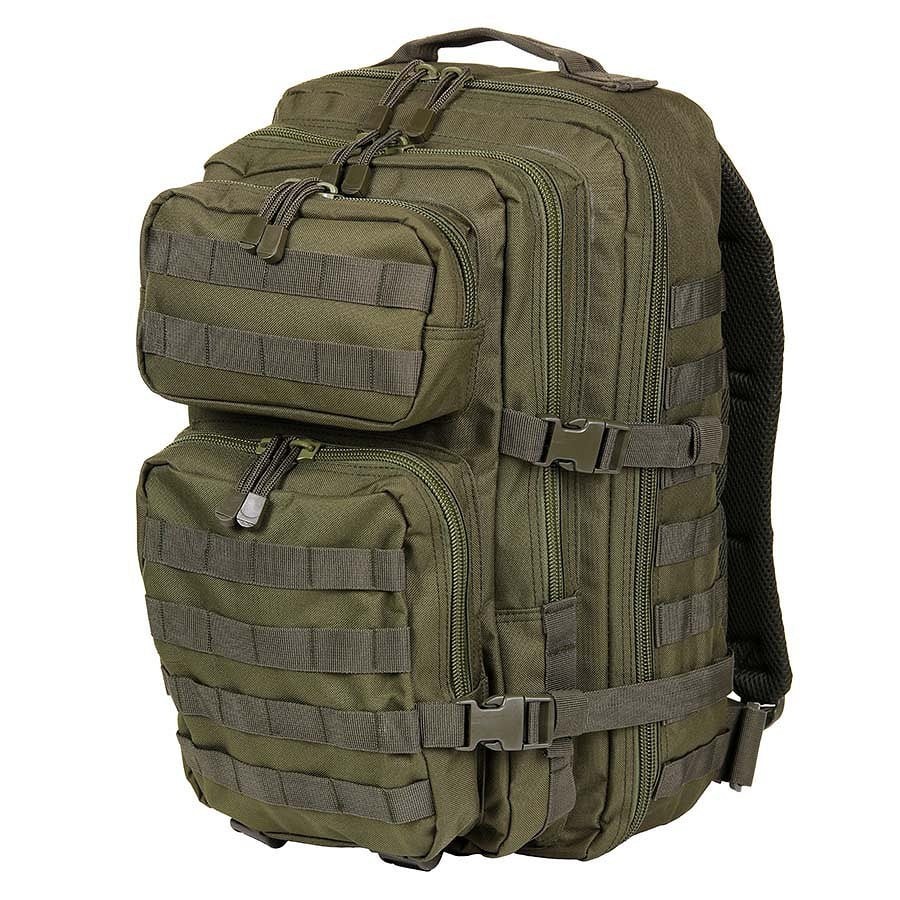
All three models were published with good variant coverage when checked. You can also compare our complete range of backpacks or look at hiking backpacks for longer outings.
Frequently asked questions about rucking
Can you use a normal backpack?
Yes. A normal backpack can work for a light first session if you can secure the load and the straps fit well. For regular training, a stable back panel, compression straps and a better harness usually provide more control.
Should the weight sit high or low?
Place a compact load reasonably high and close to your back, but never where it hits your neck or creates a hard pressure point. Test the pack and adjust until it feels balanced.
Is 45 litres better than 25 litres?
Not automatically. A smaller pack is often easier to stabilise for short training sessions. A larger backpack is practical when you also carry water, spare layers and outdoor equipment.
Do you need MOLLE?
No. MOLLE lets you attach compatible pouches and accessories, but fit, load control and comfortable straps matter more for the walk itself.
Compare harness design, compression straps and capacity. Choose the model that stays stable with the gear you actually carry.