
What is flannel? Fabric, warmth and checks explained
Published: date by: author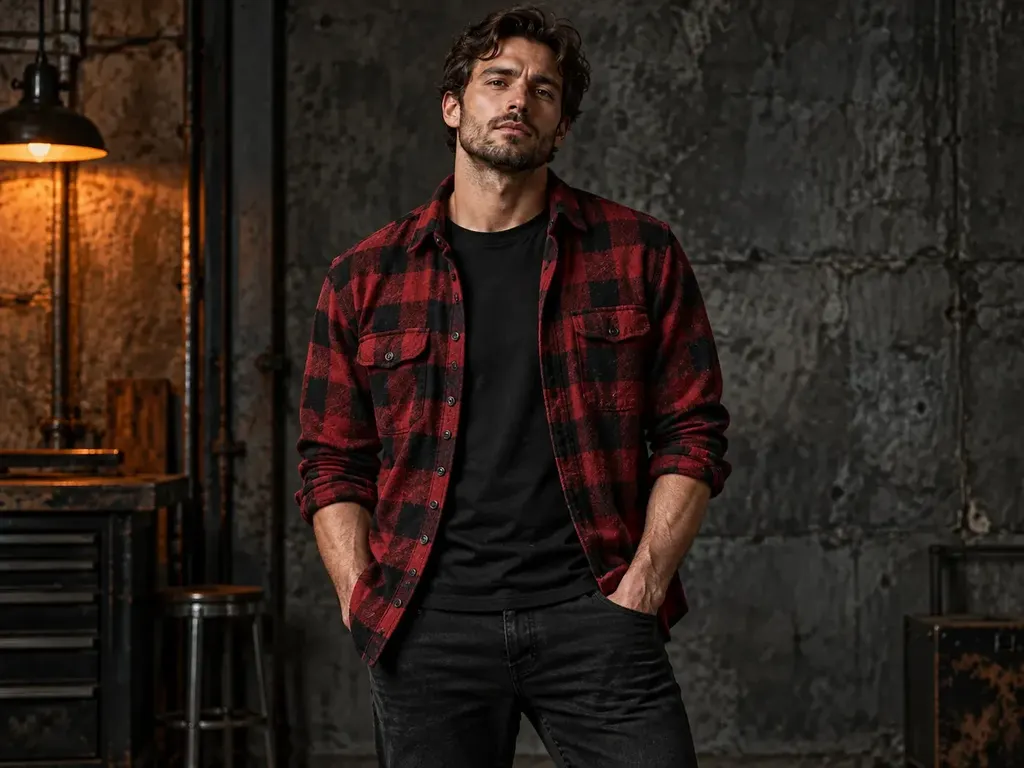
Oddsailor guide
Soft, brushed and made for layering. Here is how to judge the fibre, warmth and label details that actually matter.
What is flannel?
Flannel is a soft fabric with a brushed or raised surface that traps air and feels warm. It can be woven from cotton, wool or blended fibres. Flannel therefore describes the construction and finish of a fabric, rather than one specific fibre or a check pattern.
A men's flannel shirt can be checked or plain. At the same time, a checked shirt may use an entirely different fabric. Feel the surface, read the fibre content and check for a lining before deciding how the shirt will perform.
Is flannel always made from cotton?
No. Cotton flannel is common in shirts because it feels soft and layers easily. Wool flannel combines the raised finish with wool's insulating properties. Blends may include polyester or other fibres to change durability, weight, drying time and price.
Fibre and fabric are different: cotton tells you what the fibre is, while flannel describes how the fabric is made and finished. Two 100% cotton garments can therefore feel completely different.
| Term | What it describes | What it does not prove |
|---|---|---|
| Flannel | Soft, often brushed fabric | Exact fibre or warmth |
| Cotton | A natural fibre | Whether the fabric is flannel, denim or jersey |
| Checked | A pattern of colour blocks | Which fabric the garment uses |
| Lined | An extra layer inside | That the outer fabric is flannel |
Are flannel and checks the same thing?
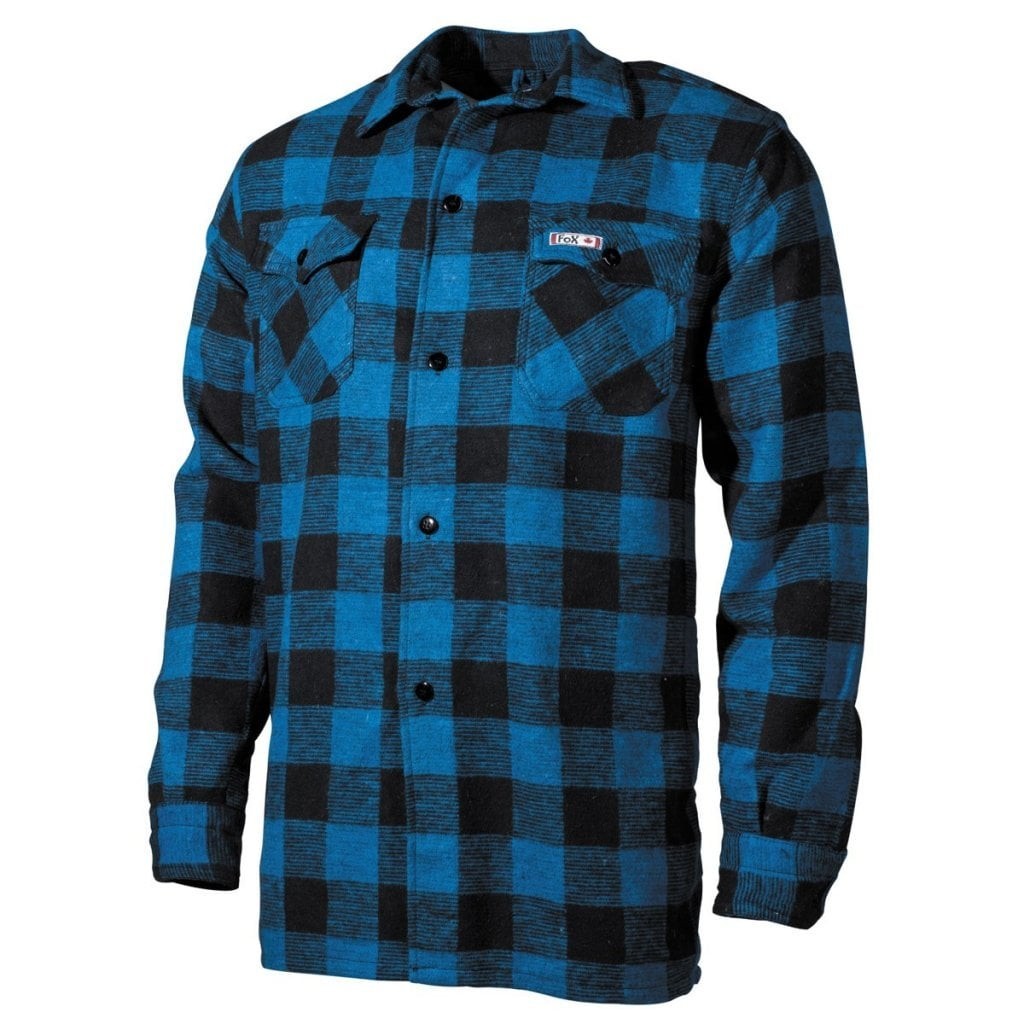
No. Flannel is the fabric type; checks are the pattern. The association is strong because classic work shirts and lumberjack shirts often combine the two, but the terms are not interchangeable. Read the material and product description rather than judging by the image alone.
How warm is flannel?
Flannel often feels warmer than a smooth fabric of similar weight because its raised surface traps small pockets of air. However, the word flannel is not a temperature rating. Thickness, weave density, fibre content, lining and the layers underneath matter more than the name.
Light cotton flannel can work as an indoor shirt. A heavier or lined design can act as a mid-layer or light outer layer in mild weather. For a more defined outer layer, compare an overshirt and always read the garment's own material details.
Important: Checks, the word cotton and a soft-looking product photo do not prove that a garment is flannel. Check the fabric description, fibre content and lining. If those details are missing, do not guess how warm it will be.
How do you choose the right flannel shirt?
Start with how you plan to wear it. A regular fit is often enough over a T-shirt. Over a sweatshirt, you need more room through the chest, back and upper arms. Compare garment measurements with a shirt you already like instead of relying only on the size letter.
- Read the fabric details: Check fibre, thickness and whether the surface or inside is described as brushed.
- Check the lining: A lining takes up internal space and changes warmth.
- Measure consistently: Compare chest width, back length and sleeves with your own shirt.
- Match the use: Choose a lighter shirt for indoors and layers, or a heavier design for cooler days.
For other constructions and fabrics, browse all men's shirts.
How do you style flannel without overdoing it?
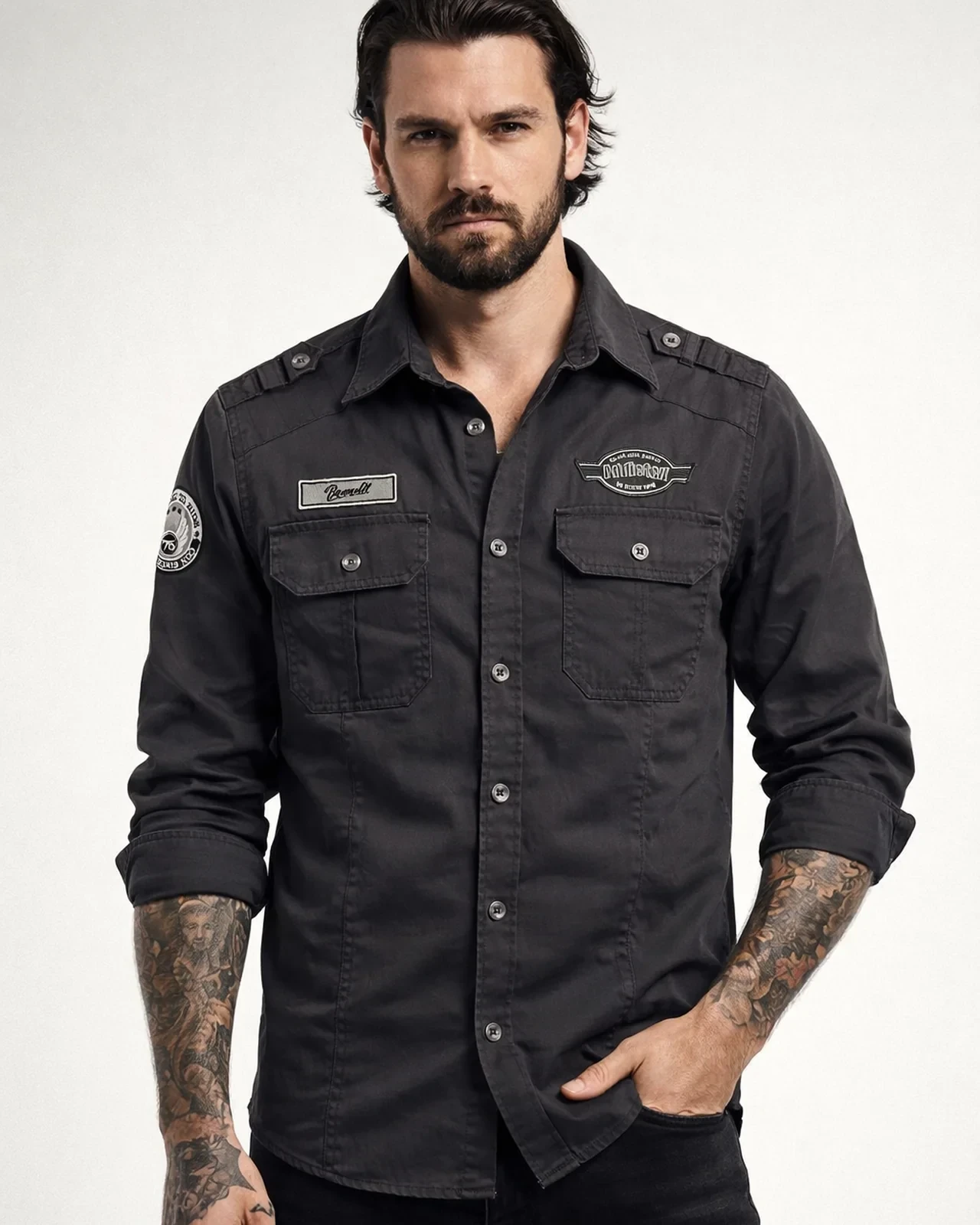
Let one garment carry the checks. An open flannel shirt over a black T-shirt with dark jeans creates a simple streetwear base. A buttoned shirt with straight trousers looks cleaner. If the checks are large and high-contrast, keep the rest of the outfit quiet.
Roll the sleeves for a lighter look, but make sure the cuff does not become bulky. A longer design often works better open, while a shorter hem tends to look neater buttoned.
How do you wash flannel?
Always follow the care label because fibres and construction vary. Unbutton the shirt, empty the pockets and turn it inside out. Wash with similar colours and do not exceed the stated temperature. High heat and harsh drying can affect the fit and soft surface.
Air-dry when the care label allows and reshape the garment while damp. Do not automatically use the same method for wool flannel and cotton flannel.
Quick answers about flannel
Is flannel a material? In everyday speech, yes, but more precisely it is a fabric construction and finish that can use different fibres.
Is all flannel warm? Its raised surface often feels warm, but thickness, fibre and lining determine the actual warmth.
Are all checked shirts flannel? No. Checks are a pattern and do not prove the fabric type.
Can flannel be worn year-round? Yes, if the fabric weight suits the temperature.
Choose flannel by fabric, not checks alone
Compare fit, fabric and lining, then choose a shirt that works with the layers you actually wear.