
How to wash knitted sweaters without losing their shape
Published: date by: author
Dunken guide
The fibre determines the temperature, cycle and drying method. Here is the practical approach for wool, cotton and synthetics.
How do you wash a knitted sweater?
Check the care label, turn the sweater inside out, use a gentle low-temperature cycle and dry it flat in its proper shape. A wet knitted sweater should not usually be hung because the weight can stretch the shoulders and body. Start with the garment's fibre, not simply the fact that it is knitted.
This applies to both fine and chunky men's knitwear. Wool, cotton and polyacrylic may need different treatment.
Short answer: Read the label, keep the temperature low, use little detergent, select a low spin and dry flat. For wool, use a wool cycle and wool detergent if the label permits machine washing.
Why does the fibre matter more than the knit?
Knitted describes the construction, not the fibre. Two sweaters can look similar and respond very differently to water, heat and movement. Read the fibre content and care symbols before choosing a cycle.
| Fibre | Common risk | Cautious starting point |
|---|---|---|
| Wool | Shrinkage and felting | Wool cycle, wool detergent, minimal temperature change |
| Cotton | Shrinkage and stretching | Gentle cycle, low temperature, dry flat |
| Acrylic/polyacrylic | Pilling and heat damage | Synthetics or delicate cycle, low heat |
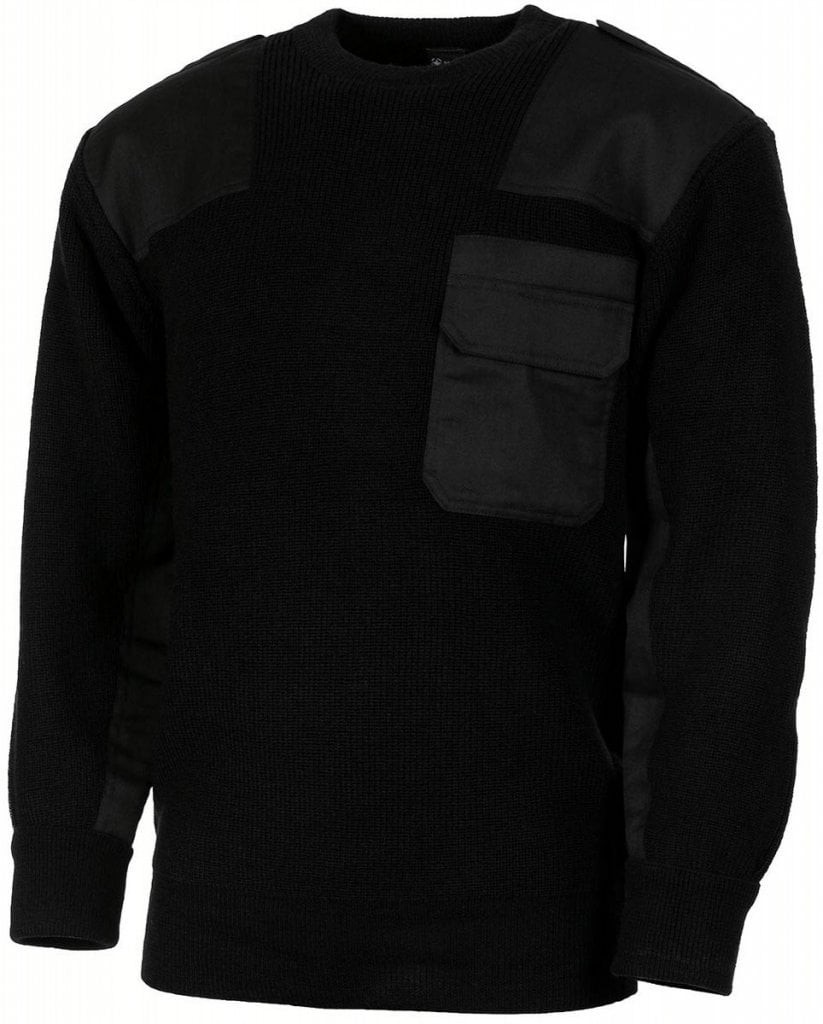
How to wash a knitted sweater step by step
- Read the care label and check the fibre, temperature and whether machine washing is allowed.
- Empty pockets, close zips and turn the garment inside out.
- Use a roomy laundry bag for a loose knit or details that could snag.
- Select the wool, delicate or synthetics cycle specified by the label and keep the temperature low.
- Use detergent sparingly: wool detergent for wool and a mild detergent for other fibres.
- Choose a low spin and support the whole sweater when lifting it out.
- Reshape the garment and dry it flat on a dry towel or flat rack.
Do not automatically use the same cycle as ordinary sweatshirts. The knitted structure and fibre need their own check.
Can knitwear go in the washing machine?
Yes, when the care label allows it and the machine has a low-agitation cycle. A hand-wash symbol means hand washing, while a dry-cleaning symbol is not permission to choose any machine cycle. Pause if the label is unclear or the garment has glued or delicate decorations.
Important: Friction and sudden temperature changes can damage wool as much as the selected temperature. Do not move warm wool straight into ice-cold rinse water.
Which detergent and temperature should you use?
Follow the maximum on the label and choose the gentler cycle. Wool needs a detergent designed for wool, without enzymes that may attack protein fibres. Cotton and synthetics often suit a mild colour detergent, but overdosing can leave residue in a dense knit.
Fabric conditioner is rarely necessary. Unless the label says otherwise, 30°C is a common cautious level, but the garment's instructions always take priority.
How do you dry a knitted sweater without losing its shape?
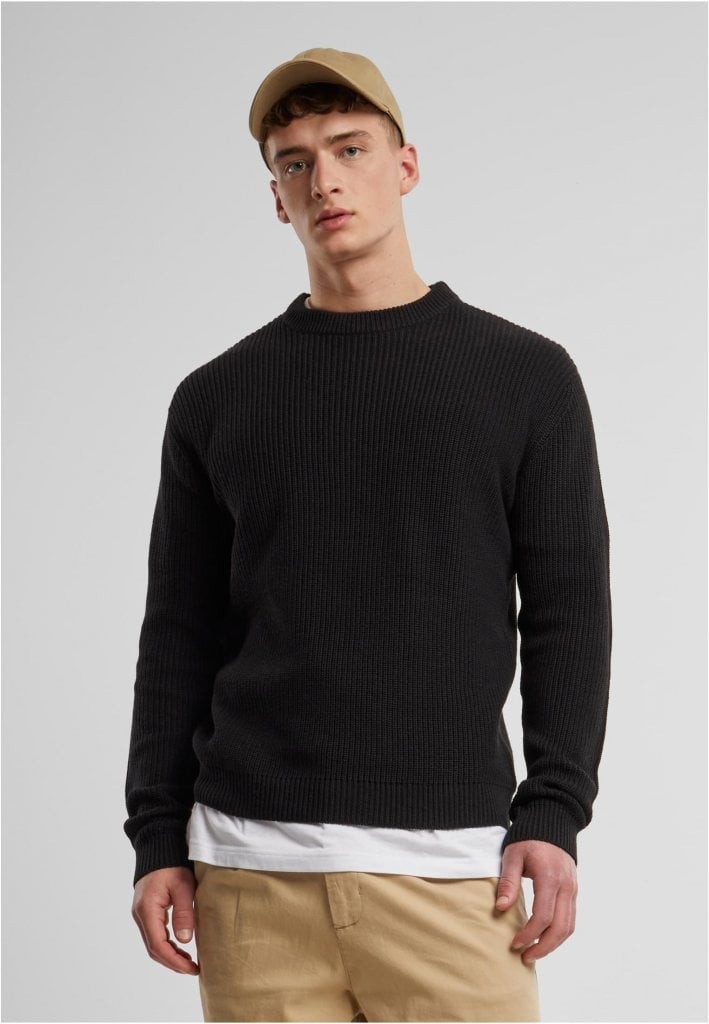
Press out water gently without wringing. If needed, roll the sweater in a clean towel and press lightly. Lay it flat, straighten the seams, and shape the sleeves, body and neckline. Replace a damp towel and turn the sweater carefully when the upper side is nearly dry.
Avoid a hanger while the garment is wet. Keep it away from radiators, strong sunlight and tumble dryers unless the label explicitly permits them.
How do you prevent shrinkage, pilling and stretched shoulders?
- Shrinkage: keep the temperature stable and use a wool cycle for wool.
- Pilling: wash inside out, reduce friction and separate rough zips and hook-and-loop fasteners.
- Stretched shoulders: dry flat and store folded rather than on a narrow hanger.
- Stretched neck: never lift a wet sweater by the neckline or one sleeve.
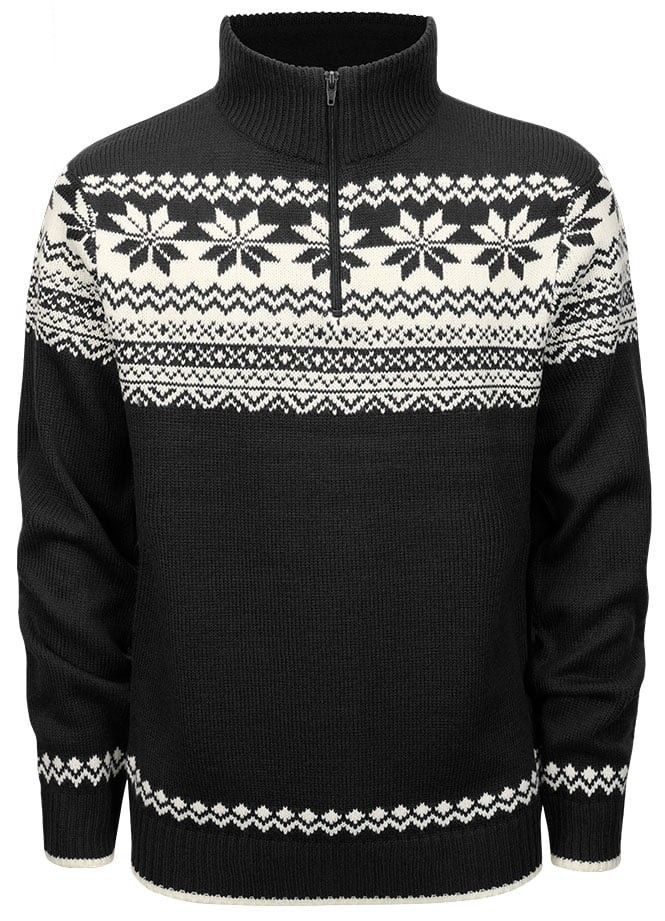
Pattern does not change the basic rules. Browse Nordic-pattern sweaters and check the fibre content of the individual product.
Can you rescue a shrunken knitted sweater?
You may recover some shape by soaking the garment in cool or lukewarm water as permitted by its fibre care, pressing out the water and reshaping it gently while flat. Stretch a little at a time and compare it with a sweater that fits. Wool heavily felted by heat and friction is rarely restored completely.
Avoid aggressive stretching, close steam and high heat. They can distort the knit and weaken seams.
Choose knitwear by fibre, not only by looks
Compare wool blends, cotton and synthetics, then pick a sweater whose care suits how you actually use it.