
How to wash jeans properly – temperature, cycle and drying
Published: date by: author
Oddsailor guide
The wrong wash fades colour, stresses the fibres and can alter the fit. Here is a straightforward routine for temperature, cycle, detergent and drying – plus when to leave the machine alone.
How should you wash jeans?
Wash jeans only as often as hygiene and stains require. Turn them inside out, close buttons and zips, normally choose 30 °C and a gentle cycle, use colour detergent without bleach, and air-dry. The garment care label always comes first. This applies to everyday styles and men's denim alike.
- Empty the pockets and spot-treat visible stains.
- Turn the jeans inside out and close the fly, buttons and zips.
- Sort by colour. Wash dark denim with dark garments, especially for the first few washes.
- Choose a low temperature and low to moderate spin according to the care label.
- Remove the jeans promptly, shake out the seams and reshape before air-drying.
Which temperature and wash cycle should you use?
For most jeans, 30 °C on a delicates, gentle or dedicated denim cycle is enough. A 40 °C wash may work when the care label allows it and the garment needs a deeper clean, but higher temperatures increase the risk of fading and shrinkage. A 60 °C wash is usually the wrong choice for coloured denim, stretch fibres or decorative details.
| Choice | When it works | Keep in mind |
|---|---|---|
| 30 °C, gentle | Normal wear and dark denim | Best balance of cleaning, colour and shape |
| 40 °C | Dirtier, robust denim when the label permits | May cause more fading and shrinkage |
| 60 °C | Only when the care label explicitly permits it | Usually unsuitable for stretch and coloured denim |
| Low spin | When you want fewer creases and less stress | Longer air-drying, but gentler treatment |
How often should you wash jeans?
Wash them when needed, not after every wear. If the jeans are dry, odour-free and unstained, airing them is often enough. Underwear, skin contact, activity and environment all affect the interval, so there is no serious universal number of wears.
Air first. Spot-clean small marks. Wash the whole garment when it smells, is visibly dirty or the care instructions require it.
Should jeans be washed inside out – and do they need fabric softener?
Yes. Turning jeans inside out reduces direct abrasion on the outer surface and can help dark washes retain colour for longer. Normally skip fabric softener: it can coat the fibres and is particularly unsuitable for stretch denim. Use a modest dose of colour detergent.
Can you tumble-dry jeans?
Air-drying is the safer default. High heat and mechanical movement can shrink cotton, degrade elastane and speed up fading. Hang jeans from the waistband or over a sturdy rail, smooth the legs and keep dark denim out of strong sunlight. Tumble-dry only when the care label permits it, preferably on low heat.
What changes for dark, distressed and stretch jeans?
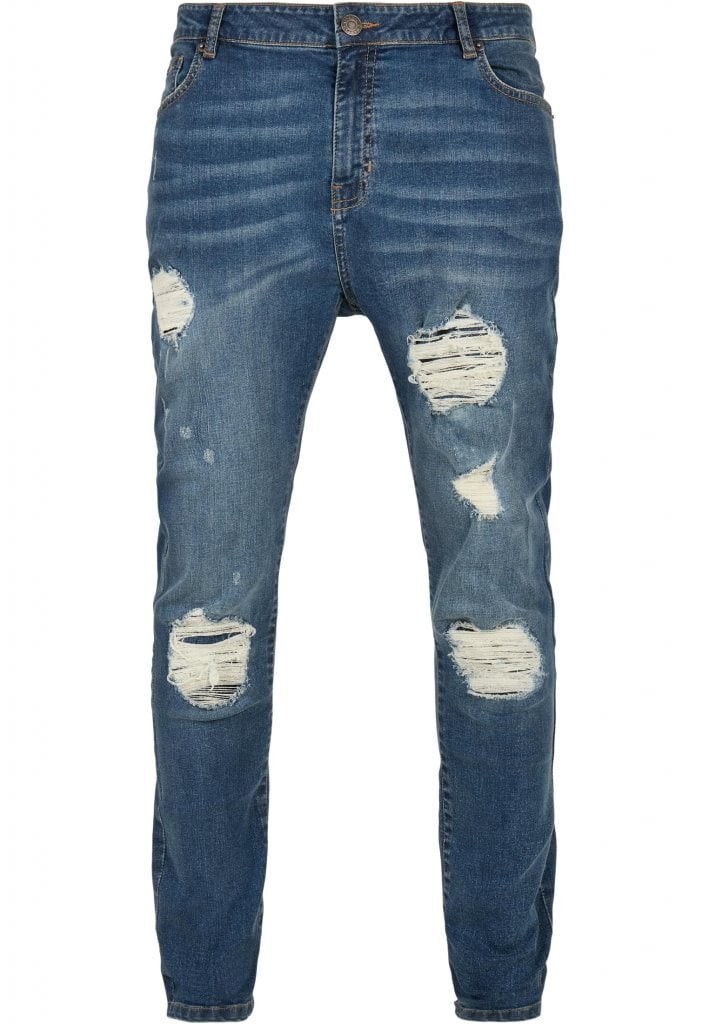
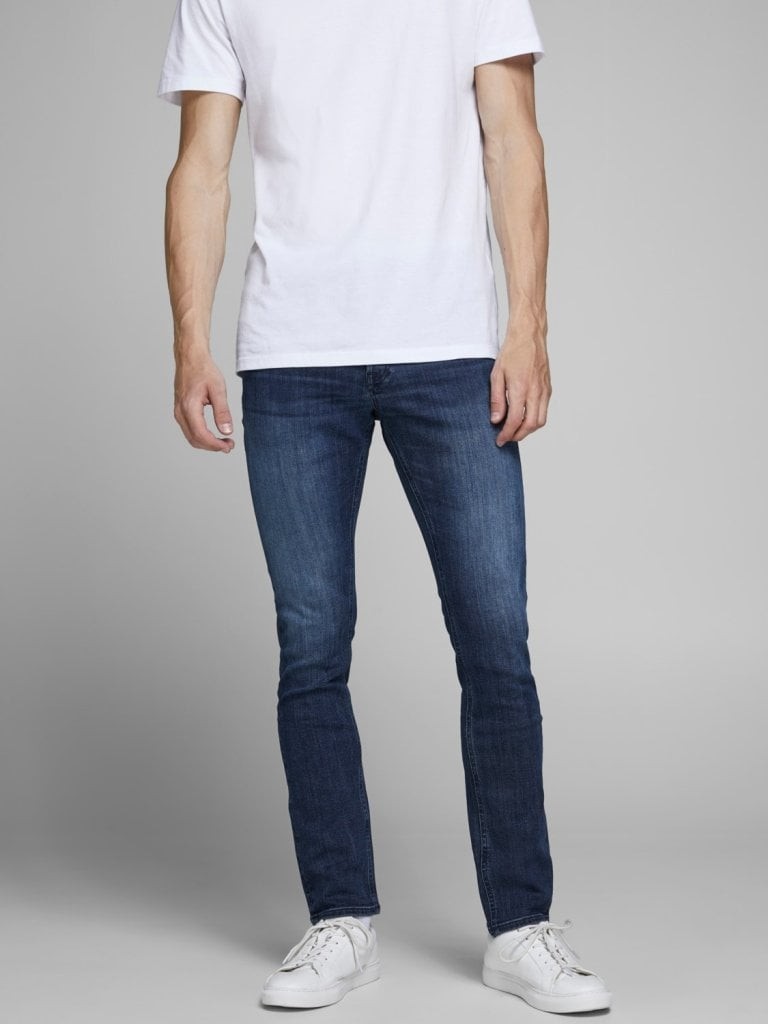
Dark denim shows fading quickly and should be washed separately or with similar colours. Distressing and holes need low mechanical stress so the openings do not grow. Stretch denim benefits from low heat and no fabric softener. Compare regular fit denim, loose fit denim and women's denim.
Three current jeans – and what their care requires
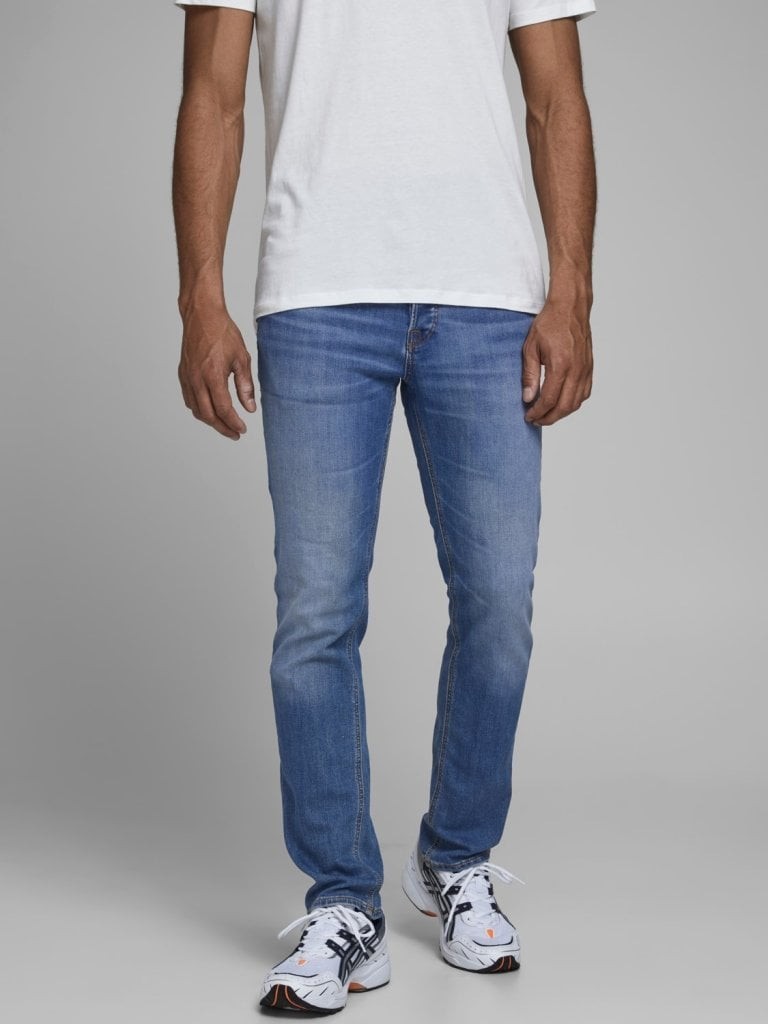
Different finishes and washes wear in different ways. The examples below had several purchasable sizes at publication; always check current availability on the product page.
Which common mistakes wear jeans out fastest?
- Washing after every wear when airing would be enough.
- Using excessive heat or an intensive cotton cycle.
- Overdosing detergent and adding unnecessary fabric softener.
- Overfilling the machine so garments cannot move or rinse properly.
- Tumble-drying on high heat, especially jeans containing elastane.
- Ignoring the care label because all jeans are assumed to be the same.
Important: Coated denim, bonded details, high stretch, embroidery or large distressed areas may require very different care. Follow the garment label before general advice.
Give your jeans a longer life
Correct washing will not make old jeans new, but it slows avoidable wear to colour, fibres and fit. Compare cuts, washes and sizes in the denim range.