
Children's hat size – measure the head and choose correctly
Published: date by: author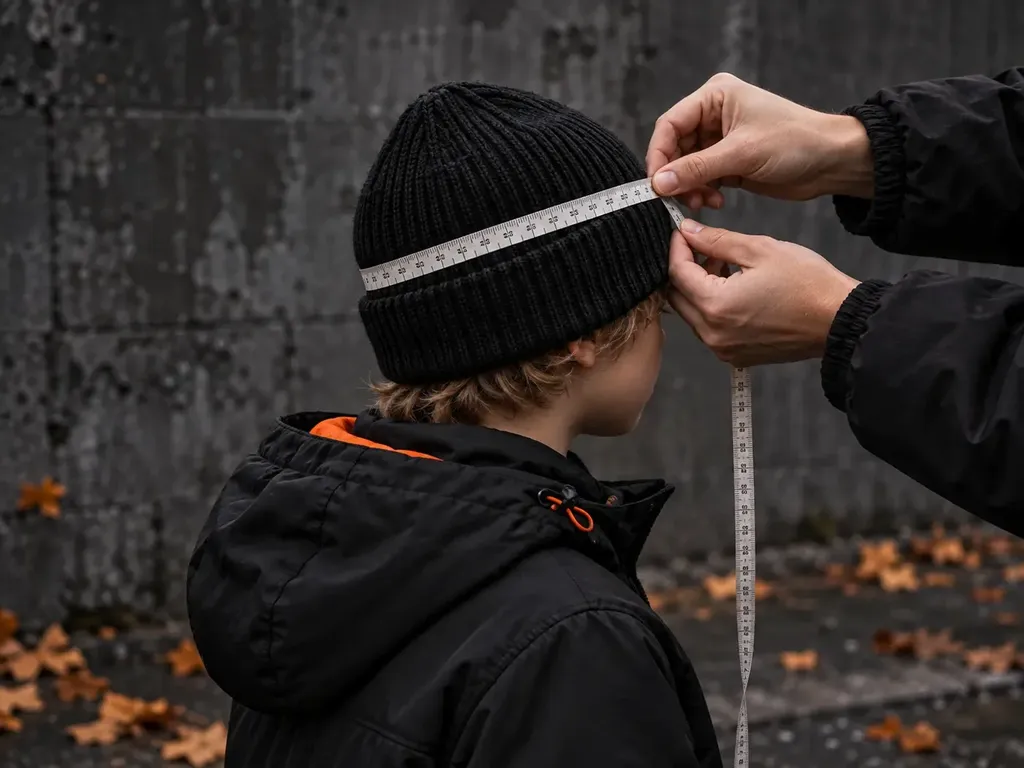
Dunken guide
Skip the age-based guesswork. Measure the child's head, read the sizing for the specific style and check that the hat stays put without pressing.
The right children's hat size is chosen primarily by head circumference, not age. Measure horizontally around the head just above the eyebrows and ears. Compare the result with the product's size guide or stated range. Browse current children's hats and caps, and always check the information for the individual style.
How do you measure a child's head for a hat?
Use a soft tape measure where the lower edge of the hat would normally sit: across the forehead, just above the ears and around the widest point at the back. Keep the tape flat without pulling it tight.
- Ask the child to look straight ahead and arrange the hair as it is normally worn under the hat.
- Keep the tape horizontal rather than angling it over the crown.
- Read the circumference in centimetres without placing a finger under the tape.
- Measure again. Two matching measurements beat one quick guess.
Which hat size should a child wear?
Choose the range that contains the child's actual head measurement. If a product uses S/M, Youth, 110/116 or one size, read that style's own sizing information; these labels do not convert to the same centimetres across every hat.
| Label | What it tells you | What to check |
|---|---|---|
| Centimetres | A head measurement or range | That the child's circumference falls inside it |
| Kids / Youth | A target group, not a universal measurement | The product measurements, fabric and stretch |
| Clothing size | May use ranges such as 110/116 | How that brand links the range to fit |
| One size | A stated fit range | Which measurements or ages the style actually covers |
Important: Age is only a rough clue. Head size, cut and fabric stretch vary. Do not automatically add extra centimetres so the child can “grow into” the hat; follow the product guide and check the fit.
How should a children's hat fit?
The hat should stay in place when the child moves their head, without leaving deep pressure marks or feeling uncomfortably tight. It should give the coverage intended by the design without slipping over the eyes. A thin stretch beanie and a heavy knitted hat can feel different even in the same labelled size.
Compare more fits among all hats and beanies.
When does a thin beanie in a children's size work?
A thin beanie works best when the child needs a light layer rather than maximum insulation. The style below offers a Youth option, but you should still check its sizing details and fabric.
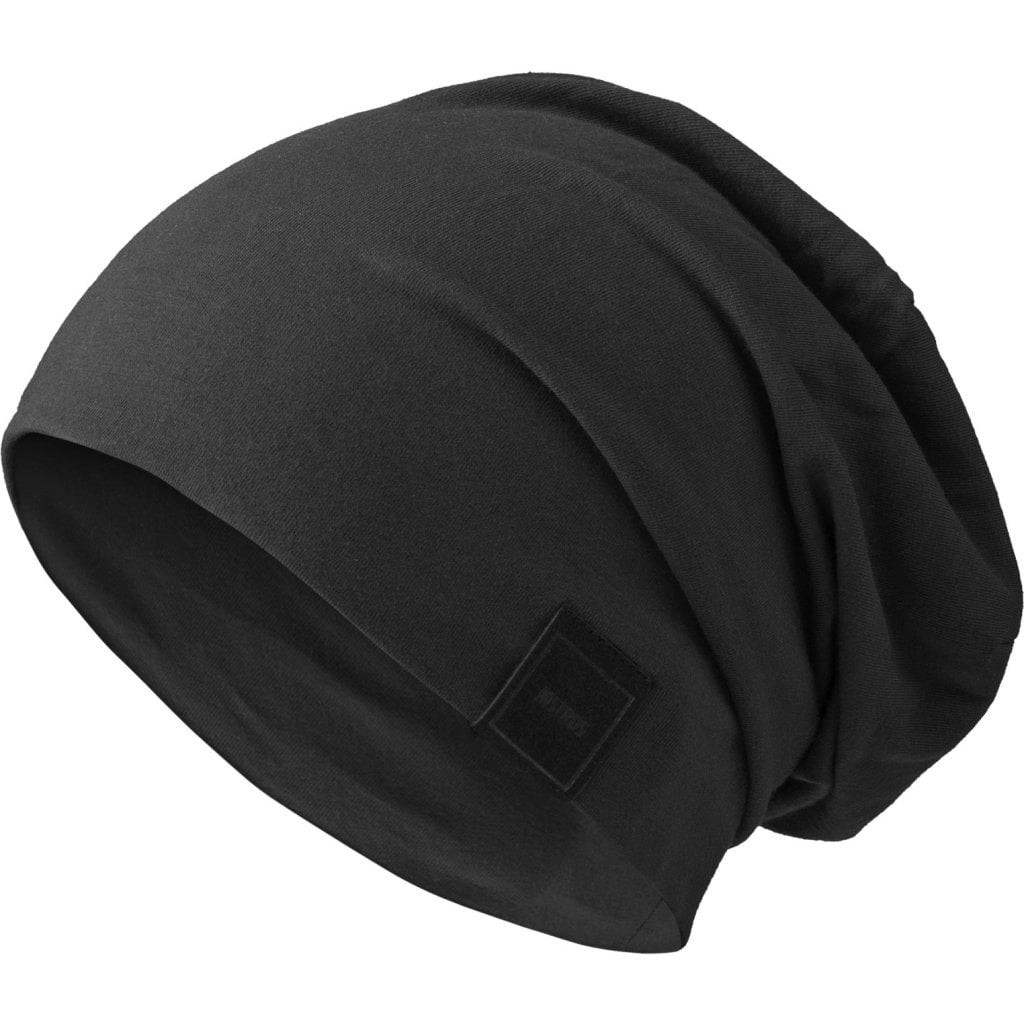
You can also compare thin beanies.
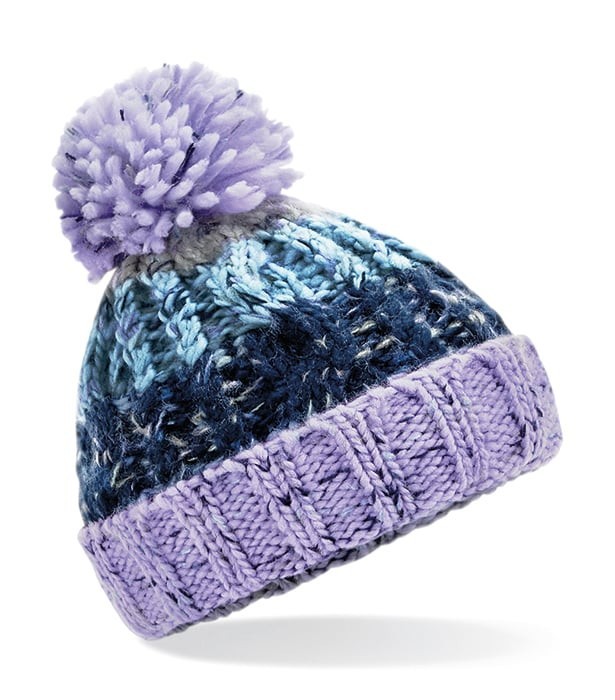
How do you choose a hat for a baby?
Use the product's intended age group and measurements rather than relying on the word baby alone. The hat should stay in place without pressing and must not be pulled down so it obstructs the face. Check the material, seams and care instructions.
What does a clothing size mean on a children's hat?
Some hats use the same ranges as children's clothing. This is convenient, but children of the same height can have different head circumferences. Treat the clothing size as a style-specific guide and compare it with the head measurement whenever more information is available.
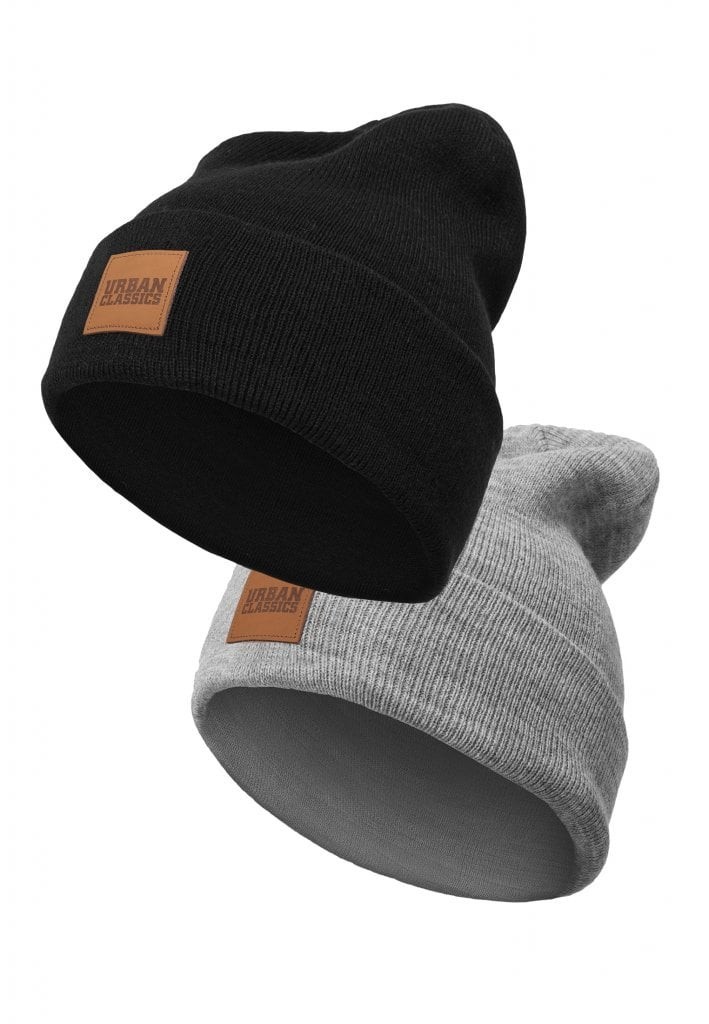
Should you size up between two ranges?
Not automatically. If the measurement sits on a boundary, first read how the maker describes the fit and stretch. A larger hat that slips or falls over the eyes is not a better choice.
Quick check before choosing
- The head circumference was measured twice at the same level.
- The size comes from the current product, not a generic age chart.
- The hat gives the intended coverage without obscuring the eyes.
- The fabric, stretch and care instructions suit the use.
- The current colour and size are available to order.
Measure first. Choose second.
Compare thin and knitted styles, read the sizing details and choose a hat that stays put without unnecessary pressure.