
How to layer clothes without unnecessary bulk
Published: date by: author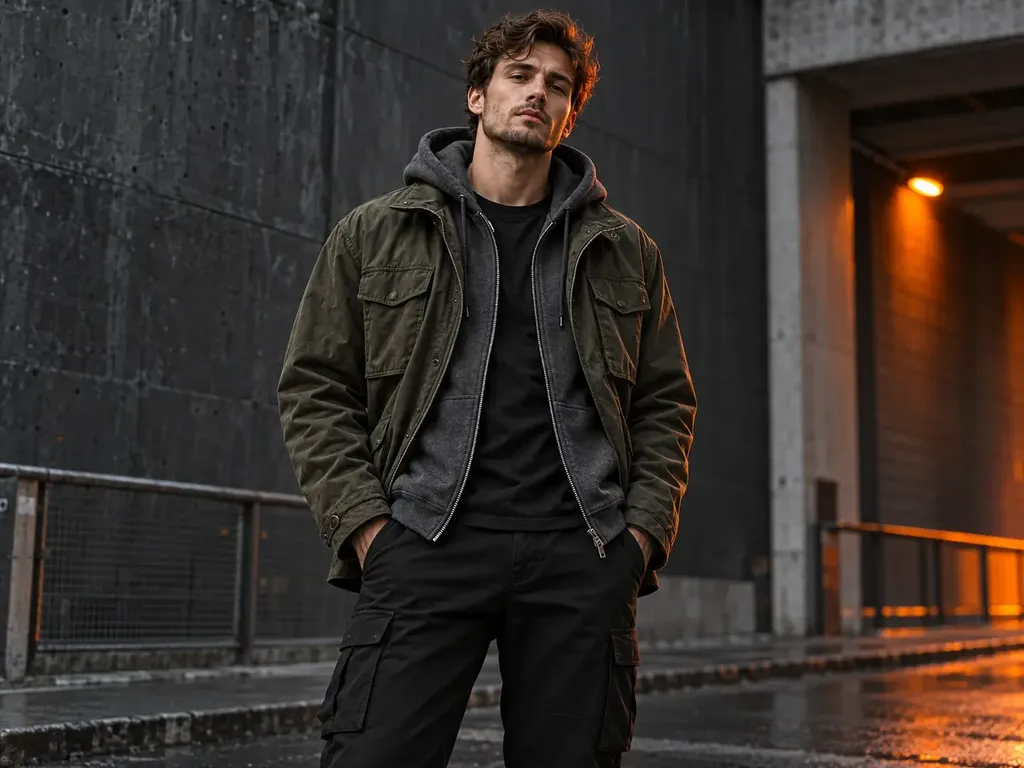
Oddsailor guide
Layering clothes is not about piling on as much as possible. Give every garment a job and leave enough room for movement, air and your own style.
The three-layer system combines a light base layer, a warm mid layer and a protective outer layer. You can then open, remove or add a garment as temperature and activity change. A T-shirt, hoodie and jacket make a simple everyday version. Start by comparing men's hoodies for your mid layer.
What does layering clothes mean?
Each layer has its own task. The base sits nearest your body, the mid layer adds warmth and the outer layer faces wind, rain or cold. You will not always need all three in everyday life, but the same logic makes changing autumn weather easier to handle.
| Layer | Main job | Everyday example |
|---|---|---|
| 1. Base | Comfort close to the body | T-shirt or long-sleeve top |
| 2. Mid | Warmth and easy adjustment | Hoodie, sweatshirt or flannel shirt |
| 3. Outer | Weather and wear | Overshirt, autumn jacket or winter jacket |
What works best as a base layer?
A useful base layer feels comfortable, fits under the next garment and ends at the right length. A T-shirt often works best for everyday streetwear. Do not automatically choose the heaviest one; fabric that bunches beneath a hoodie makes the whole outfit stiff.
Browse men's T-shirts to compare length, fit and graphics.
Is a hoodie a good mid layer?
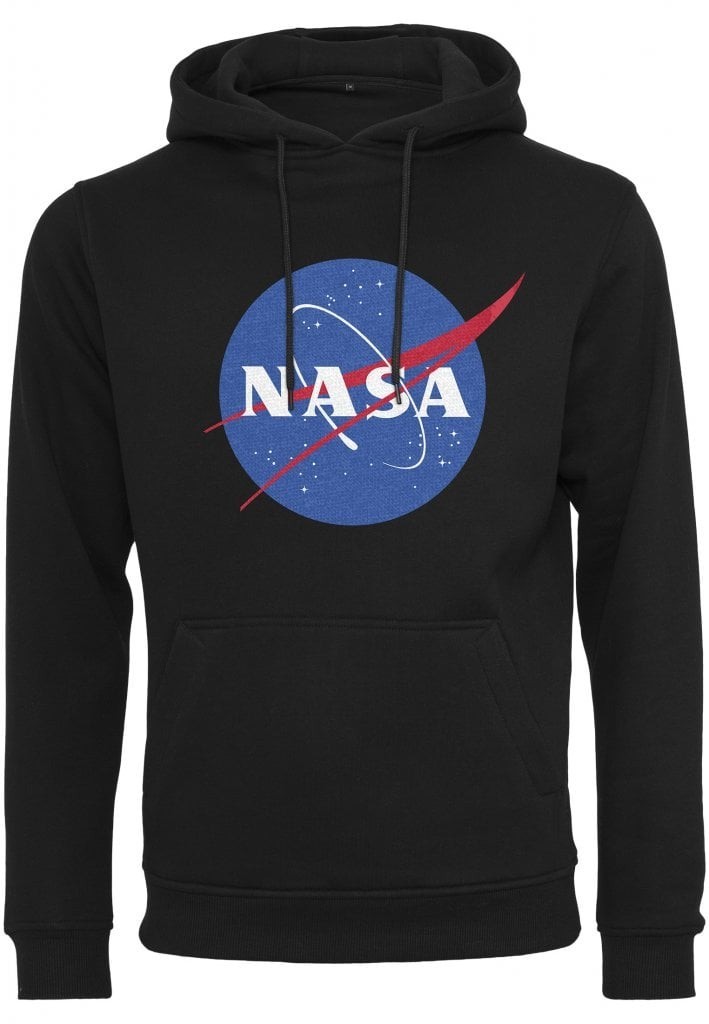
Yes, provided the outer garment leaves room for the hood, shoulders and upper arms. A zip hoodie is easiest to regulate and shows the base layer. A pullover gives you a cleaner front and works well when the hoodie leads the outfit.

How do you choose an outer layer without making it tight?
Try the outer garment over the exact layers you intend to wear. You should be able to raise your arms, close the jacket and use its pockets without pulling across your back or chest. Compare men's jackets by cut, lining and weather protection, not just the label size.
An overshirt or shirt jacket makes a lighter outer layer. In cold or wet weather, check the specific jacket's materials, seams and stated performance.
Important: Several warm garments do not automatically make an outfit windproof or waterproof. A hoodie can add warmth, while the outer layer's construction determines weather protection.
How do you stop layers looking bulky?
Use clear proportions: make the base the lightest layer, leave movement room in the middle and keep the outer layer the roomiest. A long hoodie below a short jacket creates a distinct streetwear silhouette; more even hems look quieter.
- Avoid three heavy collars or hoods in the same place.
- Let one garment carry the strongest graphic or pattern.
- Mix textures, such as a smooth T-shirt, soft hoodie and structured jacket.
- Try the complete outfit while seated and with your arms forward.
Pullover or zip hoodie for layering?
Choose a zip hoodie when you want to open the front quickly. Choose a pullover for an uninterrupted graphic and a more unified silhouette.
How do you layer clothes on an ordinary autumn day?
- Start with a T-shirt that does not bunch.
- Add a hoodie or flannel shirt with room for the base.
- Choose the jacket around wind, rain and temperature.
- Open the mid layer when you go indoors or warm up.
- Remove a layer before you become very sweaty.
Common layering mistakes
The most common mistake is a narrow outer garment squeezed over a heavy hoodie. Another is judging warmth from a fabric name alone. Fit, fabric weight, inside finish, activity and weather all work together. Build the outfit from the inside out.
Build the mid layer first
Compare pullover and zip styles, graphics and fit, then choose a hoodie that works both alone and under a jacket.