
Glove size guide: measure your hand and choose the right fit
Published: date by: author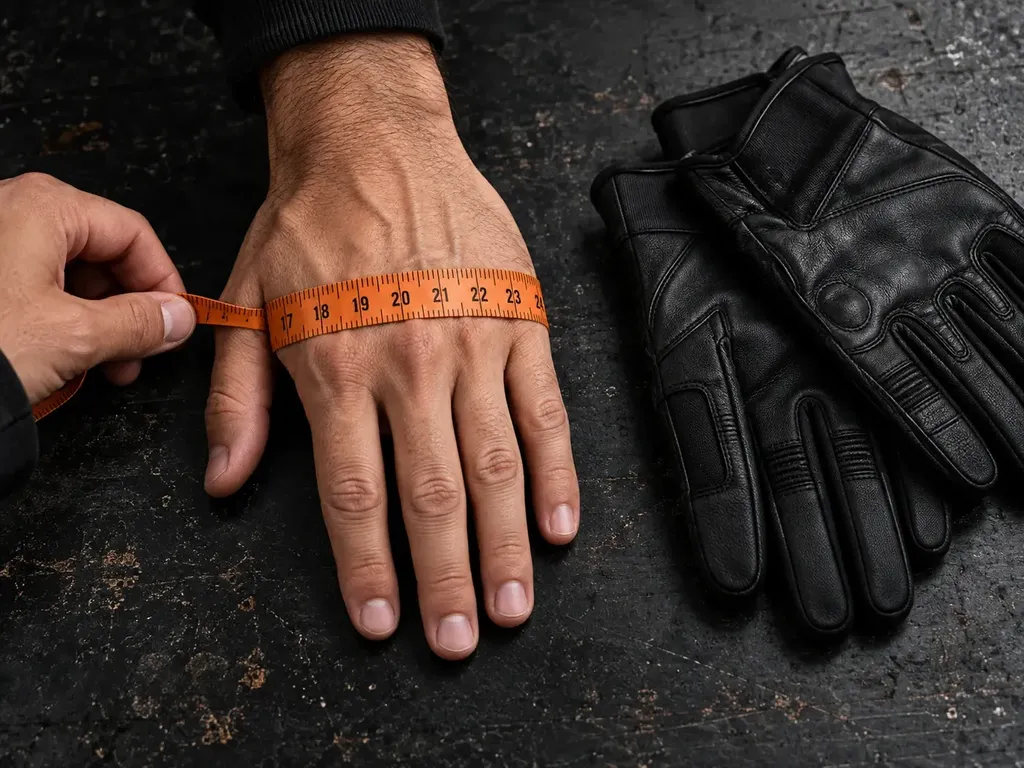
Odd Sailor guide
Measure around the knuckles, check finger length and let the product's own size chart decide. That prevents gloves from pinching, slipping or ruining your grip.
How do you find your glove size?
Measure the circumference of your hand around the knuckles, excluding the thumb, then compare it with the product's size chart. Measure your dominant hand because it is often slightly larger. Dunks gloves and mittens use numeric sizes, letter sizes and combined sizes such as S/M.
Quick answer: Wrap a soft tape measure around the widest part of your hand, keep the hand relaxed and do not round down. Circumference in inches is a rough starting point for numeric glove size, but the product-specific chart always takes priority.
How do you measure your hand for gloves?
- Wrap the tape around the knuckles at the widest part of the hand. Leave out the thumb.
- Keep your fingers together and your hand relaxed. Do not pull the tape tight.
- Measure both hands and use the larger result.
- Also measure from the wrist crease to the tip of the middle finger if the glove has long fingers.
- Compare the result with the chart for the exact product you plan to buy.
No soft tape? Wrap string around your hand and measure the string with a ruler.
Which glove size matches your measurement?
This table is a practical starting point for numeric sizes. Brands and models vary, and letter sizes such as S, M and L do not follow one universal standard.
| Hand circumference | Approximate numeric size |
|---|---|
| 15-17 cm | 6 |
| 17-19 cm | 7 |
| 19-21 cm | 8 |
| 21-23 cm | 9 |
| 23-25 cm | 10 |
| 25-27 cm | 11 |
Important: Do not choose from the table alone. Finger length, material, lining and the product's fit can move you one size up or down.
How should gloves fit?
Gloves should follow the hand without pulling across the knuckles. Your fingertips should sit close to the ends without being compressed, and the glove should stay put as you open and close your hand. A small air gap can help in winter gloves, but too much room reduces grip.
- Too small: seams pull, fingertips press forward and the hand feels stiff.
- Too large: material bunches in the palm and the fingertips feel clumsy.
- Right fit: full movement, a stable cuff and only a little spare room at the fingertips.
What should you do between two sizes?
Start with how you will use the gloves. For thin precision gloves, choose the closer size if you can still straighten every finger. For lined winter styles, the larger size may leave room for insulation and air. Pressure or numbness always means you should size up.
How do material and lining affect fit?
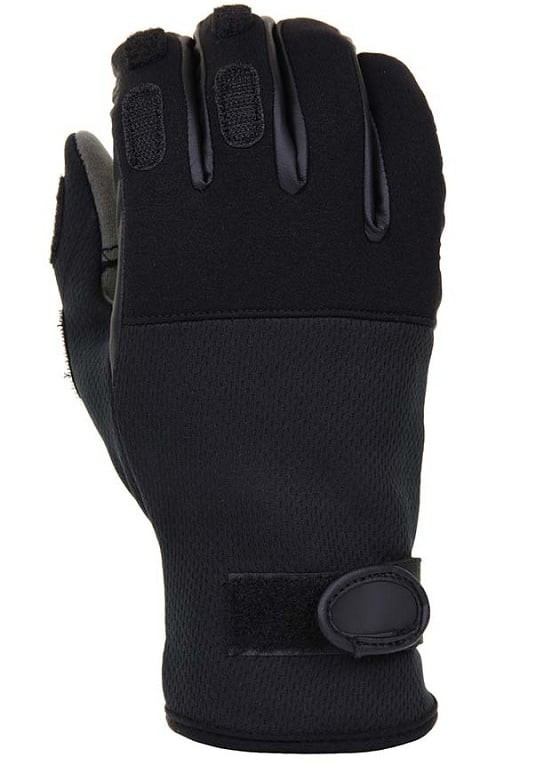
Leather can shape slightly to the hand, while thick lining takes up space inside a glove. Neoprene and stretch fabrics can fit close without feeling rigid. Compare the material and construction, not just the size letter.
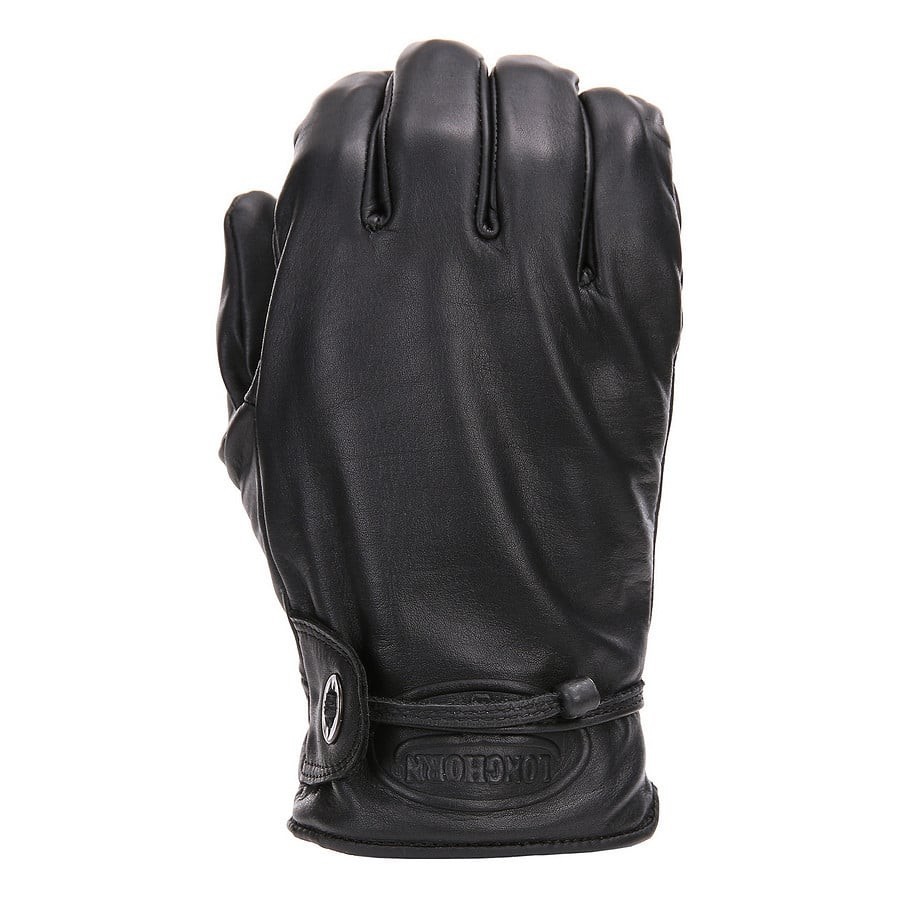
For more classic options, compare the range of leather gloves.
Should winter gloves be larger than thin gloves?
Not automatically. A winter glove needs room for its lining and a thin air layer, but an oversized glove loses grip and may let cold air in at the cuff. Thin gloves can fit closer as long as the seams do not pull and your fingers move freely.
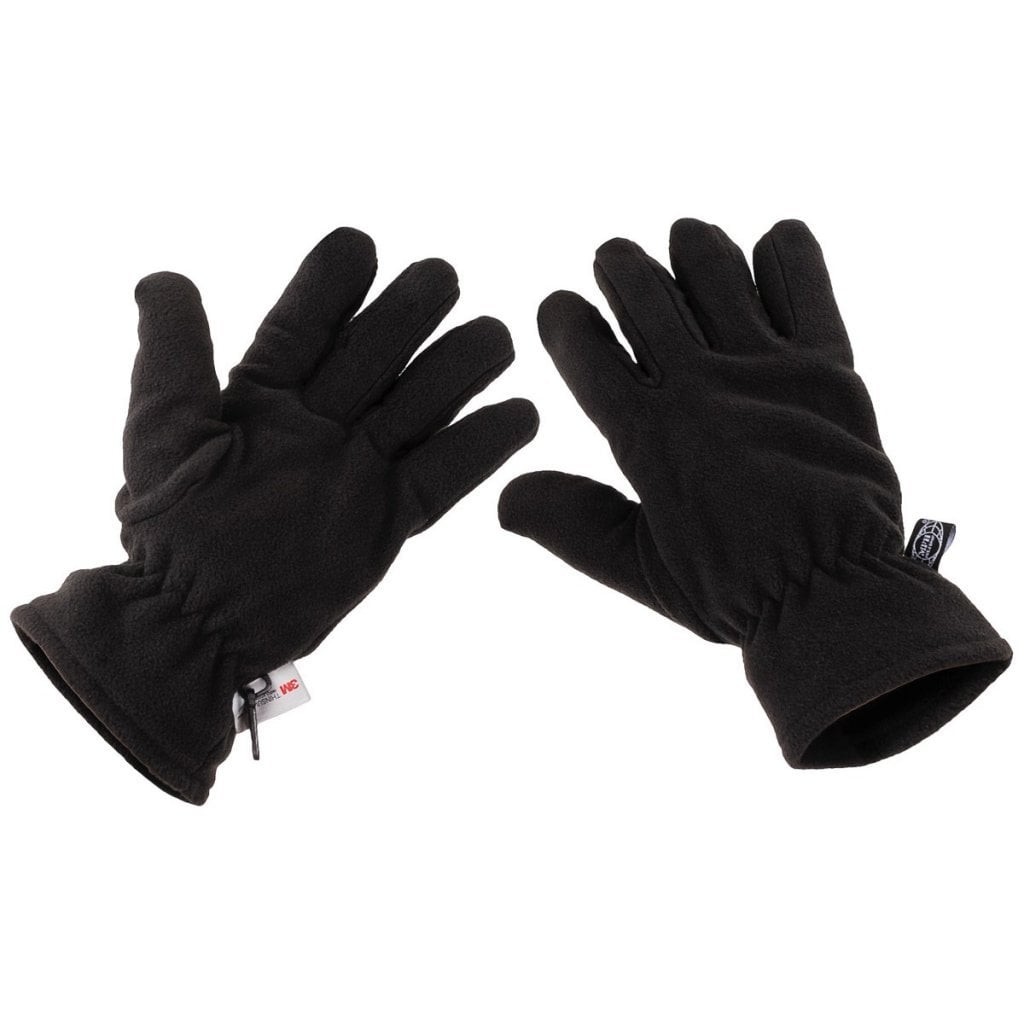
When dexterity matters more than thick insulation, browse thin gloves.
Which common sizing mistakes should you avoid?
- Including the thumb in the circumference measurement.
- Pulling the tape tight enough to compress the skin.
- Assuming the same letter size fits every model.
- Ignoring finger length and measuring only the palm.
- Going several sizes up for warmth and losing grip.
Short decision rule: measure circumference, check length, choose from the product chart and test full movement as soon as the gloves arrive.
Measure first. Choose gloves second.
Use the larger hand measurement, then compare material, lining and size range. The result will be warmer and far more precise.