
What is a balaclava? Materials, fit and the right design
Published: date by: author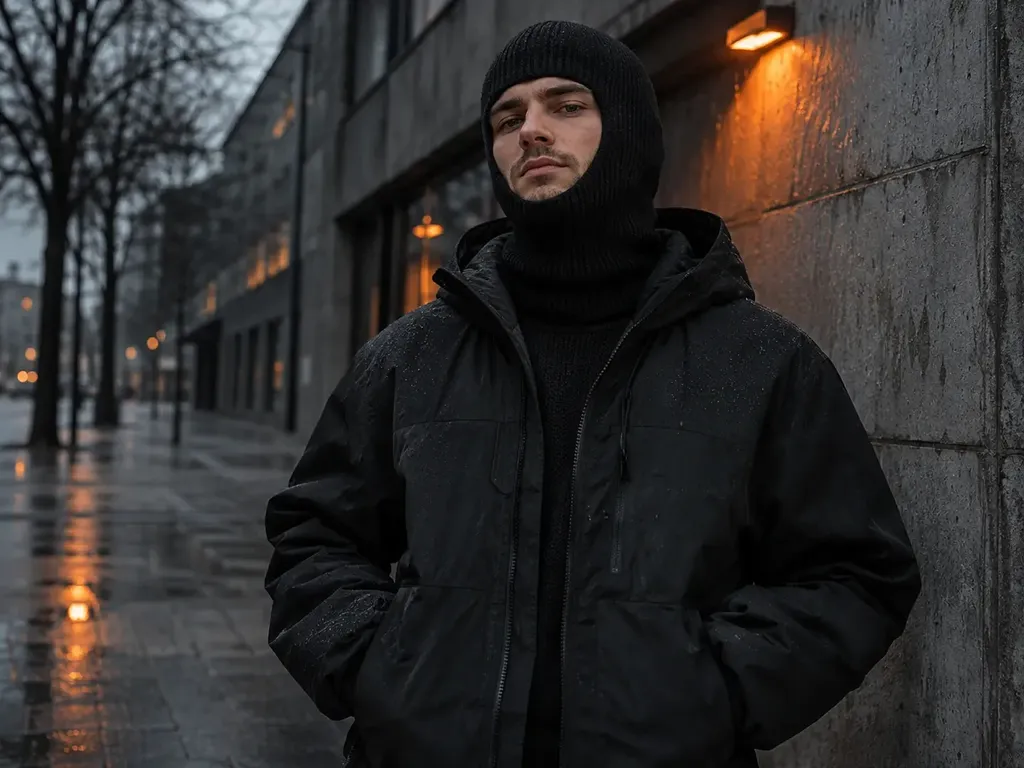
Dunken guide
Thin under a helmet, chunky-knit in town or insulating in the cold? Here is how to choose the right opening, material and fit.
What is a balaclava?
A balaclava is headwear that covers the head, neck and parts of the face, with one or more openings for the eyes and mouth. It is also called a ski mask and can be worn as a warm outer layer or a thin layer under a helmet. Its shape, material and opening determine where it works best.
Start with Dunken's range of balaclavas and ski masks, then choose for the job rather than looks alone.
What is the difference between a balaclava, beanie and neck gaiter?
A balaclava combines head and neck coverage in one garment. A regular beanie leaves the face and neck exposed, while a neck gaiter mainly protects the neck and can be pulled over the lower face.
| Garment | Coverage | Best when |
|---|---|---|
| Balaclava | Head, neck and parts of the face | You want combined protection from wind and cold |
| Beanie | Head and usually ears | You want simple warmth and a free neck |
| Neck gaiter | Neck and, when needed, lower face | You want to adjust coverage quickly |
Compare regular beanies and hats or a neck gaiter if you do not need full facial coverage.
Which material should you choose?
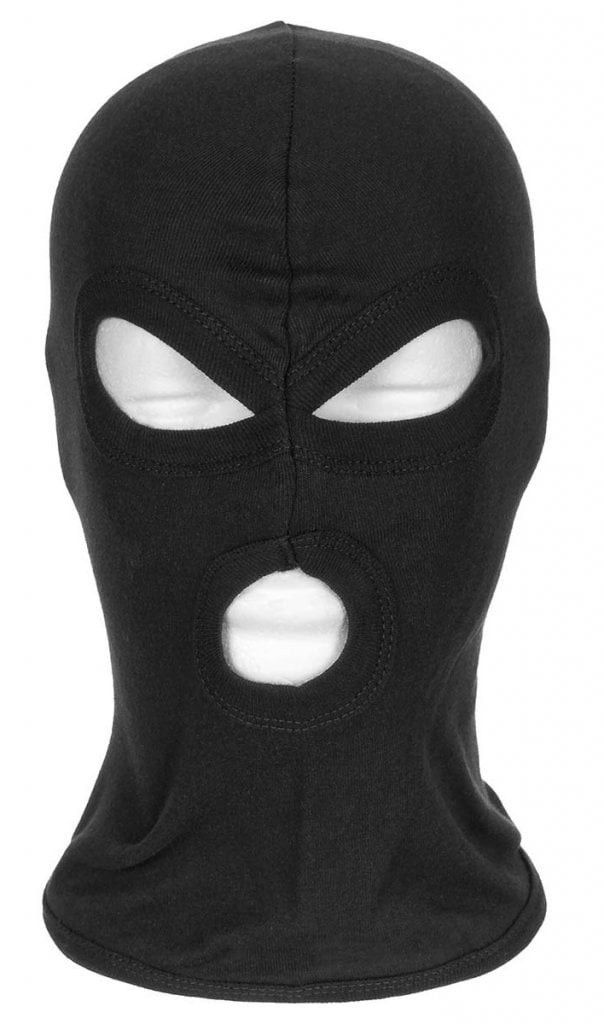
Choose the material for your activity and the amount of bulk you can accept. Chunky acrylic knit creates a strong everyday look and can insulate well, while thin cotton takes up less room under a helmet. Fleece feels soft and insulating, but a thick version may become too warm during hard activity.
- Thin cotton: low profile and easy under a helmet, but limited insulation in severe cold.
- Acrylic knit: shape-retaining, easy to care for and useful day to day; density and layers control warmth.
- Fleece: soft and warm, but check thickness and ventilation.
- Wool: can insulate when damp, but feel and care instructions vary.
How should a balaclava fit?
A balaclava should sit close without pressing hard across the forehead, jaw or neck. The openings should stay in place as you turn your head, and the fabric must not obstruct your vision or cover your airway.
- Put it on and centre the eye and mouth openings.
- Turn your head both ways and check that the fabric does not slip.
- Feel for folds or thick seams around your forehead and ears.
- Try it with the jacket collar or helmet you will actually use.
Important under a helmet: the balaclava must not change the helmet's fit, block ventilation or create thick folds. Choose a thin, smooth design and always follow the helmet manufacturer's instructions. If the helmet feels looser or presses unevenly, the combination is wrong.
One, two or three openings: which is best?
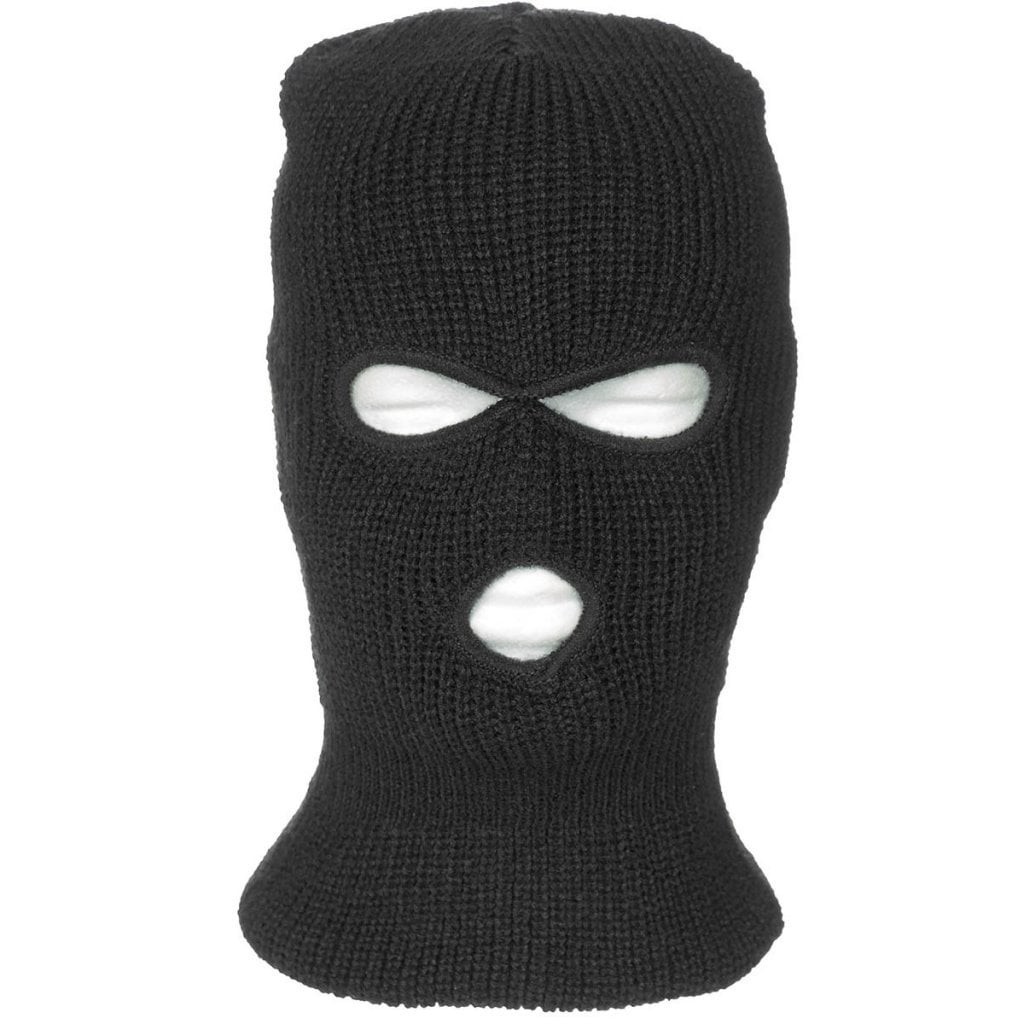
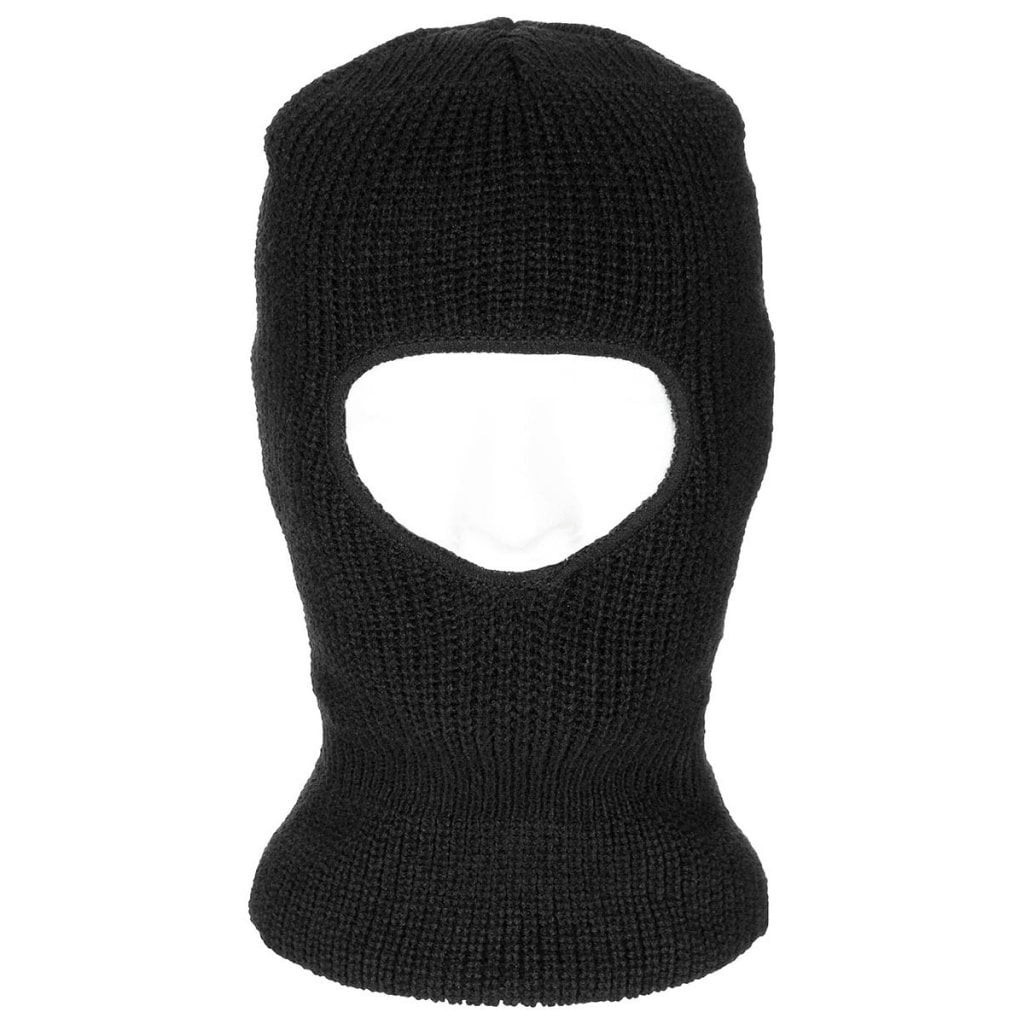
A large face opening gives clearer vision and is easy to pull down. A single eye opening covers more of the nose and cheeks. Three separate openings often stay stable but give you less scope to change coverage quickly.
- Large opening: everyday wear, walking and streetwear when you want more of the face exposed.
- Single eye opening: more wind protection for the cheeks and nose.
- Three holes: fixed eye and mouth openings; check that they line up with your face.
Three balaclavas that show the difference
The models below are published and have broad current availability. They demonstrate three genuinely different constructions.
Which common mistakes should you avoid?
- Choosing the thickest model without considering activity or helmet fit.
- Assuming every one-size design fits the same way.
- Accepting fabric that slips into your field of vision.
- Keeping a damp balaclava over your face for long periods.
- Washing knitwear or wool above the temperature on the label.
In short: the right balaclava gives suitable coverage, stays put and works with the rest of your kit.
Choose a balaclava for the job
Compare thin, knitted and fleece designs, different openings and current availability.