
What is Thinsulate? Insulation, warmth and the right choice
Published: date by: author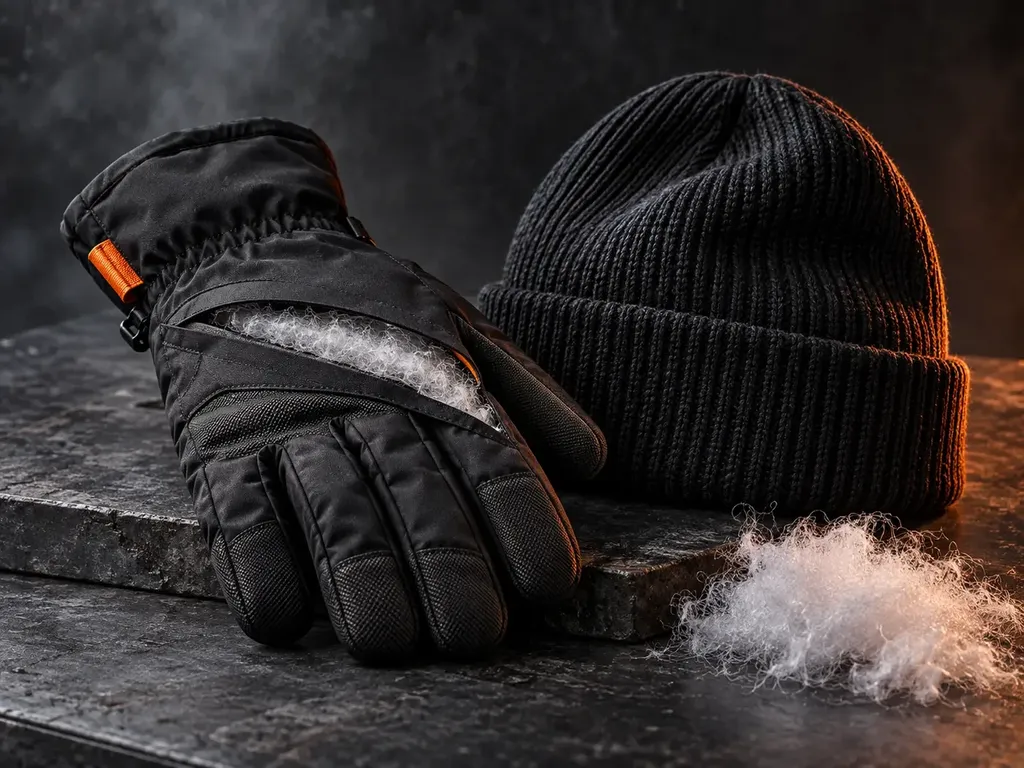
Dunken guide
The name sounds technical. The choice is simpler: check the insulation, the complete product construction and how much dexterity you need.
What is Thinsulate?
Thinsulate is a family of synthetic insulation materials from 3M, made with fine fibres that trap still air and slow heat loss. It is used as an insulating layer in gloves, beanies, footwear and outerwear. It is not an outer fabric and does not, by itself, make a product waterproof.
In winter gloves with insulating lining, Thinsulate is only one part of the system. The shell, amount of insulation, fit, seams and wrist closure also affect warmth.
Short answer: Thinsulate insulates by holding air in a thin fibre layer. Always read the exact product details, because different Thinsulate types and constructions do not provide identical warmth or weather protection.
How is Thinsulate different from fleece and down?
| Material | What it is | Check |
|---|---|---|
| Thinsulate | Synthetic insulation layer | Type, amount, coverage and complete construction |
| Fleece | Soft synthetic fabric used as a lining or outer layer | Thickness, wind resistance and placement |
| Down | Natural fill with loft | Fill, construction and moisture management |
None is automatically the warmest. Two products can feel very different even when they use the same kind of insulation.
Is Thinsulate warm?
Yes, Thinsulate is designed for thermal insulation, but the label alone does not tell you how warm the finished item will be. More insulation may add warmth, but it can also add bulk. In gloves, warmth must be balanced against grip and finger control.
Consider activity and weather. Standing still in cold conditions often requires more insulation and coverage than a brisk walk. Wind and moisture can change the result quickly when the outer layer offers little protection.
How do you choose Thinsulate gloves?
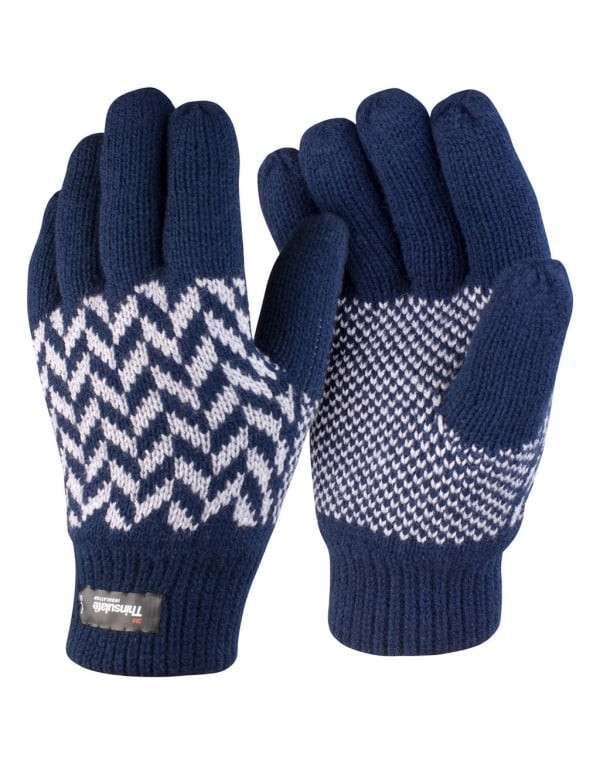
Start with fit. A glove that compresses the lining or restricts circulation may feel colder. Then check the cuff, shell, grip surface and whether the model is intended for everyday wear, work or another activity.
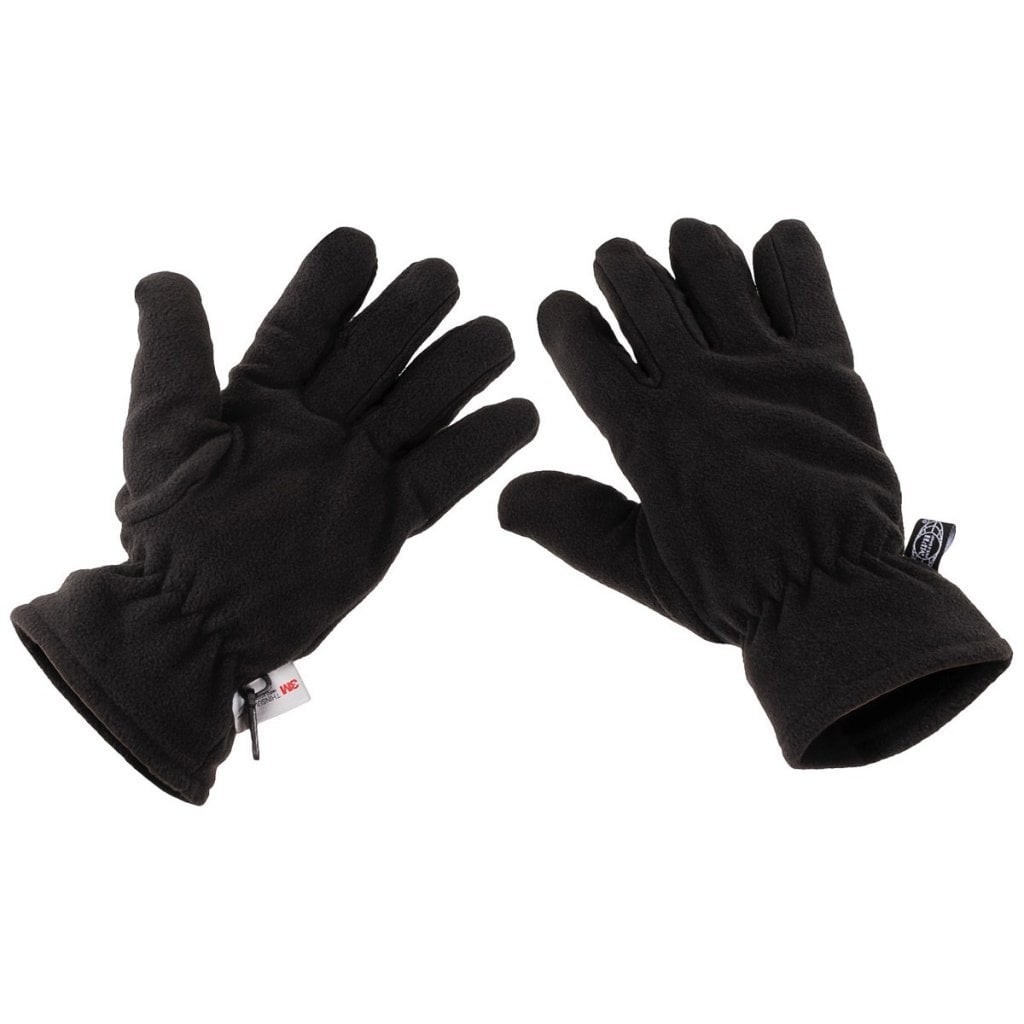
Compare more options in Oddsailor's gloves and mittens.
Mittens or gloves: which are warmer?
A mitten keeps the fingers together and can reduce the surface exposed to cooling, while gloves provide better fine motor control. Choose according to whether maximum warmth or grip and precision matter more.
How does Thinsulate work in a beanie?
In a beanie, the insulation sits between or alongside other materials. Ear coverage, fit and the outer layer's wind resistance matter at least as much as the insulation name. A thick beanie that gaps around the ears can work less effectively than a slimmer style that fits correctly.
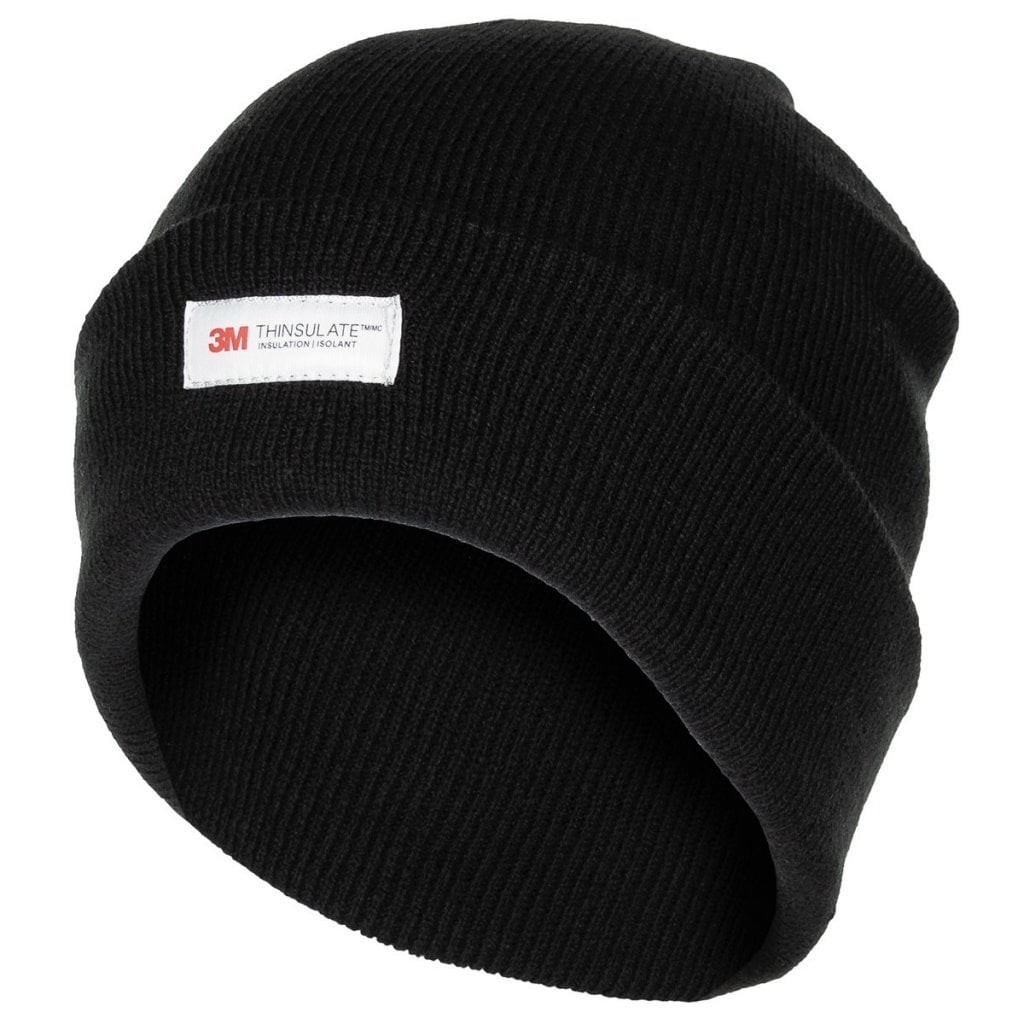
See more beanies for cold and milder days.
Is Thinsulate waterproof?
No. The word Thinsulate does not mean the complete product is waterproof. The insulation normally sits inside the construction. Water protection depends on the shell, membrane, seams and openings. Check the product's explicit water-resistant or waterproof specification.
Important: Synthetic insulation does not replace a weatherproof shell. Do not choose gloves for rain, work or extreme cold based on the Thinsulate label alone.
How do you wash products with Thinsulate?
Always follow the care label on the finished product. 3M offers different Thinsulate types, and care can vary with both the insulation and the other materials. Close buckles and hook-and-loop fasteners, do not exceed the stated temperature and let the item dry completely before storage.
Frequently asked questions about Thinsulate
Is Thinsulate the same as fleece? No. Thinsulate is insulation; fleece is a fabric that may be used as a lining or outer layer.
Are more grams always better? Not automatically. Amount, placement, fit and the complete construction determine the result.
Can Thinsulate be used in both gloves and beanies? Yes. The material family is used across several kinds of winter gear, but each product must be judged by its own construction.
Choose winter gloves by more than the label
Compare insulation, fit, cuff, shell and intended use. That is how you get a pair that works in real conditions.