
What is softshell? Fabric, weather protection and use
Published: date by: author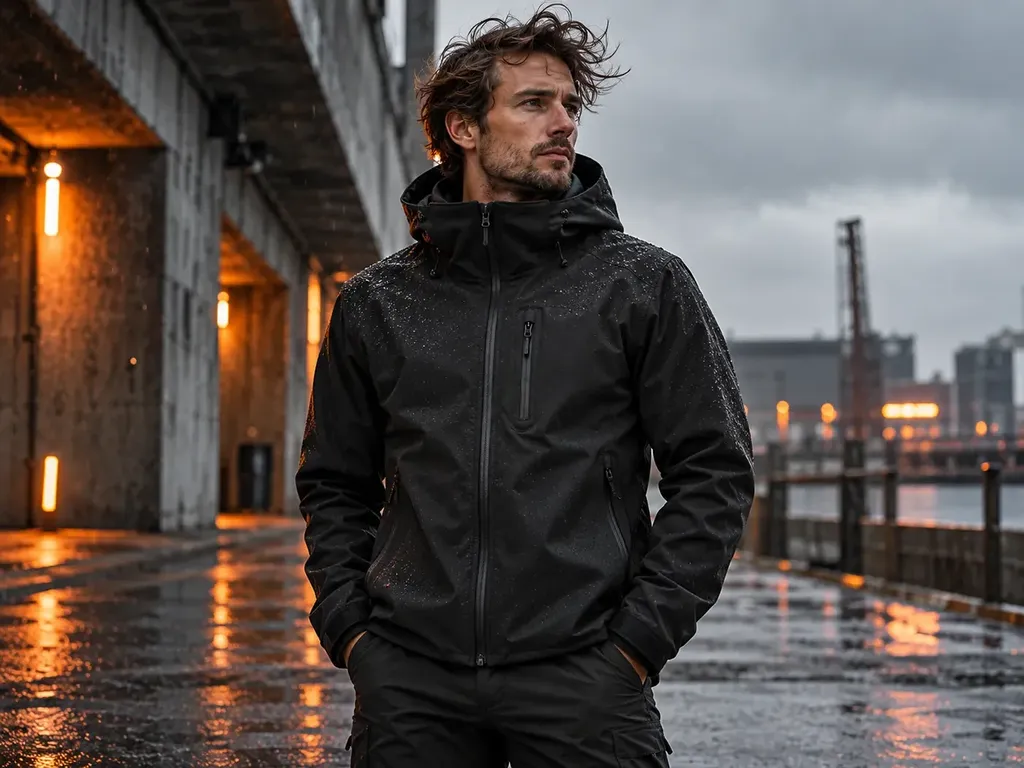
Dunken guide
Softshell is built for wind, light rain and movement. Here is the straight answer on the fabric, how it differs from shell and fleece, and what to check before buying.
What is softshell?
Softshell is a soft, wind-resistant and often water-repellent performance material that combines weather protection with stretch and freedom of movement. It is mainly used in jackets and trousers for active everyday wear and outdoor use. At Oddsailor, you can find several options among our men's jackets.
It is not one single fabric. Softshell describes a construction in which the outer fabric, an optional membrane and a soft inner face work together. Two softshell garments can therefore differ significantly in warmth, wind resistance and hydrostatic head.
How does softshell material work?
Most softshell garments prioritise balance over maximum protection. A tightly woven outer slows the wind, stretch keeps the garment mobile, and a brushed or fleece-lined inner can add warmth.
- The outer face resists wind and short showers.
- Stretch offers more freedom than many stiff shell garments.
- The inside may be thin and smooth or soft and insulating.
- Some designs use a membrane; others rely on tight weaving and a water-repellent finish.
Is softshell waterproof?
Softshell is usually water-repellent, but it is not automatically fully waterproof. A garment may cope with light rain and wet snow, while prolonged heavy rain calls for taped seams and a documented hydrostatic head.
Important: Always read the individual product specification. The words softshell or water-repellent alone do not say how long the garment will withstand rain.
Softshell, hardshell or fleece – what is the difference?
Softshell is the compromise between mobility and weather protection. A windbreaker may be lighter, a hardshell protects better in sustained rain, and a fleece jacket insulates but usually blocks less wind.
| Garment | Strength | Best when |
|---|---|---|
| Softshell | Stretch, wind resistance and breathability | You are moving in changeable weather |
| Hardshell | Rain and wind protection | Rain is sustained |
| Fleece | Warmth at low weight | You need a mid-layer |
When is a softshell jacket the right choice?
Softshell works best in dry to lightly wet conditions when you want to move without feeling sealed in. It is particularly useful in autumn and spring, while a lined design can work on colder days too.
- Walking, commuting and everyday wear in windy weather.
- Hiking and outdoor use with changing intensity.
- Outdoor work where mobility matters.
- Layering over a base layer or thin fleece.
How do you choose the right softshell jacket?
Choose for the weather and activity, not just the look. Check these points in order:
- Hydrostatic head and seam construction if rain protection matters.
- Breathability and ventilation for high activity.
- Lining and room for a mid-layer based on temperature.
- Hood, cuffs and drawcords for exposed conditions.
- Garment measurements against a jacket that already fits you well.
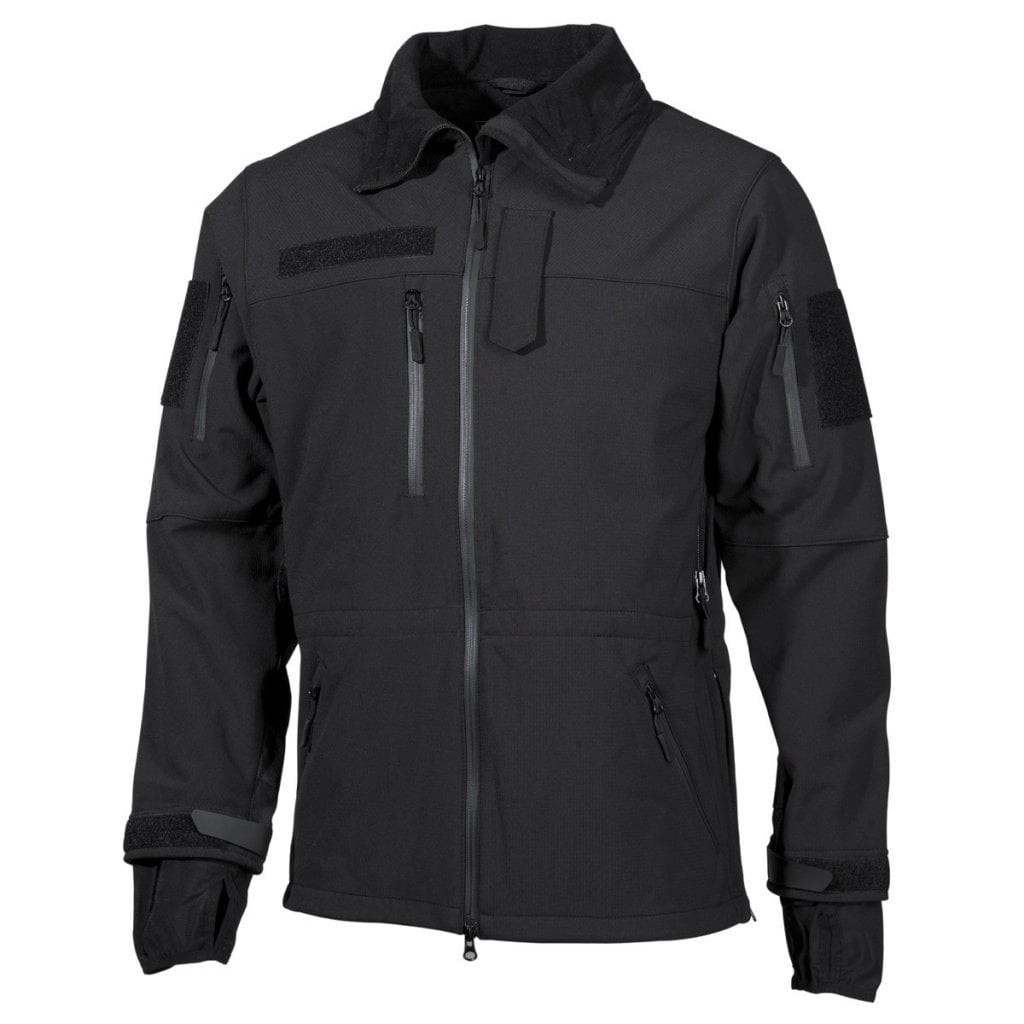
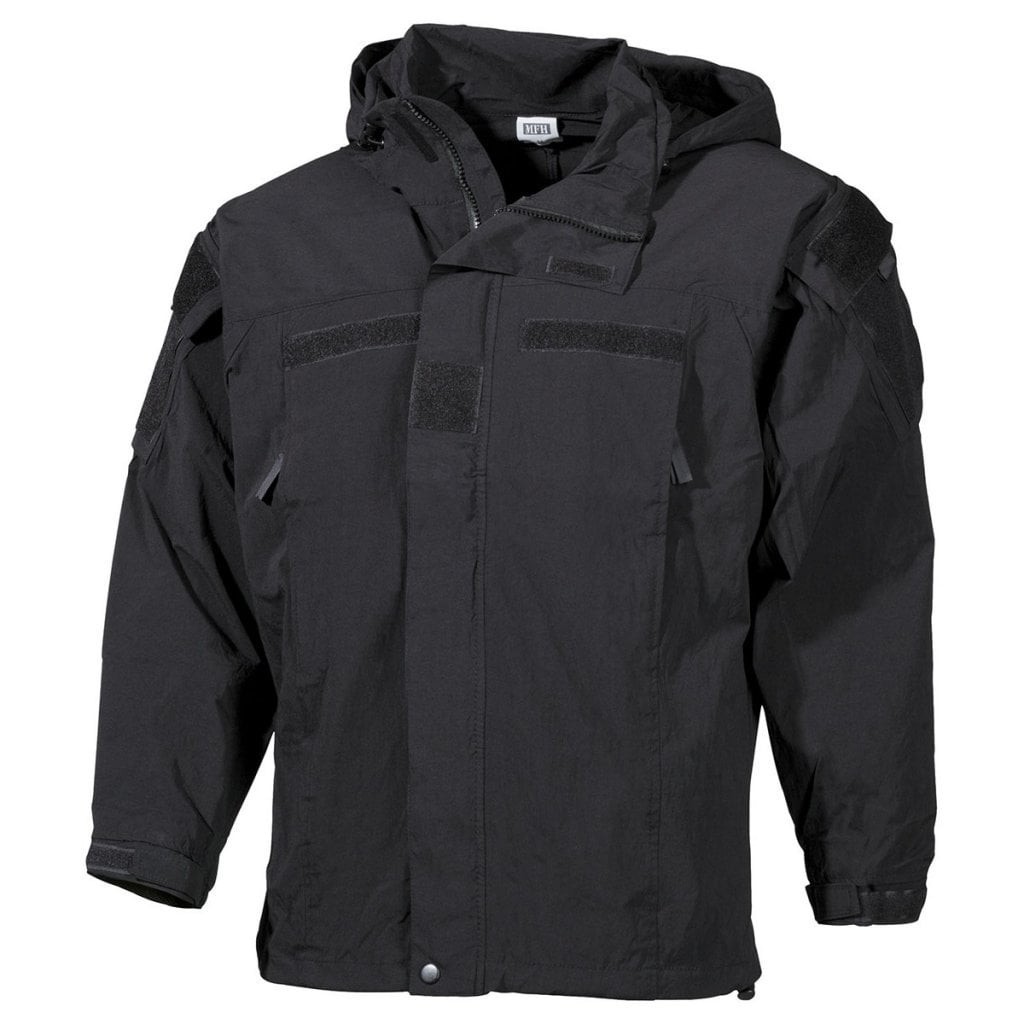
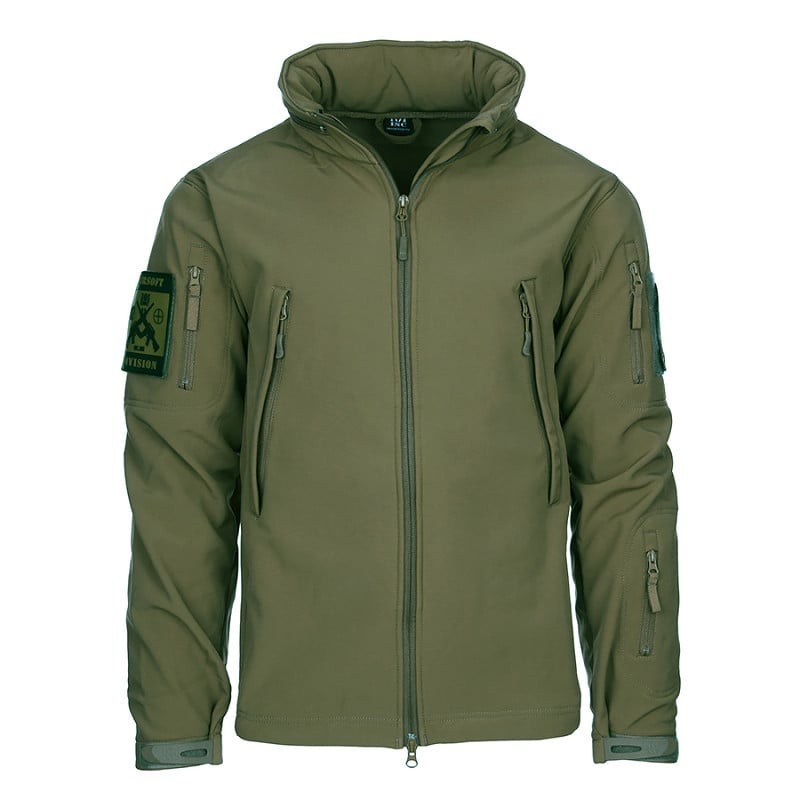
Three softshell jackets with different priorities
These examples show how the same material category can be built for different needs. All three were confirmed as published with broad orderable size coverage before publication.
How should you wash and care for softshell?
Always follow the garment care label. The wrong detergent, fabric softener or high heat can reduce water repellency and performance.
- Close zips and hook-and-loop tabs before washing.
- Avoid fabric softener unless the care label allows it.
- Use the stated temperature and a modest detergent dose.
- Reproof only with a treatment made for the material.
Ready for weather that cannot make up its mind?
Compare fit, lining and weather protection across the range. Start with the full category, then read each model's specification.