
What is a parka? Length, insulation and key differences
Published: date by: author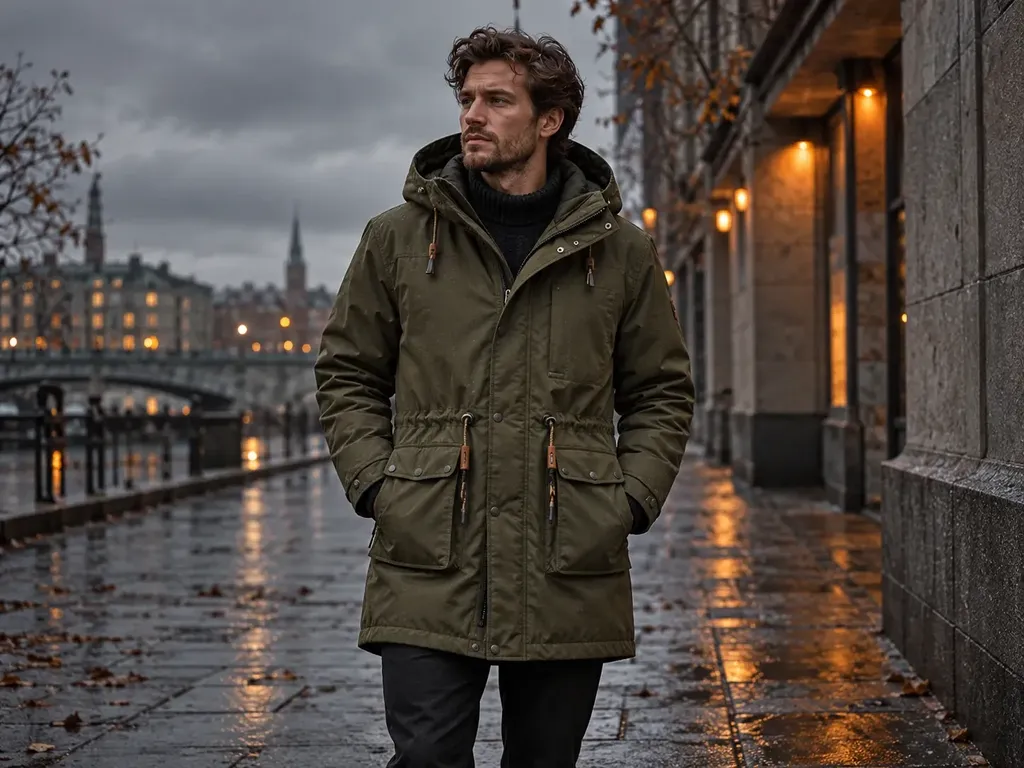
Dunken guide
Parka, puffer or regular winter jacket? Here is the difference, the right length and a practical checklist for choosing a jacket that works with your layers.
What is a parka?
A parka is a hooded jacket that reaches the hips or thighs and provides more coverage than a short jacket. It often has roomy pockets, an adjustable waist or hem and an outer fabric that helps block wind. A parka may be lightweight, insulated or fitted with a removable liner. The name alone does not tell you how warm or waterproof it is.
If you need a warmer model, start with men's winter jackets and compare length, insulation and room for layers.
What is the difference between a parka, puffer and bomber jacket?
The main differences are construction and length. A parka usually covers more of the hips and thighs, a bomber ends around the waist, and a puffer is defined by its quilted, padded shape.
| Style | Key feature | Best when |
|---|---|---|
| Parka | Longer cut, usually a hood and large pockets | You want coverage and layering room |
| Puffer | Quilted, insulated construction | You prioritise insulation and low weight |
| Bomber | Short waist and ribbed edges | You want movement and a compact silhouette |
To compare more cuts and seasons, browse the full range of men's jackets.
When is a parka the right choice?
A parka works especially well in windy autumn weather, mild winter conditions and cold everyday use when you want hip and upper-thigh coverage. A removable liner can extend its useful season.
- City and commuting: choose a length that covers without getting in the way when seated.
- Everyday outdoor use: prioritise pockets, a hood and simple adjustments.
- Changing temperatures: a removable liner gives you more control.
- Rain and sleet: check the stated materials and weather protection; parka does not mean rain jacket.
How should a parka fit?
A parka should allow movement across your back and shoulders with your usual mid-layer underneath. Zip it up, reach forward and sit down. The fabric should not pull hard across the shoulder blades, and the sleeves should cover your wrists.
- Measure a jacket that already works over a hoodie or knit.
- Compare chest width, back length and sleeve length with the product measurements.
- Make sure the hood does not block your view.
- Do not automatically size up; follow the measurements of the specific model.
The same test applies to women's styles. Compare women's winter jackets by length, movement and the layers you actually wear.
Important: “Warm”, “winter” and “water-repellent” are not interchangeable. Read the stated details about insulation, shell fabric, membranes and seams. If waterproofing is not specified, do not assume the jacket can handle prolonged rain.
Which lining and weather protection should you choose?
Match the lining to your activity. Thick insulation suits low-intensity use in cold weather, while a lighter shell with room for your own layers offers better control in changing temperatures. Also check for a storm flap, adjustable cuffs and a hood that can be tightened.
Two parkas that show different constructions
These models were selected for their broad current size coverage and because they show two practical approaches to parka construction.
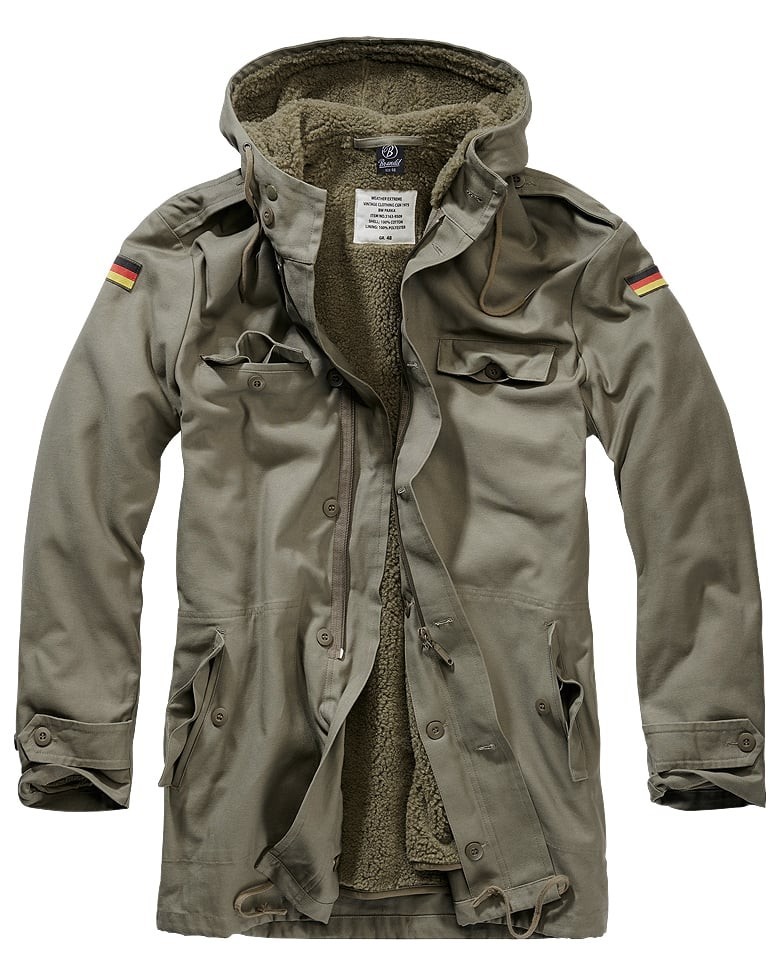
View the BW parka with teddy lining
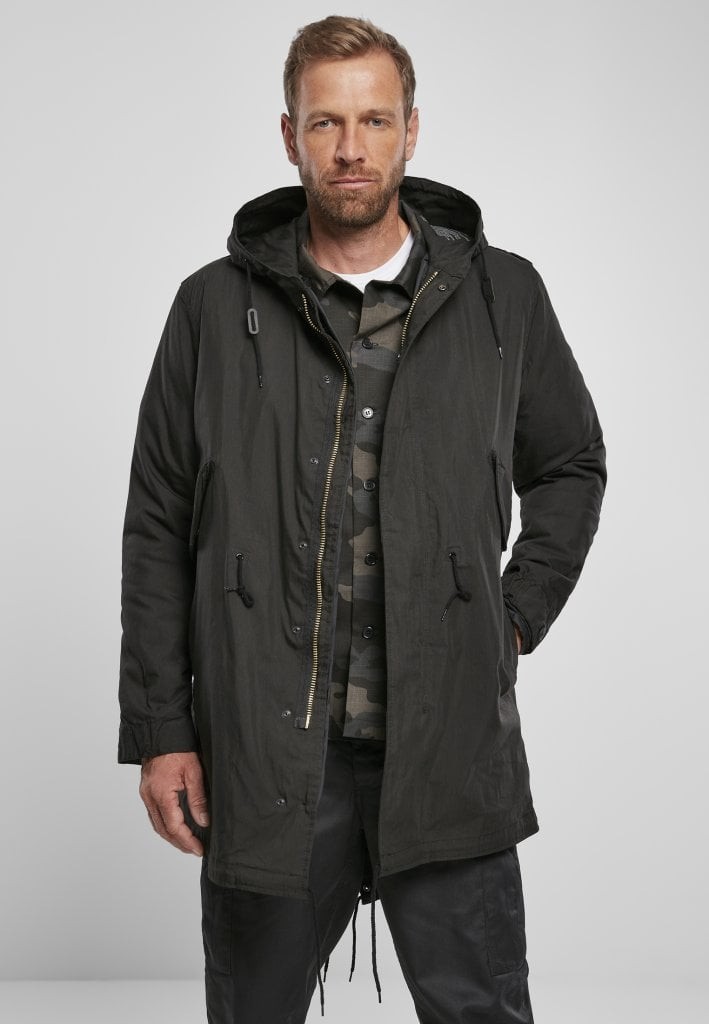
How do you style a parka without looking bulky?
Let the jacket length define the silhouette. Straight trousers, cargo trousers or dark denim balance a roomy upper half. A hoodie or knit works underneath, but avoid layers that compress the insulation and restrict the shoulders.
Which common mistakes should you avoid?
- Choosing by style name without reading the lining and material details.
- Trying it on without the layer you plan to wear underneath.
- Assuming longer automatically means warmer.
- Buying too large so the hood, shoulders and sleeves sit incorrectly.
- Treating water-repellent as waterproof.
In short: choose a parka for your climate, activity, layers and measurements.
Find a parka for your layers
Compare length, insulation, sizes and construction across the current range.