
Hiking packing list – day hikes, overnight trips and winter
Published: date by: author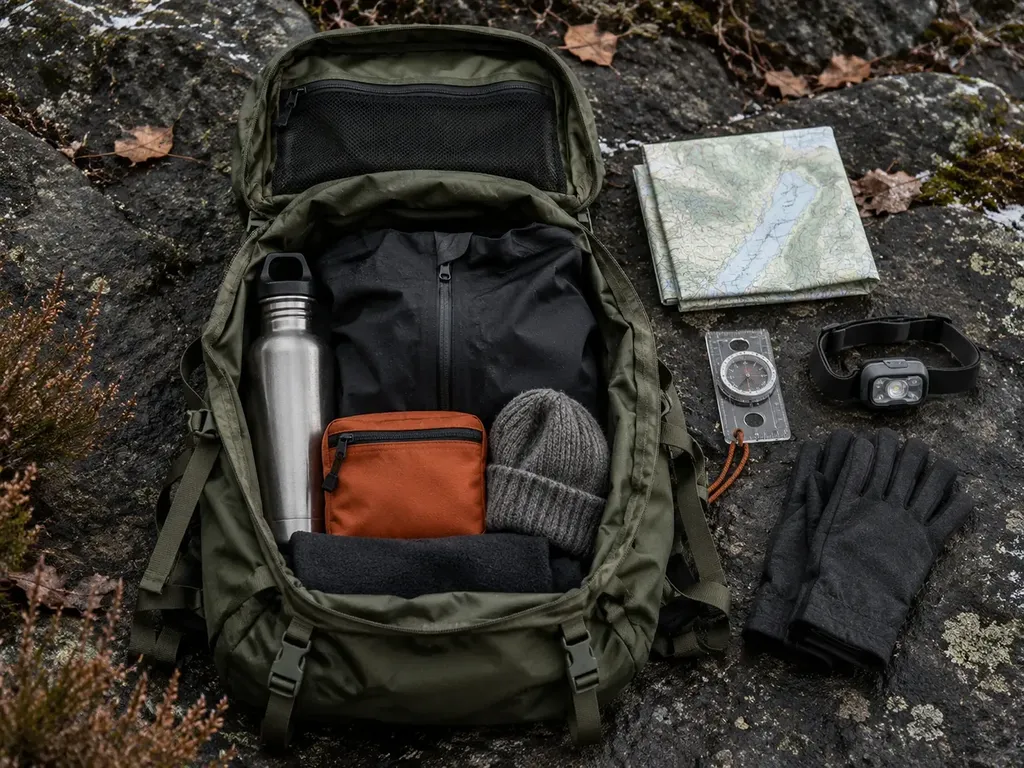
Oddsailor guide
A practical packing list for day hikes, overnight trips and colder weather, focused on what genuinely needs to come along.
What belongs on a hiking packing list?
A basic hiking packing list should cover navigation, weather protection, water, energy, first aid, light and an extra warm layer. An overnight trip also requires a sleep system, more food and possibly cooking equipment. Start with the length of the route and the forecast, then choose one of Oddsailor's hiking backpacks that holds the load without being unnecessarily large.
Short answer: Pack a map or offline map, charged phone, water, food, rainwear, an insulating layer, first aid, a headlamp and emergency shelter. Add a sleeping bag, mat and stove only when the trip requires them.
How does a day hike differ from an overnight trip?
A day hike mainly needs a margin for weather, energy and minor problems. Overnight, you must also be able to sleep, eat and stay dry after you stop walking.
| Trip | Typical load | Backpack |
|---|---|---|
| Short day hike | Water, food, shell, warm layer and safety gear | Small to medium |
| Long day hike | More water and energy plus extra margin | Medium |
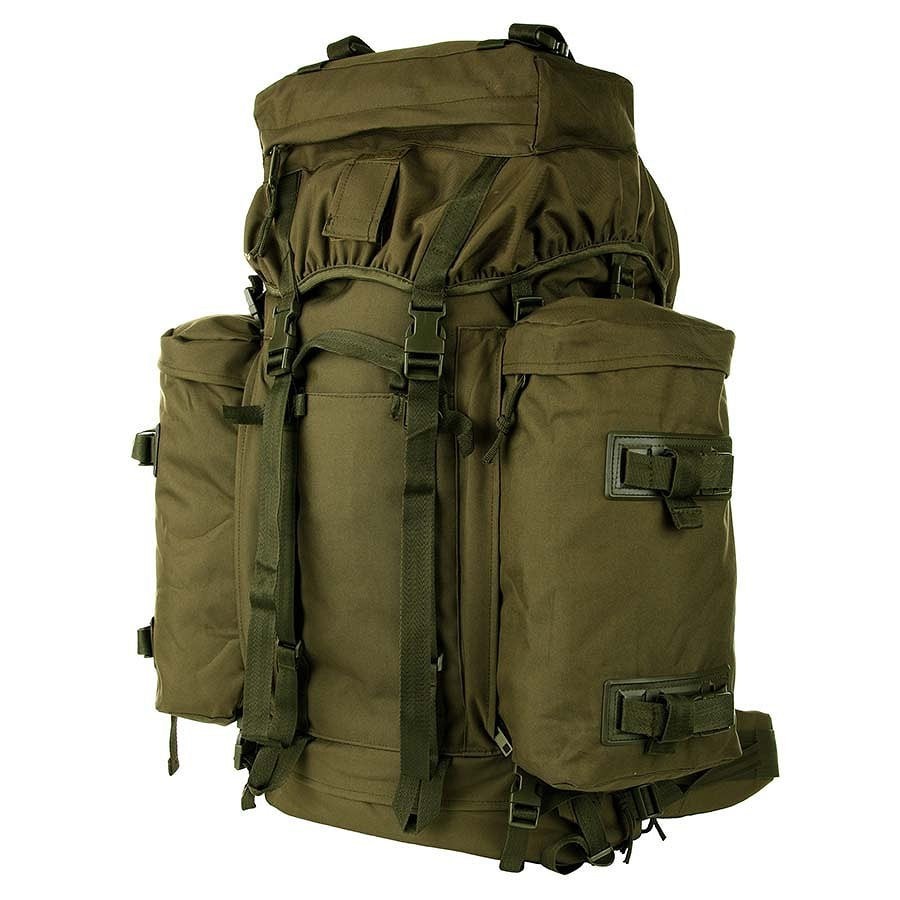
| One or more nights | Sleep system, food, cooking kit and dry clothes | Larger, based on gear |
Which ten essentials form the base?
- Navigation: map, compass and an offline map.
- Communication: charged phone and, if needed, a power bank.
- Water and a realistic refill plan.
- Food plus an extra durable snack.
- Rainwear and protection for sensitive gear.
- A dry insulating layer suited to the weather.
- First aid matched to the group and route.
- A headlamp, even on a planned day hike.
- Emergency shelter appropriate to the environment.
- Personal medication, sun protection and hygiene.
What size backpack do you need?
Capacity should follow the equipment. A compact day hike needs less room than bulky winter layers or overnight gear. Always try the pack with real weight and check the shoulder straps, back length and hip belt.
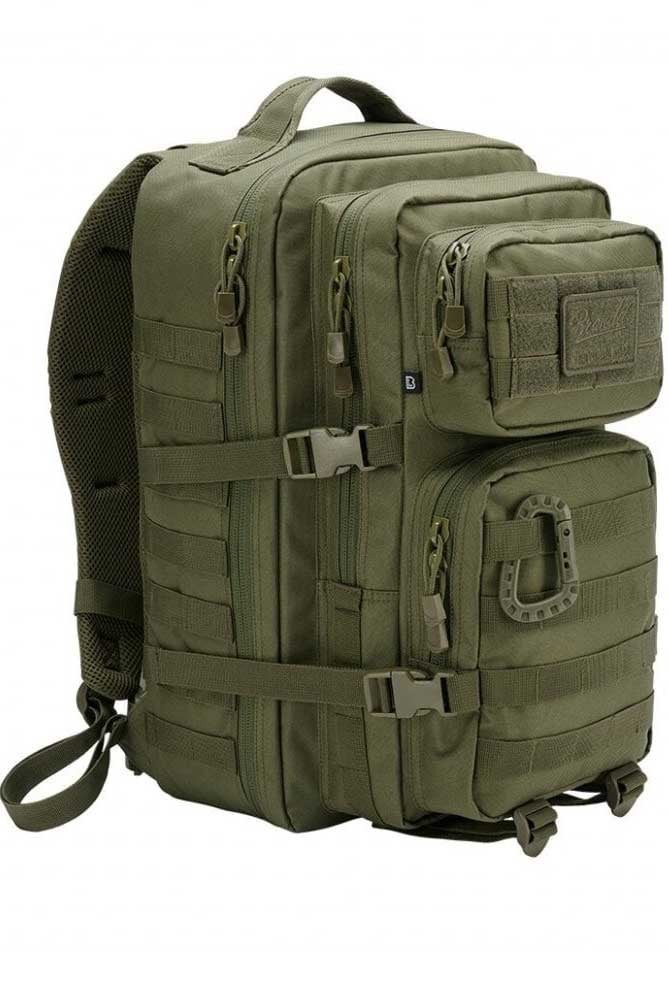
Compare more designs among backpacks for everyday use and hiking.
How should you pack for a better carry?
Place light, bulky items at the bottom and heavier gear close to your back around mid-torso. Rainwear, water, map, first aid and headlamp should be accessible without emptying the pack.
- Protect sleeping gear, dry clothes and electronics in waterproof bags.
- Avoid loose objects that swing outside the pack.
- Tighten compression straps once the load is in place.
- Take a test walk at home and adjust the fit.
What changes for winter hiking?
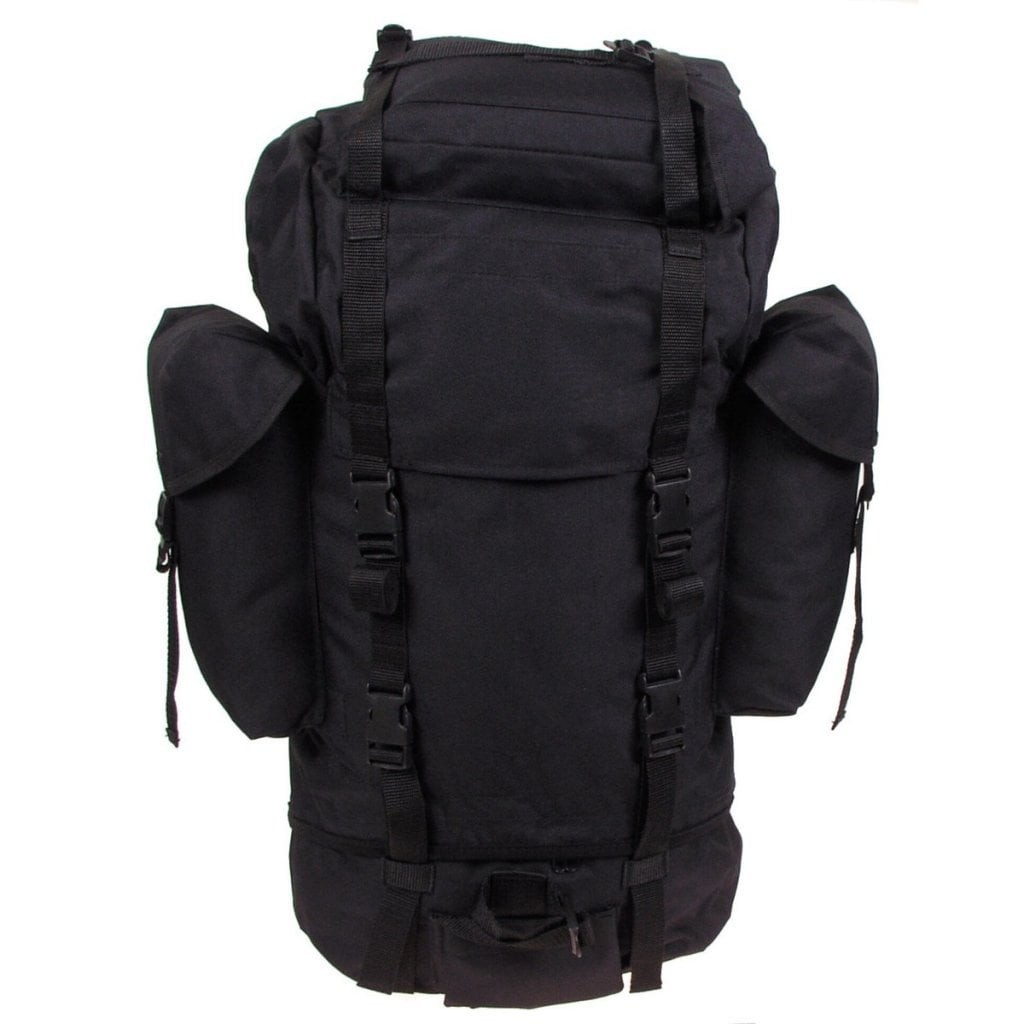
Cold, wind and shorter daylight require a larger safety margin: warmer insulation, dry spare gloves and socks, a vacuum flask, spare power and suitable emergency shelter. Keep your phone and power bank close to your body in freezing temperatures.
Ice, snow and avalanche terrain may demand specialist equipment and training that a general list cannot replace. Always check local weather, route conditions and risk information, and turn back early when conditions deteriorate.
Important: Weigh the fully packed bag. Remove duplicates that do not serve a clear safety or comfort purpose.
What should you pack for an overnight hike?
In addition to the essentials, bring a temperature-rated sleeping bag, sleeping mat, shelter, food, stove and fuel as needed, hygiene items and dry sleepwear. Plan water and waste management, and test your equipment at home.
Which packing mistakes are most common?
- Too many spare clothes instead of compatible layers.
- Rainwear and first aid are buried at the bottom.
- New equipment is first tested on the trail.
- The phone is the only navigation method.
- The same list is used in every season.
For a gift for someone who already lives for the outdoors, see the selection for the wilderness type.
Choose a backpack for the real load
Lay out the equipment, remove unnecessary duplicates, then choose the capacity and carrying system.